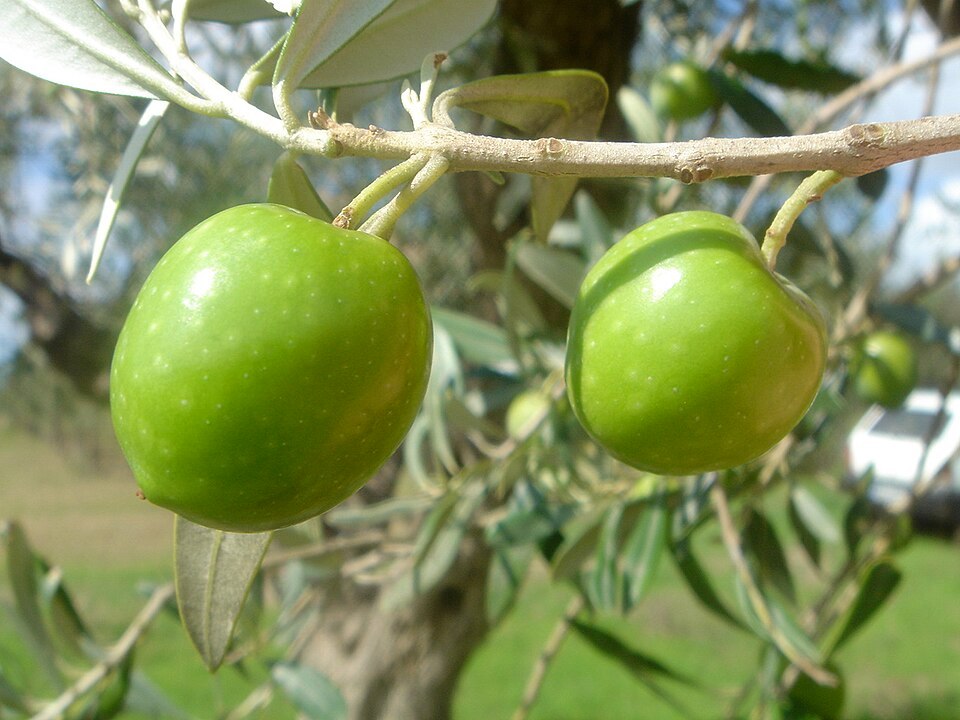



They’re naked, and the Tuscans have no intention of dressing them!
Gnudi, literally meaning “naked,” are delicious little morsels of spinach and sheep’s milk ricotta that belong to Tuscany’s rustic culinary tradition. Think of them as the heart of a raviolo, with no pasta to hide behind. Made across Tuscany under different names and with slight variations, they are a perfect example of how a handful of simple ingredients can become something extraordinary.
One story has it that gnudi were born from a small kitchen mishap: While making ravioli, the pasta dough ran out before the filling did. And in a farmhouse kitchen, something so precious and delicious could certainly not be allowed to go to waste. Once again, necessity and ingenuity created something new: ravioli without the pasta wrapped around them. Naked, indeed.
As so often happens with Italian regional cooking, travel just a few miles and names, shapes and small traditions begin to change. Around Siena, these soft morsels are better known as malfatti, literally “badly made,” a name that makes no apologies for their rustic, irregular shapes. In the Florentine tradition, they become gnudi, or "naked," because they keep the heart of the raviolo but leave its pasta wrapping behind. In Maremma, ricotta and spinach are already at the heart of the region’s traditional large tortelli. With gnudi, that same pairing simply sheds its pasta and becomes the dish itself.
I first tasted them many years ago in a setting that seemed straight out of a fairy tale: a beautiful little hilltop village in the Maremma, in the province of Grosseto. Walking through its narrow streets transported me to a medieval world that somehow still felt incredibly present. History and tradition seemed to linger everywhere. From the hill, the view stretched across rolling green countryside and fields of sunflowers. You could almost smell the hay and the vines soaking up the warmth of the sun.
As the sun slowly began to set, Tuscany seemed to tell its story through its food: the land, the hard work, the love people have for it and those practiced gestures handed down from one generation to the next that have helped create such an extraordinary culinary heritage.
This is what I mean when I think of dinner, or even a single bite, as a true sensory experience, one made of memory and discovery. In their rich simplicity, gnudi were exactly that for me.
This isn’t the first time I’ve made them, and yet they still manage to surprise me, both in flavor and texture. Inside, they remain incredibly soft, while the outside firms up just enough to create a delicate layer around a tender, creamy center.
Sheep’s milk ricotta has more character than cow’s milk ricotta, with a slightly more savory flavor that balances beautifully with the spinach, while nutmeg adds its warm, unmistakable aroma. I love dishes in which just a few simple, good-quality ingredients can create a flavor that stays with you and, above all, makes you want to cook them again.
Gnudi are traditionally served with butter and sage. For my version, I made brown butter and treated the sage separately, drying the leaves gently in the oven before crumbling them into a deliberately coarse powder. I then broiled the gnudi with a generous sprinkle of Parmigiano Reggiano and, once they were ready, finished them with freshly grated lemon zest and the crumbled sage.
A handful of ingredients and no pasta to hide behind. After all, when you taste this good, why get dressed?
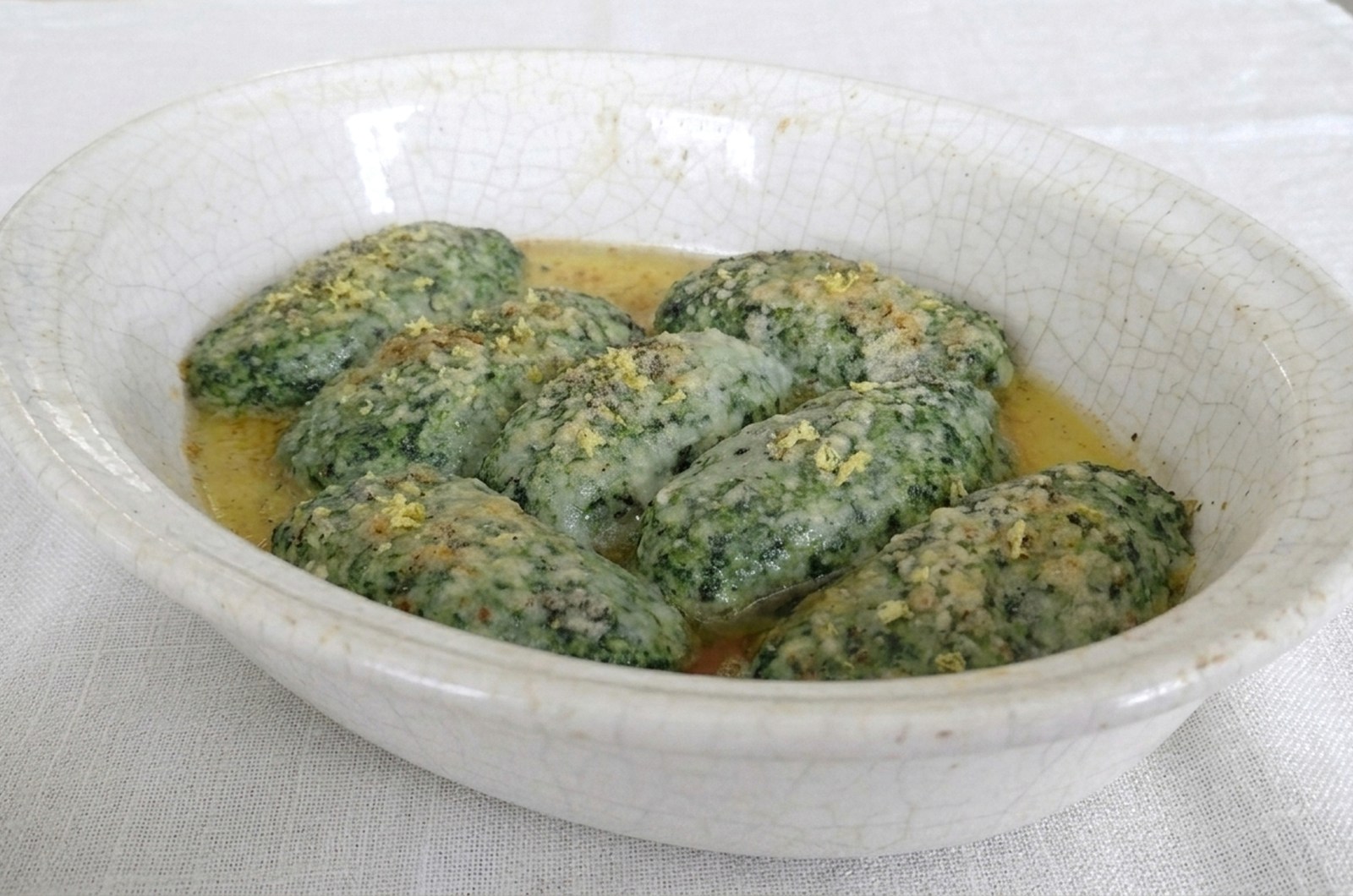
Gnudi with Brown Butter, Sage and Lemon
2
servings20
minutes10
minutesNote: Yield: 10 gnudi
Prep time: 20 minutes, plus 30 minutes of draining time
Ingredients
8 3/4 oz. 8 3/4 sheep's milk ricotta
6 1/4 oz. 6 1/4 cooked spinach, thoroughly squeezed dry
1 medium 1 egg
1 3/4 oz. 1 3/4 Parmigiano Reggiano, finely grated, plus extra for topping
1 tbsp. 1 all-purpose flour, plus extra for dusting
freshly grated nutmeg, to taste
salt, to taste
freshly ground pepper, to taste
4 tbsp. 4 unsalted butter
7-8 7-8 fresh sage leaves
freshly grated lemon zest, to finish
Directions
- Let the ricotta drain for about 30 minutes to remove any excess liquid.
- Wash the sage leaves and dry them thoroughly.
- Arrange them on a baking sheet lined with parchment paper and dry them in the oven at 210 F for about 15 minutes, checking occasionally.
- The leaves should become completely dry without browning. Let cool, then crumble them between your fingers into a coarse powder. Set aside.
- Squeeze as much liquid as possible from the cooked spinach, then finely chop it with a knife.
- Combine the ricotta and spinach in a bowl.
- Add the egg, Parmigiano Reggiano, salt, pepper and freshly grated nutmeg.
- Mix well, then incorporate the flour.
- Bring a large pot of lightly salted water to a boil, then reduce the heat to maintain a gentle boil.
- Preheat the oven to 450 F.
- Take a portion of the mixture and shape your first gnudo. The gnudi can be oval or round. Lightly coat it in flour, then gently lower it into the water. As soon as it rises to the surface, remove it with a slotted spoon.
- If the gnudo holds its shape, continue with the remaining mixture. If it begins to fall apart, add about 1/2 tbsp. of flour to the mixture, combine gently and test another gnudo. Avoid adding more flour than necessary: Their wonderfully soft texture is part of what makes gnudi so special.
- Shape the remaining gnudi, lightly coat them in flour and cook them three at a time at a gentle boil. As soon as they float to the surface, carefully remove them with a slotted spoon.
- Meanwhile, melt the butter in a small saucepan over medium heat. Continue cooking until it turns golden brown and develops a nutty aroma.
- Pour about two-thirds of the brown butter into the bottom of an ovenproof baking dish. Very gently arrange the gnudi on top, spoon over the remaining brown butter and finish with a generous grating of Parmigiano Reggiano.
- Place under the broiler for 3 to 5 minutes, until the tops are lightly golden.
- Finish with freshly grated lemon zest and the crumbled dried sage. Serve immediately.
Did you make this recipe?
Tag @appetitomagazine on Instagram and hashtag it with #italianfoodanddrink
Like this recipe?
Follow @Appetitomagazine on Pinterest
Follow us on Facebook!
Follow us on Facebook
Like knowing where to eat before everyone else does? Subscribe to the Appetito newsletter and let us keep you in the know.