

A taco is probably not the first thing you expect to find in Ponte di Legno.
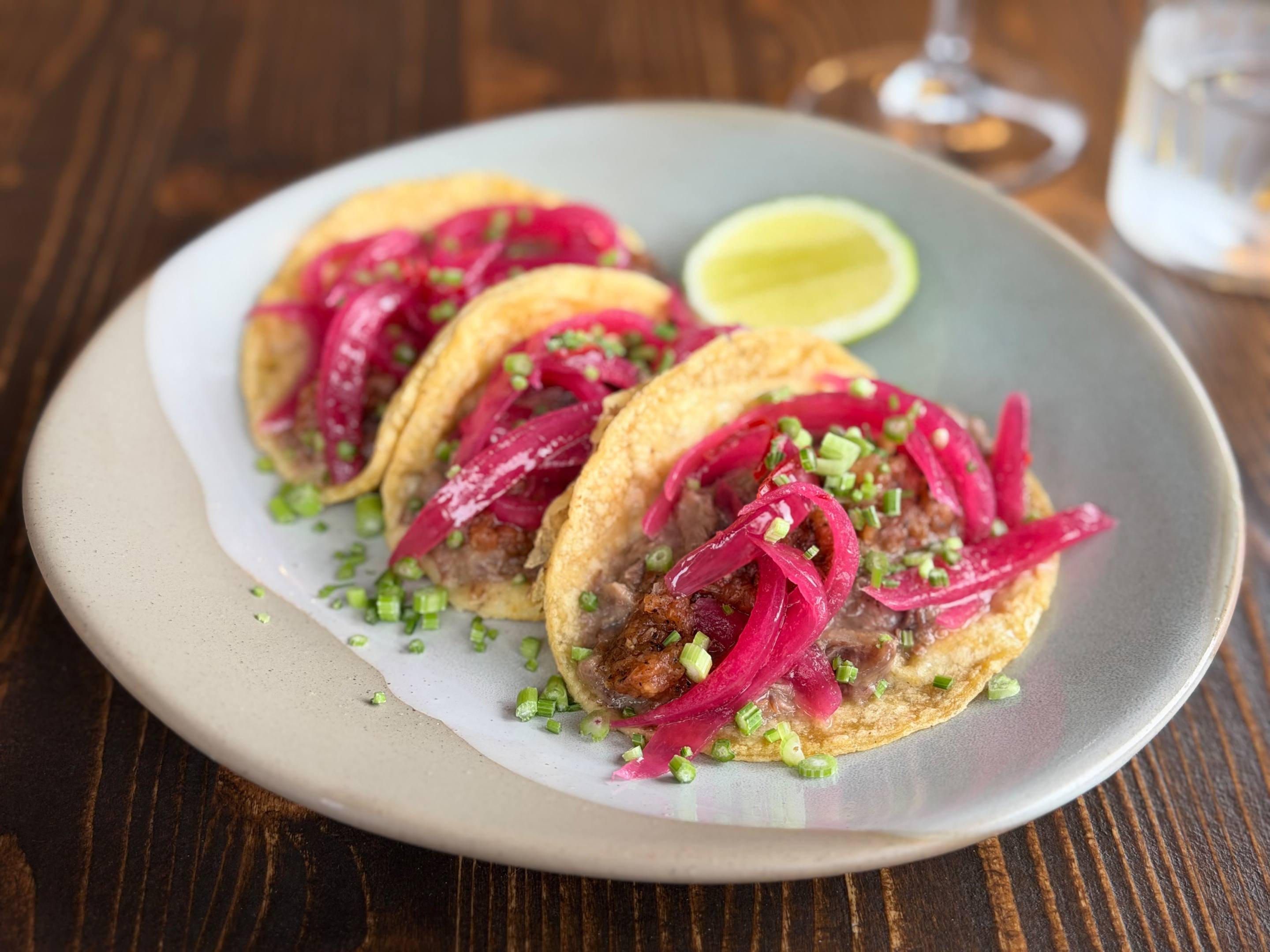
This one arrives at the table looking unmistakably like a taco: a crisp corn shell filled with tender manzo all’olio, Cuban-style onion and a spicy sauce. It is crunchy, soft, rich and sweet, all at once. And while its shape might have traveled from Latin America, much of what is inside belongs to this corner of Valle Camonica.
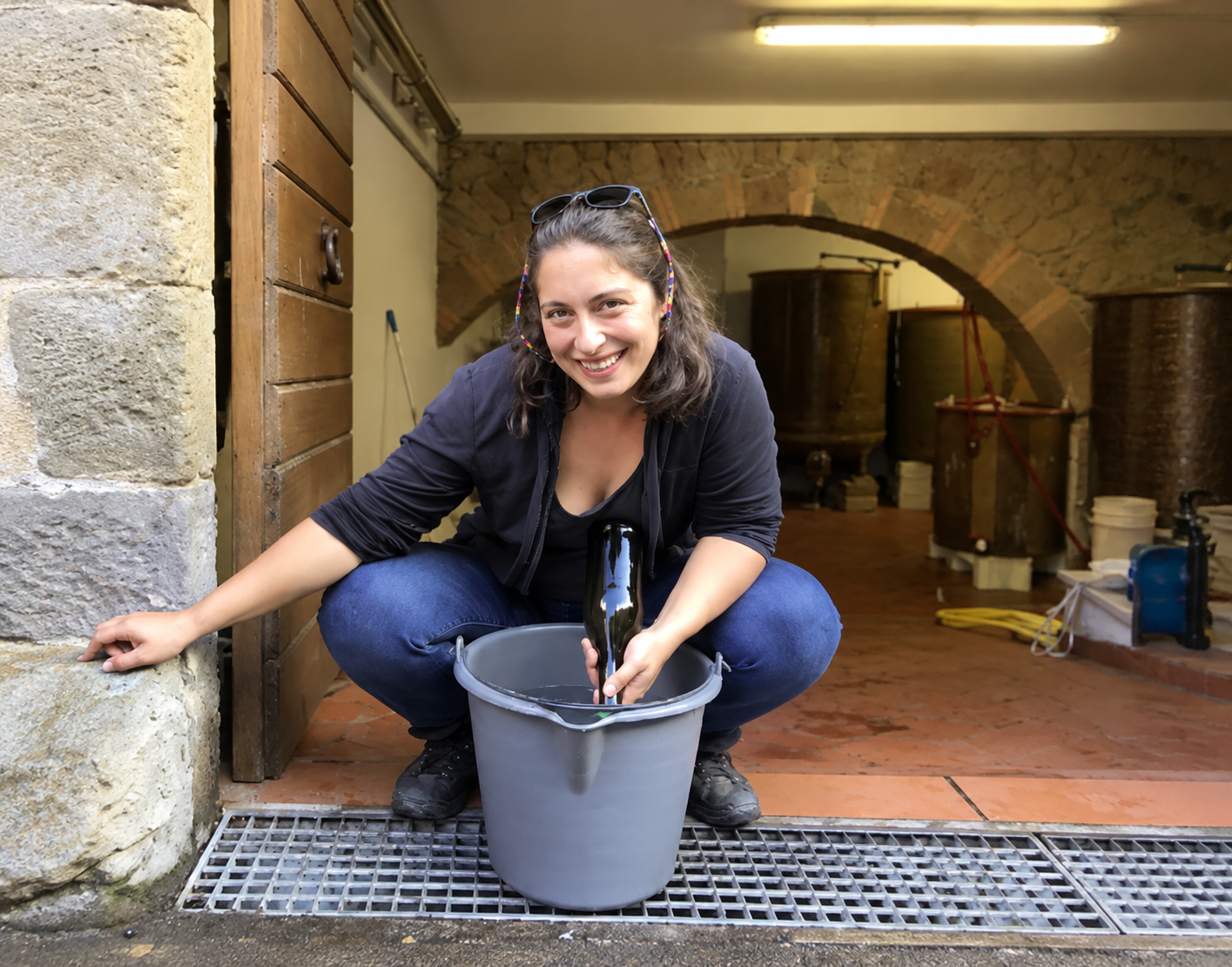
The dish is a small expression of what Jorge Ramirez and Elen Faustinelli are doing at La Tana dell’Orso. Jorge, a Chilean chef, and Elen, a half-Japanese pastry chef, have cooked in Michelin-starred kitchens and worked as private chefs in Uzbekistan. They have spent years collecting flavors, techniques and ideas from far beyond the Alps. Now, in Ponte di Legno, they are using that experience to change how diners look at the food of Valle Camonica.
Local ingredients, global flavors
Their cooking starts with the territory. They are deeply interested in what grows, is produced and has been eaten here: corn, mountain cheeses, freshwater fish, venison, herbs, meat, butter and the dishes that have traveled through generations. Their approach is to take those ingredients seriously enough to ask what else they can become. If they could summarize their philosophy, it would probably be a local cuisine open to the world.
It is a fitting description for a menu where a traditional preparation can suddenly appear in an unexpected form, or where an ingredient from the valley meets a technique or flavor from somewhere thousands of miles away. The result is food that can surprise you visually before it even reaches your mouth, then pull you back to the mountains with a flavor you can unmistakably recognize. It is a journey with your mouth full and your eyes closed, out in the world and back.
The taco is perhaps the clearest example. Manzo all’olio is deeply rooted in the culinary tradition of Brescia: slow-cooked beef, rich and comforting, the kind of dish that belongs to the history of the region. Here, it is tucked into a delicate corn shell and paired with Cuban-style onion and a spicy sauce. The first bite brings together crispness and softness, richness and acidity, sweetness and heat. It is an unusual combination. But it feels far from random.
That is what makes the cooking at La Tana dell’Orso so interesting. Jorge and Elen are not throwing international flavors at local ingredients simply because the contrast looks exciting. There is research and affection behind the dishes. They know the ingredients they are working with, and they care about where they come from.
Making the most of every ingredient
You can taste that in the way they work with freshwater fish, too. Local fish becomes bottarga, or is used in preparations that make the most of its flavor and texture. Trout trimmings can become delicate croquettes. Ingredients that might otherwise be discarded are given another life, with herb stems and other byproducts finding their way into sauces and fillings.
For Jorge and Elen, this way of cooking is fundamental. Respect for an ingredient starts with a carefully chosen local producer and continues in the kitchen, where as much of it as possible is used, transformed and enjoyed.
There is something deeply Alpine about that instinct. The cooking of mountain communities has always been shaped by seasonality and resourcefulness, making something delicious from what the land provides, preserving what cannot be eaten immediately, and wasting as little as possible.
The local ingredient remains the starting point, but it is given room to move. Polenta, freshwater fish, local cheeses, venison and traditional preparations appear alongside flavors and techniques influenced by Mexico, Japan, South America and the chefs’ experiences abroad. The menu might move from a taco to a mountain ingredient in a completely different form, asking the diner to recognize something familiar while also being prepared to see it differently.
An invitation to be curious
Jorge and Elen want to challenge people, but they do not want to intimidate them. Some ingredients and combinations can be unfamiliar, and they have discovered that the way a dish is described can make the difference between curiosity and hesitation. Clear, accessible descriptions allow guests to understand what they are ordering without taking away the pleasure of discovering something unexpected. It is a fine balance. Their food asks you to be curious while still making you feel comfortable.
That openness is particularly important because the chefs are constantly drawing from their own backgrounds. Jorge brings the flavors and memories of Chile; Elen brings her Japanese heritage into her work, particularly through pastry. Her cooking creates space for ingredients such as tea and Japanese techniques, while remaining connected to the produce and flavors around her. The result is a restaurant where the landscape is present even when the dish looks nothing like the food you might expect to find in an Alpine town.
And perhaps that is the most interesting thing about La Tana dell’Orso. Its international influences do not make the food feel less local. They make the chefs look harder at what is already here. A traditional beef preparation can travel across a continent without leaving the valley. Lake fish can become bottarga. Scraps can become something delicious. A familiar ingredient can suddenly taste completely different. None of these things that require the valley to give up its identity. Instead, they suggest that local food can be alive, curious and open to the world.
Jorge and Elen’s enthusiasm for local ingredients is infectious, but what comes through most strongly is their respect: for the producers, for the traditions, for the ingredients themselves and for the people sitting at their table. They are asking what happens when you know a place well enough to cook from it, but have also traveled far enough to imagine what else it could become.
The answer might arrive looking like a taco. You pick it up. The shell cracks. The beef is soft and savory, the onion is sweet and tangy, and the sauce brings the heat. For a moment, Mexico, Chile, Cuba and an Alpine valley seem to occupy the same bite. It is the unmistakable taste of home and beyond.
Like knowing where to eat before everyone else does? Subscribe to the Appetito newsletter and let us keep you in the know.