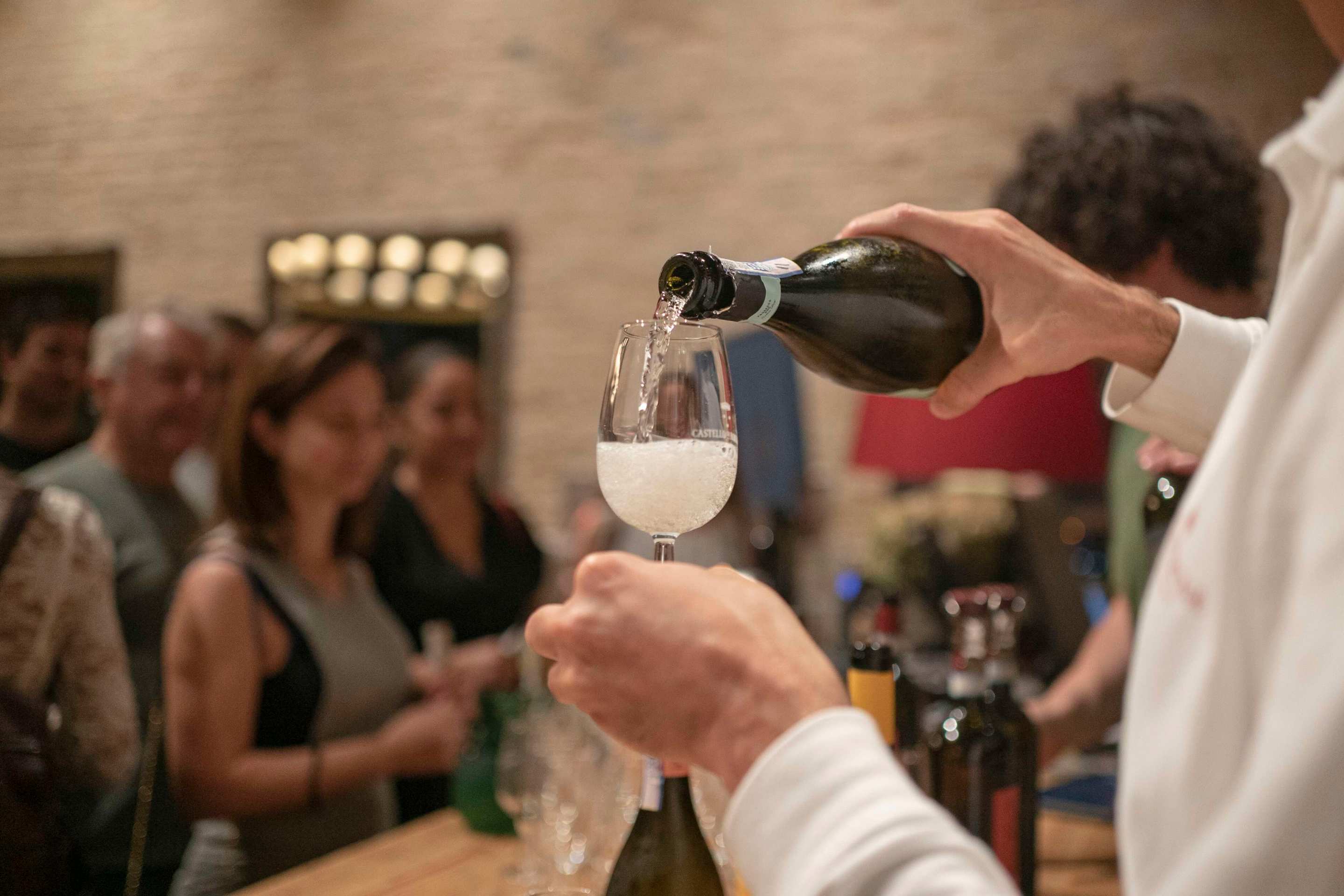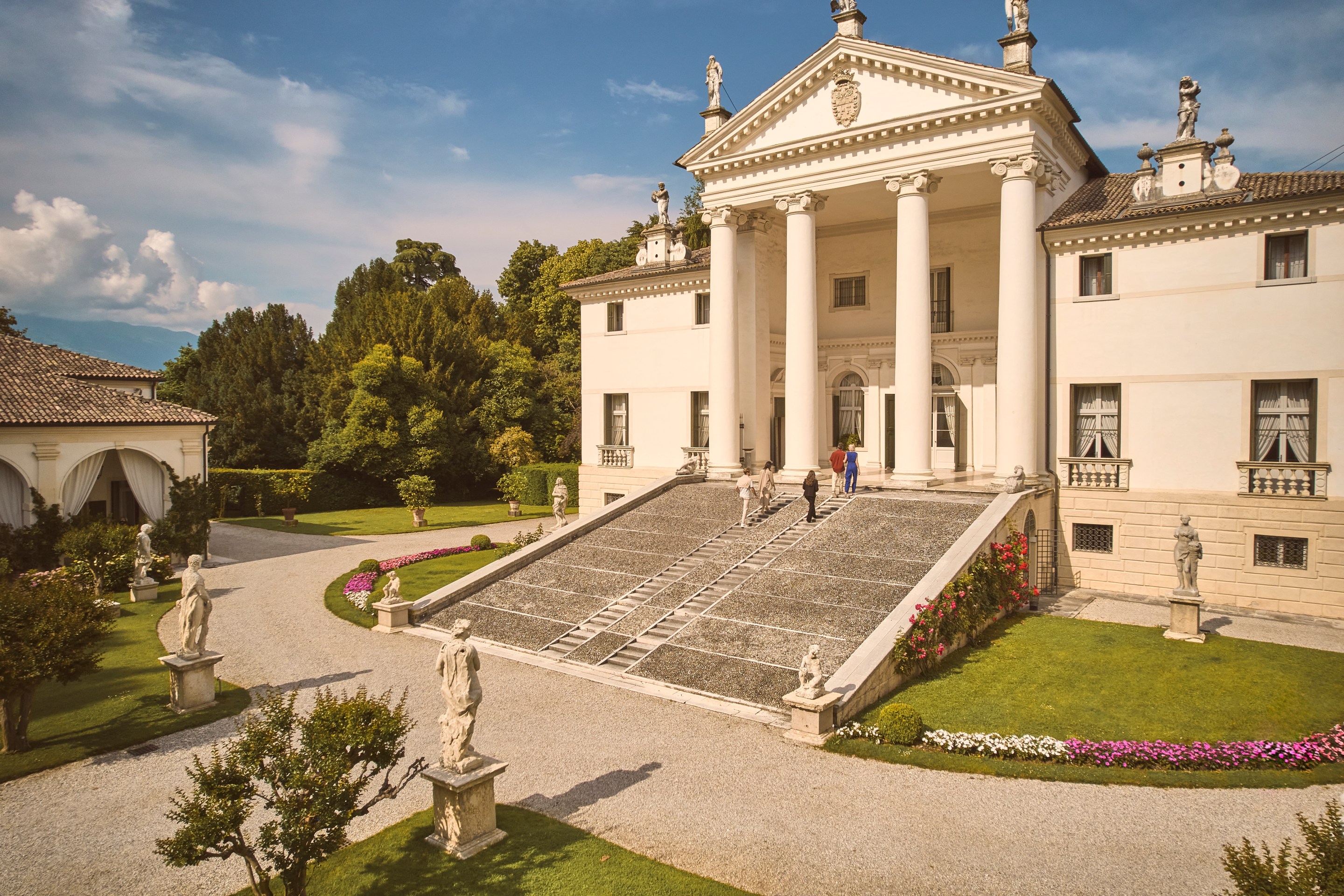


My love for Italy has always been closely connected to food, wine and atmosphere. Veneto wine, in particular, represents for me a kind of elegant Italian generosity: refined, expressive and full of regional identity. The same feeling exists in the best borghi. They do not simply “decorate” with Italian heritage, but translate heritage into hospitality.
There are places in Italy that are not simply visited, but felt. A narrow stone street at golden hour, an old village square, the scent of rosemary after the heat of the day, a glass of wine from Veneto, Tuscany or Sardinia, and suddenly hospitality becomes something much deeper than accommodation. This is where the Italian borgo becomes so fascinating.
The Italian Borgo
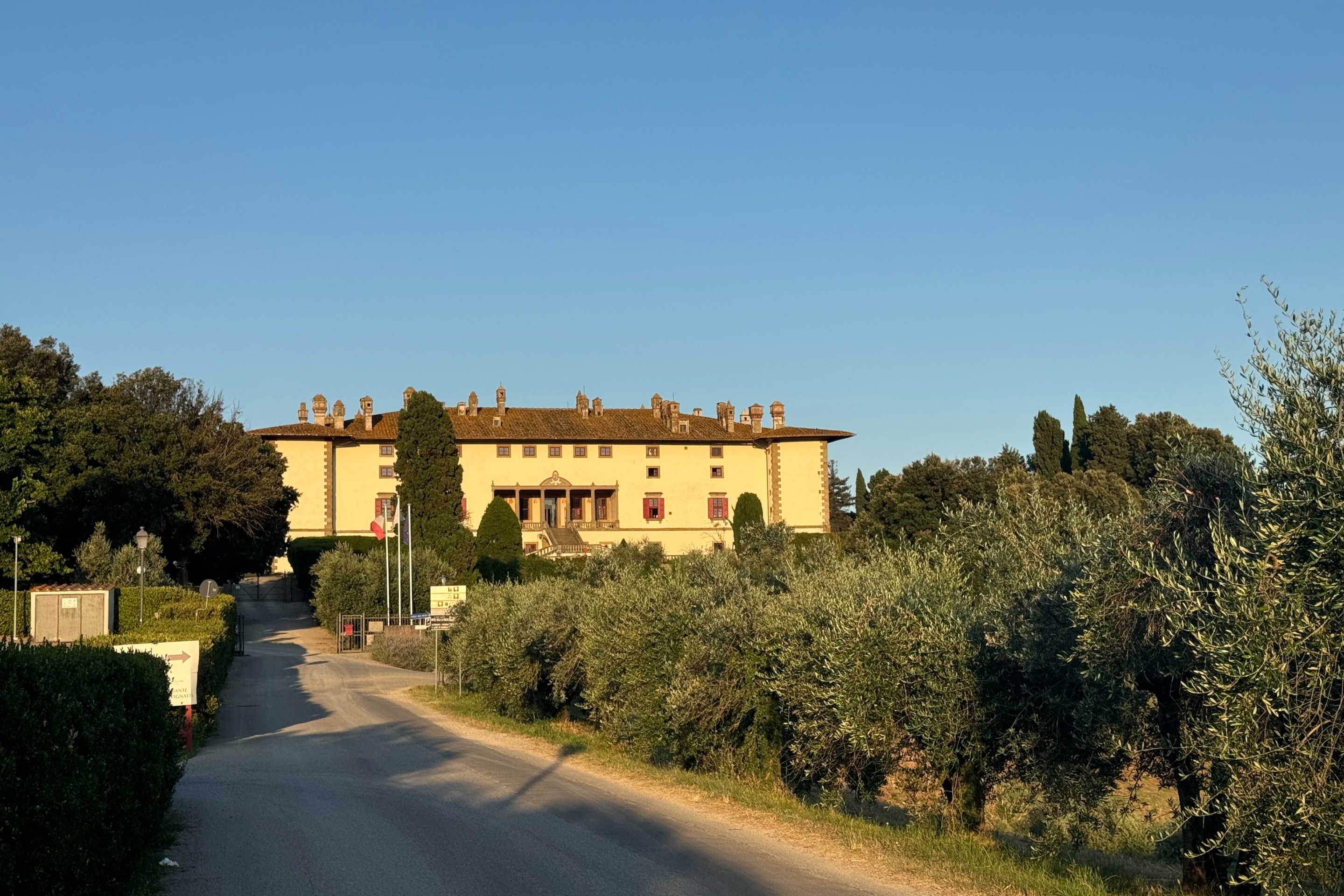
A borgo is usually a small historic village or hamlet, often medieval in origin, built around a church, castle, monastery, agricultural estate or noble residence. In many parts of Italy, these villages were once working communities shaped by farming, wine, olive oil, craftsmanship and local traditions. Today, some have become one of the most beautiful and emotionally intelligent expressions of luxury hospitality.
The luxury borgo phenomenon did not begin as a trend in the usual sense. It grew from Italy’s own landscape and history. After decades of rural depopulation, many small villages, farmhouses and historic estates were left partly abandoned or underused. Instead of building new resorts, visionary owners and hoteliers began restoring what already existed: stone houses, chapels, vineyards, barns, old villas and forgotten gardens. The result was a hospitality model in which the guest does not simply stay in a hotel, but enters a living world.
One idea connected to this development is the Italian albergo diffuso, often translated as a “scattered hotel.” Instead of placing all rooms inside one large building, hospitality is spread across existing village houses or historic structures, with central services such as reception, dining and guest assistance. This concept helped redefine how tourism could support small communities without destroying their architectural character. It also offered something modern travellers increasingly desire: authenticity without sacrificing comfort.
A new kind of luxury
This is why the borgo has become so relevant in luxury hospitality. It responds beautifully to a changing definition of luxury. Today’s sophisticated guest is often not looking for excess, but for atmosphere, privacy, taste, silence, terroir and a meaningful connection to place. A luxury borgo can offer all of this: a suite in a restored stone house, breakfast in a garden, dinner based on local ingredients, a spa inspired by nature, wine from nearby vineyards and a sense that time has slowed down.
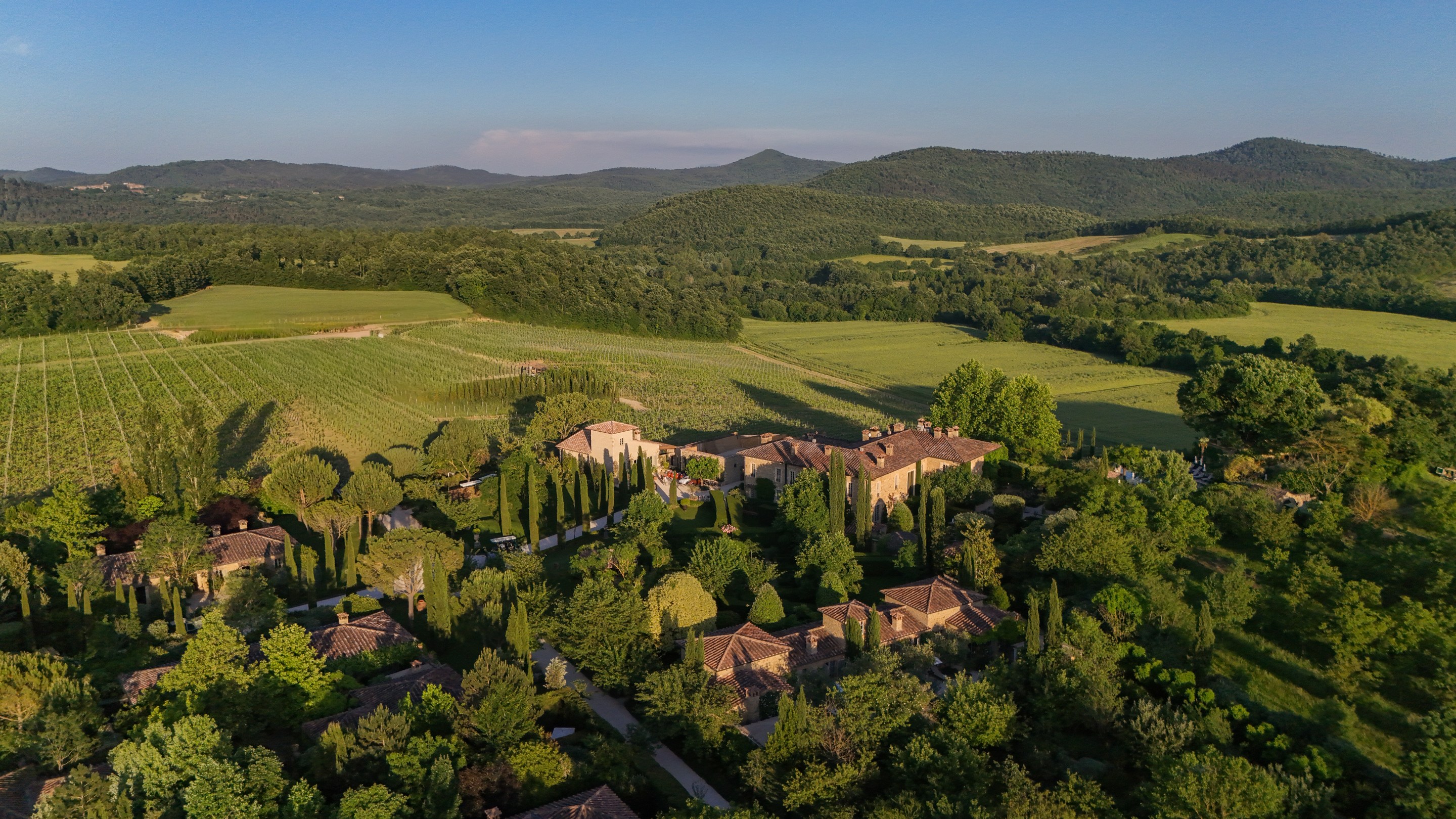
Tuscany is perhaps the most iconic region for luxury borgo hospitality, with its hilltop villages, cypress roads, vineyards and restored estates. Yet Italian hospitality is not one single style. It can be Tuscan and vineyard-led, Venetian and wine-focused, Sardinian and wild, coastal and mysterious, or deeply rural and rooted in shepherding, pasta traditions, local citrus, mirto and island rituals. This is what makes Italy endlessly inspiring for me: every region has its own emotional language.
Borgo Santo Pietro
Borgo Santo Pietro in Tuscany captures that emotional language with unusual sensitivity. Founded by Claus and Jeanette Thottrup, it brings a Danish heart to Italian hospitality, blending Scandinavian sensitivity with Tuscan soul through gardens, farm-to-table cuisine, wellness, craftsmanship and romantic restoration. It is like a private Tuscan dream, where every detail feels connected to the land: the food, the flowers, the interiors, the rhythm of service and the emotional softness of the place.
Borgo Santo Pietro represents the gentler side of luxury: slow, feminine, generous and highly curated. Its appeal lies not in separating guests from the surrounding region, but in drawing them closer to it. Historic architecture is not treated as a decorative backdrop. It becomes part of the experience, carrying the memory of the estate while being adapted to contemporary expectations of comfort and privacy.
The gardens are equally important. They soften the boundaries between indoors and outdoors and allow landscape, scent, colour and seasonality to shape the guest’s stay. Flowers are not simply arranged in rooms; they belong to the wider visual language of the property. Herbs and produce connect the garden to the kitchen, while the pace of the estate encourages guests to notice details that might otherwise disappear in a conventional resort.
Food and the land
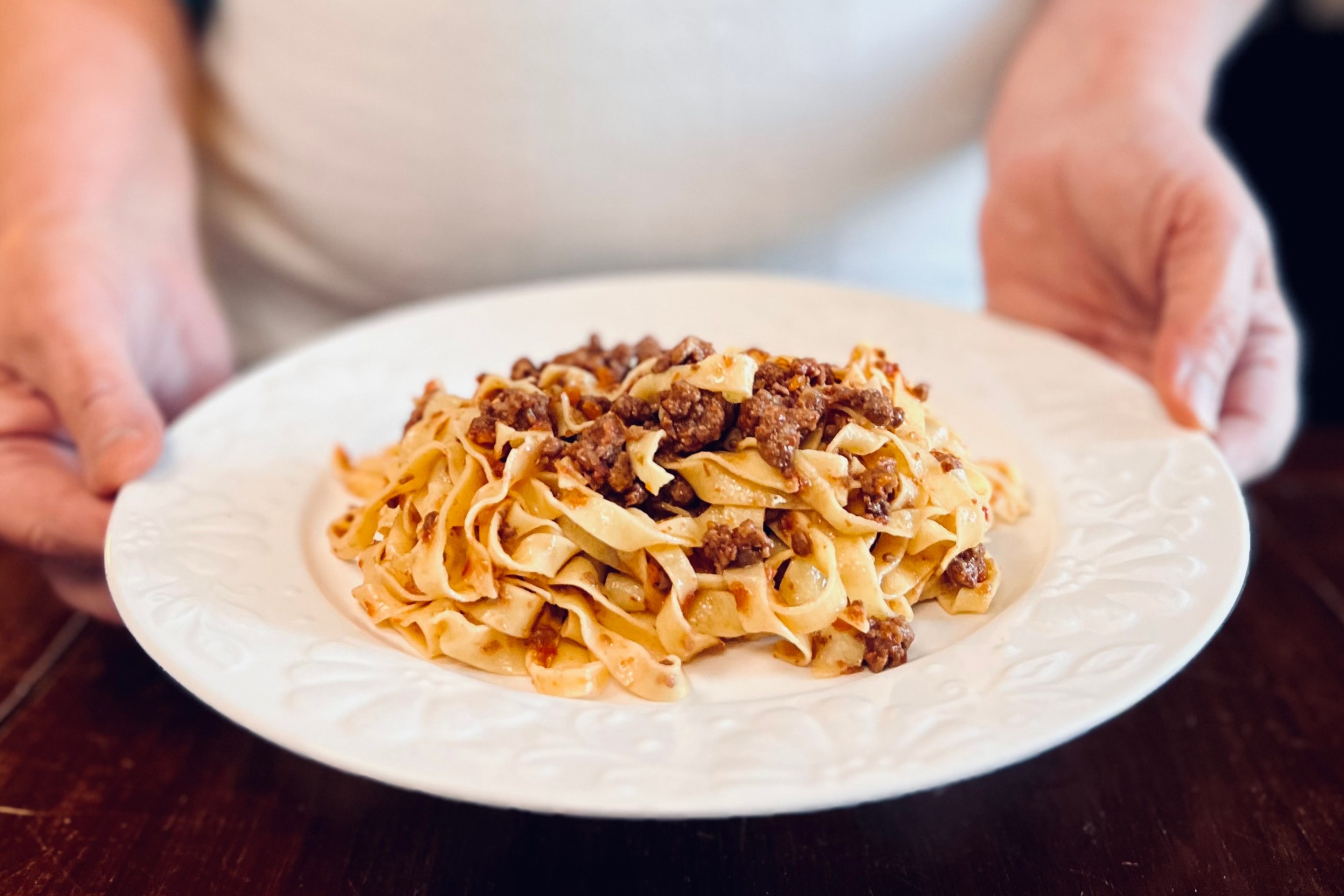
Food is central to this transformation of heritage into modern luxury. At Borgo Santo Pietro, the farm-to-table philosophy links cuisine directly to the land and turns dining into a form of storytelling. Local and seasonal ingredients do more than create flavour; they help guests understand Tuscany through taste. A meal becomes part of the geography of the estate, shaped by the gardens, surrounding countryside and traditions of the region.
This is where the borgo model aligns naturally with contemporary culinary travel. Guests increasingly want to know where ingredients come from, who grew them and how recipes reflect local history. They want excellent food, but also context. At Borgo Santo Pietro, gastronomy is not a separate amenity added to the hotel. It is one of the principal ways in which the property expresses its identity.
The same is true of craftsmanship and wellness. Both feel most meaningful when they emerge from the character of the place rather than being imported as generic luxury concepts. In the best borghi, restoration, interiors, gardens, food and service all speak the same language. Nothing needs to be overly theatrical because the setting already carries its own sense of drama.
Heritage made modern
Borgo Santo Pietro therefore illustrates why the Italian borgo has become such a strong luxury hospitality phenomenon. It combines heritage, privacy, restoration, gastronomy, wine culture, wellness, craftsmanship and emotional storytelling. It also gives renewed life to historic places and proves that preservation can feel contemporary, intimate and desirable.
The Italian borgo is where stone, landscape, food, wine and service become one experience. Perhaps this is why it feels so deeply Italian: it does not separate hospitality from life. At Borgo Santo Pietro, heritage is not merely admired from a distance. It is tasted, touched and lived. The guest is invited to step inside it and to remain there, for a little while, at the unhurried pace of Tuscany.
Andiamo!
Love discovering Italy one bite at a time? Subscribe to the free Appetito newsletter for the latest recipes, Italian food news, and travel stories.