

The Negroni is more than one of Italy’s most recognizable cocktails. It is an expression of aperitivo culture: that elegant pause between afternoon and evening when appetite awakens, conversation slows, and a bitter drink prepares the palate for dinner. In Italy, aperitivo is not simply a drink before a meal. It is a social ritual: a moment to gather, observe the changing light, and allow the day to soften.
Bold, ruby-red, and aromatic with orange peel, herbs, and spice, the Negroni carries a sense of ceremony without ever feeling formal. Its beauty lies in its simplicity. The classic recipe combines equal parts gin, Campari, and sweet red vermouth, stirred over ice and finished with orange peel.
The cocktail is widely believed to have been created in Florence in 1919, when Count Camillo Negroni asked for his usual Americano to be made stronger. Soda water was replaced with gin, creating a drink that was firmer, drier, and more complex. More than a century later, the balance still feels precise: gin contributes botanical freshness, Campari brings bitter orange and herbal depth, and vermouth softens the edges with sweetness, spice, and wine-like warmth.
Love discovering Italy one bite at a time? Subscribe to the free Appetito newsletter for the latest in food, travel, recipes, and Italian culture stories.
That balance also makes the Negroni open to thoughtful regional interpretation. Travel south from Florence to Sardinia, and the island offers an ingredient capable of changing the cocktail’s mood without taking away its identity: mirto rosso.
Mirto is a traditional Sardinian liqueur made from the berries of the myrtle plant, which grows across the island’s Mediterranean landscape. Its flavor is dark, aromatic, slightly bitter, and richly herbal. In Sardinia, mirto is often enjoyed after dinner, but in a Negroni it creates a bridge between aperitivo and digestivo traditions.
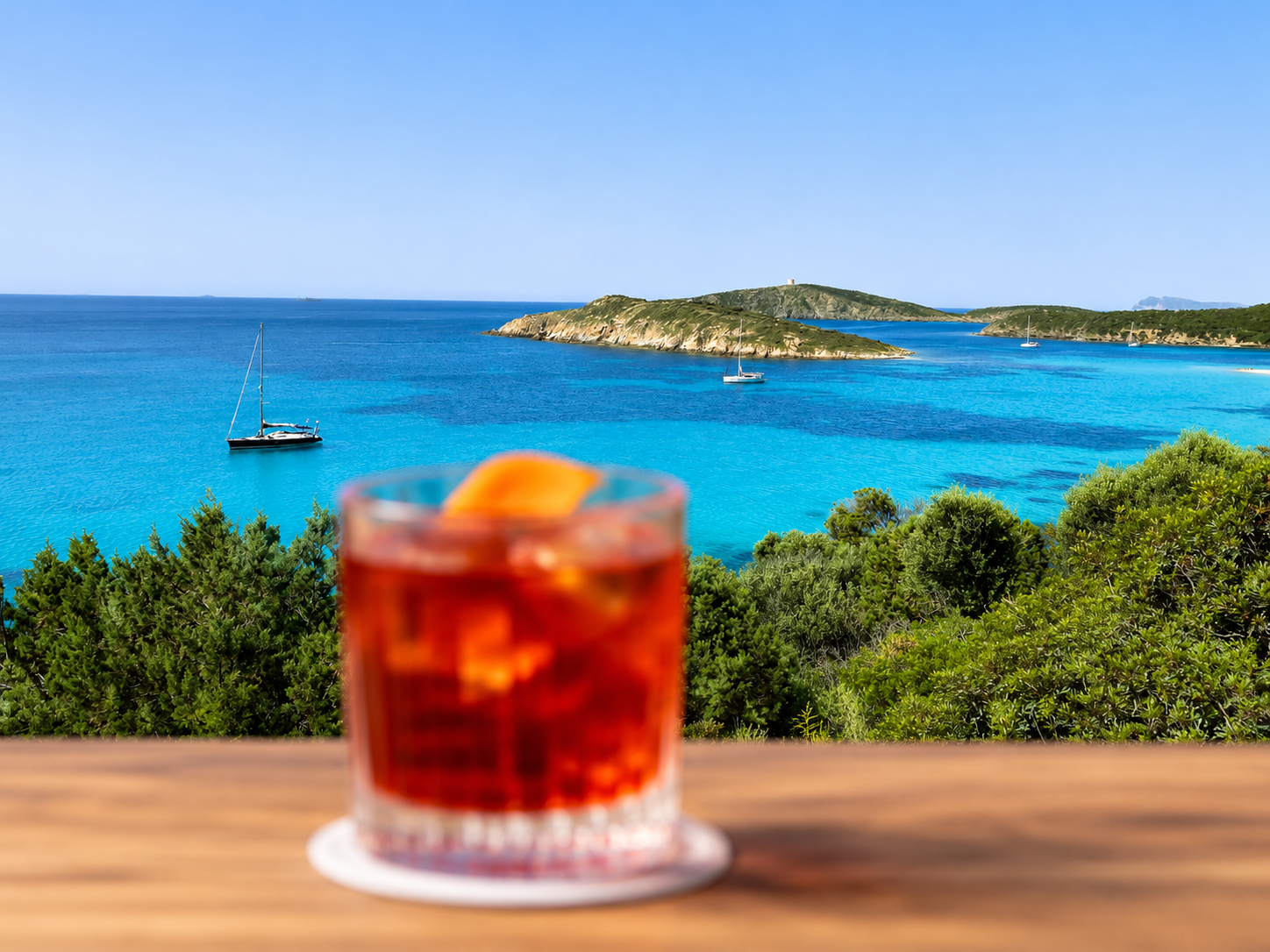
Only a small measure is needed. The aim is not to replace the Negroni’s classic structure, but to deepen it. Mirto adds notes of wild berries, resinous herbs, and Mediterranean vegetation, giving the drink a more mysterious character. The result is still unmistakably a Negroni, yet it carries the atmosphere of Sardinia: sea air, sun-warmed landscapes, orange light, and the scent of myrtle after a hot day.
This is also what makes the variation so suitable for summer entertaining. It remains bitter and elegant, but the mirto introduces a softer, more sensual island quality. Serve it slowly, with a generous piece of orange peel, olives, salted almonds, or small Sardinian bites.
For travelers wishing to explore the island’s culinary identity beyond the glass, Is Femminas offers a fitting continuation of the story. The restaurant celebrates Sardinian cooking through local ingredients, seasonal dishes, and recipes shaped by the women who have carried the island’s food traditions across generations. A meal there, perhaps featuring culurgiones, fresh seafood, and Sardinian wine, reveals the same dialogue between heritage and modern expression found in the Mirto Negroni.
Mirto Negroni
1 oz. gin
1 oz. Campari
3/4 oz. sweet red vermouth
1 tsp. mirto rosso
Stir all the ingredients with ice until well chilled. Strain over a large cube of ice in a crystal rocks glass. Express a strip of orange peel over the surface to release its aromatic oils, then place it in the glass.
The classic Negroni belongs to Florence. With a touch of mirto, it takes on the wild, aromatic soul of Sardinia.
Cin cin!