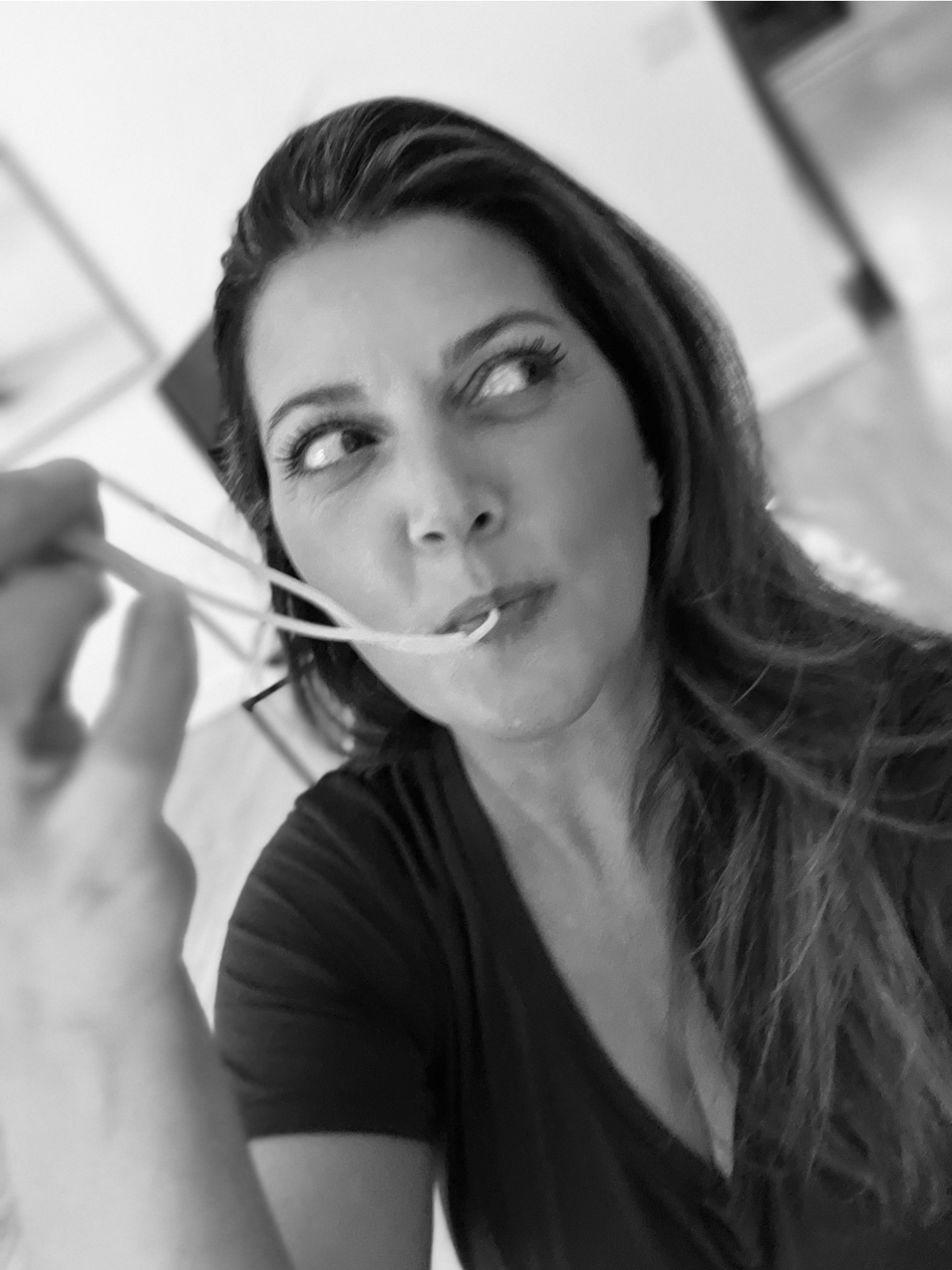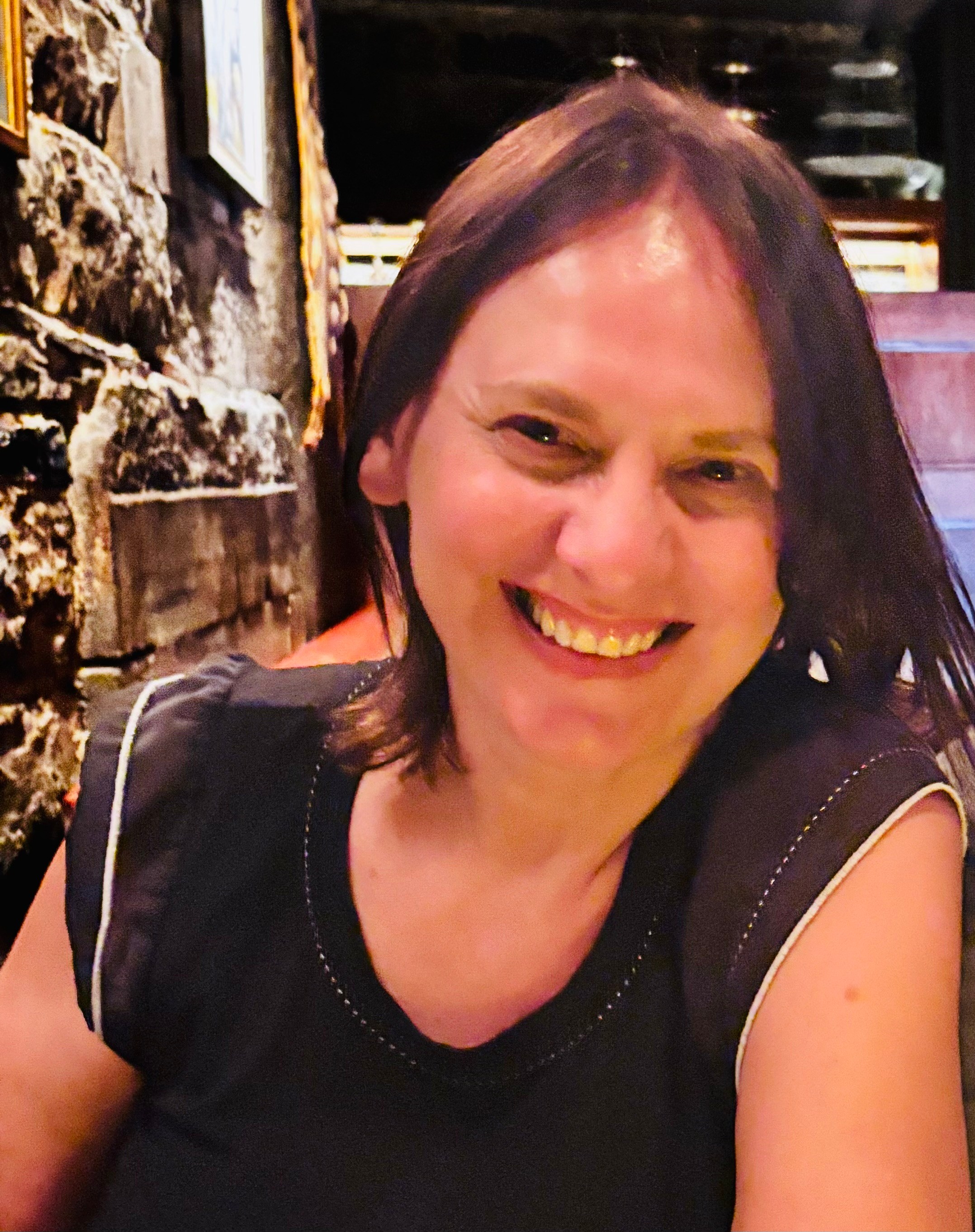

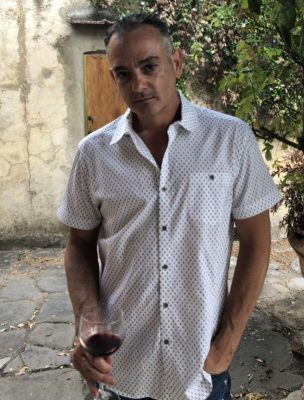
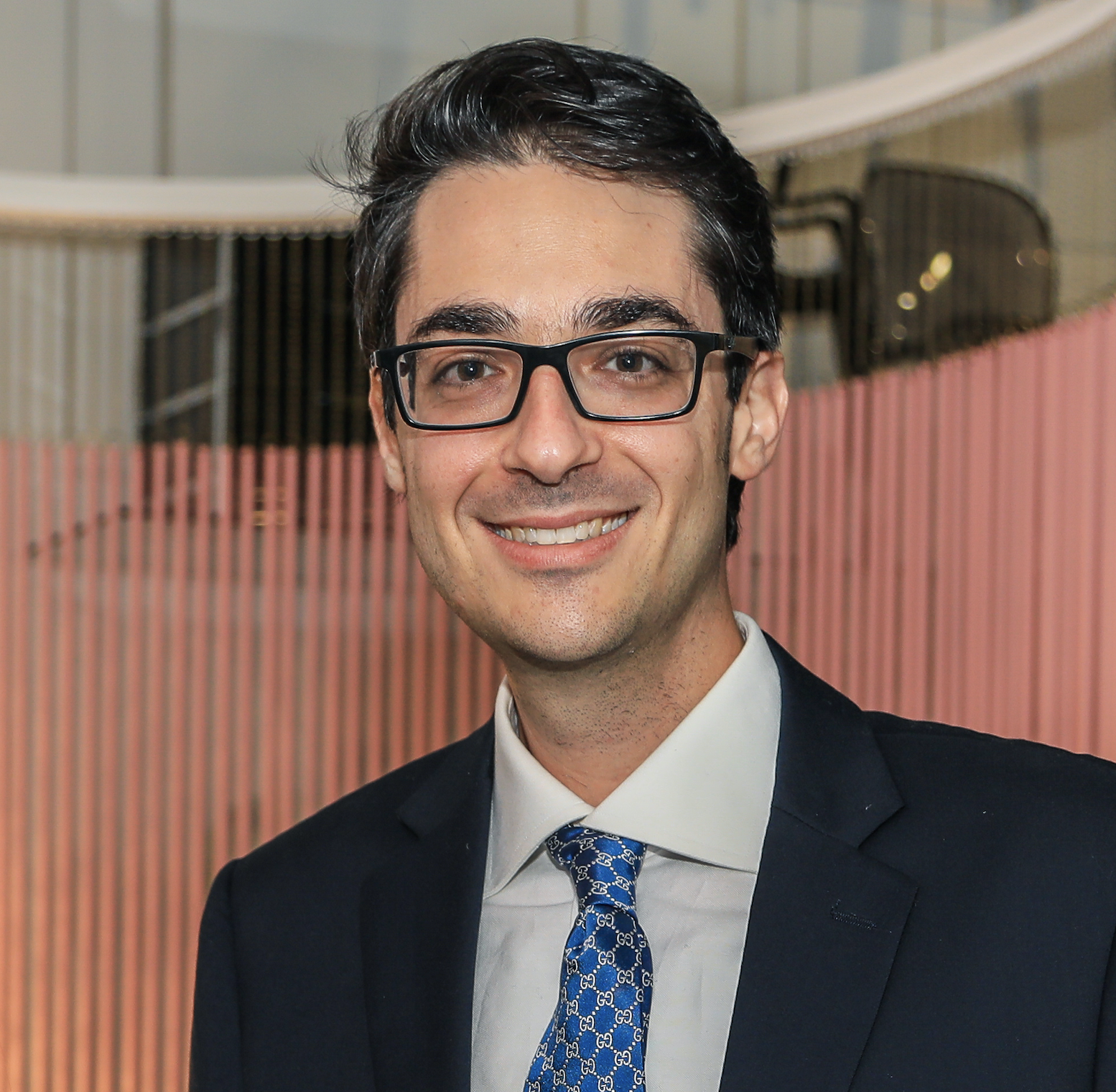
Robert Campana holds a Bachelor’s degree in Education and is a certified Italian and Spanish high school teacher. In 2020, he earned a Master’s in International Business from the Cattolica University of Milan, where he completed a research project on the economic impact of Italian sounding cheeses in the U.S.
This project inspired him to start Stop Italian Sounding whose mission is to educate consumers on how to recognize authentic Italian products versus “Italian sounding” ones through storytelling and by highlighting the added value that genuine Italian products offer. In fact, “Stop Italian Sounding” can be understood as “Stop, let me check if it’s Italian sounding.”
We at Appetito are thrilled to interview Robert as part of our "Positive Influencers" series.
Where did you grow up?
I grew up in Marlton, New Jersey (southern New Jersey).
What is your familial or cultural connection to Italy?
My connection to Italy is through both parents. My great grandparents on my dad’s side were born in Italy and my grandparents on my mom’s side were born in Italy (Molise). In fact, I still have family in Italy and visit them often. I also have dual citizenship which allows me to easily travel and stay in Italy, along with deepening my connection and participation in Italy as a citizen.
How and when did you first fall in love with Italian cuisine?
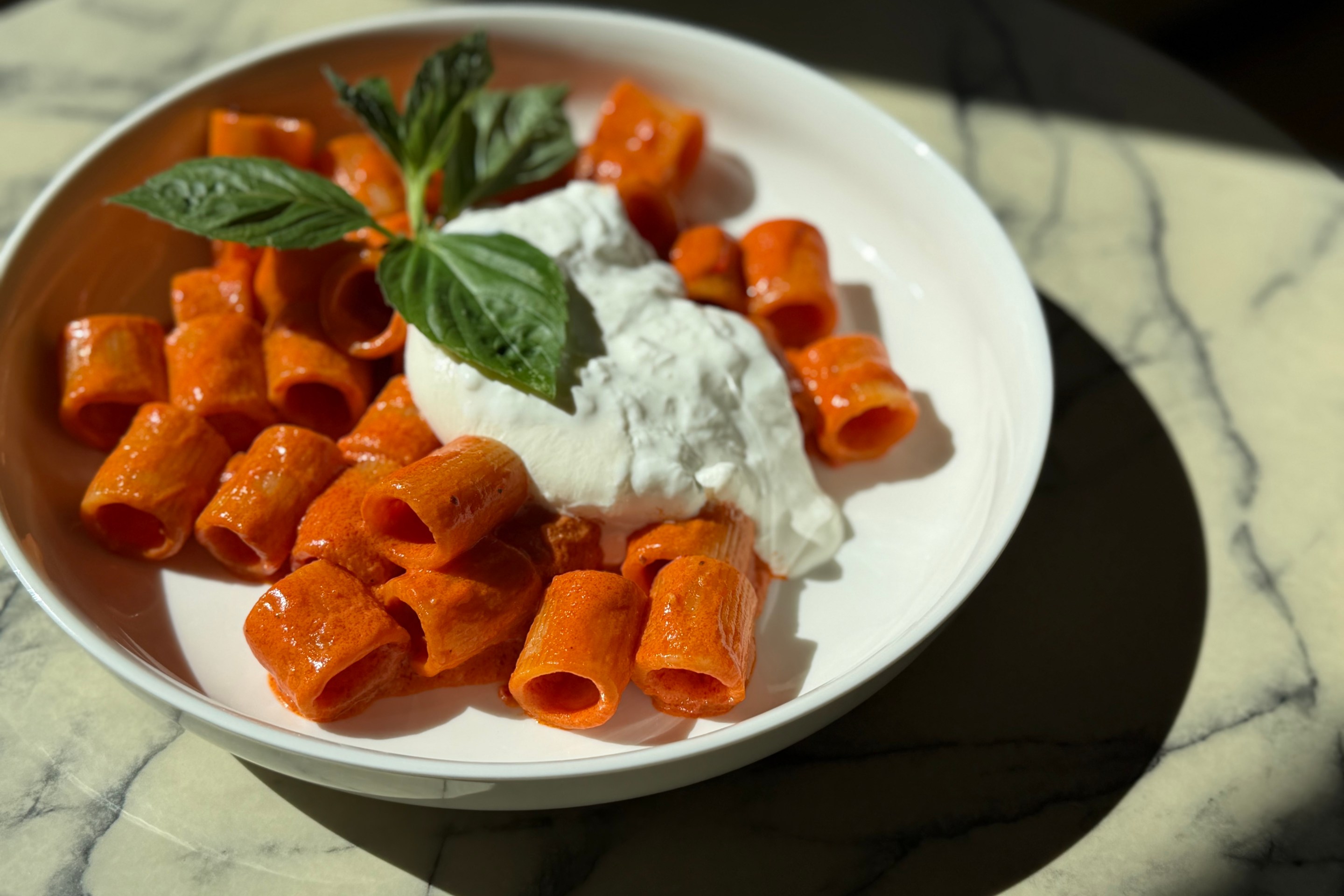
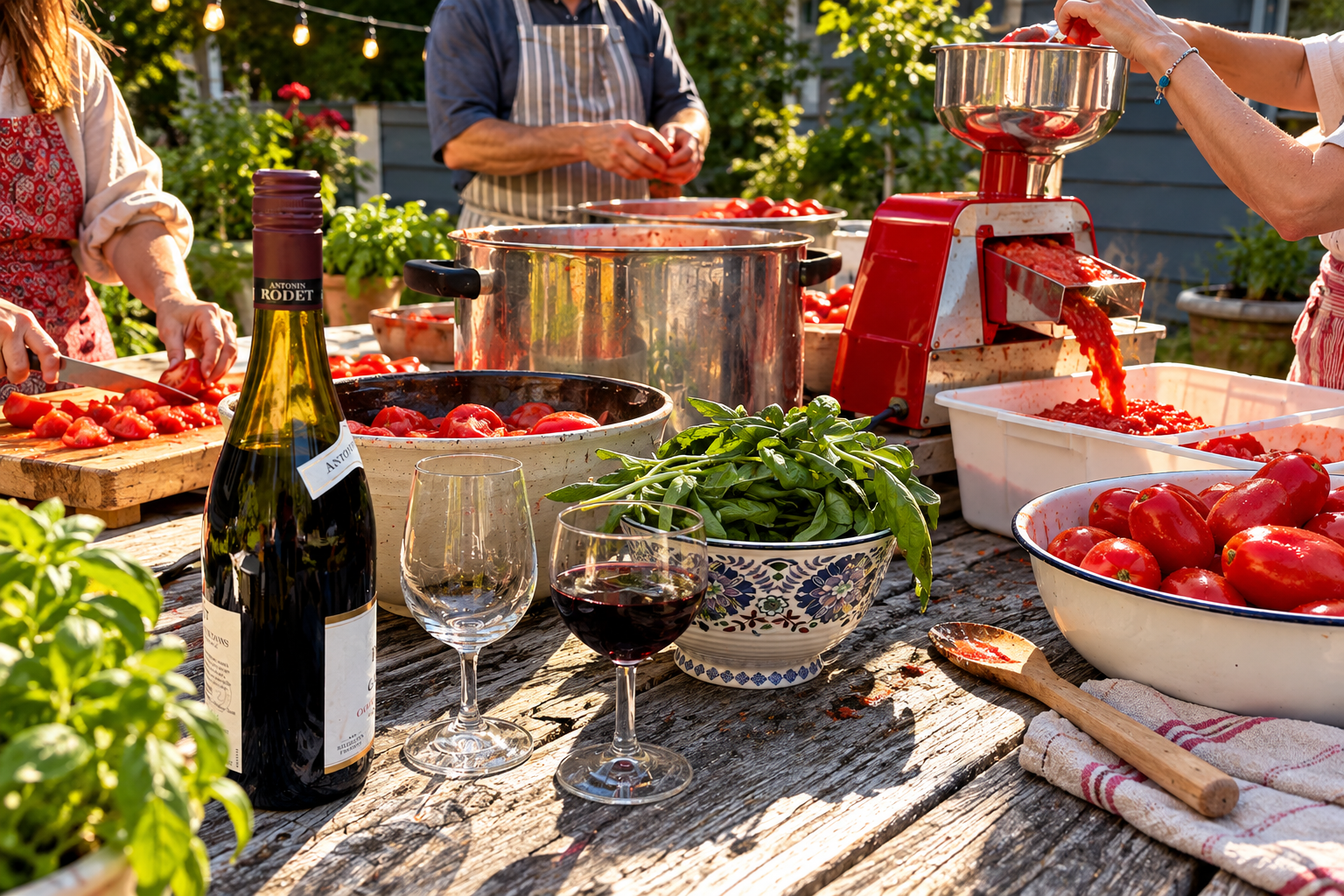
I first fell in love with Italian cuisine at a young age as my mom always cooked and we would always sit at the table together as a family of five and enjoy delicious meals. Growing up, I never liked to eat out or at other people’s houses (except for nonna’s house) because I knew I wouldn’t enjoy it as much. This is specifically when the seed was planted and from there as I traveled to Italy, I began to learn about all of the different regional specialties and began to develop a deep appreciation for them.
When and why did you decide to focus on Italian food via social media?
I decided to focus on Italian food on social media around 2020. Stop Italian Sounding was a project that was born after I had completed a Master in International Business at the Cattolica University of Milan, Italy (2019/2020). I developed a research project about five Italian sounding cheeses in the US and their economic impact on the Italian economy. Upon my return to the US, I was in the parking lot of a supermarket, I decided to open an Instagram page called Stop Italian Sounding and post about how to recognize authentic Italian products in the US. Initially, this was just supposed to be for fun, but the page quickly started to grow, and now I create content on a regular basis. This project has led me to partner with many Italian food companies and consortia including Parmigiano Reggiano, IGOR Gorgonzola, Bono Sicilian Extra Virgin Olive Oil, and Balsamic Vinegar of Modena (just to name a few). Furthermore, because of Stop Italian Sounding, I am a regular contributor on the show Paparazzi which airs on Rai Italia.
How do you find the social media experience overall (pros / cons)?
Overall, creating content on social media has its pros and cons. Some pros include the fact that I can express my passion (food) and share it with like minded people. Also, another pro has been working with iconic Italian food brands which have led me to travel many times to Italy and tell the stories of these incredible Italian food products. A con could be that creator burnout hits me every once in a while and at times I am at a standstill when it comes to video ideas. Other than that, I cannot identify other cons.
What’s the image you want to project?
The image I want to project is an authentic one in the sense that I want people to know who I really am, and sense my love not only for Italian food but also the Italian culture in general. Furthermore, I want people to perceive me as the industry leader when it comes to educating about real vs Italian sounding (imitations) food products. After all, that is my exact mission.
Where do you hope your social media status will lead?
I hope that my social media status will lead to bigger projects that include partnering more Italian food brands/consortia, with Italian institutions, and perhaps bringing Italian food education into schools in the US.
Follow Robert on Instagram.