

In Italian, food is rarely just food. It organizes time, relationships, and expectations. This column explores Italian sayings and proverbs as ways of thinking shaped at the table.
These expressions preserve that knowledge in compact form. Read literally, they speak about eating. Read more closely, they offer insight into how experience, pleasure, and social life are understood.
The aim is simple: to treat language as another ingredient—handled with care, tasted slowly, and shared. No prior appetite required. It tends to arrive along the way.
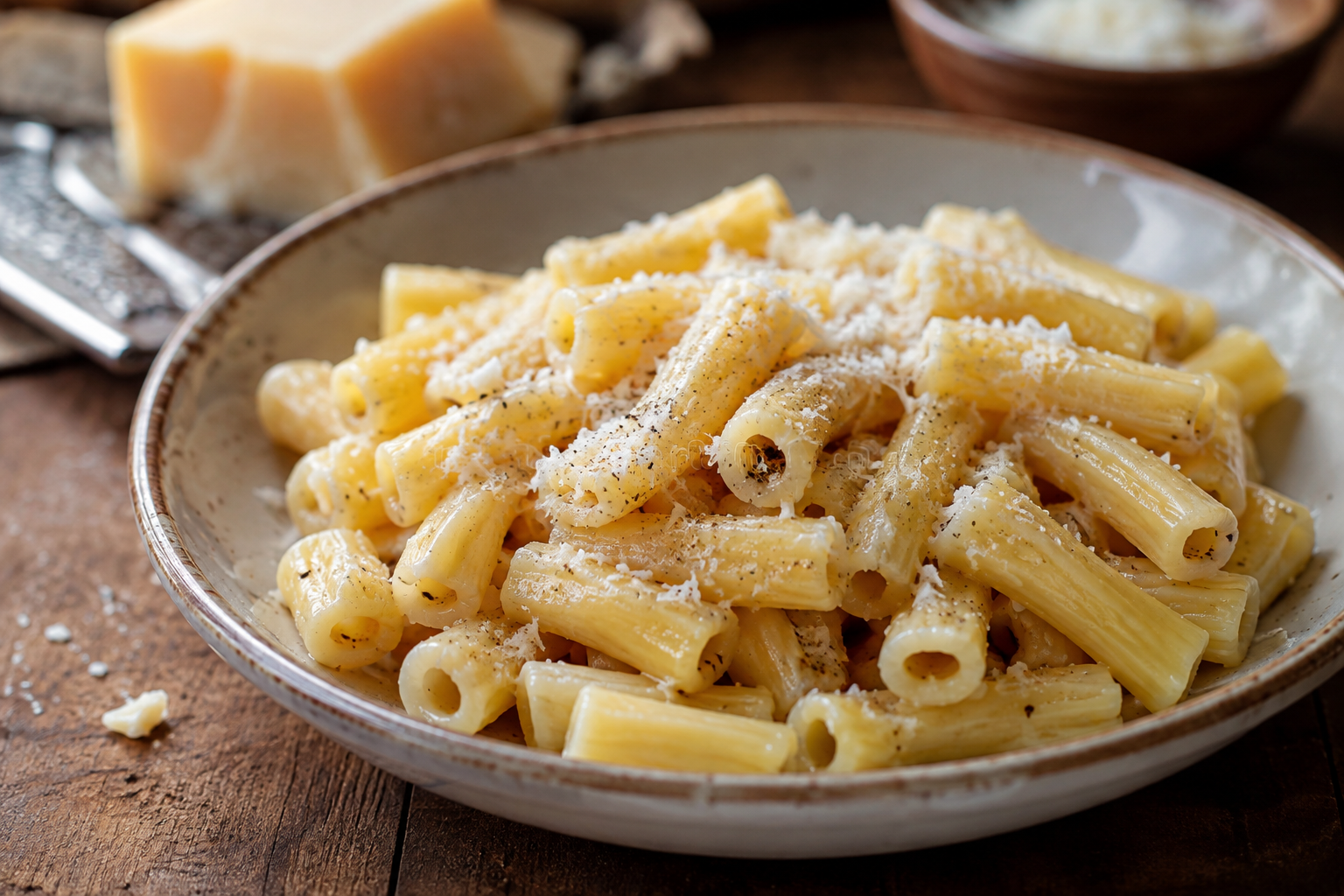
Literal translation: To fit like cheese on macaroni
Meaning: Something that fits so naturally into a situation that nothing else seems more appropriate
Some things simply belong together.
Italian cooking has long been built on this kind of harmony. Ingredients are valued not only for their individual qualities but for the way they bring out the best in one another. That instinct extends far beyond recipes. It reflects a broader appreciation for combinations in which each element strengthens the other rather than competing for attention.
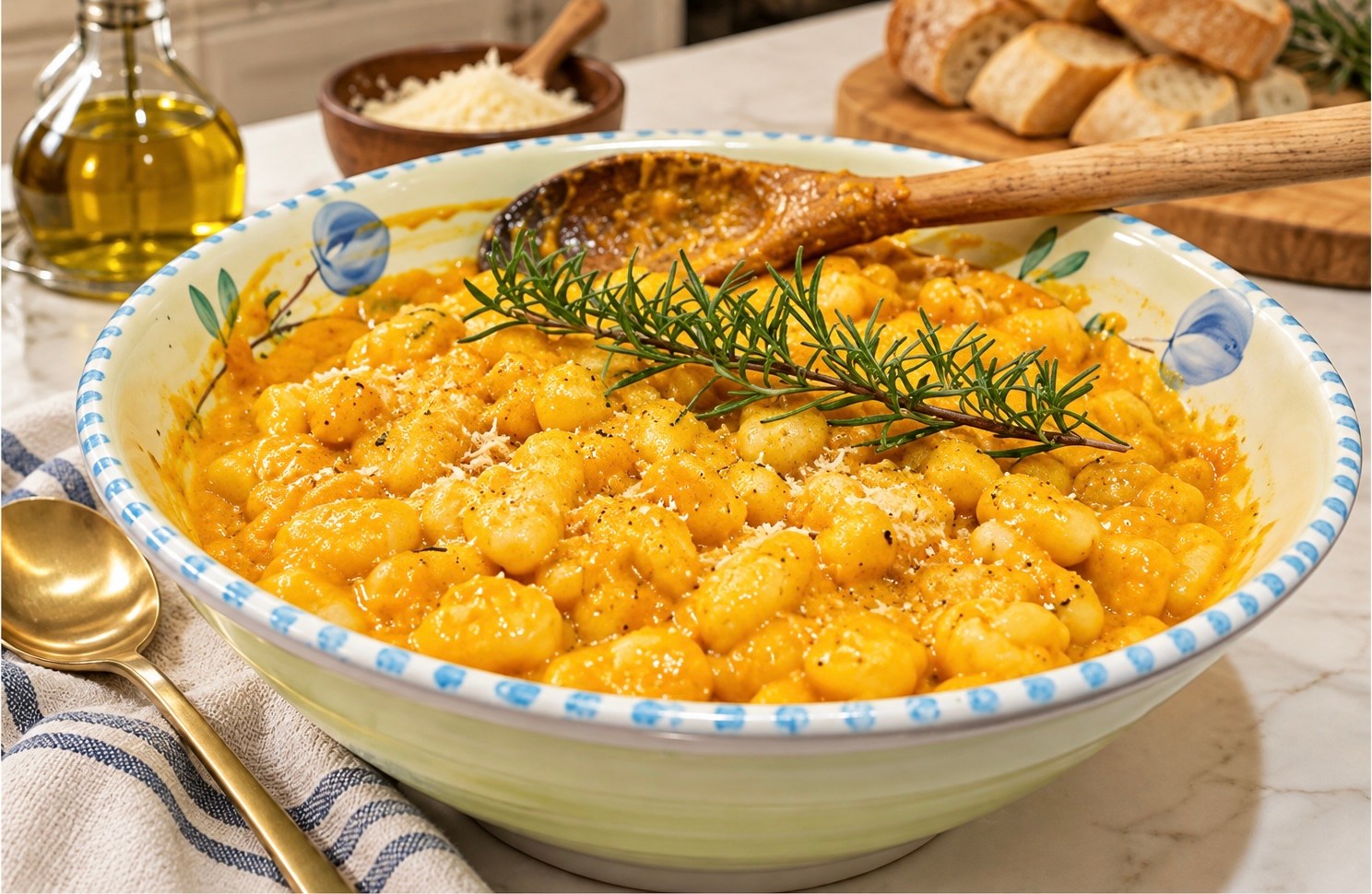
Few pairings embody this instinct better than pasta and grated cacio, the traditional Italian word for cheese still common in many parts of Italy. Even after tomato sauce became one of pasta's defining companions, cheese never lost its place. It remains the finishing touch that brings the dish together. Familiar, reliable, and endlessly adaptable, it has remained a fixture of the Italian table for generations.
It was only natural that this enduring combination eventually became a metaphor. The pairing gradually found its way into everyday speech, where it still describes those moments when everything seems so naturally matched that the result feels almost inevitable. The right color for a room. A scarf that somehow brings an outfit together. A Barolo that seems made for braised beef. Italians don't overthink it. They simply shrug, smile, and say: Ci sta come il cacio sui maccheroni.
Want to be the first to know about Italian food events, restaurant openings and culinary travel? Subscribe to the Appetito weekly newsletter.
At first glance, the expression may bring "macaroni and cheese" to mind. Yet the resemblance ends there. In the English-speaking world, the combination remained a recipe. In Italy, it became a way of describing the world. The difference becomes even clearer when we look at its closest idiomatic counterpart.
Whereas "the icing on the cake" suggests an appealing extra, ci sta come il cacio sui maccheroni describes something that feels inherently right. It is less about adding than about fitting. Whether describing a thoughtful design choice, a perfect outfit, a successful partnership, or an inspired wine pairing, the saying expresses the same quiet certainty: everything has fallen perfectly into place.
The idiom is older than many realize. In the mid-fourteenth century, Boccaccio's Decameron imagined the fabulous land of Bengodi crowned by a mountain of grated Parmigiano, down whose slopes «maccheroni e raviuoli» tumbled without end. The saying itself may not yet have existed in recorded form, but the association between pasta and cheese was already deeply rooted in the Italian imagination. By the late sixteenth century, the philosopher Giordano Bruno was already citing come il cacio sui maccheroni, confirming that the proverb had by then become an established idiom.
More than five centuries later, the comparison has lost none of its appeal. Italians still reach for it whenever something feels so ideally suited to its place that no explanation seems necessary. In a culture that has always appreciated balance as much as brilliance, there is perhaps no higher compliment than to say that something simply feels right.
Some things don't simply improve a situation.
Like cacio on macaroni, they complete it.