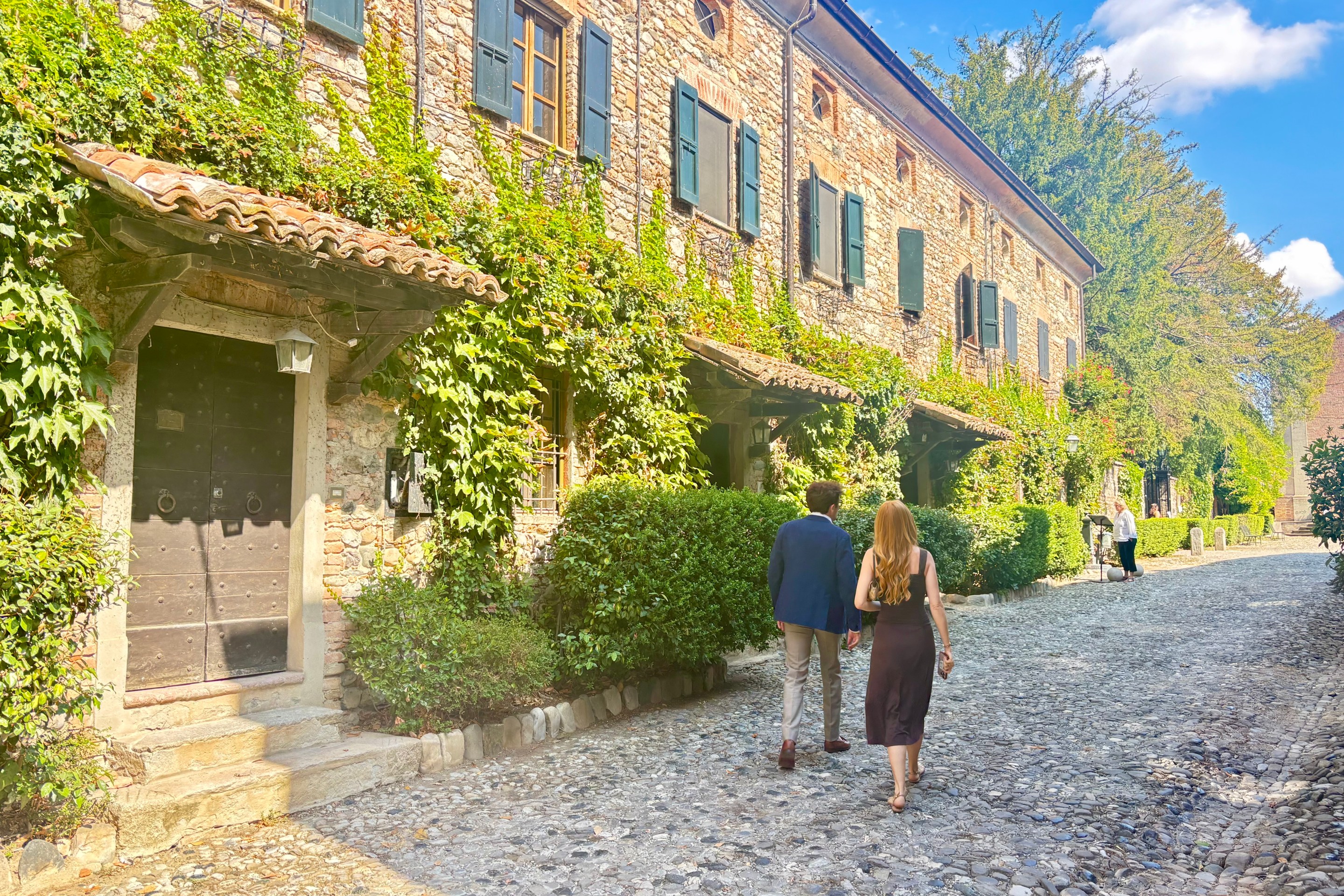


We were on our way to Modica, Sicily, The City of Chocolate. It was a day trip indulging in the famous Modica chocolate, its makers, flavors, and history.
The train from Pozzallo to Modica arrived late. Then we were stopped for 90 minutes while a broken track was repaired. We arrived in Modica just at riposo—the traditional Italian midday break and afternoon rest.
The entire village was closed until 4 p.m. As if that wasn’t bad enough, it started to rain. Not a hard rain, just a fine steady mist. We began to look for shelter.
At the same time, Giorgio and Maria were locking up their chocolate and bakery shop for their afternoon riposo. They spotted the three of us, lingering, damp, and empty-handed. Instead of leaving us to stand in the rain, they opened the doors to Pasticceria Gelateria Frisbi and eagerly invited us inside. When we told them our story of arriving too late, they spent their private rest hours with us, sharing the history, texture, and soul of their craft. It was 60 minutes of delight.
The Aztec connection
The Spanish brought chocolate-making traditions to Sicily after cacao arrived in Europe from the Americas. Modica developed its own distinctive way of making chocolate, influenced by those earlier Mesoamerican traditions.
What is Modica chocolate?
Chocolate produced in Modica, Sicily, uses a cold-working method that skips the conching process. This method maintains the sugar crystals, resulting in a grainy texture. Ordinary chocolate undergoes conching (continuous stirring and heating), which melts the sugar and creates a smooth, creamy texture.
Love discovering Italy one bite at a time? Subscribe to the free Appetito newsletter for the latest restaurant openings and Italian travel news.
How does Modica chocolate taste?
Once inside with Giorgio and Maria, we began the most animated tasting we’ve experienced. Giorgio began with plain chocolate, no flavorings or additions. It was pure, bold cocoa: dark, raw and intensely aromatic. It has a gritty (but pleasant) texture that takes time to melt on your tongue.
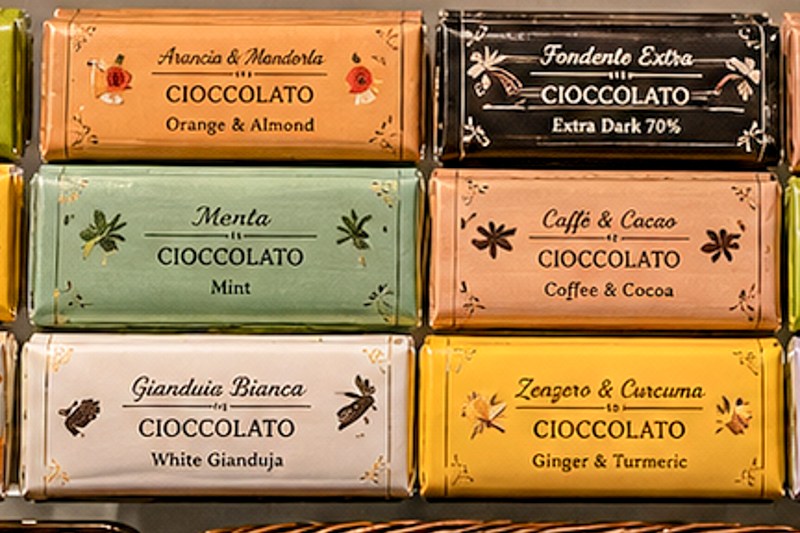
Then the parade of flavor samples began. We tasted chocolate with nuts, fruit, liqueurs, chili, and even ginger. We tried turmeric, coffee, gianduja (the original Nutella), and many more.
Our stack of bars of different flavors was growing on the counter. Then Maria began offering samples of the lovely cookies in the baker’s case. We bought one of every kind. The tarts and pies were offered, but we were getting full.
With a shell-shaped, chocolate-dipped cookie in one hand and a chocolate-dipped slice of candied lemon in the other, Giorgio offered us a small cup of his limoncello. It was unforgettable. It was like biting a fresh sweet lemon—with a kick. Then came other digestifs made from fennel (Mary’s favorite), mint, orange, plum, and other fruits. Our pile of purchases grew.
Our train back to Pozzallo was arriving shortly, and we had to end our Modica chocolate experience all too soon.
The spirit of ospitalità
Our chocolate tasting was an experience we’ll recall again and again, but it wasn’t the Modica chocolate that touched our hearts. With a simple act of kindness during the afternoon rest, Giorgio and Maria did much more than rescue three Americans from the rain. They did more than introduce us to Modica chocolate; they showed us Sicily’s deep, welcoming culture—ospitalità.
Our wonderful and talented hosts
Giorgio and Maria Frisbi make chocolate and cookies you will remember always. Pasticceria Gelateria Frisbi, their shop and kitchen, is a small artisanal sweet shop in Modica, Sicily. It is known for handmade traditional Modica chocolate, uniquely flavored bars, fresh pastries, and artisanal granita. It’s also the perfect place for a chocolate drink, hot or cold.
Modica is more than chocolate shops
Modica, Sicily is a UNESCO World Heritage Site listed as one of eight Late Baroque Towns of the Val di Noto. While Modica chocolate is reason enough to visit, this mesmerizing hill town is filled with history, art, incredible architecture, and Sicilian food you’re unlikely to find anywhere else. For example, mpanatigghi, a small, crescent-shaped cookie with a filling of minced beef, chocolate, sugar, almonds, lemon peel, and spices. Or granita incappucciata, a local breakfast dish with a warm cup of milk poured over a coffee or lemon granita.
Go for the chocolate, stay for:
The Chocolate Museum — Learn all about chocolate
Church of San Giorgio — Incredible views and Baroque interior
Cava d’Ispica — Natural and archaeological site
Weekly farmers’ market —Shop for local cheese, wine, fruit and vegetables (ask for the location because it moves weekly.)
Why travel to Modica, Sicily for Modica chocolate?
In Modica, you can indulge in cold-processed chocolate that’s inspired by Aztec traditions. You can explore this beautiful Baroque hill town, which is divided across a remarkable two-level gorge.
The historic village, delectable chocolate, and ospitalità of Modica will leave a lasting memory in your heart.
Love discovering Italy one bite at a time? Subscribe to the free Appetito newsletter for the latest restaurant openings, Italian travel news and favorite recipes.