
Some places make an impression. Others have a way of changing the plans.
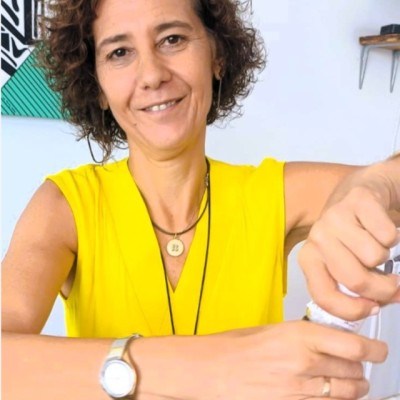
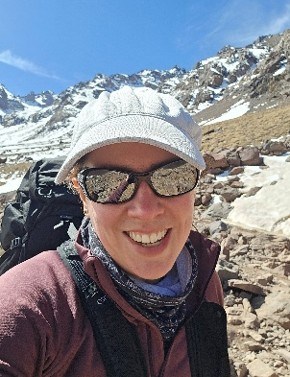
For California teacher Kat Ruiz Moore, Sicily was the latter. What began as a long-awaited trip to an island she had always felt drawn to gradually became something far more permanent in her life.
Moore still teaches early childhood education in California, but Sicily has become the place she returns to whenever time allows. Along the way, what started as a fascination with the island has grown into Wavehappy, where she shares the evolving story of her connection to Sicily.
Wavehappy began on social media and has since expanded into a website chronicling Moore’s experiences on the island. She shares the beautiful moments alongside the complications, surprises and occasional uncertainty that come with becoming more than a visitor.
What first brought you to Sicily, and when did you realize you wanted it to become a bigger part of your life?
I had already visited much of mainland Italy, but I had always felt a particular pull toward Sicily. When we finally went, I knew from our very first day that it was different and special.
Then we visited Ortigia, and that was it for me. Ortigia has a kind of magic that is difficult to explain until you experience it. It’s in the light, the sea, the layers of history, and the feeling that something unexpected might be waiting around every corner.
I told my husband, Tim, that one day we were going to buy a house there. He thought I was completely crazy, which was fair considering we had only just arrived. But I felt certain.
Why did Ortigia capture you enough to buy a home there?
Ortigia feels like a place that is both small and infinite at the same time. You can walk across it in minutes, but every corner feels like it holds a different century, a different story, a different rhythm of life.
There’s history everywhere, but it’s not frozen. It’s alive. People are hanging laundry, kids are playing in the piazzas, neighbors are calling out from balconies, and life is just happening inside all of it without trying to perform anything.
What captured me wasn’t just how beautiful it is, it was that it isn’t preserved like a museum. It’s lived in. Real life is happening inside all that beauty, and that combination is what made me want to be there, not just visit it.
Craving more Sicily? Explore more of our stories from the island.
You still teach in California and split your time between California and Sicily. What does that life actually look like?
It’s a lot less glamorous than it sounds! During the school year, I’m in California teaching early childhood education, which I love deeply. Then, whenever I can, I go back to Sicily. School breaks, summers, any stretch of time I can carve out.
And in between those two worlds is a lot of logistics. Long flights, time zones, WhatsApp messages at all hours, and trying to make decisions about a renovation while sitting in a classroom or on a playground.
The two lives are very different, but I don’t experience them as separate identities. Teaching keeps me rooted in purpose. Sicily pulls me back into presence. Into slowing down, noticing more, and remembering what actually matters.
Moore sat down with Appetito to discuss her love of Sicily and how her relationship with the island has evolved.
What did you imagine renovating a home in Sicily would be like, and what turned out to be completely different?
I knew it would be complicated, but knowing something intellectually and living it are very different experiences. I imagined the renovation as a fairly linear process: make a plan, choose materials, complete the work. In reality, it was much more fluid.
Timelines changed, solutions were often found in real time, and many decisions depended on conversations and relationships rather than a neatly organized system. I had to become more flexible without becoming passive.
Was there a moment when you wondered what you had gotten yourself into?
Oh, many! There is something uniquely humbling about making expensive, permanent decisions from another continent over WhatsApp, often with very little context and a lot of urgency. And in another language!
There were definitely moments where I thought, “What am I doing?” especially when I couldn’t physically be there and still had to make decisions quickly, trusting that what I was imagining would translate correctly on the other side.
Planning fall travel? Discover more of our favorite destinations in Italy and beyond.
How did you begin forming relationships in Ortigia rather than simply feeling like someone who spends part of the year there?
By showing up again and again, not in a big or intentional way, just through repetition. Going to the same places, seeing the same faces, learning names slowly, asking questions, accepting help, making mistakes, and trying again.
And also by not trying to rush belonging. I think real connection happens when you stop trying to “fit in” and instead just participate.
How has Sicily changed the way you shop for, prepare and think about food?
It’s made me slow down in a way I didn’t expect. I start with what’s in season instead of starting with a recipe, and I think more about where things come from rather than how complicated I can make them.
Food feels more connected to place now, to the land, to the people, to the moment you’re in. It’s less about planning and more about responding to what’s actually available and alive in that moment. Even something as simple as going to the market feels like part of the experience, not just a task to complete.
What Sicilian ingredient has become a regular part of the way you cook?
Olive oil. But not in the way I used to think of it, just as something you cook with. In Sicily, I started to understand it as something with personality, history, and depth, something that carries the land with it.
And now that we have our own olive grove, that connection feels even more personal. I’m still learning, but I’ll never see olive oil the same way again.
Is there a food ritual in Sicily that you particularly look forward to when you return?
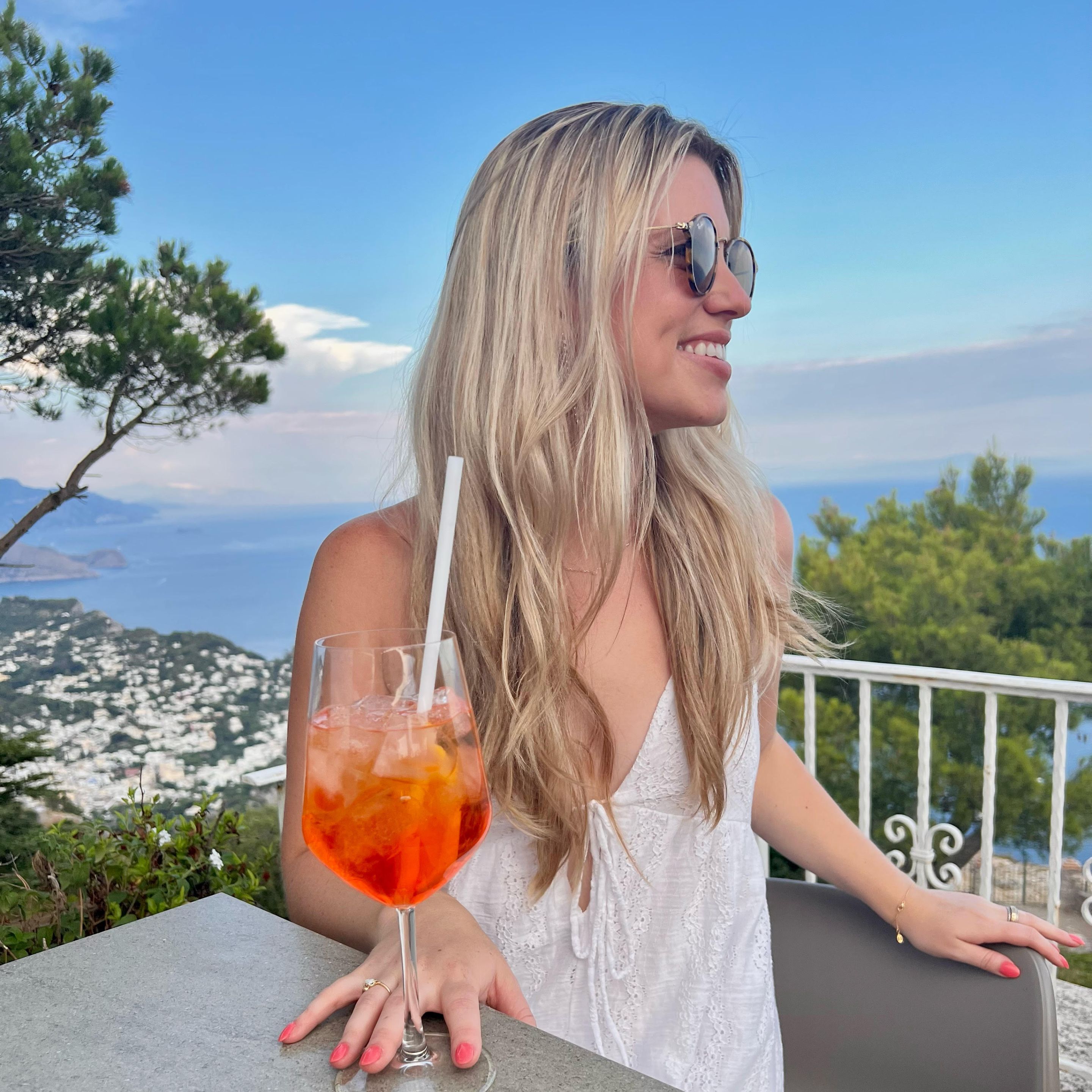
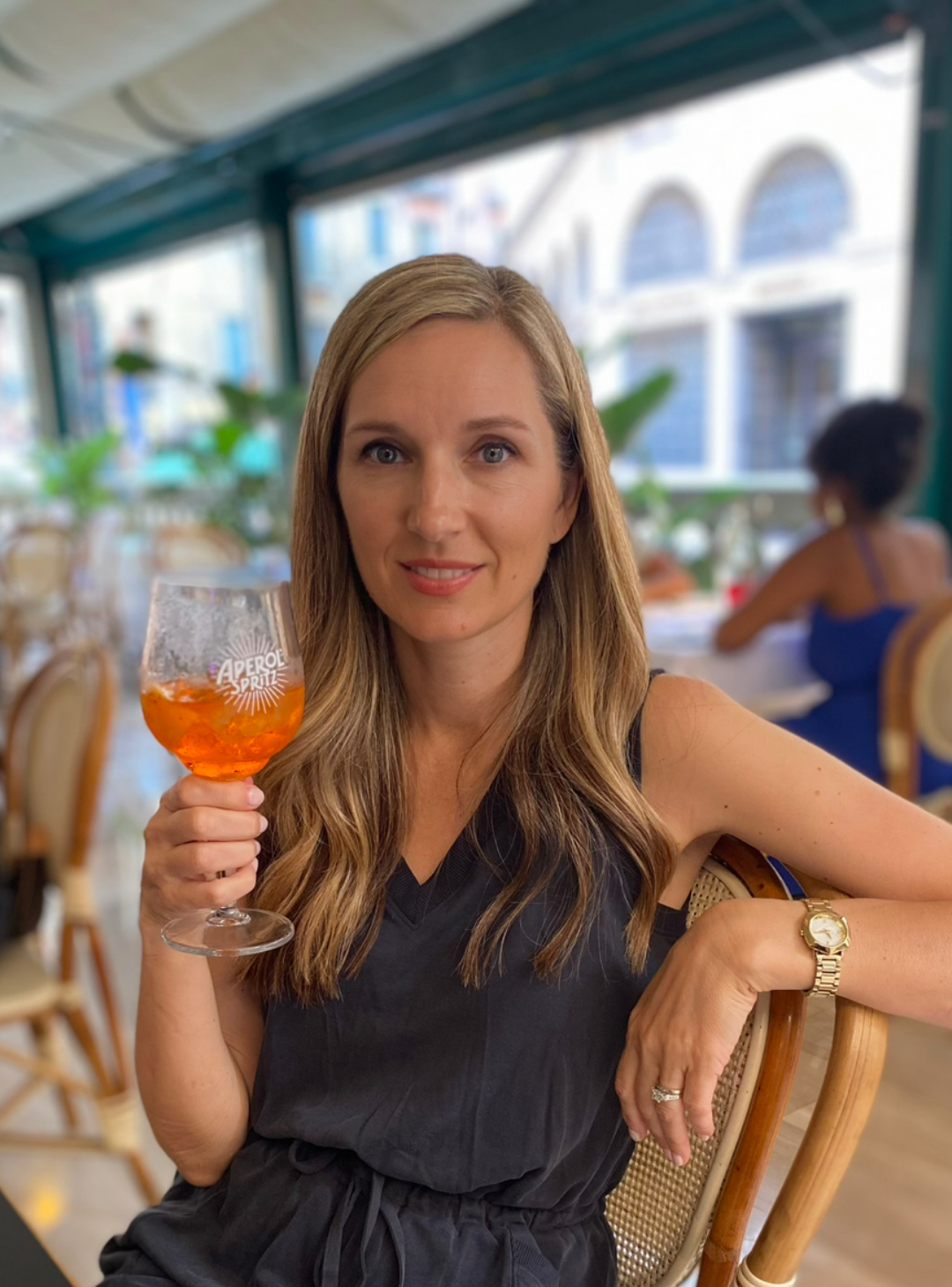
Aperitivo, always. Not because of what you’re eating or drinking, but because of what it creates: a pause. A moment where the day slows down and you’re not rushing into the next thing, where conversation stretches and time feels less structured.
And coffee at the bar in the morning. It’s quick, but it’s also connective. You stop, you greet people, you’re part of something for just a few minutes before the day moves on again.
How did the olive grove near Noto become part of your Sicily story?
After Ortigia we started thinking about Sicily in a different way. Ortigia gave us the city, the sea, the community. The land near Noto gave us something else: space, agriculture, and a completely different relationship with time.
It’s sixteen acres of olive trees, an old farmhouse, views of the sea, and Mount Etna in the distance. It felt like a new chapter opening.
Ortigia taught us how to live in Sicily. The grove is teaching us how to care for it.
What are you hoping to eventually do with the grove?
Mostly, I want to learn. I’m very aware that I’m stepping into something with generations of knowledge behind it, and I don’t take that lightly.
We hope to produce olive oil one day, but more than anything, I want the land to guide us, not the other way around. I want to understand it properly before trying to shape it too much.
Your mother was Cuban. Have you found any unexpected connections between the culture you grew up with and Sicily?
One of the things I did not expect was how often Sicily would remind me of the culture I grew up with. Sicily and Cuba are very different places, but there are parallels in the warmth of the people, the importance of family, and especially the way food functions as a language of love and care.
In both cultures, food is rarely just about feeding someone. It’s how you welcome people, celebrate them, comfort them, and make sure they know they belong. Meals are meant to be shared, recipes are passed down through families and often made by instinct, and coffee creates a reason to pause and connect. The table is not simply where you eat. It is where stories are told, relationships are maintained, and life happens.
That familiarity is part of why Sicily felt like home so quickly. I was discovering a new culture while also recognizing customs, values, and ways of gathering that felt deeply connected to my own history. Unexpectedly, Sicily has also brought me closer to where I came from.
What would you want someone who has fallen in love with Sicily and is considering buying a home there to understand first?
That loving Sicily and owning a home in Sicily are two very different things. A home here comes with complexity, legal systems, renovation realities, unexpected costs, and a lot of things you can’t fully anticipate until you’re in it.
You need patience, a good local team, and a willingness to stay open when things don’t go the way you imagined. Flexibility isn’t optional, it’s essential.
And most of all, you have to love Sicily as it actually is, not just the version you fall in love with on vacation.
Love discovering Italy one bite at a time? Subscribe to the free Appetito newsletter for the latest in food, travel, recipes, and Italian culture stories.