
When Luca Scaglia entered Copenhagen’s food scene with the idea of sharing his grandmother’s focaccia barese recipe, customers were familiar with pizza and pasta, but less familiar with his regional specialty. So, he sprinkled a dash of innovation into his grandmother’s recipe, paving the way for his success in the Danish capital.
This year, La Posata participated in the Copenhagen Cooking Festival, which sparked my curiosity and prompted a visit to its downtown.
I didn’t immediately understand the charm of that tiny street terrace, but the warmth of the place and Luca’s welcome won me over. The focaccia did the rest, and before we knew it, we were already planning our next visit.
During our chat at La Posata 2, Luca explained how a tribute to his Puglian grandmother’s recipe evolved into a way to strengthen cultural bridges, challenge local palates and stir interest about Italy’s lesser-known culinary traditions in northern Europe.
Editor’s note: This interview has been edited for clarity and length.
You didn’t open a restaurant with a standard menu; you opened one based on focaccia. Why?
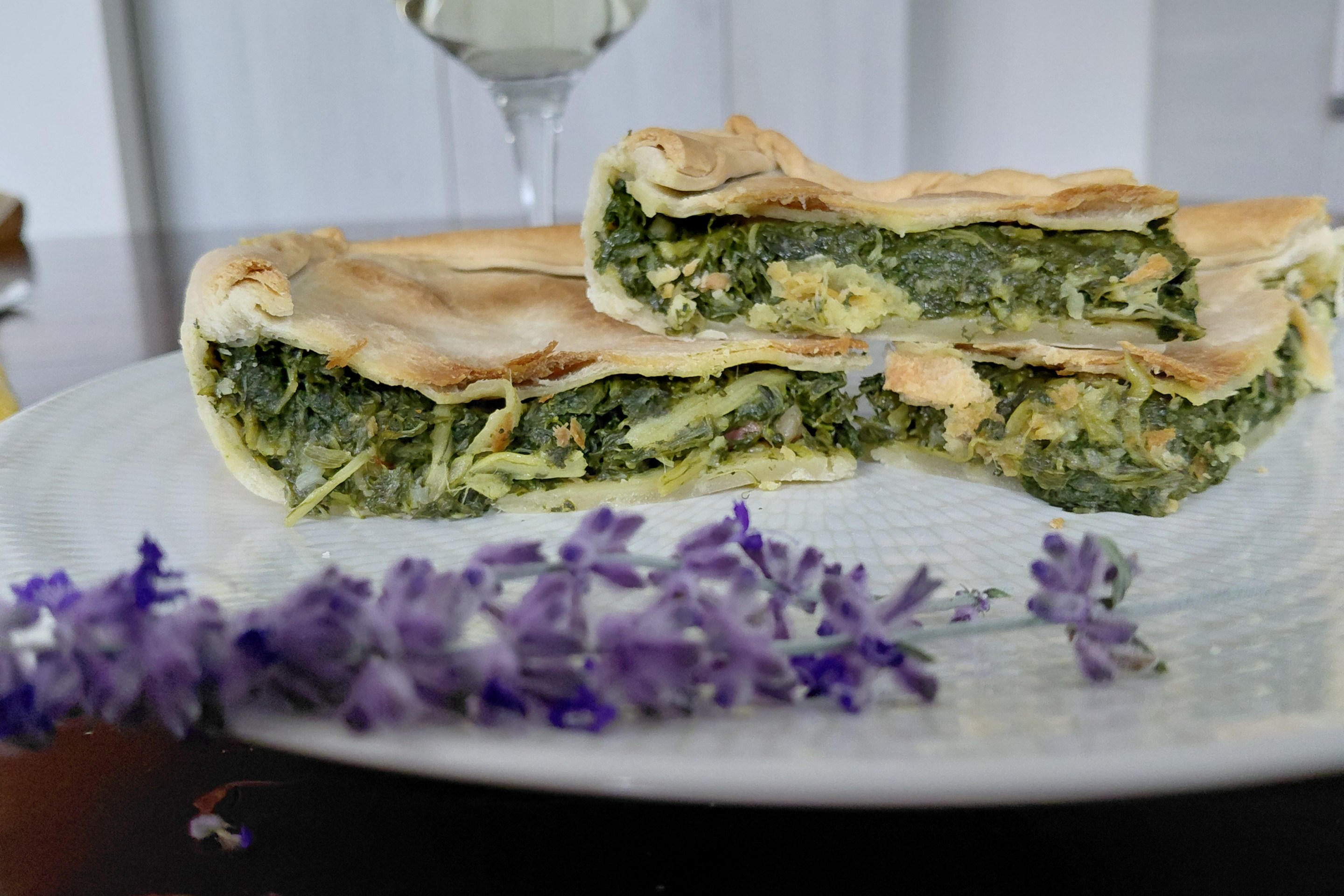
It was my nonna, my grandmother, who is my culinary muse, who inspired me. Since I was a bambino, she cooked for me, and I learned from her. She is very passionate about cooking, and because she is from Bari, in Puglia, the heel of Italy, she used to make focaccia barese, which is a high focaccia with tomato sauce on top, a bit like a pizza. I used to watch her make the bread, and I wanted to follow that tradition. So, when I came here, I wanted to make this focaccia.
Weren’t you afraid of opening a restaurant based on only one product? If the focaccia had failed, the whole project would collapse. Was La Posata an immediate success?
Yes, and no. I think it’s important to focus on one thing, do it the correct way and try to be the best at it. Sometimes less is more, and when you do less, you may become better and bigger. When you do too many things, you end up doing a bit of everything but nothing well.
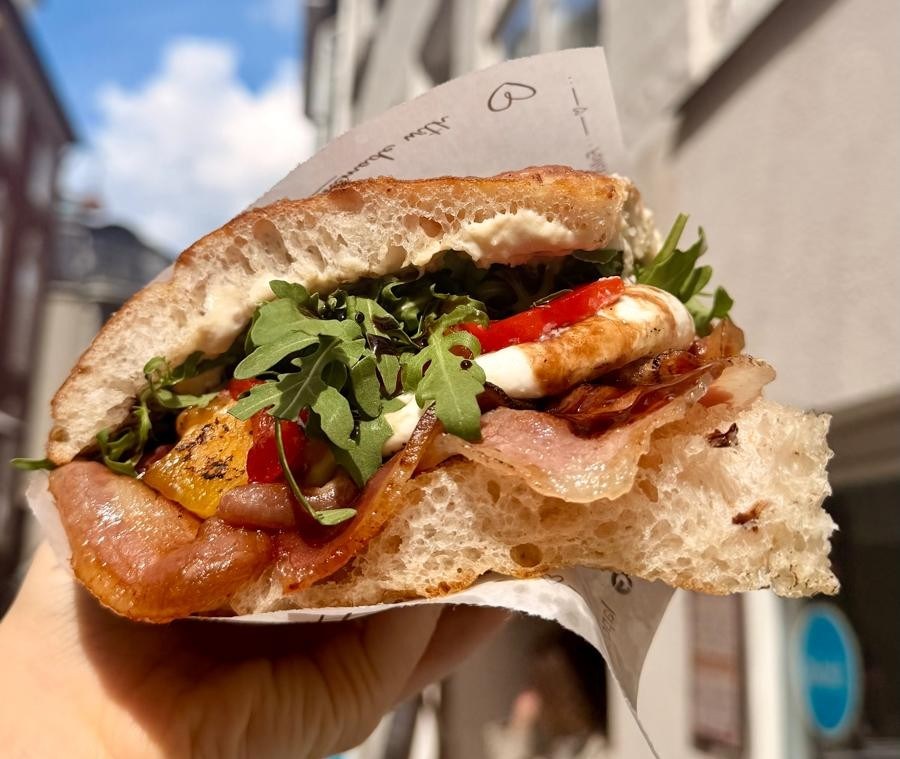
Still, the project wasn’t an immediate success. People knew pizza, not Barese focaccia, and they didn’t understand the concept immediately. So, I thought that making it look like a good panino, a good sandwich, would be easier. Today, our focaccia looks more like a schiacciata, the Tuscan version of focaccia, a bit thinner and crispier, made for sandwiches. But when we keep doing things seriamente and consistently, and people start to feel our passion and commitment, they come back day after day, and slowly, we get there.
Want to be the first to know about Italian food events, restaurant openings and culinary travel? Subscribe to the Appetito weekly newsletter.
Did living abroad help you connect with Danish customers and develop your concept?
Yeah. I do believe so.
Laura Wuilay, marketing manager at La Posata, adds: Yes, I think it shows in the way you connect with people. The first La Posata in Indre By, in the city centre, is very touristy, and you connected easily with everyone because you've traveled a lot and are open-minded.
Are your clients mostly local or tourists?
Our clients are mostly local. Downtown, because we are in a very touristy area, we have many foreigners, but still mainly locals; in Frederiksberg, almost only locals.
How has the market evolved since you opened, and where do you foresee La Posata going?
When I arrived, people were a bit more reserved about the sort of food they liked, and there was a knowledge gap about some foods. For example, clients didn’t know about artichokes, and we had to teach them. But the Copenhagen food scene has evolved a lot, and people are getting more familiar with international food culture.
I stick to mixing tradition with evolution. I keep the traditional recipe from my nonna, while I try to make it a bit younger, more fun, and easier to reach so that everyone can try it—not just a niche.
My mission is really to open people's minds to Italian food. They usually know pizza, pasta, and the usual stuff, but in Italy there’s so much more to know. Each region with its own traditions—that it really deserves to open people's eyes to other kinds of food.
You've introducing a pasta day. Does that mean you are creating a new concept and intend to diversify further?
No, I’ll stick mainly to focaccia. Pasta comes because I love making it, and it brings people together. It’s also an option for people who don’t eat bread, or for children or older adults who can’t eat a sandwich, but mainly it brings people together. Restaurants and food are all about sharing—you share dinner, memories, experiences, moments and thoughts, and pasta helps to make these moments of gathering and of sharing food around the table.
How can Italian restaurants abroad support tourism and economic development in Italy?
First, it helps promote regions that are not well known and usually not visited by tourists. People coming to the restaurant read "Pasta Puglia" and learn that Puglia is the heel of Italy. This helps attract people to a region they normally wouldn’t know or visit.
It builds knowledge of Italy’s food culture and products, which may increase consumption and, therefore, trade with the country.
Plus, we sometimes visit producers in Italy and give them feedback on Danish people’s preferences and standards, which helps them adapt production to market needs and evolve.
Which ingredients do you import from Italy, and which do you source locally?
I take what I can locally. For example, for the focaccia, we use type 0 flour from Italy and local Manitoba-harvested wheat. It also depends on products’ quality because some products may be available locally, but not with the original quality.
This restaurant has a food lab. Do you develop and test new recipes there?
Yes, we call it the pasta lab, but we try different things, like roasting nuts pistachios and walnuts, and developing new creams, such as the mushroom cream we are working on now.
Laura adds with a laugh: Now we are even thinking about developing an Italian version of the bolle med ost: the Danish cheese buns that are so trendy that they have a dedicated Instagram page for people to post where to get the best one.
How do Italian and Danish chefs influence each other and Copenhagen’s food scene?
In Italy, we have thousands of years of cooking tradition and experience. Denmark, especially Copenhagen, has focused more on food and developed some new techniques during the 21st century. So, mixing recipes from both cultures, like sourdough bread and schiacciata, brings innovation and balance to the local food scene.