

In Italian, food is rarely just food. It organizes time, relationships, and expectations. This column explores Italian sayings and proverbs as ways of thinking shaped at the table.
These expressions preserve that knowledge in compact form. Read literally, they speak about eating. Read more closely, they offer insight into how experience, pleasure, and social life are understood.
The aim is simple: to treat language as another ingredient—handled with care, tasted slowly, and shared. No prior appetite required. It tends to arrive along the way.
Fare una frittata
Literal translation: “To make a frittata.”
Meaning: To make a serious mistake, create a mess, or cause damage that may be difficult or impossible to undo.
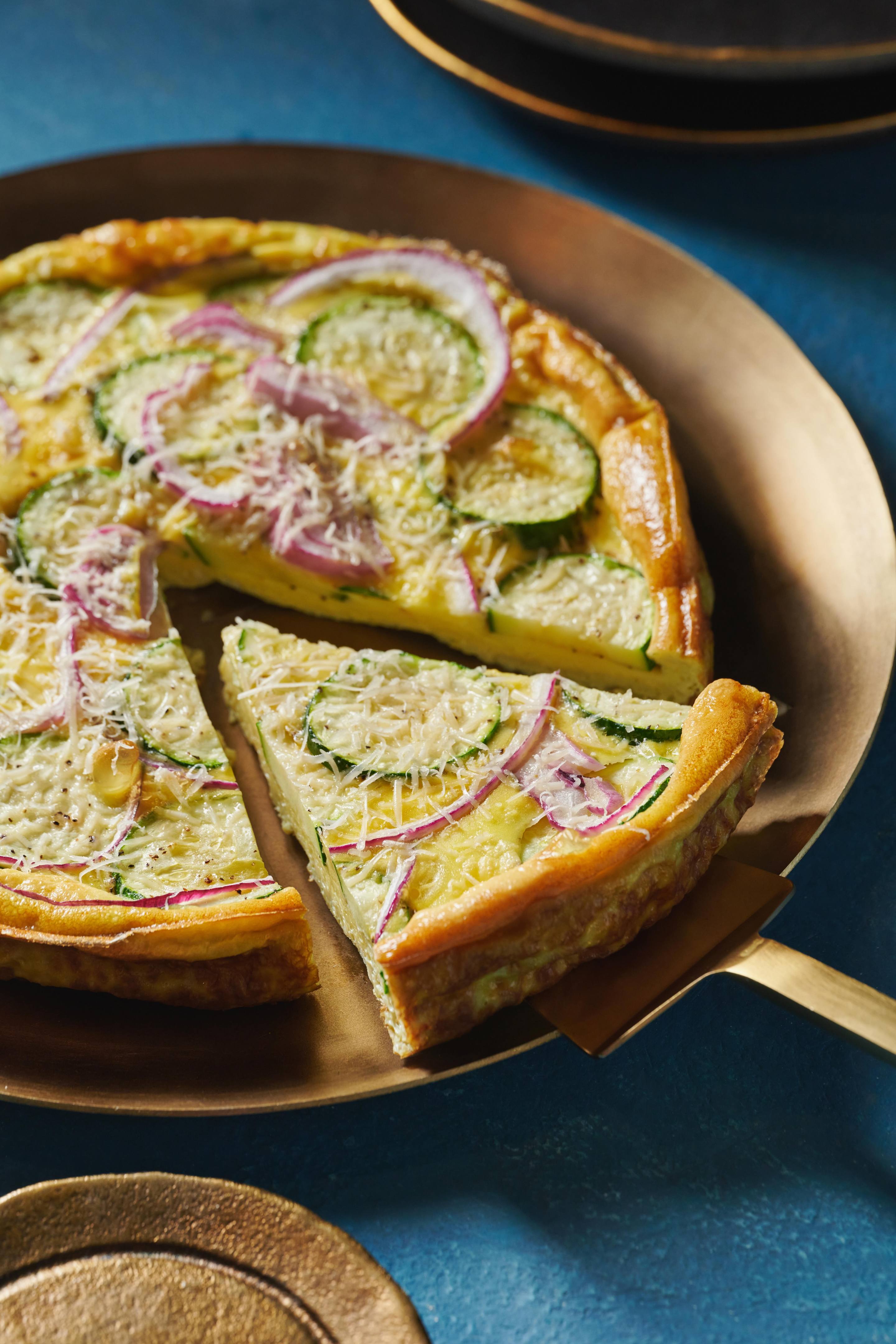
If, in the kitchen, fare una frittata means preparing something delicious, outside the kitchen the same expression describes a disaster. The ingredients are identical. The consequences could hardly be more different. And while the first frittata may earn you compliments, the second is unlikely to win you any admirers.
The explanation begins with an accident. Imagine someone dropping a basket of eggs. They fall, crack, and become an unfortunate mixture on the floor. The image readily extends from accidentally breaking eggs and smashing fragile objects to making mistakes, committing blunders, and creating situations that go terribly wrong. No frying pan is required, and unfortunately there is nothing to eat afterward.
Suppose you accidentally send a confidential email to everyone in your office, reveal a surprise party to its intended guest, or make a decision that ruins weeks of careful planning. Congratulations! You have made a frittata, although nobody is likely to ask for the recipe.
And once the mistake has been made, the verdict becomes Ormai la frittata è fatta! The damage is done. Apologies may follow, excuses may be invented. But the moment for preventing the disaster has already passed.
In the 1734 comic opera Livietta e Tracollo, written by Tommaso Mariani and set to music by Giovanni Battista Pergolesi, a man who believes he has caused a woman's death exclaims, Non v'è più dubbio, ho fatta la frittata—“There's no doubt about it. I've made a terrible mess.” Fortunately, the woman is only pretending to be dead.
English speakers can make a mess of things or, particularly in British English, make a hash of something. The latter is especially appealing because it too borrows a food preparation to describe incompetence. But English also offers a proverb that seems to celebrate what the Italian expression condemns: “You can't make an omelette without breaking eggs.” Here, breaking eggs becomes a necessary sacrifice in pursuit of something worthwhile. Italian knows a corresponding proverb, but fare una frittata gives the culinary process a much less encouraging outcome. In one case, the broken eggs are the price of success; in the other, they are evidence of failure.
The distinction ultimately comes down to intention. A cook deliberately breaks eggs to produce a frittata; the unfortunate protagonist of the idiom produces one without ever intending to. The same culinary result becomes either an accomplishment or an embarrassment, depending on whether it was part of the plan.
And while a real frittata can always be improved with a little parmigiano, the other kind rarely benefits from adding anything at all.
Love discovering Italy one bite at a time? Subscribe to the free Appetito newsletter for the latest in Italian food, travel and favorite recipes.