
I was standing over a stove on the outskirts of Bologna, and I had never turned one on before.
I was nineteen, a few weeks into a summer internship I'd taken from a stranger, and there was a plate of someone else's leftover spaghetti in front of me. "I can't do this," I told Clark. He said I could.
I had good reason to doubt him. I'd badly burned myself on a stove as a kid, and every stove since had felt as though it was waiting to finish the job. At nineteen, I hadn't cooked much beyond toast. Left to my own devices, I lived on frozen dinners, fruit, and bread with butter. I'd been a picky eater for as long as I could remember, through my whole childhood and into my twenties. I didn't even like pasta. I certainly didn't like what was about to come out of a pan with ham and peas in it, which, unfortunately, was exactly what I was making.
A summer outside Bologna
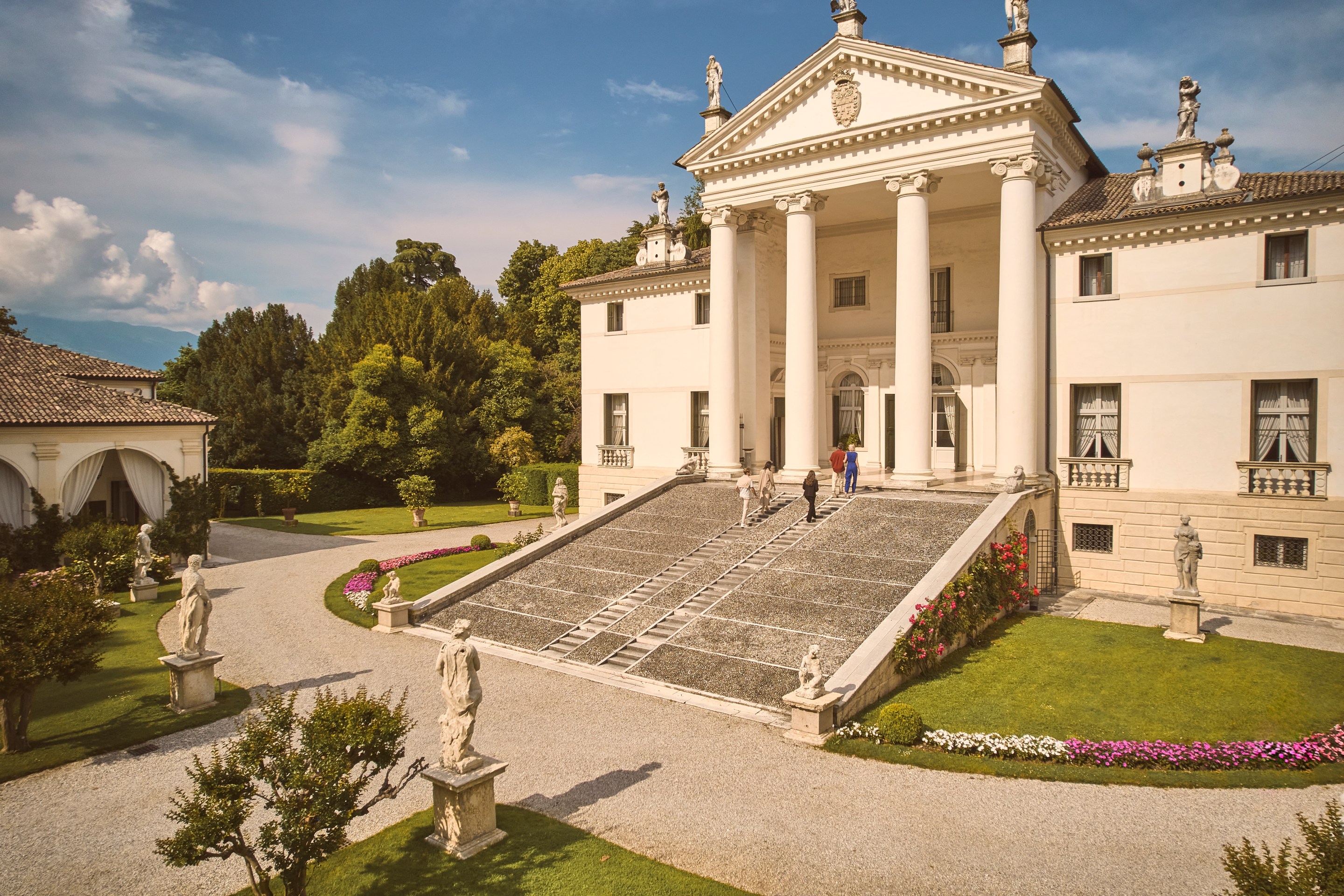
I'd ended up in Italy because Clark, a fellow student at my tiny college in Maine, had emailed the school looking for someone to help him get a reading retreat off the ground in a rented villa outside Bologna. I answered the email. We had never met. I flew into the Bologna airport that June not knowing what he looked like, only that I'd agreed to spend my summer, the one between sophomore and junior year, working for a stranger in a country I'd never been to.
That first summer, it was just the two of us, until a few volunteers showed up later in the summer. I wasn't the one who charmed a local matron into lending us a seventeenth-century villa or talked donors into caring about a reading retreat nobody had heard of; that was entirely Clark, not me.
I did the behind-the-scenes work, such as hunting down furniture, writing marketing copy, cleaning, and running errands. We hosted concerts, Sunday afternoon reading salons, and dinners for eight to sixteen guests around a fireplace that crackled all evening as people read by it.
The whole villa was tiled, cool under bare feet even in July. Off the kitchen was a small breakfast nook, with just two chairs and a little table. This was where Clark and I ate breakfast most mornings. I drank espresso from a mug instead of a small espresso cup, which everyone found hilarious. In the evenings, Clark and I would sit on the back steps facing the fields and talk about what we were going to do with our lives. He was going to make that retreat happen, no matter what.
Dreaming of your own Italian escape? Explore Appetito’s Italy travel guides and start plotting your next adventure.
Learning to cook
Money was tight enough that summer that Clark hated to throw anything out. When a group of English-speaking women checked in for a week, someone had to cook for them, and it wasn't going to be him. "You can do this," he said again. I was fairly sure I could not.
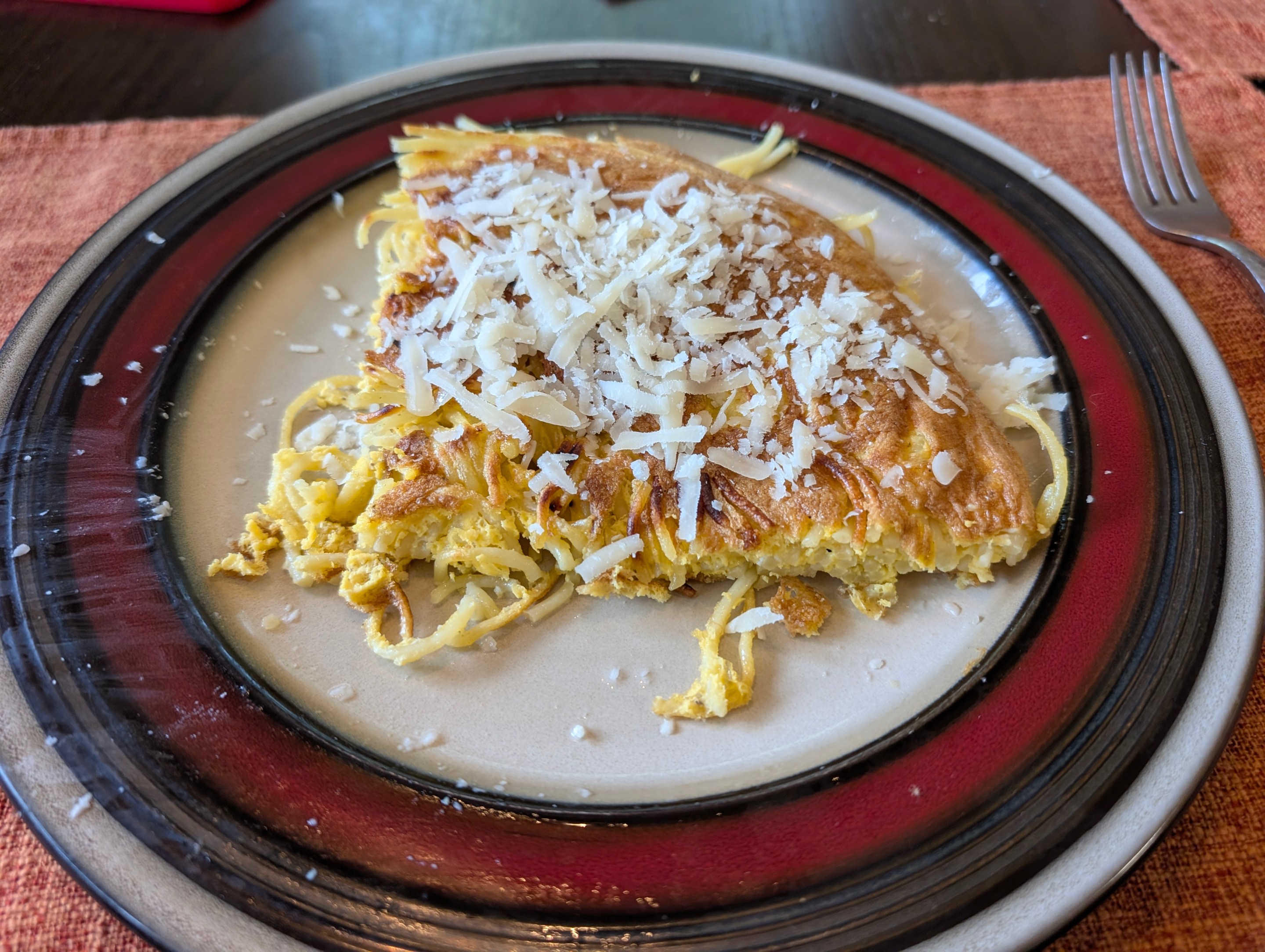
He walked me through it like a recipe he'd made a hundred times, because he probably had. He put the leftover spaghetti from the night before into a frying pan. I beat eggs with a splash of salt in a bowl, the way you'd start scrambled eggs. I flattened the pasta into a disc in the pan, poured the eggs over it, then scattered in some diced ham and peas he already had ready. I stood over that stove, the one I was so sure I couldn't handle. I watched the edges set, tested them with a fork, and flipped it using a plate. I was sure the whole thing would fall to the floor. Once it seemed finished, I slid the whole thing out of the pan, similar to a pancake. I picked the ham and peas out of my own dish before I ate. I still didn't like those. But the pasta itself, crisped where it hit the pan and soft everywhere else, was the best thing I had ever made, mostly because it was the only thing I had ever cooked.
The one dish I still make
That's pasta frittata: Neapolitan in origin, built entirely out of what's left over, a dish that exists because someone once refused to throw out yesterday's spaghetti.
Almost thirty years and a marriage later, I still do not cook. I’m lucky that my husband loves cooking. Put me in a kitchen with more than one thing happening at once, a timer running, a sauce that needs stirring, something that has to come out right as something else goes in, and I get the same anxious feeling I've had since I was a kid standing too close to a stove. But pasta frittata is the one thing I still make, on the rare occasion I make anything, because it never asks for more than one pan and one decision. Nothing else can go wrong at the same time. The dish that undid a lifetime of kitchen anxiety wasn't simple by accident. It was built by someone with more pressing things to worry about than cooking, and it turns out I am that kind of person too.
What Italy changed
Italy is also the only place that ever changed my palate. I didn't just learn to make pasta that summer; I actually learned to like it, and pizza too, eaten where they'd both been invented, which was more than any amount of pasta back home had ever managed to do. I still take mine plain, olive oil and black pepper, no red sauce—old habits.
The villa isn't there anymore. The retreat, now called La Macchina Fissa, lost its second home to an earthquake in 2012 and has moved twice more since, each time packing up its library and art and starting over in whatever building would take it. It's moving this August; its fifth home in thirty years. I want to think it has lasted this long for the same reason I still make that dish: not because either of us set out to be resourceful, but because when you don't have much to work with, you learn to make something whole out of what's left. I made pasta frittata again recently, for the first time in years, to see if I remembered how. It came out almost right. I still don’t use peas.
Love discovering Italy one bite at a time? Subscribe to the free Appetito newsletter for the latest in food, travel, recipes, and Italian culture stories.