

Americans call it arugula, the British call it rocket and Italians know it as rucola. No matter what you call it, arugula is mainly used as a salad green. But what happens when you live in a part of Italy where arugula grows in abundance? You use it to make amaro, too.
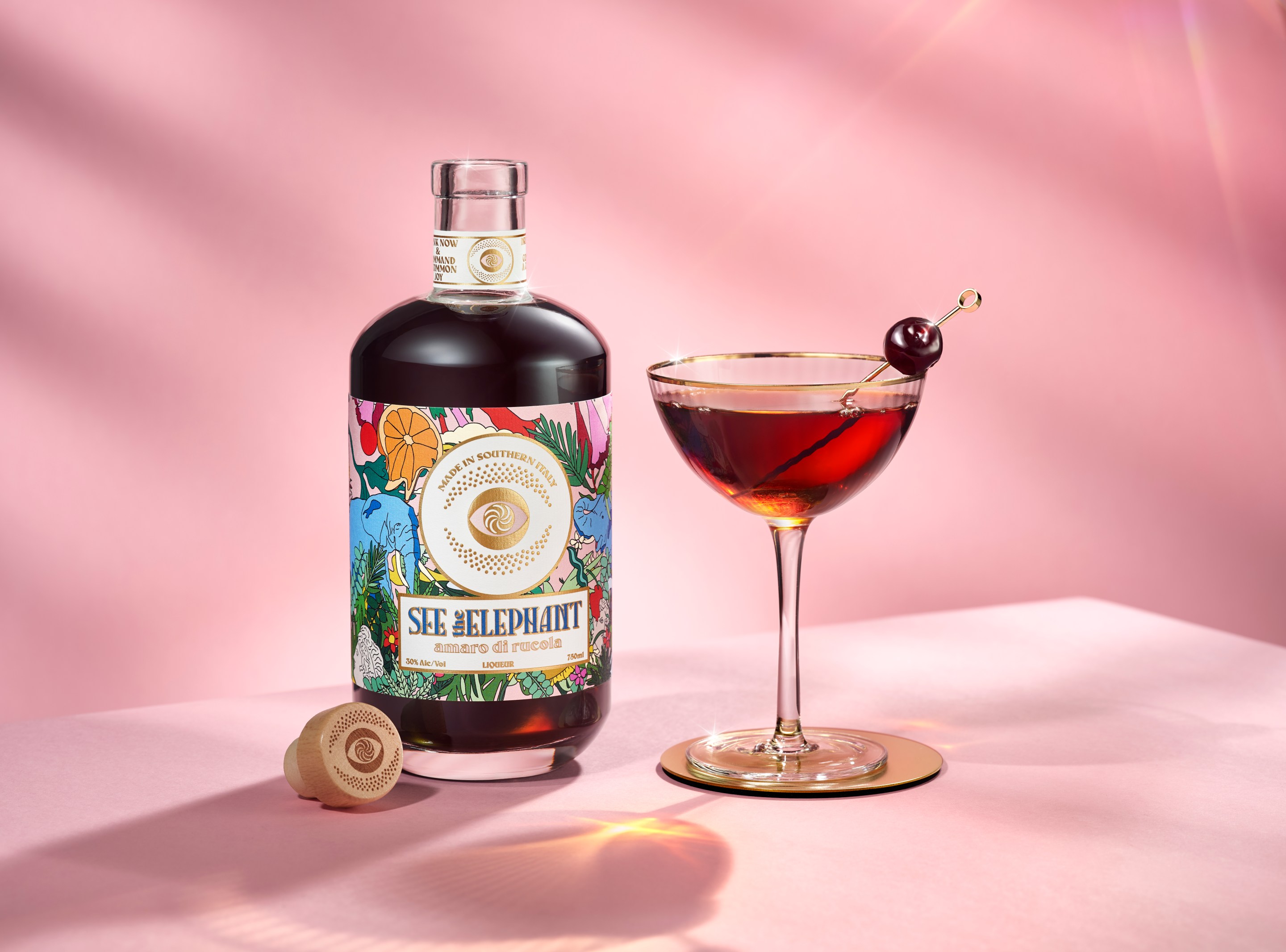
On a chance trip to southern Campania in 2019, I first held a bottle of amaro di rucola. I was shopping at a market in Ravello when I asked for an amaro I was unlikely to find outside the region. At the time I only knew amaro the way most American drinkers do: Averna, Montenegro, a pour of Fernet at the end of a long night. This label said amaro di rucola. I bought it because I couldn't picture what arugula would taste like in a bitter liqueur. The bottle came from Agropoli, a seaside town on the wonderful Cilento coast. The Polito family has made amaro di rucola there for more than 70 years. Three generations in, the recipe hasn't left the family.
Once you pass the ancient city of Paestum, with its incredibly well-preserved Greek temples and Roman architecture, including arches of near-perfect symmetry, it feels as though you've stepped into another time. The land is what produces the arugula. Throughout Cilento, farming is a way of life. The Mediterranean diet is also part of everyday life in Cilento. The region is well known for its buffalo mozzarella and yogurt, some of the best I've ever tasted.
The amaro I bought in Ravello inspired me to bring amaro di rucola to the United States. I hadn’t seen that style of amaro here, and I thought its unusual flavor would appeal to amaro lovers and give bartenders something new to work with. Today I import the Polito family’s amaro as See the Elephant Amaro di Rucola.
Arugula grows in the fields and along the roadsides as you drive south from Amalfi, past Salerno and through Battipaglia on your way to Paestum and Agropoli. Cilento and Vallo di Diano National park is part of a UNESCO World Heritage site. All the ingredients in See the Elephant come from this part of Cilento. The Polito family uses a generous amount of arugula in each batch, which gives the amaro its distinctive flavor.
Bright peppery salad green turns into surprising flavors
What surprises me is how many flavors come from arugula. Some of this is the magic that takes place as you macerate the peppery green in 96% alcohol by volume. The flavor and color is extracted from the arugula. The result is a surprisingly wonderful concoction of tropical fruit, dark chocolate, root beer, bubblegum, espresso beans and pepper spice that rounds out this wonderful digestivo. At 30% alcohol by volume the finished amaro is approachable enough that bartenders would call it your gateway amaro, but complex enough that it keeps amari lovers coming back for more.
Going to see the elephant
The name of the brand comes from the popular American phrase that was coined in the early 1800s. At the time, you could pay 25 cents to see an elephant named Old Bet in New York City. “Seeing the elephant” came to mean experiencing something firsthand. Travelers used the expression as they headed west on the Oregon Trail and later to California in search of gold. Just as those travelers did, I wanted to “see the elephant.” That’s why I named the brand See the Elephant. Like those travelers, I wanted to “see the elephant” for myself.
How to drink See the Elephant Amaro at home
You can do as the Italians would suggest and drink your amaro as a traditional digestivo, neat or on the rocks. See the Elephant also works great in cocktails, especially a Black Manhattan. This riff on a classic Manhattan swaps the amaro for sweet vermouth. It was first developed at Bourbon & Branch in San Francisco using Averna. The spice in the rye whiskey plays off the amaro’s sweeter flavors. I even pick up a hint of fig, which reminds me of Cilento. When the evening turns cold, it’s the cocktail I reach for.
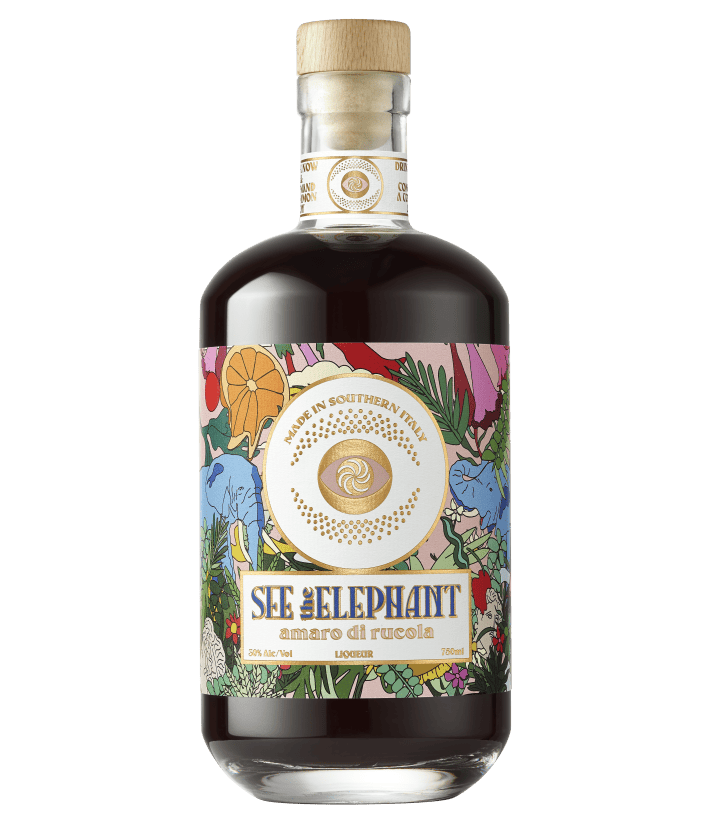
Black Manhattan
2 oz. Rye Whiskey
1 oz. See the Elephant Amaro
1 dash Angostura Bitters
1 dash Orange Bitters
Add the rye, amaro and bitters to a mixing glass filled with ice. Stir for 30 seconds, until well chilled. Strain into a chilled cocktail glass, like a coupe or rocks glass. Squeeze the orange peel over the drink and garnish with an Italian cocktail cherry.
Want to be the first to know about Italian food events, restaurant openings and culinary travel? Subscribe to the Appetito weekly newsletter.