
On Lake Garda, fine dining is changing, but quietly. Not disappearing. Not getting less ambitious. Just loosening up a little. The days of marathon tasting menus, stiff dining rooms, and dishes that arrived with five-minute explanations seem to be fading. People still want beautiful food, creativity, and a memorable night out. But now they also want to feel comfortable. They want restaurants they can actually imagine returning to more than once a year.
I spoke with two chefs on opposite sides of the lake who are both navigating this shift in their own way: Fabio Cordella at La Veranda at Color Hotel Style & Design in Bardolino, and Stefano Rossi at the Lido restaurant inside the Hotel Lido Palace in Riva del Garda.
Different personalities, different kitchens, different shores — but interestingly, they both kept coming back to the same ideas: freedom, wellbeing, simplicity, and making guests genuinely happy. At Lido, Rossi told me the change has been dramatic over the years.
“When I started, everything revolved around long tasting menus,” he said. “Now people want more freedom.”
At Lido, that means moving away from rigid fine dining formulas. Instead of forcing guests into a structured gastronomic “journey,” Rossi has created something more fluid. At the beginning of the meal, over a dozen different small bites are brought to the table and everyone has a chance to taste them. Guests choose their preferred main dish, then a selection of desserts are on offer, with the live tiramisu the star of the show; prepared at tableside, before your eyes. The effect is refined, but relaxed. Elegant, but not exhausting. Restaurant manager Domenico Zanotti has everything to do with that, having built a cohesive and happy team.
“It’s convivial,” he said. “People want to enjoy themselves and their time with friends and family."
On the southern shore in Bardolino, Fabio Cordella sees exactly the same thing happening. “Guests are much more aware now,” he explained. “They think about wellbeing, energy, intolerances, how they feel after eating.”
Want to be the first to know about Italian food events, restaurant openings and culinary travel? Subscribe to the Appetito weekly newsletter.
And honestly, that feels very Lake Garda. People spend their days biking, hiking, swimming, walking by the lake. Nobody really wants a heavy, formal dinner that wipes them out for the rest of the evening. The luxury now is eating beautifully while still feeling light enough to go have a cocktail afterwards. Cordella also pointed out that diners have become less patient with unnecessary theatre. “There was a period where every dish had to be explained from A to Z,” he laughed. “Now the dish should speak for itself.”
That line stayed with me because it probably says everything about where dining is heading: not just on Lake Garda, but everywhere. For years, fine dining sometimes felt like performance art. Guests almost had to study the food. Meals became intellectual exercises full of smoke, storytelling, and tiny portions arranged with tweezers. Both Rossi and Cordella seem much more interested in emotional connection than culinary gymnastics.
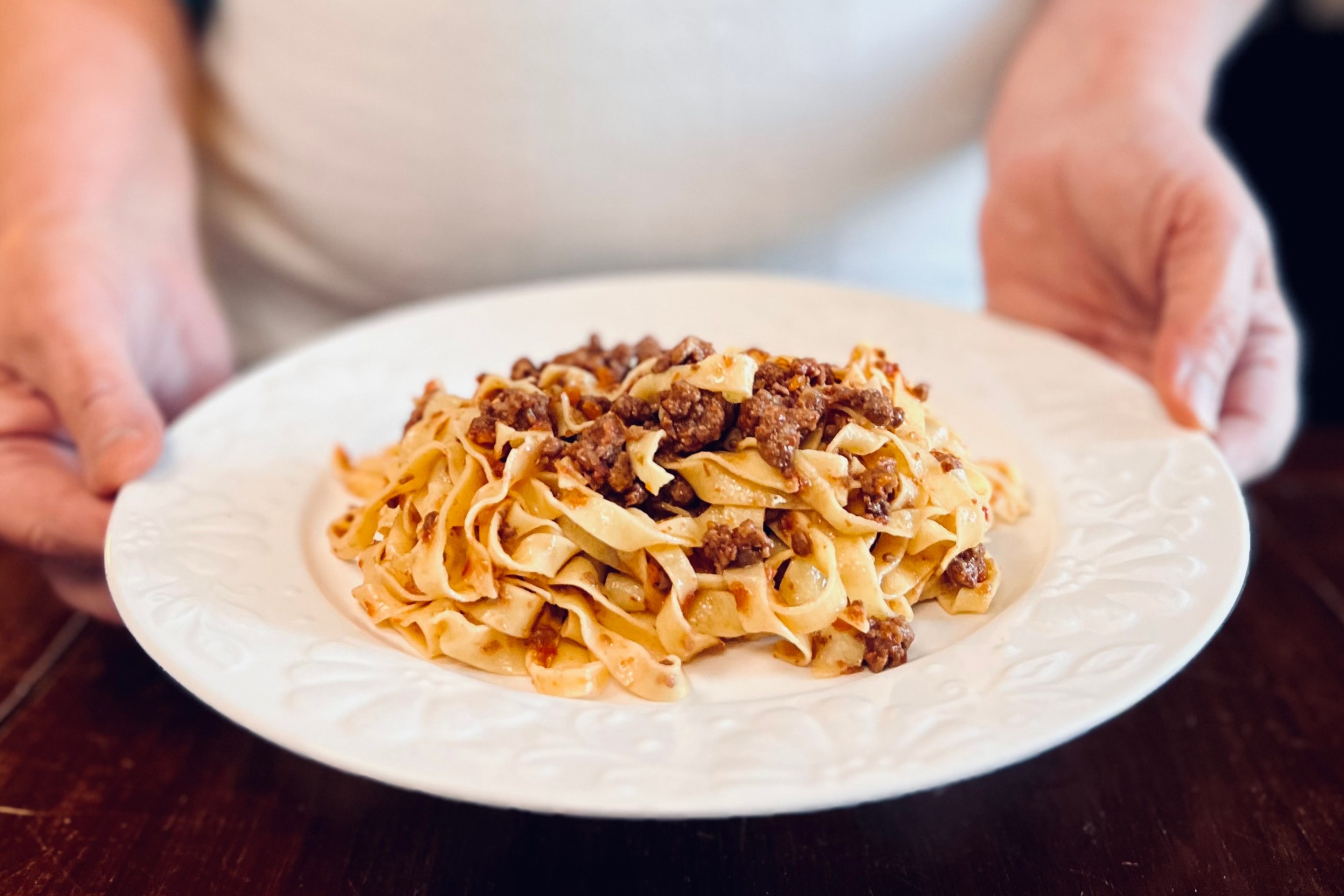
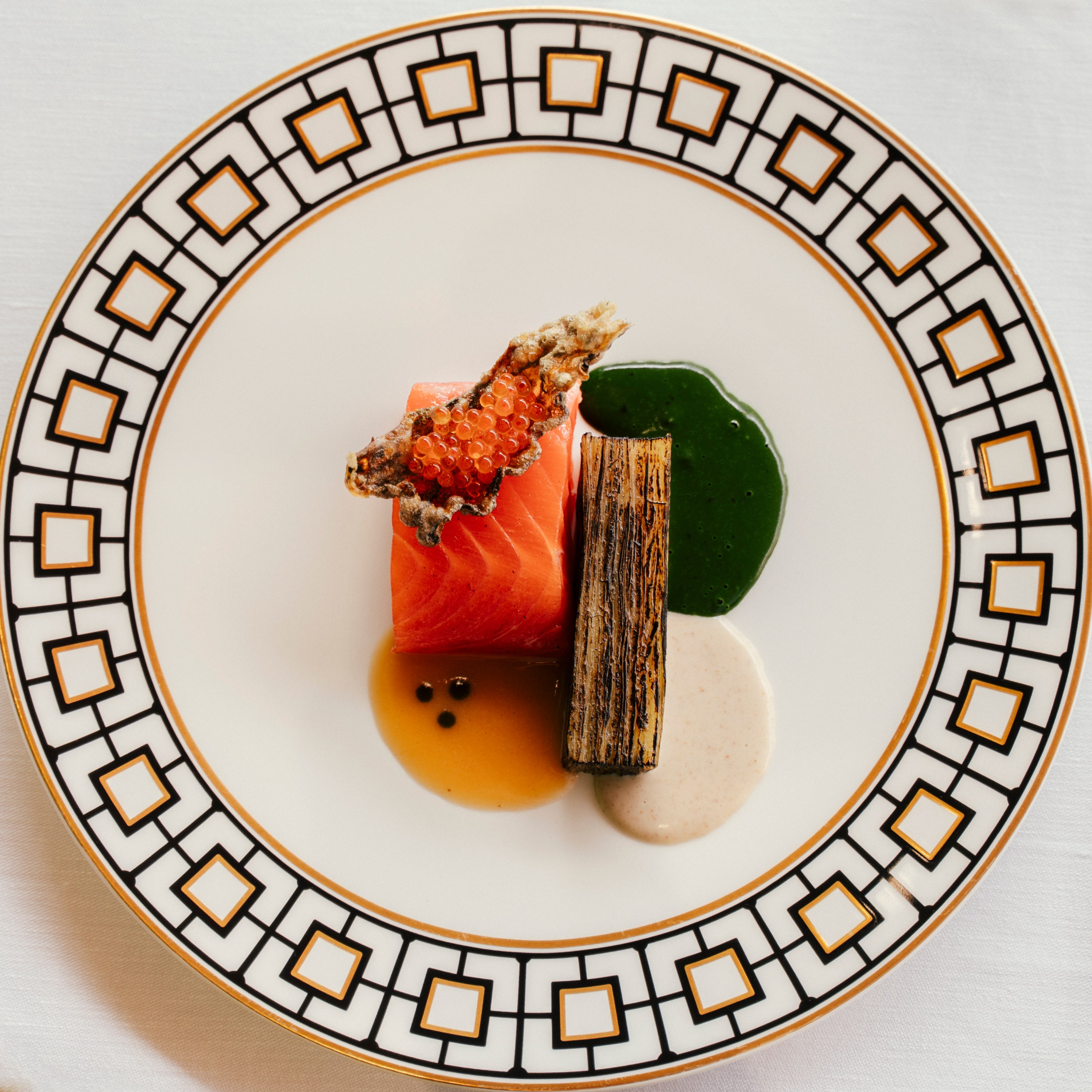
Rossi’s cooking at Lido is deeply rooted in territory and comfort, even when technically refined. One of his signature dishes is strozzapreti made from stale bread soaked in milk and enriched with ricotta, served with nettle sauce and Grana Trentino fondue. It’s cucina povera at heart-- humble ingredients elevated through technique and care rather than spectacle. Another dish pairs local Arctic char with white asparagus from nearby Zambana and a delicate white wine sauce. Nothing is trying too hard.
“My food has to reflect where we are,” Rossi said. “The lake, the mountains, the market.”
Cordella approaches things with a slightly more playful energy, which fits perfectly with the colorful, sensory world of Color Hotel. But underneath, the philosophy is surprisingly similar. Vegetables play a starring role in almost every dish he creates. Not as decoration, but as the soul of the plate.
One of his most interesting dishes reimagines the tomato as an appetizer. Different varieties of tomato appear in multiple forms — grilled, raw, transformed into pappa al pomodoro or gazpacho — alongside a vegan ricotta presented in two textures.
“It’s like diving inside a tomato,” he said. What he does not want is food that disguises itself. “The ingredient must stay true to itself,” he explained. “I don’t want to transform chicory into fish or something else.”
Again, there’s that same movement away from illusion and back toward clarity. Wellness also came up constantly in both conversations, though neither chef talks about it in a restrictive or joyless way. This isn’t spa cuisine. Nobody is counting calories or preaching deprivation. Instead, the focus is balance: lighter sauces, seasonal vegetables, cleaner flavors, and meals that leave guests feeling good instead of overwhelmed.
Rossi described the feeling he wants guests to leave with very simply: relaxation. “The idea is wellbeing,” he said. “Enjoying life without too many worries.”
Cordella expressed something similar: he described arriving at Lake Garda almost like entering another world — somewhere color, nature, and hospitality soften the stress people carry with them.
And honestly, both restaurants seem to understand something important: luxury today is increasingly emotional. People want to feel cared for. That also explains why vegan cuisine has become such an important creative outlet for Cordella. His plant-based Natura tasting menu is one of the projects he seems most passionate about, not because veganism is trendy, but because it forces the kitchen to think differently. “It’s challenging,” he admitted. “Creating an entire experience without anything from the animal world.”
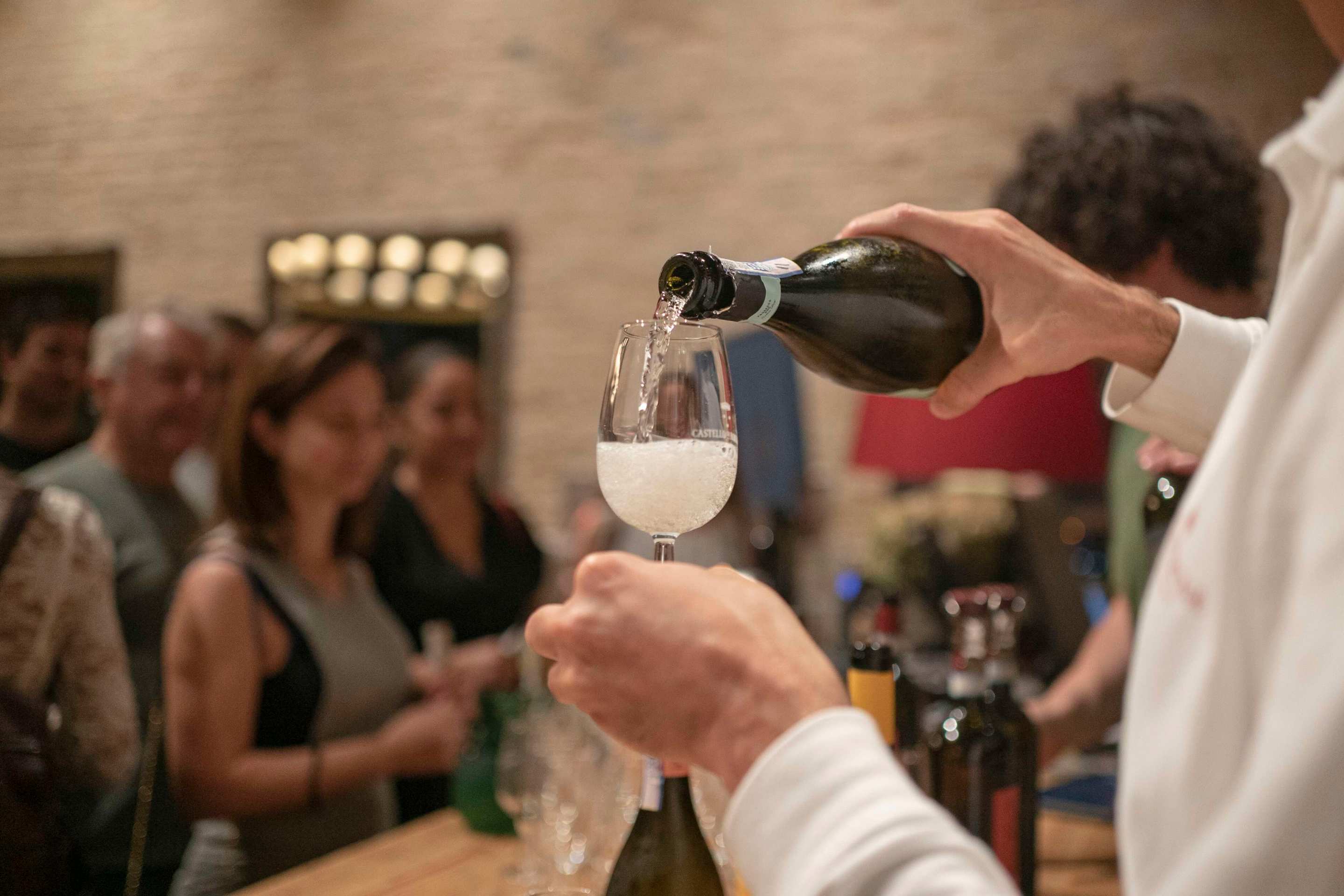
But you can tell he enjoys the challenge. Another thing both chefs touched on was hospitality itself and how much dining rooms have softened in recent years. Thankfully. There was a time when entering certain fine dining restaurants felt almost stressful. You worried about doing the wrong thing, ordering incorrectly, using the wrong fork. That atmosphere is fading. At Color Hotel, collaboration between the kitchen and the hotel’s Dejà Blu Bar creates a more playful energy, with cocktails and dishes developed together, bouncing ideas back and forth. Cocktail pairing has become a thing- you’d be surprised.
At Lido Palace, Rossi is developing a private dining concept called Divino, where only a handful of guests share an intimate evening centered around wine, producers, and conversation. Neither experience feels built around exclusivity for the sake of exclusivity. They feel personal. Even when talking about their teams, both chefs returned to the human side of hospitality. Rossi spoke proudly about trying to create a kitchen where young cooks can genuinely learn the craft while maintaining a healthier work-life balance. Cordella kept circling back to passion, involvement, emotion. For him, success is simple.“The guest leaves smiling,” he said.
And maybe that’s ultimately what this new version of fine dining on Lake Garda is about. Not less sophistication. Just less stiffness. The food is still ambitious. The wine lists are still serious. The rooms are still beautiful. But the goal now seems different. Restaurants people can return to after a bike ride. After a swim. On an ordinary Tuesday night. Places where elegance and comfort coexist naturally. Where luxury doesn’t feel intimidating. Where nobody is trying quite so hard to impress you.
And somehow, that makes the experience feel even more special.