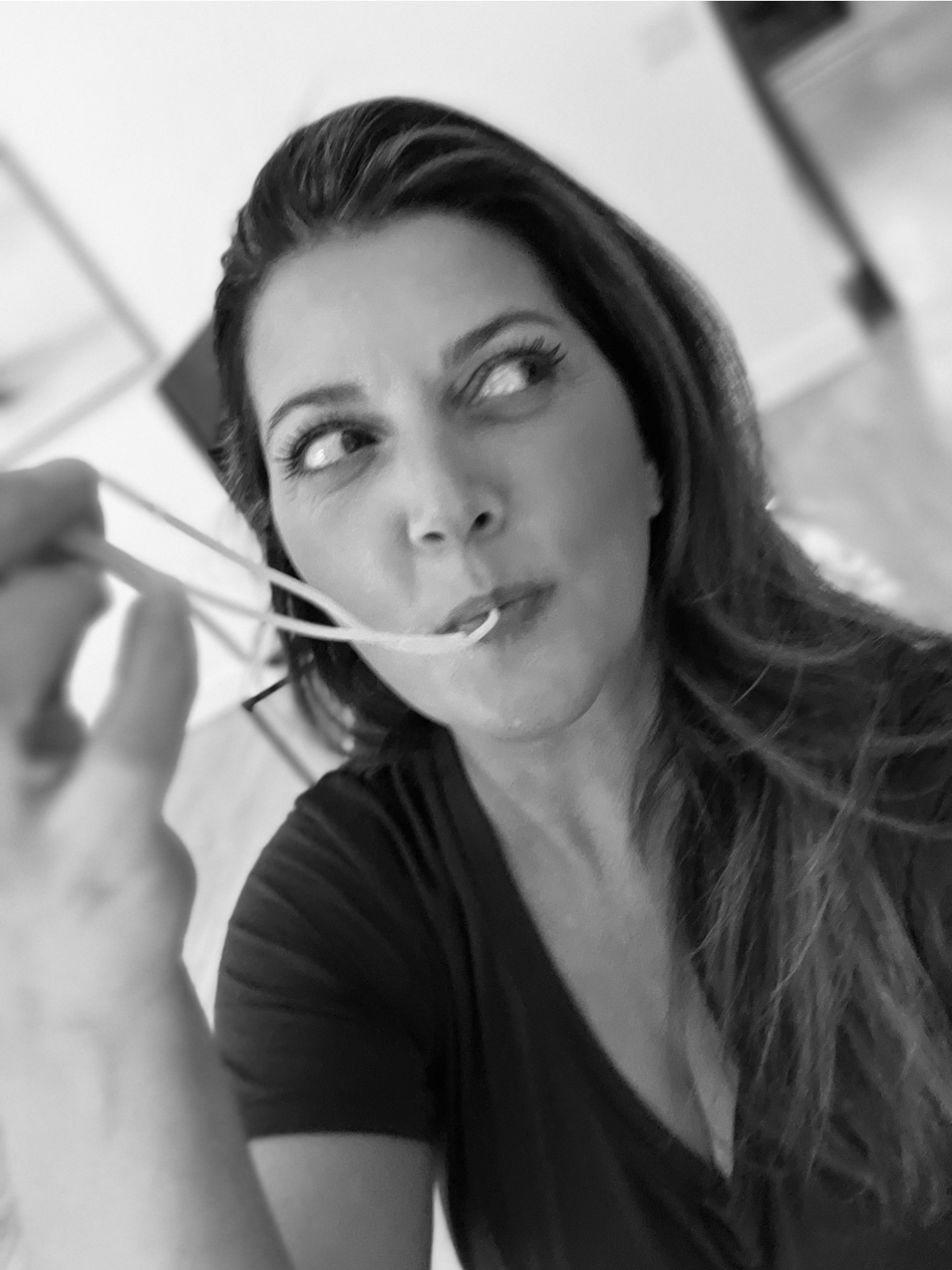

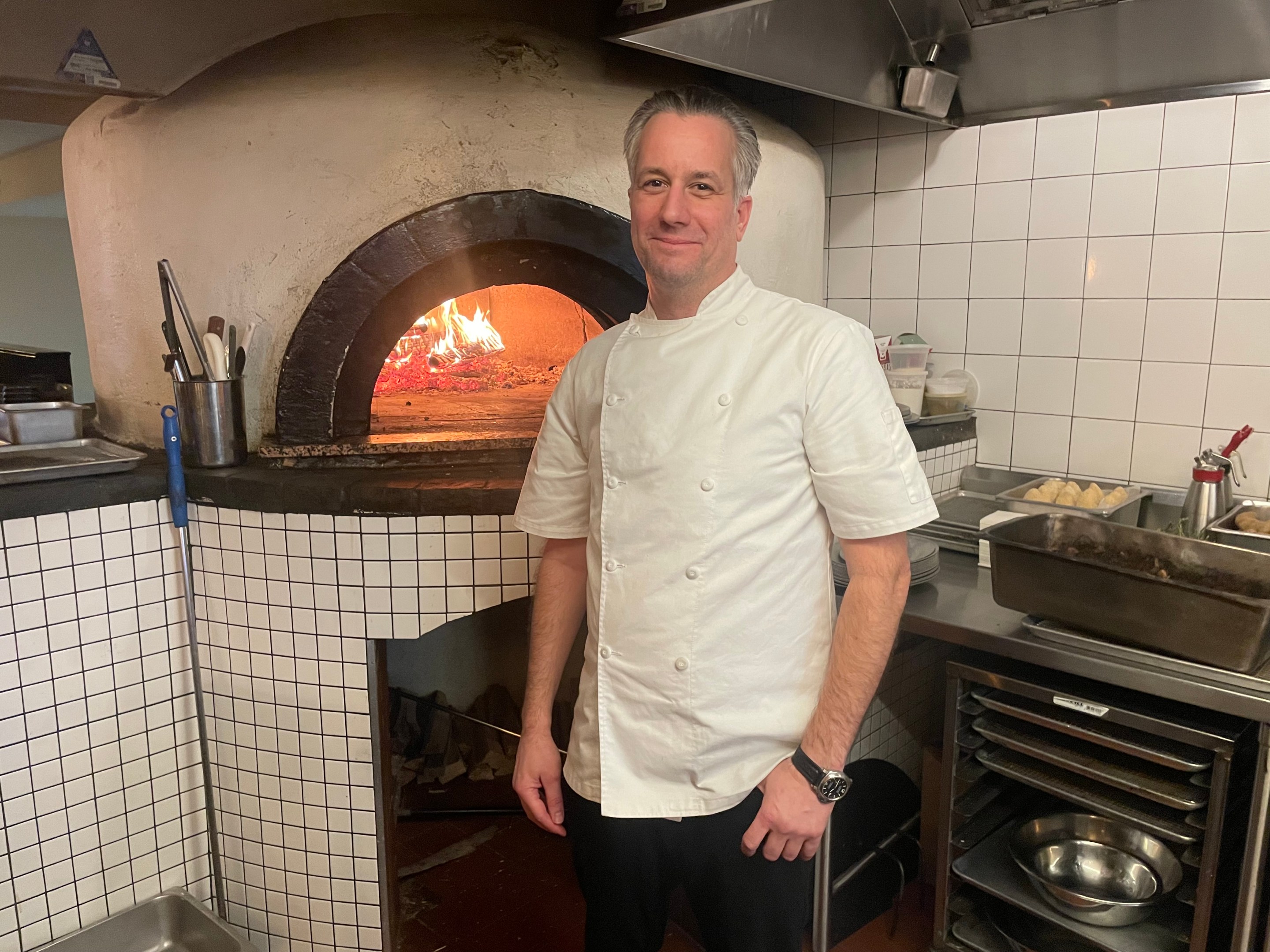
Jordan Frosolone is “one of the most underrated chefs in New York City,” according to Town & Country. He has also received glowing praise from The New York Times, Forbes, Food & Wine, New York and lots more. He has been credited with the best cacio e pepe, burrata dishes, and seafood in the city, as well as recognized for his encyclopedic knowledge of the regional food of Italy and its history. Jordan began his career in his hometown of Chicago and moved to Italy in 2002, where he worked in restaurants in both Spoleto and Florence. He moved to New York City in 2003, where he worked in the acclaimed kitchens of Hearth, Sessanta, and 10 Corso Como Restaurant prior to becoming the Executive Chef and partner of the Leopard at Des Artistes in 2020. In 2025, he was named Executive Chef at Borgo, one of the year’s most highly acclaimed openings. We at Appetito consider Jordan among the most talented, knowledgeable, and humble people in the business, and we were thrilled to sit down to hear his “Chef’s Story” (and have some of his food).
Your Italian on both sides. Where is your family from?
Sicily and Campania.
And where are you from?
I grew up in Chicago Heights, a suburb south of Chicago.
Did you have a big Italian family nearby?
The core of my immediate family growing up was my grandmother, my father, and his two sisters. Our family wasn't massive, though it was pretty significant. With everyone, including the respective spouses and cousins, there was probably about 20 of us.
Who was the primary cook?
My dad was the cook. He had an interior design business, but weekends were spent in the kitchen. The party was always at our house. It would start on Saturday with trips to Italian specialty shops, which Chicago Heights because of its significant Italian community, so we’d have salumi, cheeses, homemade sausages out all day Saturday ahead of the Sunday dinner, which was the big thing. We’d be together all weekend cooking and around food.
Do you have a specific food memory?
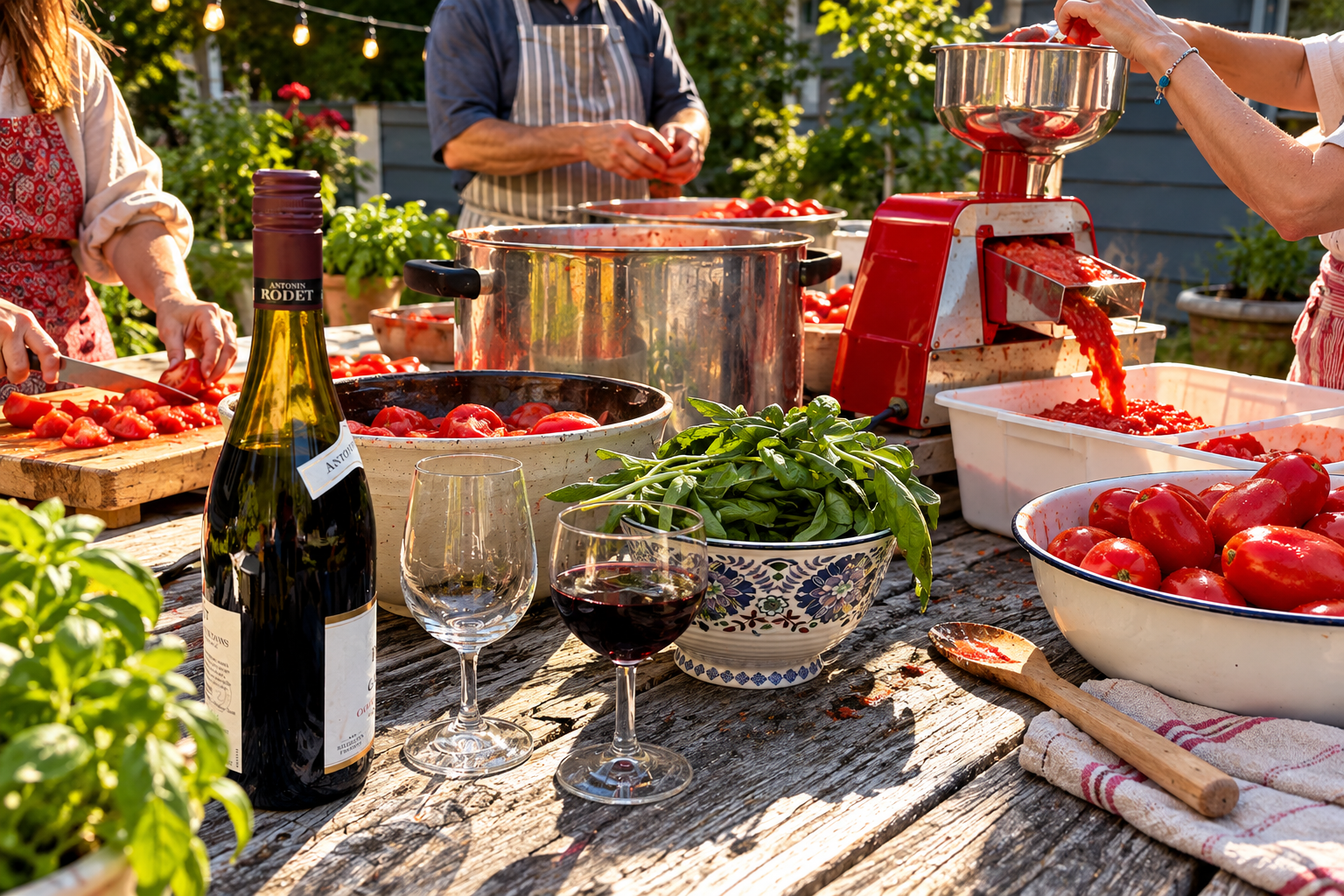
I guess the most vivid memory related to food was late summer when my grandmother, my dad and I would go shopping at these farm stands they had in Chicago and Indiana. We would buy eggplants, zucchini and tomatoes and make conserva. I just remember being part of that shopping experience and then peeling all this stuff, the canning, and the storing.
At what point did you decide that cooking is what you want to do as a career?
I obviously really enjoyed food growing up. As I got older, I became interested in experiencing restaurants and food outside of my own home. When I graduated high school, I went to college for a couple years for jazz studies. My main instrument was bass. The education did require performance, but I was definitely not a performing musician. And when I was about 20 years old, I said to myself that there’s no way I’m going to become a teacher, which was the only thing I could do with that degree if I wasn’t performing. I had become a pretty good cook and knew a lot about Italian food, so my father introduced me to a friend of his who was a general manager of a restaurant, and he gave me a job in the kitchen. And as soon as I started, I knew this is the perverse, degenerate lifestyle that I wanted.
What was the restaurant?
This was Coco Pazzo. The owner at the time was Pino Luongo, and that’s when he also had locations in New York, Philadelphia, and LA. The one in Chicago is the only one that's still operating. The chef in Chicago was Tony Priolo, and from him I really learned a lot. The food at Coco Pazzo was based on that of Tuscany, and that’s when I realized there were other regions and a much, much bigger platform for me to start to understand.
What was it about cooking that made it magical to you at that time?
I loved the educational standpoint of learning something and physically seeing the results of that. Like any sort of art or creation, it’s really great to see tangible results. There’s identifiable growth. I could see it in the other things I’d pursued, like music and martial arts. I could see it in cooking, like I'm actually learning and becoming better at these movements and the understanding of it all. So, there was plenty of education in that, and there was plenty of reward in seeing the immediate results and what I was doing on a daily basis.
How did you end up in Italy?
After Coco Pazzo, I worked at Blackbird, a very well-known Chicago restaurant, for about a year, and then I went to a place called Nomi which had a strong French influence. And then something just triggered inside of me. I really wanted to go to Italy, and I really wanted to learn about regional Italian cooking. I'd been to Italy a few times prior, when I was in my late teens and early 20s, but this was a conscientious decision. I bought an open-ended ticket in the summer of 2001 with a plan to leave in March of 2002. I had a student visa that was good for a year, so I thought I could go figure it all out within that time frame.
Where did you go?
I first went to Spoleto in Umbria. I had met a guy from there who was bouncing around Chicago for a while, and he said, "If you’re ever in Umbria, I’ll get you a job.” And he did. I was there for about three months, and then I went to Florence for the remaining nine months because I had been going there quite a bit in my free time and had made some friends and restaurant contacts.
And then what happened?
I came back to the United States and decided to move to New York. This was March of 2003. And when I first came, I trailed around a little bit, and then I spent some time with Mark Ladner at Lupa, which was one of the most important experiences of my career. After all of these years, Mark and I still have a great relationship, and he's still such a huge impact on my life. He’s also just a great guy. And then I ended up working for David Bouley. So I went, in a very short time, from living and working in Italy to working at a very stereotypical French restaurant. It was a little bit removed from that experience but a great kind of introduction to New York. I was there for less than a year when Marco Canora was opening Hearth. One of the sous chefs at Bouley introduced me to Marco. Marco's mother's is from Italy, and the food at the time was certainly very Tuscan in a lot of ways, but also really Italian in spirit, in terms of being market driven, seasonal, and simple. It really resonated with me, and it became the most important move in my life. I was there for a little over seven years. I was a cook, and then I was a sous chef, and then I was a chef de cuisine. It had such a huge impact on my career.
Why did you leave?
After seven years, I felt it was just time to move on. I wasn't sure what I wanted to do. I was definitely very inspired to try to do my own projects, and I also just needed to figure out a next path for me because I had reached the point where I just wasn't really doing much more at Hearth that I thought that I could continue. So in typical fashion, I went to work for Momofuku, which is completely divorced from Italian food. Dave [Chang] was looking for a culinary director, and he had just opened a restaurant in Australia, and he was opening a restaurant in Toronto, and he needed somebody to help him in New York and Toronto to do those projects. So, I took on that job. There were so many super talented people there. It just was really inspiring to be around all of these young chefs that really had such a different view, and I was able to spend a lot of time with all of them because of my role. I was at all of the different restaurants. And so it was, again, in a lot of ways, very removed from Italian cooking, but what I realized is that all cultural cooking really is pretty much the same. The ingredients change, but we’re teaching people how to develop flavors and layer flavors in their cooking. It's the same. I walked away with a very different understanding of ingredients, but the approach to all cuisines is all about making stuff taste good. Ultimately, though, as much as I enjoyed bouncing around all of these different kitchens, I wasn’t in any one kitchen following through on the day-to-day operations, and ultimately that’s why I left. I really wanted to get back into a kitchen to start cooking more and just being more engaged in the whole process.
What did you do?
I opened a restaurant in SoHo so called Sessanta. It was a very Italian restaurant, which is exactly what I wanted to do. While I was at Momofuku, a lot of my extracurricular time was spent on learning more about Italy and trying to understand more about the food and the regions and all of that. I really got hyper-focused on Sicily, and we opened this southern Italian restaurant, and it was an amazing experience. Even after it closed, I decided that I just wanted to continue to cook Italian food. I went to work with Tom Coliccio at Crafted Hospitality. He was opening a restaurant downtown called Temple Court in the Beekman hotel. Tom is obviously very much Italian in spirit, and his cooking is in line with that. That was an amazing opportunity as it was such a massive project. It really developed my understanding of management and how to drive an entire team of people. After that, I opened 10 Corso Como down at the Seaport with a Milan-based group, which was very short-lived due to COVID. And then I went to work for Gianfranco Sorrentino at Gruppo Italiano which had Il Gattopardo and The Leopard at des Artistes. I was there for about five years before being hired by Andrew Tarlow to be the Executive Chef at Borgo.
The opening of Borgo is one of the great success stories of 2025. What makes it so?
I think Borgo is just really emblematic of what a New York restaurant is and what it should be and what the best New York restaurants were in the past. It's really a great time for Borgo because it came along when we were finally coming out of COVID, and many restaurants were and still are struggling, but there are some restaurants thriving in this environment because people still do want to be out, and they really enjoy being out at Borgo. It's a really convivial space that is such a fun place to be. It's very specific to New York at this moment.
How would you describe the cuisine?
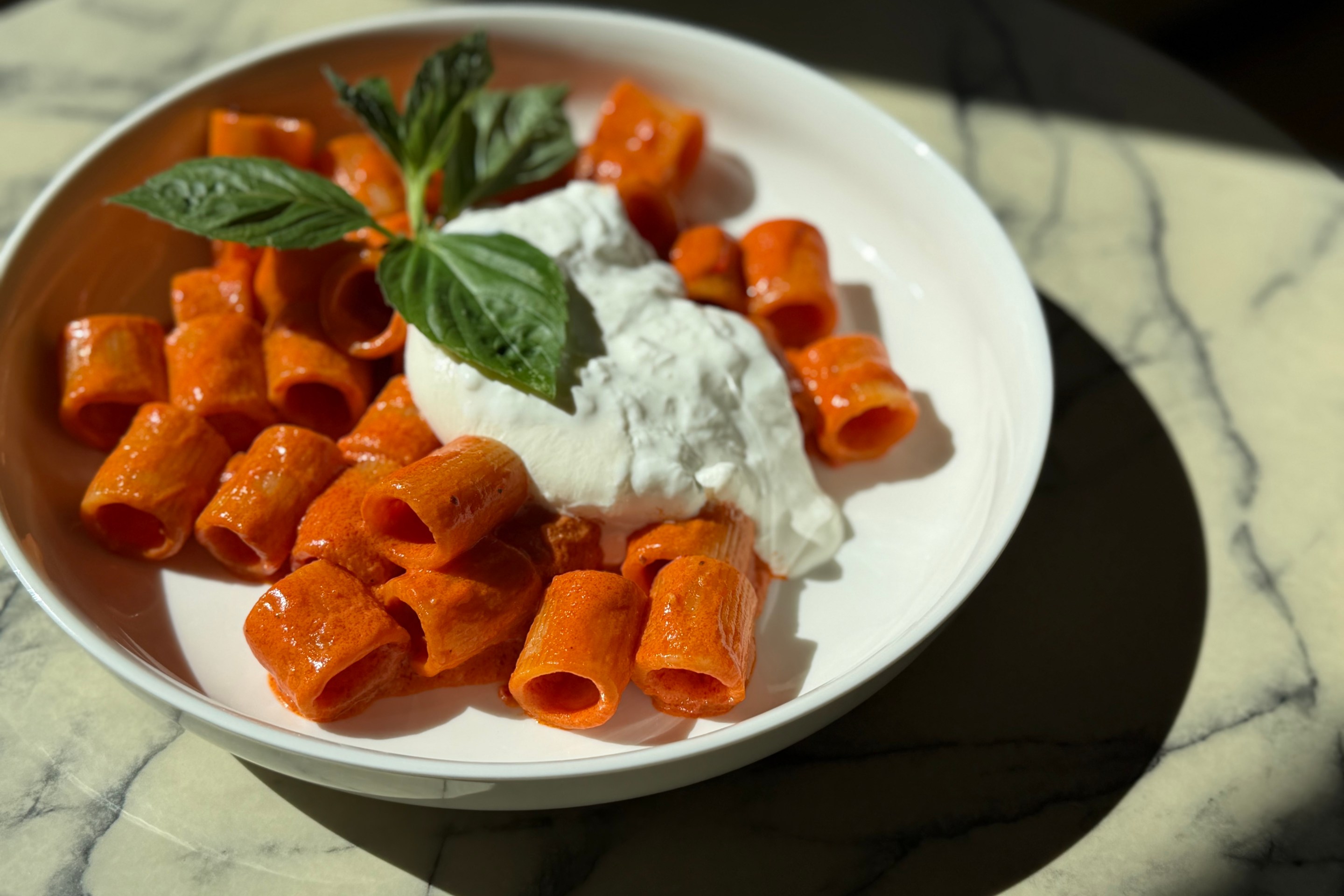
It's very rooted in Italian spirit, very simple cooking, wood fired, rustic cooking, amazing ingredients, and very seasonal and very well sourced. And not that that's a novel idea, but that is what we do, and hopefully, we do it well.
What are the signature dishes?
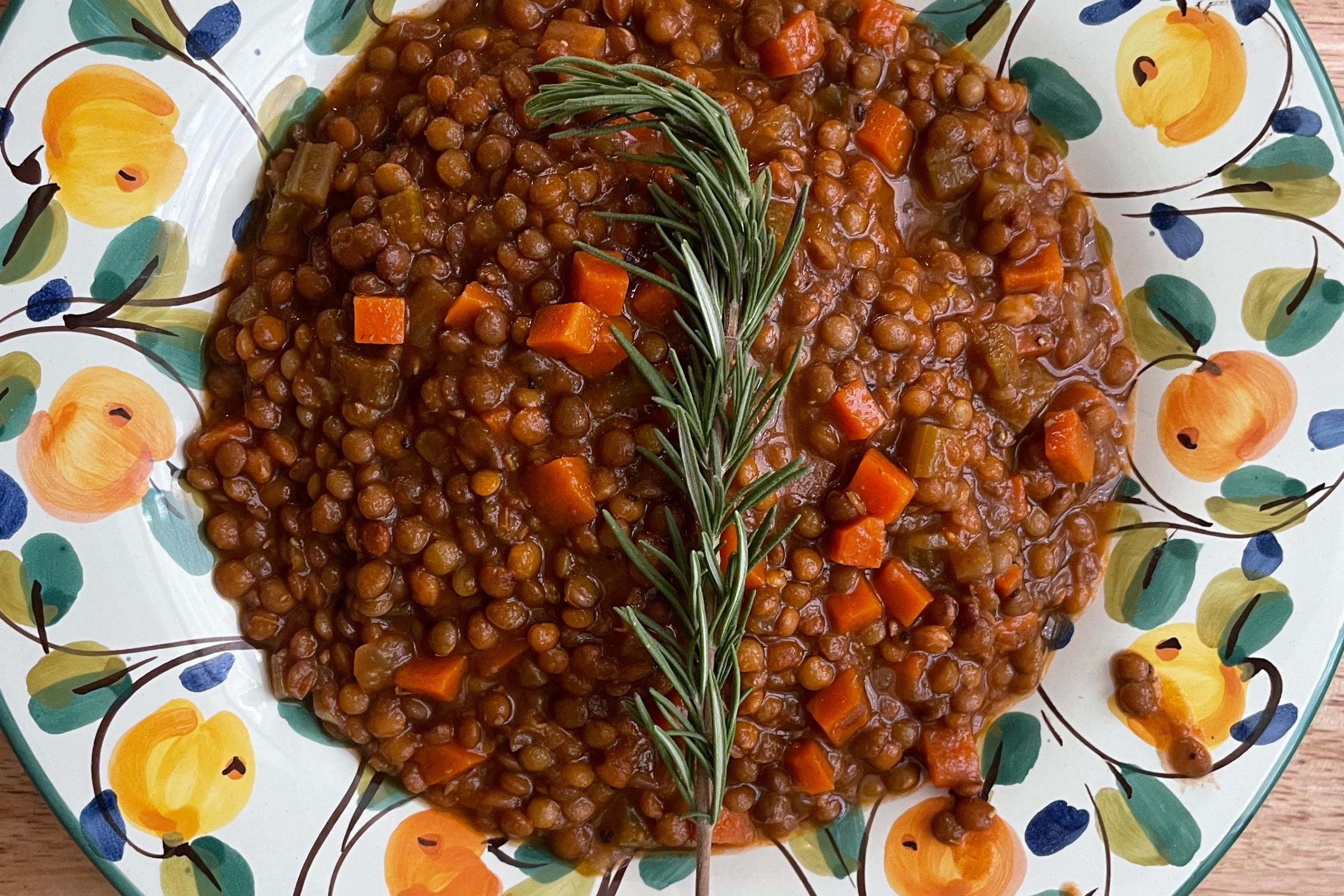
We do a Focaccia Borgo, which is, for lack of better term, a riff on Foccacia del Recco. We do a smoked fava bean puree. We have a fettuccine with Guinea Hen, which has been on the menu since day one, and we have a pork sausage with these amazing Umbrian lentils, which has also been on since day one. Those are kind of our signature dishes, but we are constantly changing the menu.
Is there any particular region from which the cuisine mostly derives?
You have the foccacia from Liguria. You have puree, and it’s from Puglia. You have Guinea Hen ragu that is very emblematic of the cooking of Emilia-Romagna. You have a pork sausage with lentils, which is common all over Italy, but we go with specific Umbria lentils. There’s mozzarella from Campania. We have artichokes from Lazio. So it’s pan-Italian, and that's gives us our ability to really embrace the feeling of Italian cooking. I'm not trying to be an Italian restaurant. And I'm not trying to be an Italian chef. I'm trying to be a chef in New York who has access to amazing products who makes the type of food that is very much Italian in spirit with utmost respect to the Italian philosophy.
What’s the best part of your job?
I enjoy the engagement with people. It really is so nice to try to at least make myself believe that I'm maybe making a little bit of difference in somebody's life. To bring some joy. So that has been so rewarding with Borgo because it does seem that people are having a nice time, and we are giving them an opportunity to escape from whatever bad day they may be having or whatever great day they're celebrating, or whatever it may be. When you're sitting around having dinner with your friends, the food is just better. It’s that conviviality. The experience just brings a little bit of sweetness to life. I like to make people happy, and we're here for that.