

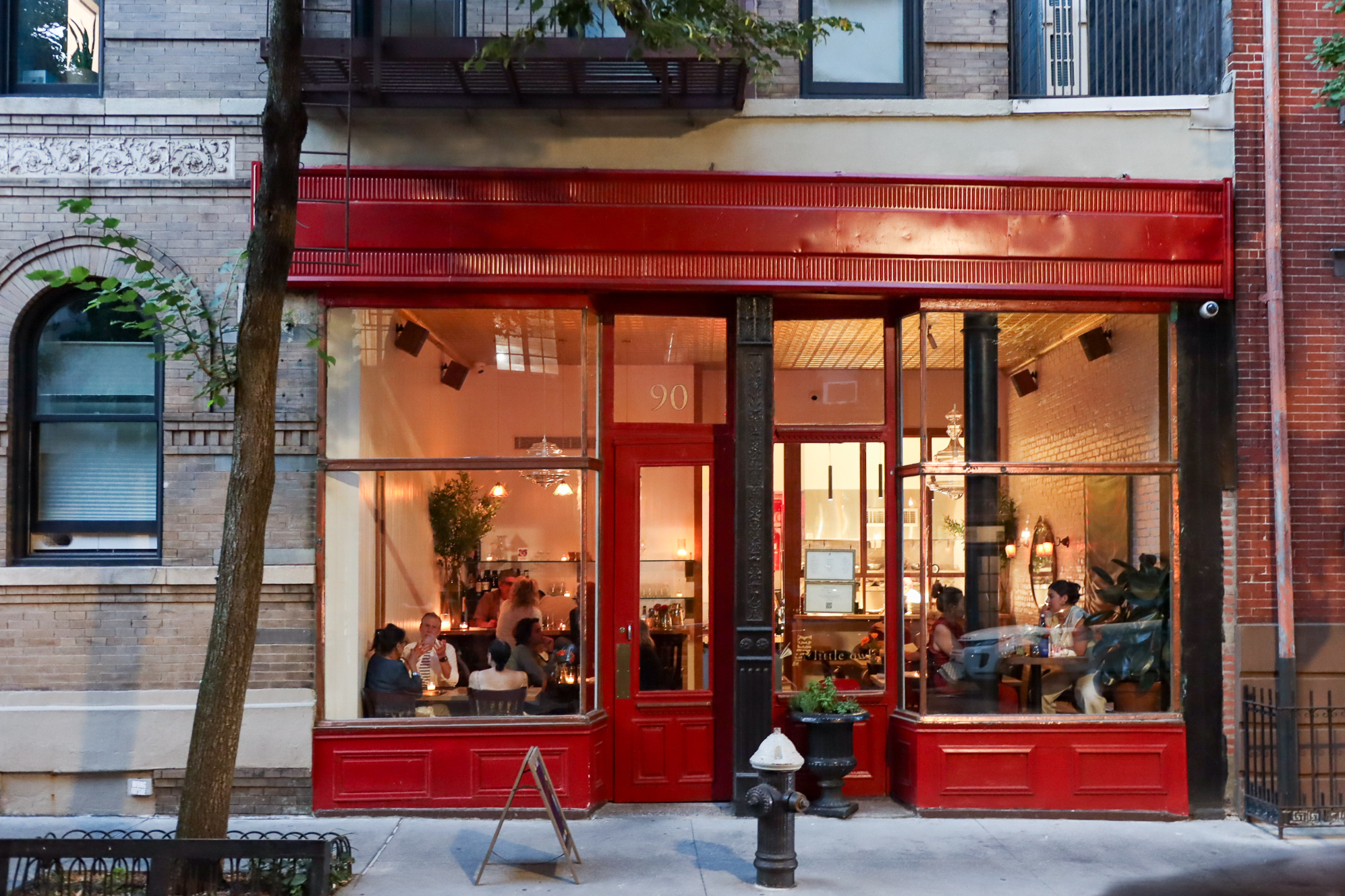
Twenty years ago, chef Joey Campanaro opened a tiny restaurant on a quiet Greenwich Village corner with nine tables, no reservations, and no liquor license.
He wasn’t trying to build a restaurant empire, like many around him at the time. He wasn’t chasing trends or looking to create the next big destination in dining. He simply wanted to cook what he liked and create a place with intimacy on a quaint New York street. Drawn to the modest footprint at Bedford and Grove, he opened The Little Owl in 2006.
“I wanted everything as easy as possible,” Campanaro told me over lunch at The Little Owl in May.
Two decades later, it remains one of the neighborhood’s most beloved corner restaurants—no small feat in an industry where lasting beyond five years is often a marker of success. But creating that kind of staying power was far from easy.
It doesn’t hurt that, much to Campanaro’s surprise, the building he landed in also happens to be part of television history. The corner building at Bedford and Grove, where The Little Owl has lived since 2006, was used for the establishing shots of the apartment exterior in Friends. And though the show went off the air in 2004, people still flock to the corner to take photos in front of the now-iconic facade. On a beautiful spring day last month, when I met Campanaro for lunch, several groups of fans were indeed taking turns getting their shots in front of the building.
Pop fandom aside, the restaurant’s longevity has everything to do with the culture Campanaro has cultivated inside those walls. “Camaraderie is very important to me,” he said, a sentiment that came up again and again during our conversation.
Growing up in South Philadelphia, Campanaro says he was often more apt to stay at a job because of the people he worked with than because of the business itself. The youngest of four children in an Italian American family, he started cleaning mats at a restaurant at ten years old. From there, every job he took offered another lesson in what kind of workplace he wanted to be part of.
From Jewish delis and Italian American restaurants to fine-dining French kitchens—and, soon enough, kitchens in New York alongside influential chefs like Jonathan Waxman and Jimmy Bradley—Campanaro found himself drawn to workplaces built on mutual respect and teamwork. Over time, he came to a simple conclusion: “Without those things,” he says, “kitchens fail.”
That understanding became the foundation for The Little Owl long before the first guest walked through the door. When Campanaro opened the restaurant in May 2006, he was already a respected chef with strong industry relationships. Still, people around him thought he was crazy for opening a restaurant so low-key, so small.
When we spoke about the opening, Campanaro paused, growing a bit emotional. So much was uncertain in those early days, but former colleagues and bosses—including Waxman and Bradley—showed up for him in ways he hasn’t forgotten. Both chefs donated several cases of wine for guests during The Little Owl’s opening days. The restaurant didn’t yet have a liquor license, so the gesture did not—and clearly still does not—go unnoticed.
“It was just people helping people,” Campanaro says.
It’s the same spirit that carries into the kitchen, where some of his staff have remained with him for decades. Chef Miguel Angel Machuca for instance, has worked with Campanaro for 25 years. Together, they’ve built a culture grounded not just in culinary skill, but in trust.
And then, of course, there’s the food.
Though “Italian” is strategically not part of the restaurant’s name—giving the team room to be creative—the menu continues to draw inspiration from the food of Campanaro’s family, especially the cooking of his mother and grandmother. “They were both excellent cooks,” he told me. Their influence is evident not just at The Little Owl, but in Campanaro’s 2020 cookbook, Big Love Cooking, written with Theresa Gambacorta.
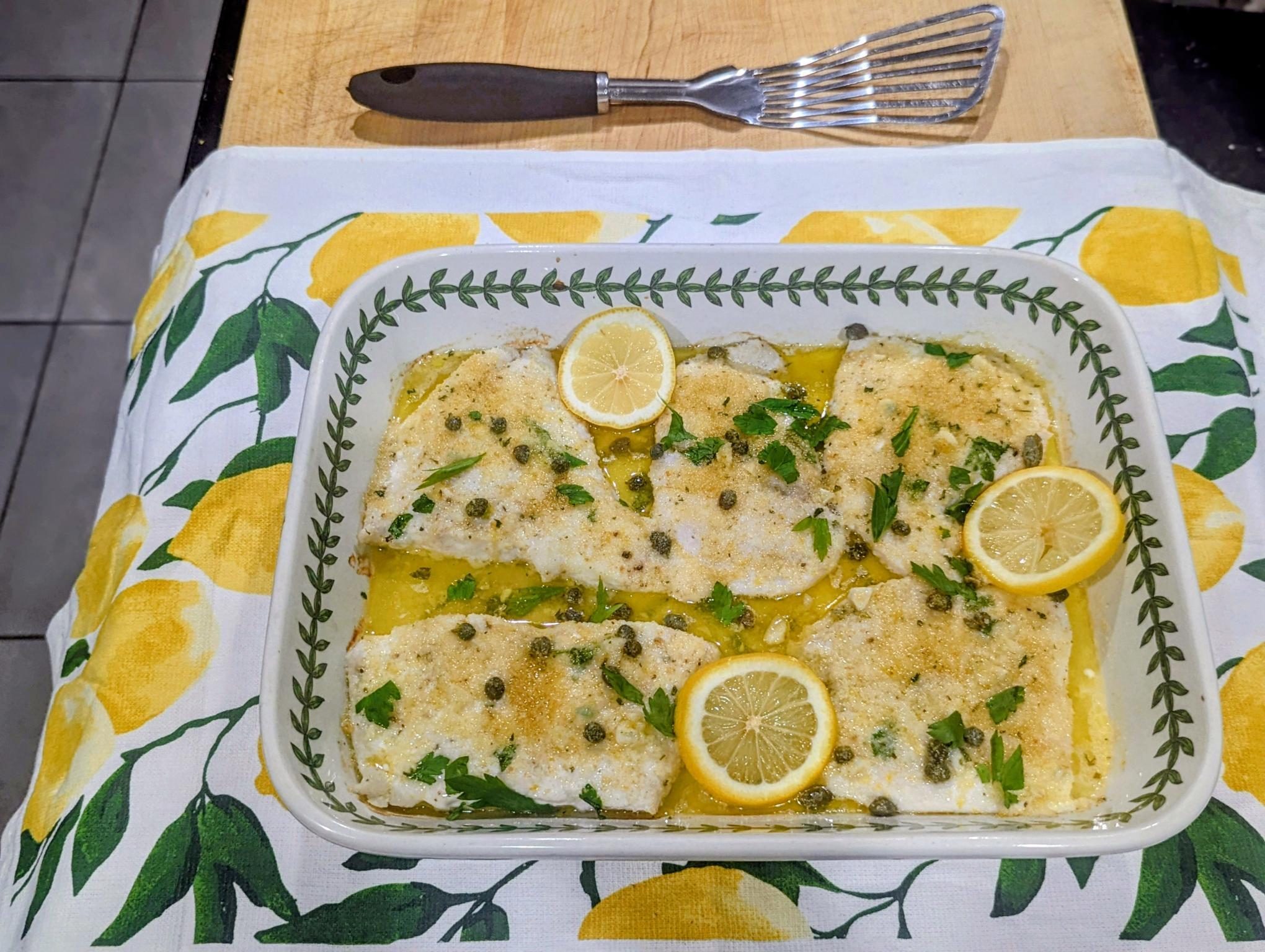
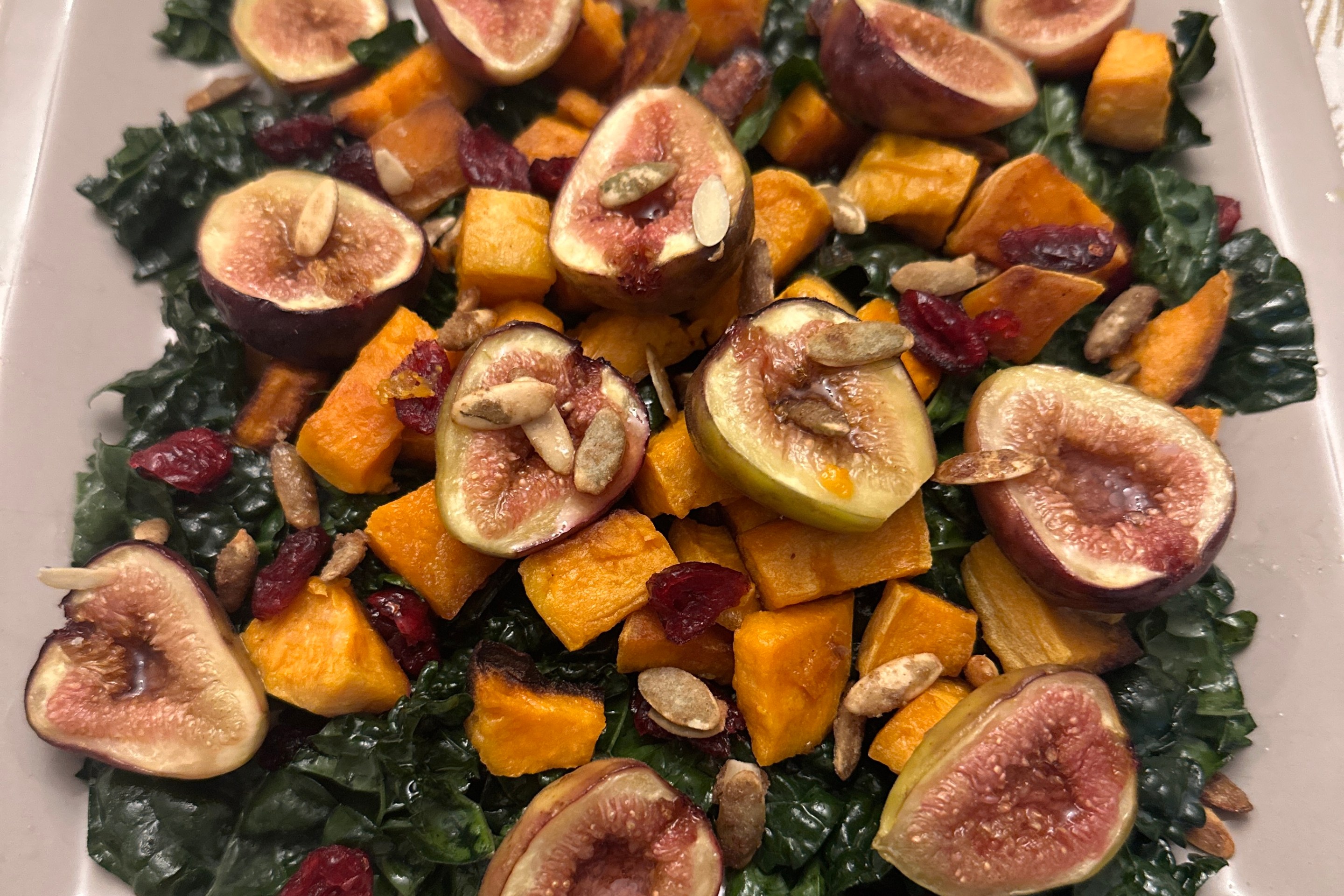
With bibs tucked into our shirts like we were five, Campanaro and I shared the porchetta sandwich, served on focaccia from Sullivan Street Bakery; it was lathered and complete with a wine-drenched jus over cannellini beans and arugula; we also happily slurped a summer chowder with leek and lobster; then, there was the grilled, smoky Mexican-style corn that I returned to more times than I can count. We finished with a citrus-almond olive oil cake and black mission fig gelato. I was done for, but smiling.
“Give people what they want and remove your ego,” he says—a mantra that has served him well at The Little Owl. It sounds simple, but in an industry often driven by personality, reinvention, and self-promotion, it is a surprisingly radical approach.
Campanaro has never viewed The Little Owl primarily as a vehicle for personal expression. Instead, he sees it as a place that belongs to its guests and its neighborhood. “People really are our product,” he told me, explaining how that same mission extends to his other restaurants—Market Table, The Clam, and Mary Lane—as well as catering ventures like The Little Owl Townhouse.
What’s in a name? The Little Owl pays homage to the historic building directly across the street, one of the neighborhood’s few surviving wooden houses. Campanaro liked the idea of his restaurant as the “little owl” looking out at the larger owl statue perched atop the landmark home facing the restaurant. “This is really about being outside,” Campanaro says, “and celebrating the neighborhood.” With a huge glass window along one side, guests can feel the intimacy of the restaurant while looking out onto a piece of Village history.
Regulars know there’s also a chance to have their own owl-like experience from inside the restaurant. “The Perch” is a loft-like bench and table set high above the action below, where a couple of guests can nestle in and feel both inside and above the bustle of the dining room.
Over the years, Campanaro has watched beloved establishments close—Pink Tea Cup, Mary’s Fish Camp, Tortilla Flats, Cornelia Street Cafe, to name just a few—leases change hands, and entire dining trends come and go. Through it all, The Little Owl has remained remarkably consistent. The menu has evolved, but signature dishes endure. The room has been updated with investments in ventilation, infrastructure, and guest comfort, but its character remains intact. Most importantly, the restaurant’s mission has never changed.
When Frank Bruni of The New York Times reviewed The Little Owl just six weeks after it opened in the summer of 2006—and sat with a group at “The Perch”—he wrote, “It has an irresistible earnestness and exuberance that explain its instant, well-deserved popularity.”
As The Little Owl marks its twentieth anniversary, there are no grand declarations about expansion or reinvention. Instead, Campanaro talks about his staff, ongoing improvements to the guest experience, and finding ways to celebrate the people who helped make the milestone possible. In a city that rewards novelty and often forgets intimacy, The Little Owl’s greatest achievement may be that, twenty years on, it still feels exactly like the kind of place Campanaro set out to build in the first place:
Want to be the first to know about Italian food events, restaurant openings and culinary travel? Subscribe to the Appetito weekly newsletter.