

Food in Italy isn’t just about eating—it’s about identity, connection, and belonging. It’s a ritual that brings people together, whether at home, in a bustling pasticceria, or at a Sunday family lunch. If you’re planning a trip to Italy, food will be at the heart of your experience. And while you don’t need to be fluent in Italian, learning through food is one of the most rewarding (and delicious) ways to connect with the culture.
The Unwritten Rules of Italian Food Culture
I’ve been helping adults learn Italian for 16 years, and one thing is certain: it’s not just about the words—understanding the culture is key to truly appreciating how we Italians think about food and life. Everyone loves Italian food, but eating in Italy comes with unwritten rules. A client of mine—a lovely woman from Georgia—once mentioned ordering a cappuccino after lunch. I laughed and said, “That’s illegal in Italy!” Of course, I was joking, but in a way, I wasn’t. The waiter might very well refuse it. Why? Food has its own etiquette, and breaking the rules might earn you some disapproving glances!
Shopping for Food in Italy
When shopping, how you speak matters. We Italians rarely use voglio (“I want”), as it sounds too direct. Instead, we say vorrei (“I would like”).
Key phrases to know:
- Vorrei questo / quello, per favore – I’d like this/that, please.
- Mi serve / Mi servono – I need it/them. Example: Mi serve un limone per la ricetta (I need a lemon for the recipe).
- Quant’è? – How much is it?
- Ho bisogno di – “I need.” Example: Ho bisogno di un sacchetto per la frutta (I need a bag for the fruit).
Cooking: More Than Just a Meal
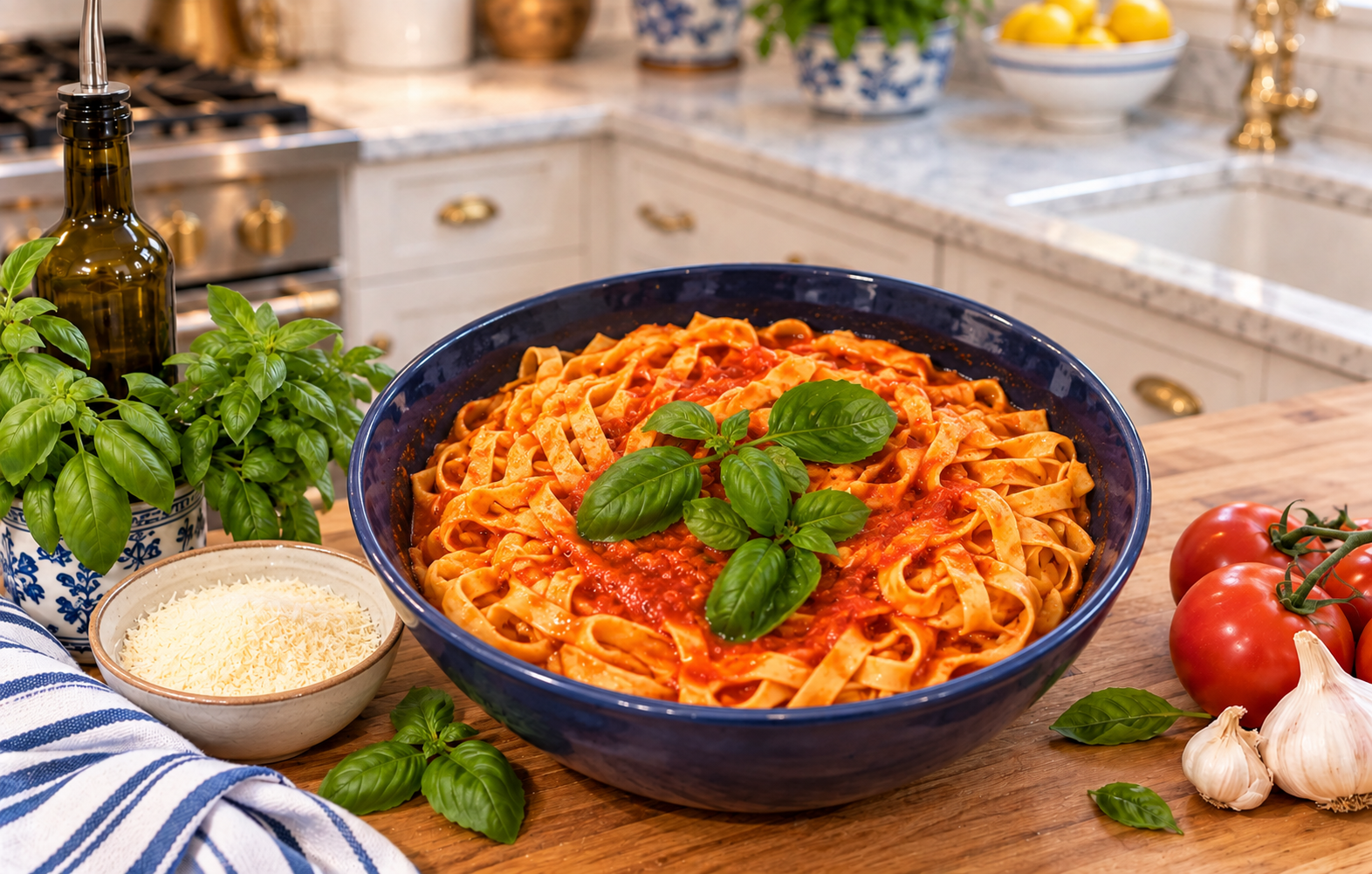
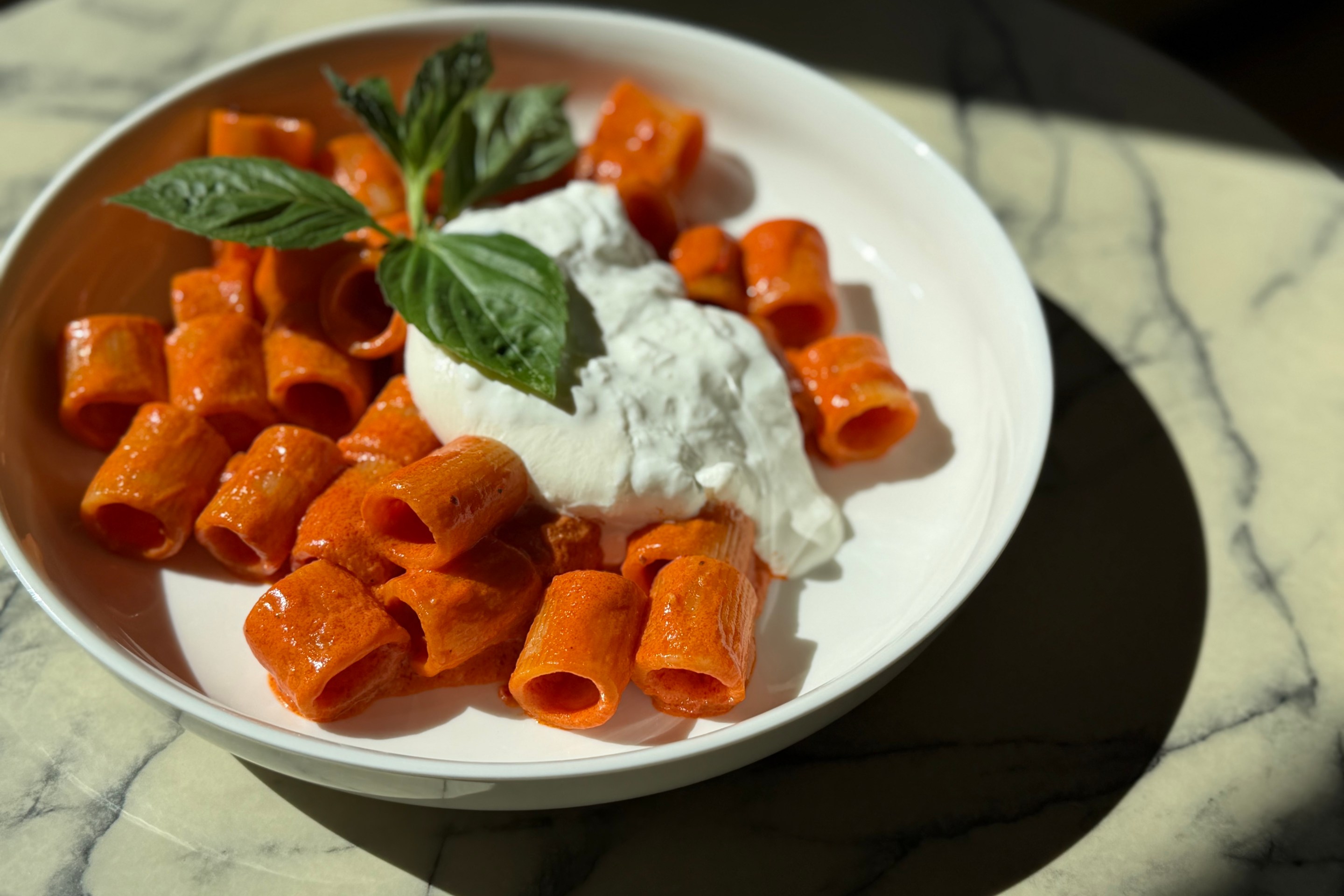
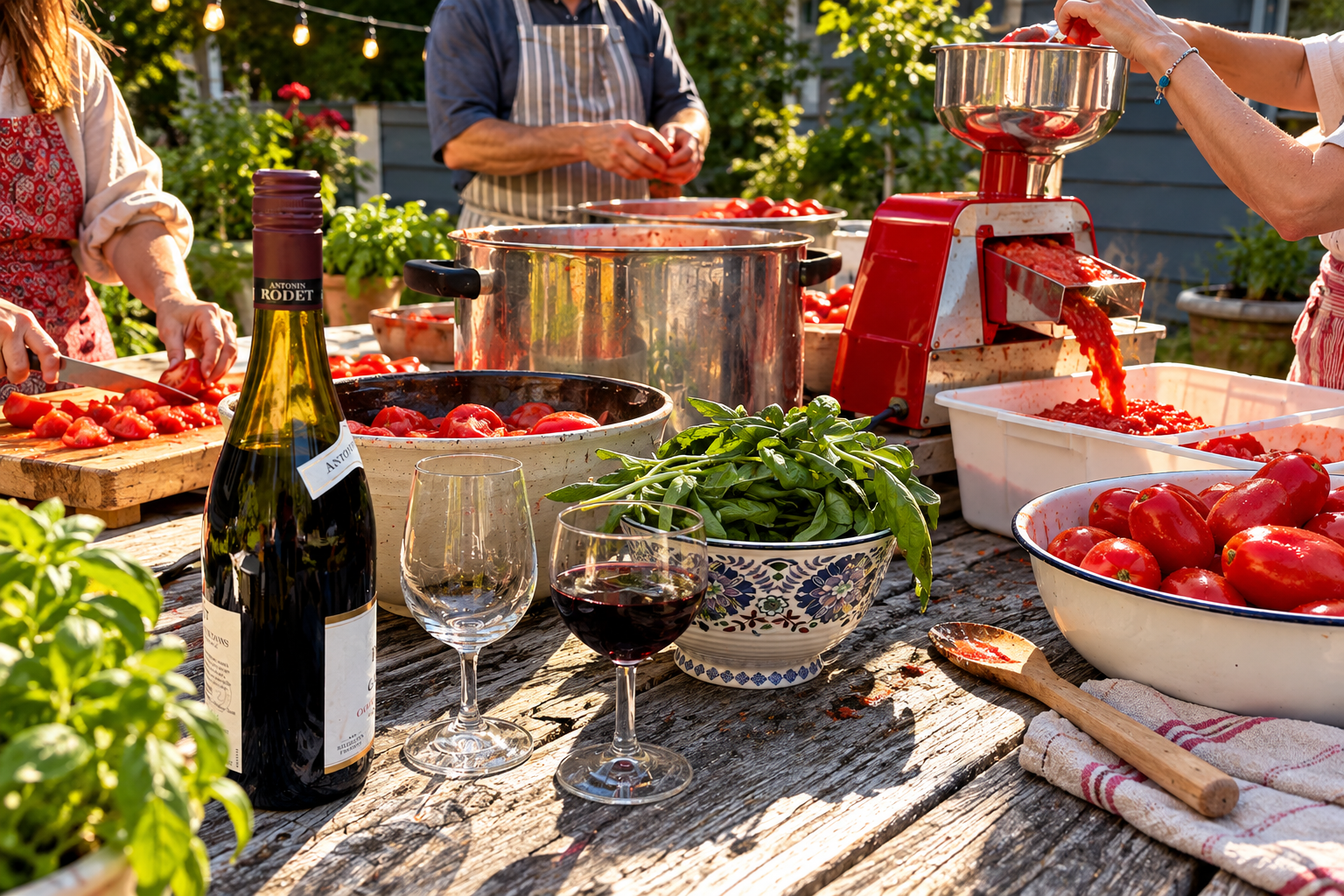
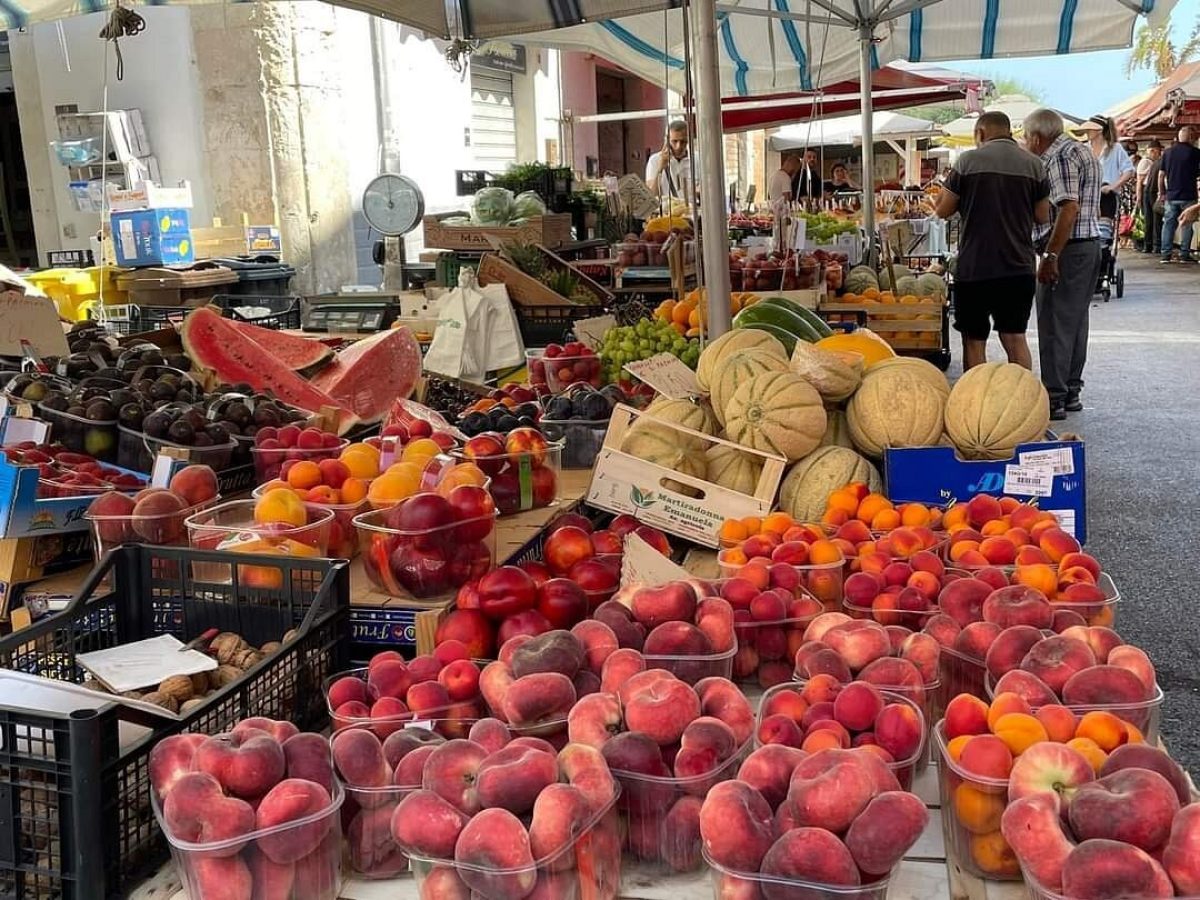
Cooking in Italy isn’t just about recipes—it’s about respect for ingredients and traditions. Walk through a market, and you’ll be greeted by vibrant vegetables, fresh basil, and aged cheese. And when it comes to pasta, there’s one golden rule: mai stracotta! (Never overcooked!). Italians love their pasta al dente, meaning firm to the bite.
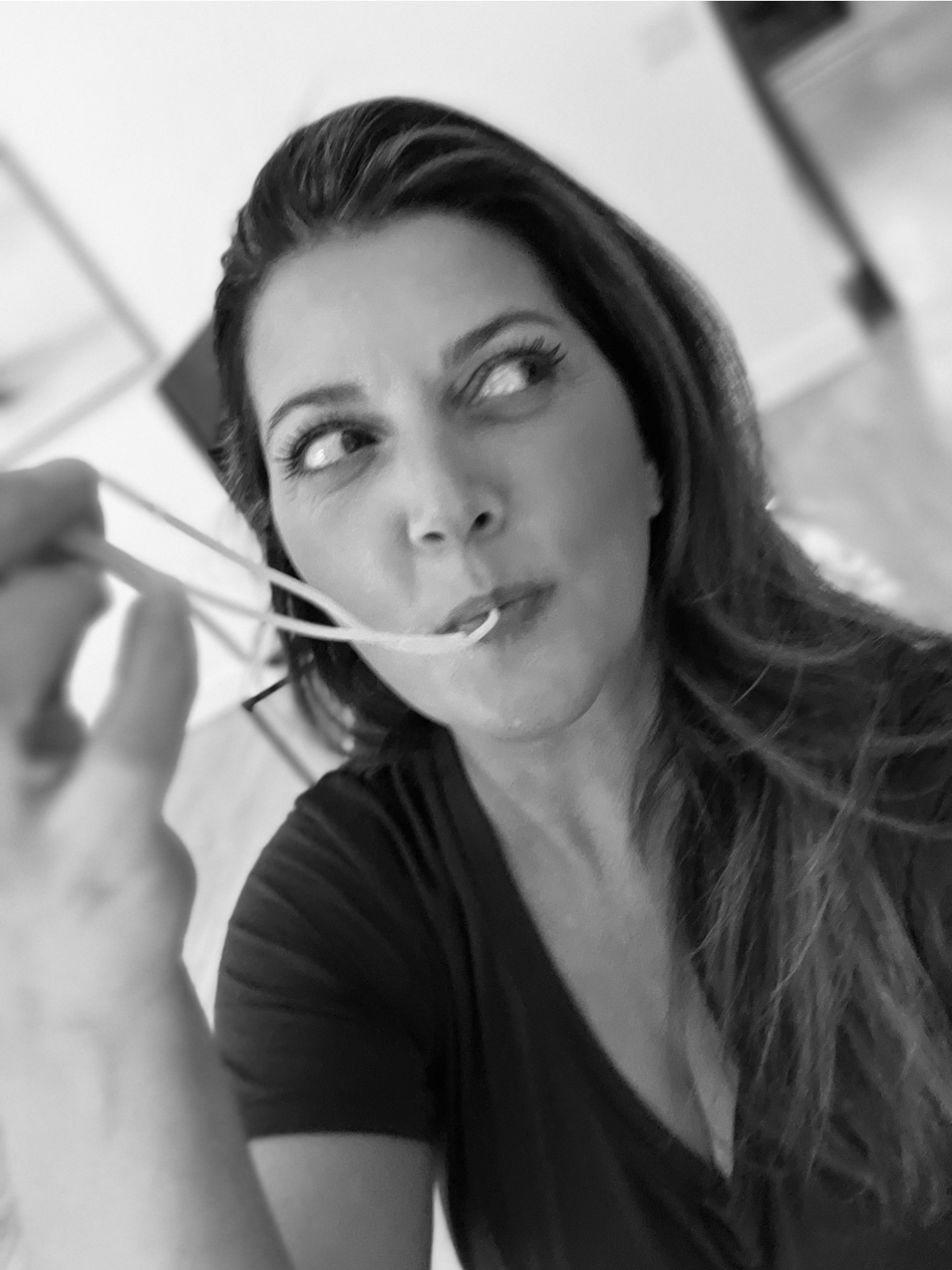
When eating spaghetti, avoid cutting it! Learning to roll it takes practice. You can use a spoon at first, but eventually, you should rely only on your fork—like children moving from training wheels to a bike.
And while pasta is typically savory, in a pasticceria, pasta refers to a single pastry, like sfogliatella. So yes, you can have pasta with your coffee—in this case, it’s sweet!
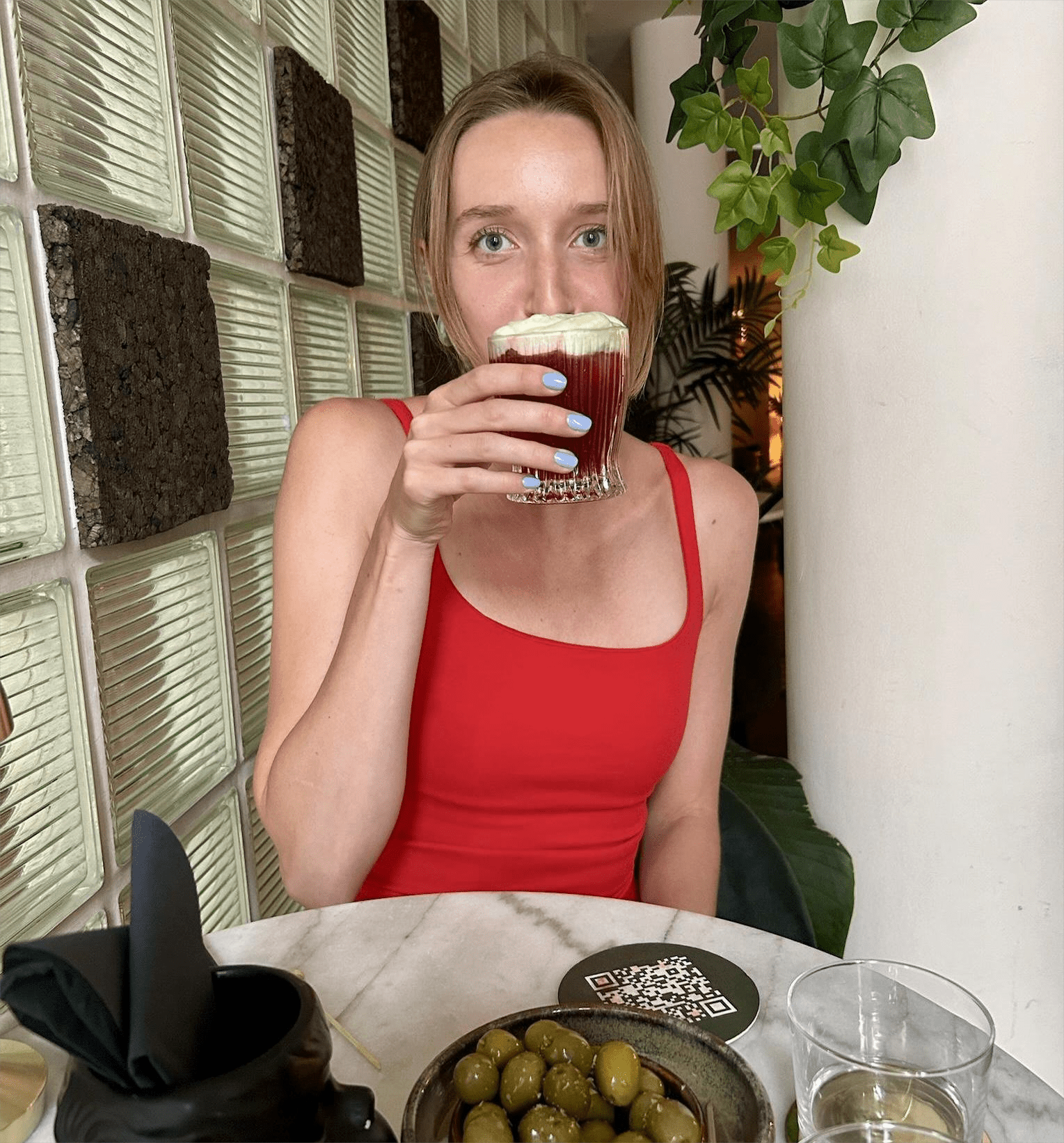
Dining Out: A Social Ritual
Going out to eat? Keep this in mind:
- Reservations: Always book a table (tavolo). Fun fact: tavolo refers to the furniture, while tavola is used when referring to the act of dining, which is why we say, "A tavola!") to call everyone to the table.
- Timing Matters: Italians eat later than many foreigners. Arriving at 6 PM? The restaurant might still be setting tables!
- Service Charge: Your bill (il conto) will include il coperto, a service charge dating back to medieval times. It’s part of the tradition.
The Italian Meal Structure
A full meal starts with an appetizer, followed by a primo (pasta, risotto, or gnocchi), then a secondo (meat, fish, or cheese) with a contorno (vegetables). Dessert comes next, often followed by fruit and coffee. Some Italians enjoy an ammazzacaffè—a digestif like grappa or limoncello—to “kill” the taste of coffee and aid digestion.
But don’t worry—we don’t eat like this every day!
Food is Connection
In Italy, food is a love language. It’s how we welcome guests, show care, and build relationships. A Canadian student was surprised when her Italian colleagues frowned at her decision to eat lunch at her desk. In Italy, sharing a meal builds trust—not just in friendships, but at work, too.
Food is always on our minds. Even while having lunch, we’re already asking, “Che mangiamo a cena?” (What are we eating for dinner?). Because in Italy, food isn’t just about nourishment—it’s one of life’s greatest pleasures, meant to be shared.