

In Italian, food is rarely just food. It organizes time, relationships, and expectations. This column explores Italian sayings and proverbs as ways of thinking shaped at the table.
These expressions preserve that knowledge in compact form. Read literally, they speak about eating. Read more closely, they offer insight into how experience, pleasure, and social life are understood.
The aim is simple: to treat language as another ingredient—handled with care, tasted slowly, and shared. No prior appetite required. It tends to arrive along the way.
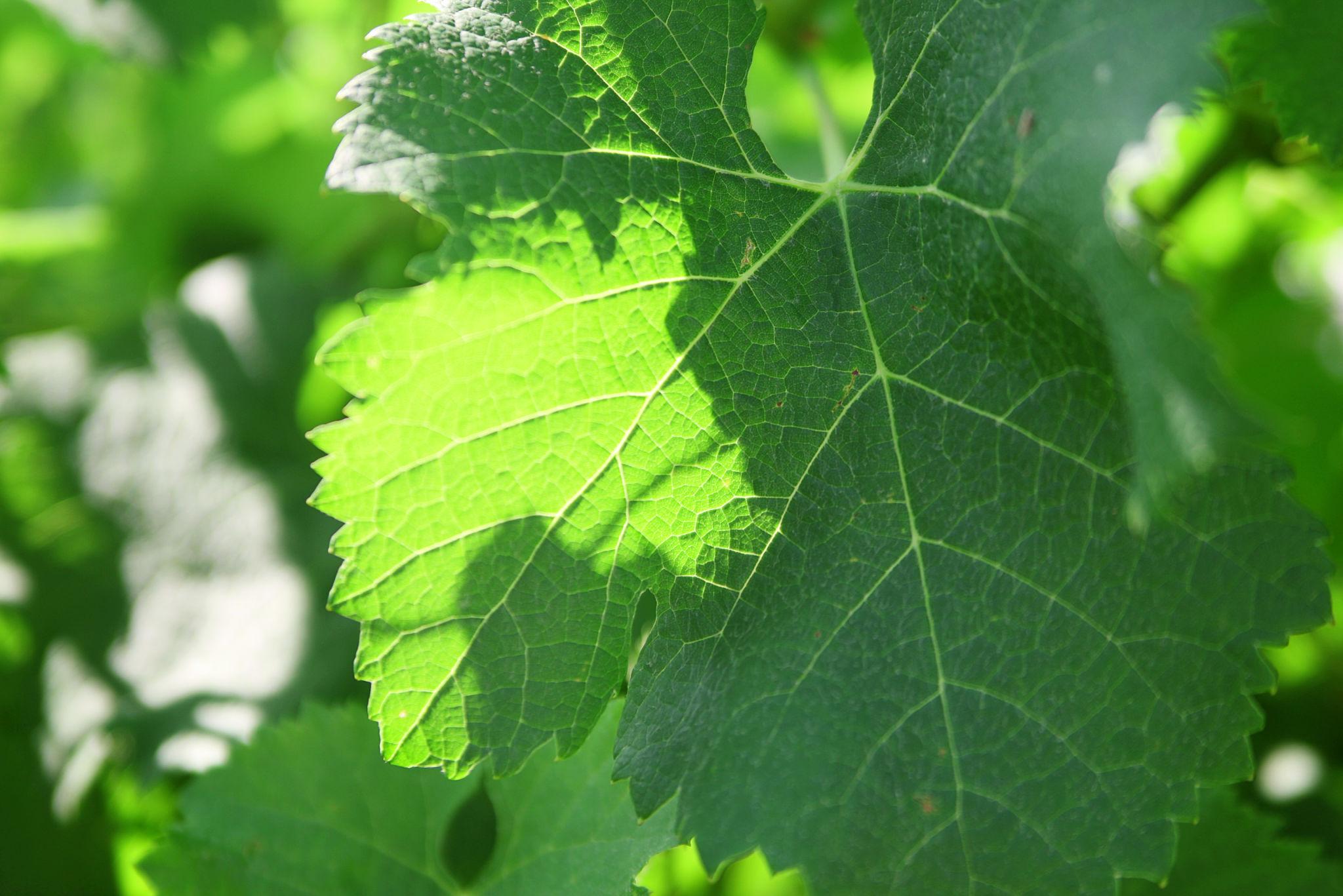
Mangiare la foglia
Literal translation: “To eat the leaf”
Meaning: To catch on immediately; to see through a situation or grasp hidden intentions
As you may already have noticed, in Italy the act of eating carries an extraordinary expressive force. It does not stop at nourishment. Eating becomes a way of articulating meaning, perception, and social awareness. Its reach is such that what ends up being “eaten” is not always something one would normally recognize as food.
This is where Italian offers one of its most revealing expressions: mangiare la foglia, in which the object at hand belongs not to the human table, but to an animal logic—an expression Italians use with ease, even if its underlying logic is not always fully grasped.
Although the precise origin of the expression remains uncertain, it likely points to a rural horizon, grounded in the careful observation of a familiar animal behavior: creatures—whether sheep, goats, or even silkworms—testing leaves before consuming them, instinctively distinguishing what is safe from what is not. They pause, sample, reject. A small, instinctive test—quick, silent, decisive, repeated countless times in the rhythms of everyday survival. In other words, before they eat, they already know what they are dealing with.
Enjoying this article? Browse more of Samuel Ghelli's articles.
There are moments—common, almost ritualized—in which nothing is stated outright. A remark hovers without landing, a suggestion is merely sketched, an intention deliberately left under-articulated, almost suspended in midair. In such situations, what matters is not what is said, but whether the other person has already caught on—whether they have understood what is really happening, sometimes even before the speaker fully realizes what has been said.
In Italian, eating becomes a model for understanding itself. Meaning, like food, is not held in the hand to be examined, but tasted. One does not grasp or clutch meaning, but lets it pass inside—much as one eats.
If we look at American English, a different model comes into view. The closest equivalents—"to catch on,” “to get it,” “to pick up on something,” “to get the hint”—tend to describe understanding as a form of grasping or detecting. One “gets” the idea, “catches” the meaning, as if sense were something moving past that one intercepts and holds.
Either way, it stays outside. In Italian, it goes in.
Saying that someone has mangiato la foglia implies an ability to navigate what is only partially said, without forcing it into clarity, without needing to name it outright. In contexts where communication proceeds through hints and allusions, this becomes a form of competence, almost a tacit social skill. One does not ask questions, does not request clarification, does not demand explicitness. One adjusts, responds, moves accordingly. One eats the leaf.
The expression also suggests more than comprehension alone. It does not simply mean that someone understood, but that they understood at the right moment—which, in Italy, often matters more than understanding itself. Understanding too late, after all, is a bit like arriving at the table when everything has already been cleared away.
What begins as a puzzling image gradually settles into coherence. A leaf—insignificant, unexpected, barely food at all—becomes the vehicle for a precise idea: that understanding is not only an intellectual exercise, but something that can just as easily pass inside. It happens silently, often without everything being spelled out.
Want to be the first to know about Italian food events, restaurant openings and culinary travel? Subscribe to the Appetito weekly newsletter.