

If you walk into my family’s pizzeria, D’Arc’s Pizza in Windber, on a Friday evening, the first thing that hits you is the unmistakable smell of the dough as it cooks in the deck ovens. My mom used to bake bread every Friday, and I inhaled the same unmistakable scent before I took my first bite of a warm slice smothered in butter and homemade jam.
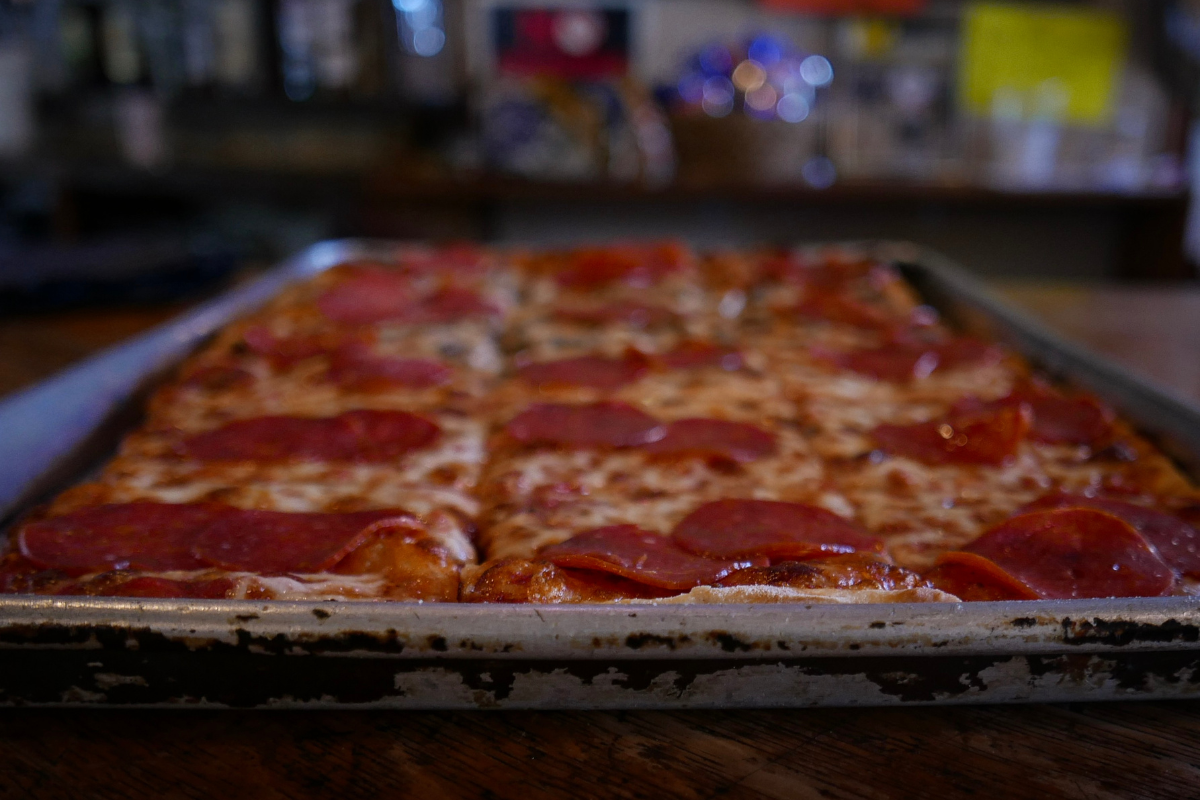
Our pizza has always been made the the exact same way for more than 65 years. Come in and mix the dough, allow it to rise and roll out your trays. Place them on rising racks, grate the cheese and mix the sauce. At 3 p.m., the phone starts ringing off the hook. You fill the oven with the seasoned steel pans, and the sweet, slow-cooked crushed tomatoes bubble along the edges. Whole-milk mozzarella blisters and browns until it’s time to take it out, slice them and box.
But pizza making didn’t always happen this way. In fact, if you turn back time and head straight into the region of Abruzzo, it has it’s own dough traditions and uses that date back centuries.
Abruzzee pizza from the coast to the Miaellas
I just wrapped up an entire week in Abruzzo, traveling from the coastal towns high into the mountains, tracing pizza's roots and eating my way through the local pizza landscape. I spent at spots like Otto Mezzo and Da Pugliese and Di Florio Francesco. Over that week, standing in the morning shadow of the snow-capped Maiella and looking out over the olive groves between Lanciano and Chieti, I was reminded of a hard truth: our ancestors weren't dreaming up five-cheese blends or weekly specials.
Many of them were contadini, or peasant farmers, who relied on the land and what they could grow to survive.
Pizza Scima: The bread born of impatience and emptiness
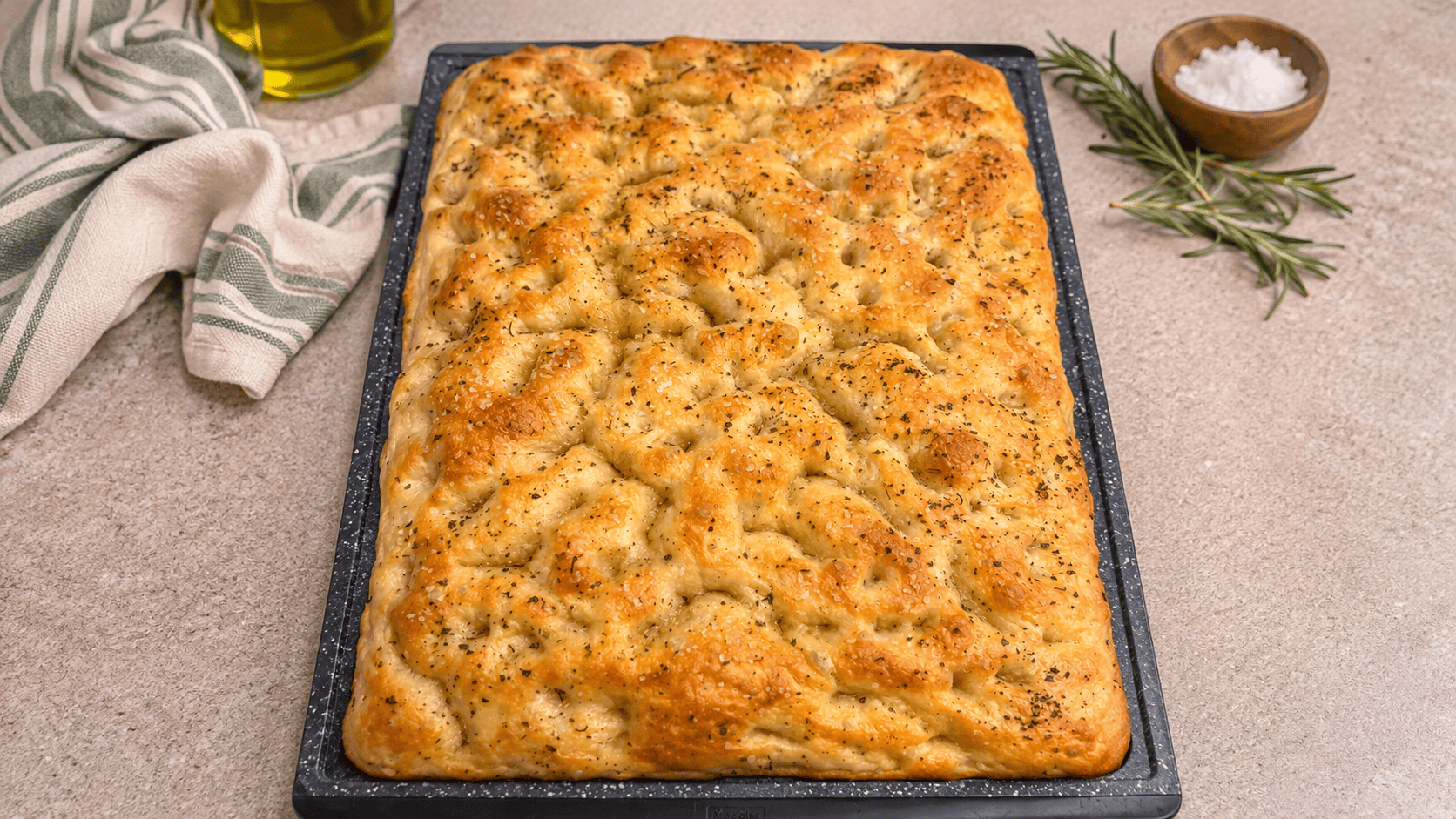
Mention the word "pizza" to an American, and their brain automatically conjures a round disk lacquered with red sauce and stringy cheese. But in the ancient dialect of Abruzzo, pizza simply meant a flatbread, an uneven disk of dough baked over fire.
The purest, most defiant expression of this is pizza ccima (or pizza scémë), a culinary staple in towns like Lanciano and Casoli. In the local dialect, scima stems from scema, meaning "foolish" or "silly." The joke? The dough was too foolish to rise because it contains zero yeast.
Life in high mountain villages revolved around brutal farm shifts and communal bread days that took place only once every week or two. If the village oven wasn't fired or if a farmer dragged himself in from the fields starving, there was no time to nurse a lievito madre or wait 12 hours for a fermented dough to bubble.
They grabbed what sat in front of them: coarse local wheat flour, cold water, a generous glug of pungent, green Abruzzese extra-virgin olive oil and a pinch of salt.
They worked it fast on a wooden board, flattened it into a rough disk, and scored the top into sharp diamond patterns with the back of a knife. The dough was laid directly onto the hot hearthstone, sealed under a heavy domed iron lid called a coppo and buried under glowing oak embers and hot ash.
The result wasn't a soft, airy crust. It was dense and crumbly, rich with grassy olive oil and blistered with smoke. You didn't slice it with a wheel; you broke it apart along the diamond score marks with your hands. You ate it warm with a sharp sliver of aged pecorino from sheep’s milk or wild mountain greens wilted down in pork fat.
Love discovering Italy one bite at a time? Subscribe to the free Appetito newsletter for the latest in food, travel, recipes, and Italian culture stories.
La Calatella and dough baked in the ash
Long before commercial ovens had digital temperature probes, baking in Abruzzo was an exercise in fire management often holding a bare forearm over the stones.
Whenever bread dough was mixed inside the wooden madia (dough trough), bakers pinched off small scraps of dough to test the heat of the oven floor before the heavy loaves of pane went in. These test scraps, known locally as calatella, were slapped flat against stone, tossed directly into the white-hot wood ashes and cooked in minutes.
You fished the dough straight out of the fire, beat the gray ash off with a coarse linen cloth, drowned it in peppery, raw olive oil and ate it standing by the flames.
There was no white sugar to feed the yeast. No refined, bleached flour. The grain of choice was Solina wheat, an ancient, cold-hardy mountain grain cultivated in the Apennines since Roman times. It carries a nutty, almost grassy aroma that modern commercial white flours couldn’t replicate if they tried and produced a dark, tight-crumbed dough.
When dough met the pig: Pizza con i Fringhe
When winter settled in and the freezing winds poured down from the Maiella, the dough culture adapted to the animal that kept mountain families alive: the pig.
After the annual winter slaughter, waste was a cardinal sin. Every scrap of fat was slowly rendered down into clean lard (strutto), leaving behind crisp, golden nuggets of pressed cracklings known in the local dialect as ciccioli or fringhe.
Rather than brushing dough with precious oil, home bakers folded warm lard and crispy fringhe directly into rustic yeast dough. As the bread baked under the embers of the coppo, the pork fat liquefied into the crumb while the cracklings studded the crust with savory crunch. It was high-calorie fuel for shepherds driving their flocks along the frozen high plateaus of Campo Imperatore.
The great American pizza translation
When my great-grandfather packed up his life, left the hills of Abruzzo behind and descended into the coal mines of Windber, he brought the culture and recipes along with him. The immigrant women who, at that time, held together the home started to use white flour, which was cheap and plentiful. Canned San Marzano tomatoes were stacked on grocery shelves.
Over decades of transformation and practice, our families created something remarkable: Italian American pizza. It was built on the recipes of our ancestors, using the ingredients they found in America. Today, pizza has evolved to entirely new levels created by talented artisans all over the world, using their own culinary traditions, and local ingredients.
Yet, after spending the week in Abruzzo, I felt like I'd come full circle. And while I love American pizza with all my heart, breaking off a piece of unleavened pizza scima, tasting the grains and fire, gives eating it a whole new meaning.