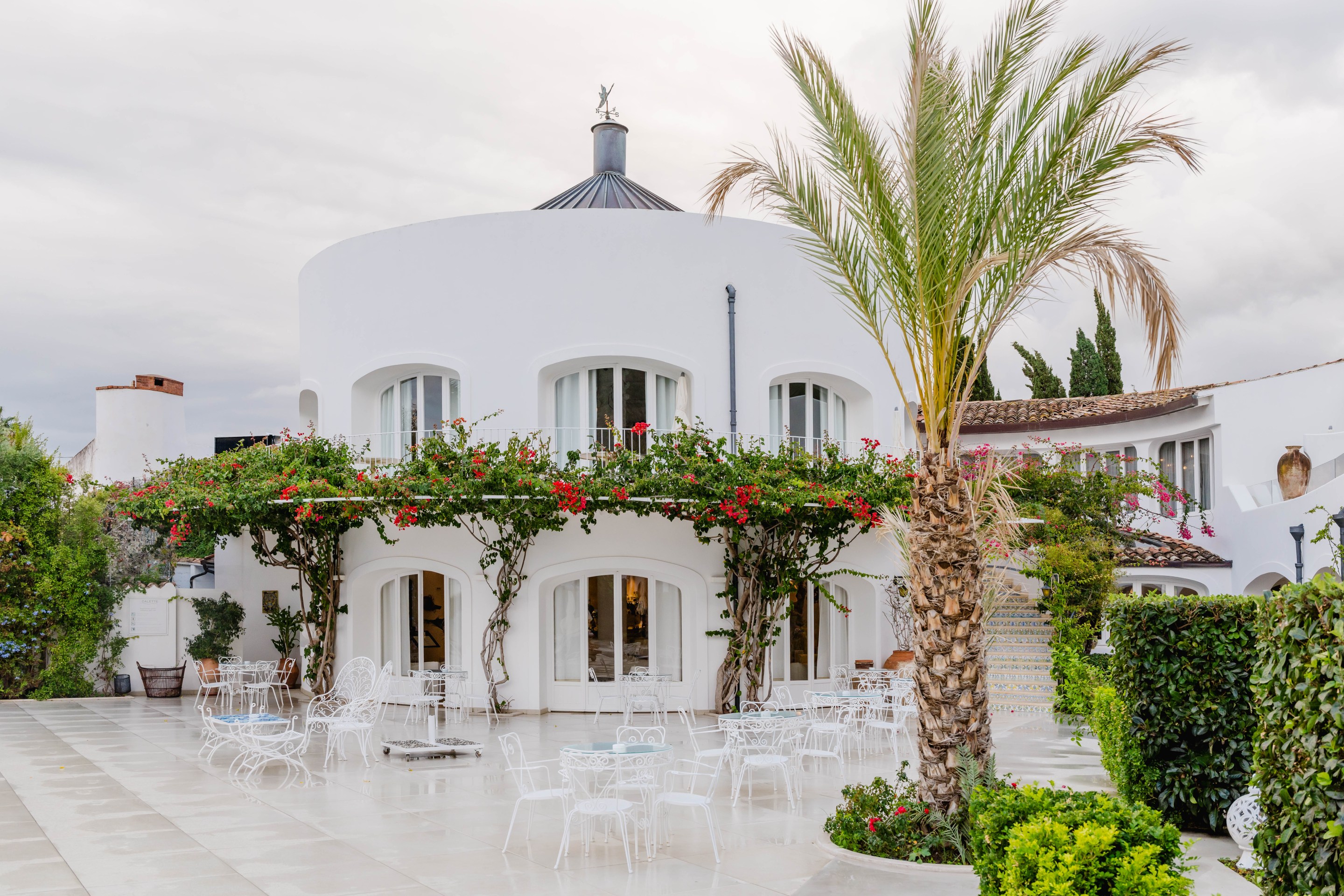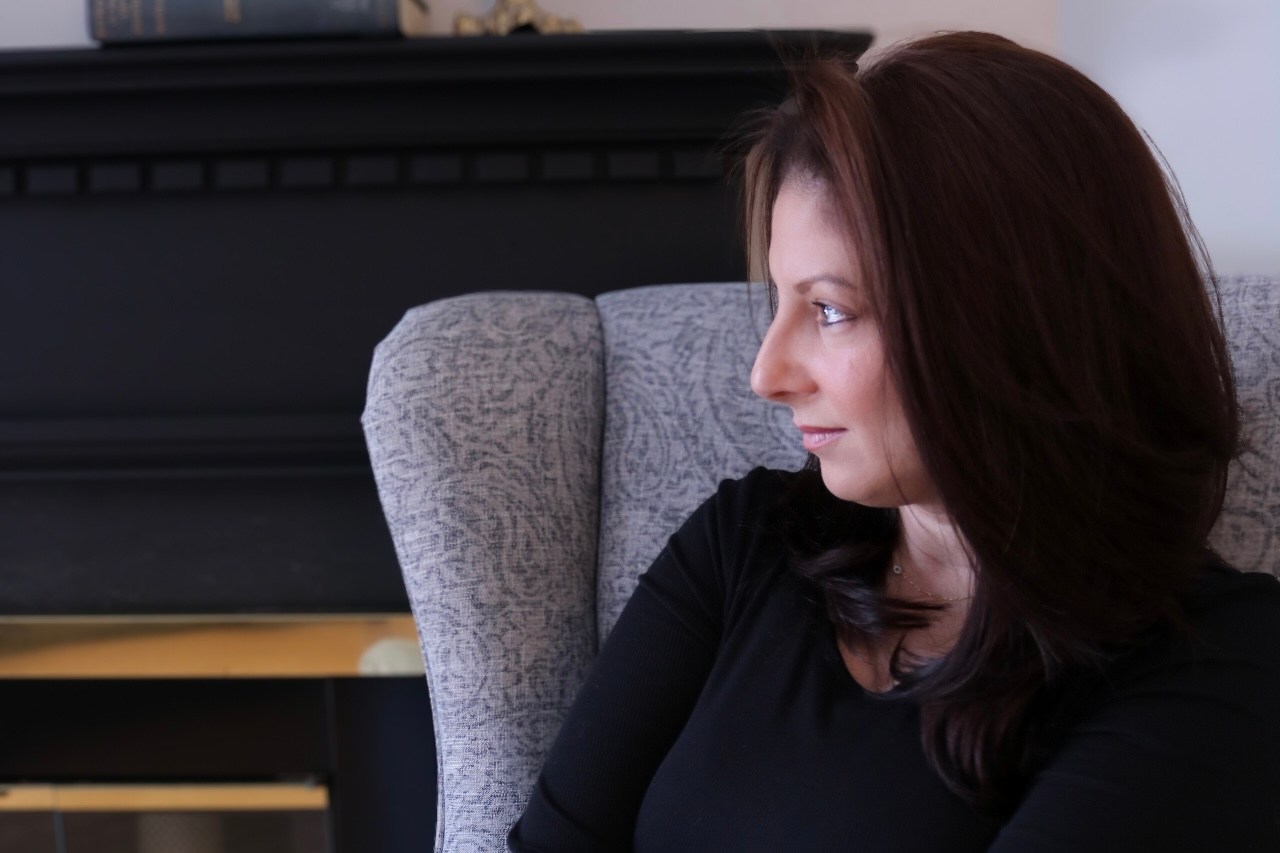


In the rolling Tuscan hills outside Trequanda is a magical property, Fattoria del Colle, owned by winemaker Donatella Cinelli Colombini.
Donatella’s journey into winemaking began when a single request changed everything.
I visited her vineyard and property Fattoria del Colle, in Trequanda, Tuscany where I met with her team, toured her property and later talked with Donatella herself about the philosophy behind her work and her hope for a lasting legacy.
Once upon a time
First of all, what a stunning property. The olive groves, the vineyards, the home and apartments. Tell me about the history here.
The villa was constructed by my ancestors, the Socinis, in 1592. They were jurists
and philosophers from Siena who participated in the Protestant Reformation. The political climate forced many to flee after being branded heretics. They eventually settled in Poland and Switzerland, where they founded the Socinian church. My mother’s family, the Colombinis, were Sienese bankers who resided in Montalcino during the Middle Ages.
So, the Socinis were quite defiant for their time.
Yes.
What happened after they fled?
The property of Fattoria del Colle and all of my father’s family belongings were
confiscated.
After all those years, centuries in fact, how did your family end up with ownership again?
My great Grandfather, Livio Socini bought back the estate after bankruptcy from another family in 1919.
Buona fortuna! What an incredible reversal of fortune. I know Tuscany was amid emerging struggles at that time due to tensions from the mezzadria system. Did any issues or problems arise from this system?
Not to my knowledge. In fact, in our vineyard the contracts are on the wall of all the farmed items and all the families that lived and worked here. We started restoring the vineyards, created an inclusion of cereals and grains and animals on the farm to increase food production.
Thirsty for more? Explore Appetito's wine coverage.
Enchanted Land
Once the estate was back in family hands after World War I, what was happening on the property at that time?
In the early part of the 20th century, the home served as hunting accommodations and as a place to host bridal parties. Casato was handed down through the male line of my family until my grandmother Giuliana Tremanti married Giovanni Colombini. Then in 1998, I inherited Fattoria del Colle from my father, and the Montalcino estate, Casato, from my mother Francesca.
Your mother, Francesca, also owned the renowned winery Fattoria dei Barbi, which I've visited. It’s an idyllic property with enchanting wines. The Brunello is fabulous.
That’s right. That estate went to my brother Stefano, and I received these two
properties, both in need of renovation work.
With your art history background, they must have known you would restore them with a clear vision in mind.
Yes, but I knew I would face many challenges. I studied art history, not enology, so I needed a cellar master to manage the winery. That was my first major challenge.
The Princess and a dream
How did you go about finding one? I understand the University of Siena has a good enology program.
They were my first call. I asked for a good student to hire, and they told me that all the students were booked and the waiting list was quite lengthy.
They were referring to male students, I assume?
Exactly, so the next day I called again and asked for a female student, and they told me that there were plenty as the wineries didn’t want them, that females, “were not requested.”
Was that expected? That women students were overlooked?
Discrimination was so rampant, and widespread that it was “normal.” So in that
moment, I decided to prove them wrong—that women have the knowledge and skillset to produce great wines just like men.
Brava. So, you had a major turning point.
Yes, I renamed the Property Casato Prime Donne and hired winemaker Barbara
Magnani. Barbara is still here; she heads wine production for both vineyards and has done incredible things—she has established our wines to levels of international recognition. I also brought in Valerie Lavigne from Bordeaux as a consulting oenologist.
Very impressive. Did you face any sort of obstacles due to these choices?
Of course. Everyone thought that by hiring an entire staff of women, especially with two women at the helm, that it was a marketing ploy, but it wasn’t. I believed setting an example of female leadership was needed to change the face of winemaking and of Brunello in particular.
Understandable, Brunello is seen as a masculine wine, strong, bold....
Yes, typically sold and marketed to a male consumer. I wanted to be inclusive of
women in that market as well and that is when the Casato Prime Donne Award was established.
Prima Donna and a dream
Can you tell me more about that award and what inspired you to create it?
It was inspired by all those early challenges; I wanted to promote this area of
viticulture and women who have big dreams to transform the world.
The primary award honors journalistic and photographic excellence in stories about Montalcino, its territory and wines. We also recognize women who have achieved extraordinary measures in their respective fields.
Speaking of dreams, you have a wine born from a dream.
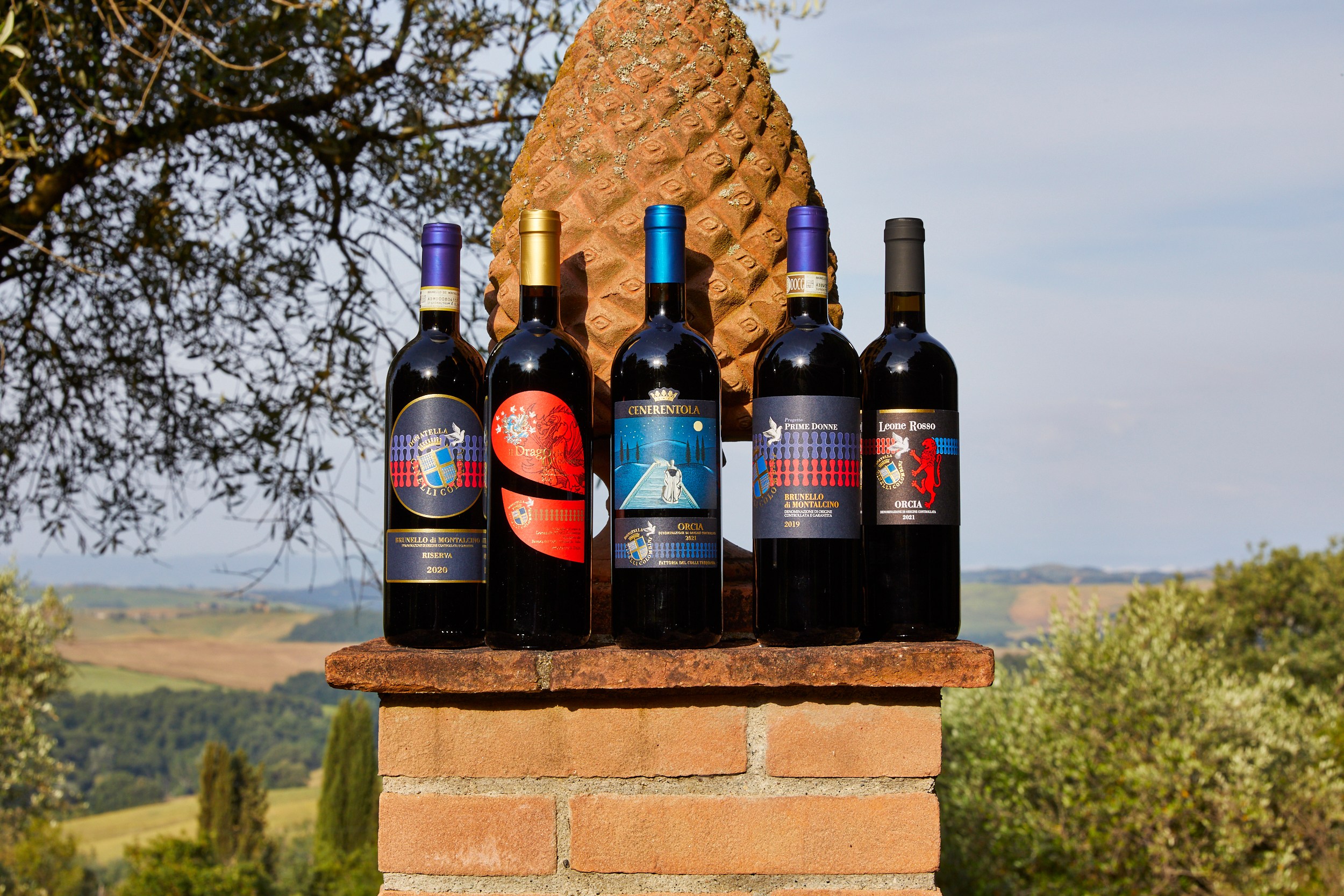
I do. This wine is Cenerentola DOC, from Orcia.
The ages old fairytale of Cinderella.
Yes, and like her, it was born out of the desire for love—this place, it’s beauty and it’s hardships. The dream was to create a wine that could stand amongst giants, Brunello and Vino Nobile.
A formidable and brave ambition, taking on two of Italy’s most famous wines. What is the basis for this wine, Sangiovese?
Sangiovese along with Foglia Tonda.
The ancient autochthonous variety.
Yes, we had it on the property, but poor farm practices along with phylloxera in the 19th and early 20th century made the grape almost extinct.
Fascinating, I have never tried it.
It is intense, powerful and has very deep pigmentation and is the ideal grape blend for the elegant Sangiovese. We had a few hectares of the variety here, and I wanted to bring
it back from oblivion.
I love that you are preserving ancient viticulture.
Thank you, this is an important part of the work that we are very proud of. This wine has wine critics raving about it and is sold in over 15 countries.
That is a fairy tale ending — happily ever after.
It is, but there are always more dreams to fulfill. My winery is proof that women can choose their future. We started by replanting vineyards and building the winery 25 years ago, and now we export to 44 foreign markets and have 10 wines with international ratings above 90 points out of 100. And still, an all female team.
This interview has been edited for clarity.
The wines are available from retailers across the U.S. Explore the wines.
Plan a visit to the estates. Donatella Cinelli Colombini