
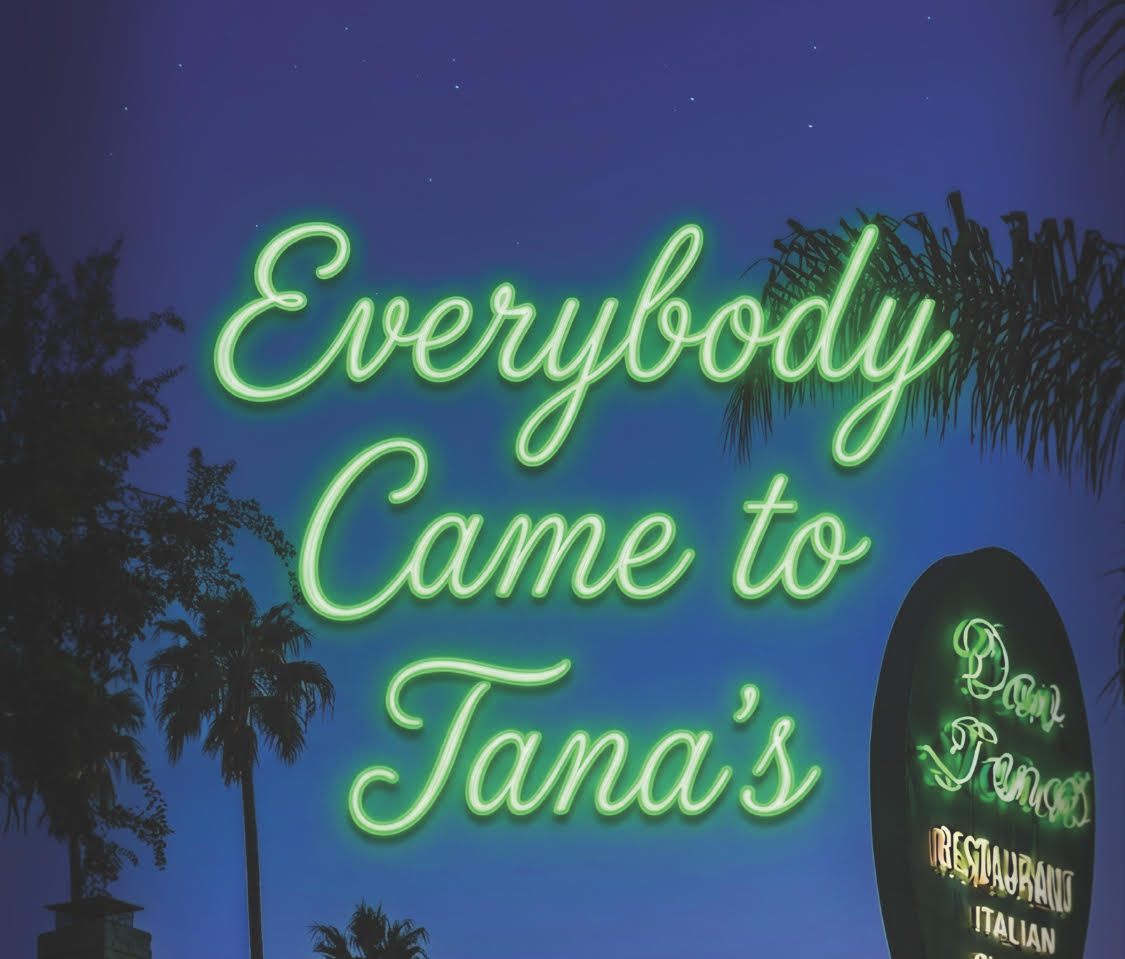
“People become regulars because the restaurant feels like home. Indeed, it becomes a home away from home” - Dan Tana, from the pages of Everybody Came to Tana's.
This quote from Dan Tana’s 2026 memoir dovetails nicely with the inspiration behind my first foray into what can be considered “food journalism.” It was a 2011 observation, Going Out to Eat Has Nothing to Do With the Food, about a disastrous (yet redeemed) fine dining excursion with my oldest, closest friend (I would later use this misadventure to launch a novella, Pasta Mike: A Story of Friendship & Loss).
The big idea was that hospitality is the secret ingredient in any dining experience. I’ve been thinking about this ever since and especially as of late as hospitality, it seems, is becoming less and less of an emphasis at restaurants of all stripes. I mean, I get agita, soon after being seated, when my GenZerver tells me and my company that we have our table for only 90 minutes…Ninety minutes?!? I’m just getting warmed up around then. And the music is so loud; the tables too tight; the service so indifferent. I could go on…
This is what made Everybody Came to Tana's (Radius Book Group) such a treasure to me. Yes, of course, the main story is about a remarkable life: An American Dream writ large about a refugee from war torn Yugoslavia who used his talents as a young soccer star to escape to greater Europe, then Canada and finally Los Angeles, where he would become a successful actor, film producer, soccer league entrepreneur and the unlikely restaurateur of Tana’s - a legendary Hollywood hangout for elite celebrities as well as the everyday residents of Los Angeles.
Yes, the upscale Italian food was (and still is) apparently very good, but the egalitarian nature of the owner - and the ethos it exuded throughout the establishment - is what made Tana’s special. There was no status at Tana’s. No special accommodations for the rich and famous. No photos. Everyone was equal, and everyone was made to feel special. This included his staff, many of whom worked there for decades.
An apt anecdote is when Barbara Sinatra offered Mr. Tana an extraordinarily generous sum to close the restaurant for her husband’s private birthday party; the owner refused, not wanting to alienate his regulars, even for one night on behalf of one of the world’s most famous entertainers. The Sinatras never returned, but the 20 tables in the community oasis of Tana’s remained full every night.
This is a posthumous memoir. Mr. Tana passed away at age 90 in 2025, a few months after completing his book and 65 years after opening Tana’s. I had the opportunity to speak by phone with his two daughters, Gabrielle and Katerina Tana, about their remarkable father and his approach to hospitality.
“He wasn't interested in being exclusive ever. There were athletes, there were film people, there were doctors, and everybody was rubbing elbows with each other,” said Katerina. “And there's something very democratic about that, and that was our father.”
Gabrielle added: “There's so many different kinds of communities that found a home there, and that was his gift. He was so fluid in different sorts of communities, all of which were a component of him. Tana’s was his home, but it was their home, too. And that was the magic of the restaurant.”
Mr. Tana often referred to himself as "the luckiest man in the world." He passed this feeling along to all who walked through his door. That's why they came.