

Sardinia is often introduced through images of white beaches, translucent water and a glamorous summer coastline. Yet some of the island’s most revealing culinary stories are found away from the sea, in orchards and family kitchens, where distinctive ingredients have survived through generations of cultivation and cooking.
Sa pompìa, or simply pompia, is a rare and unusual citrus fruit associated particularly with Siniscola and the surrounding Baronia area in the province of Nuoro. In Sardinian, sa is the feminine singular definite article—equivalent to la in Italian—so sa pompìa simply means “the pompia.”
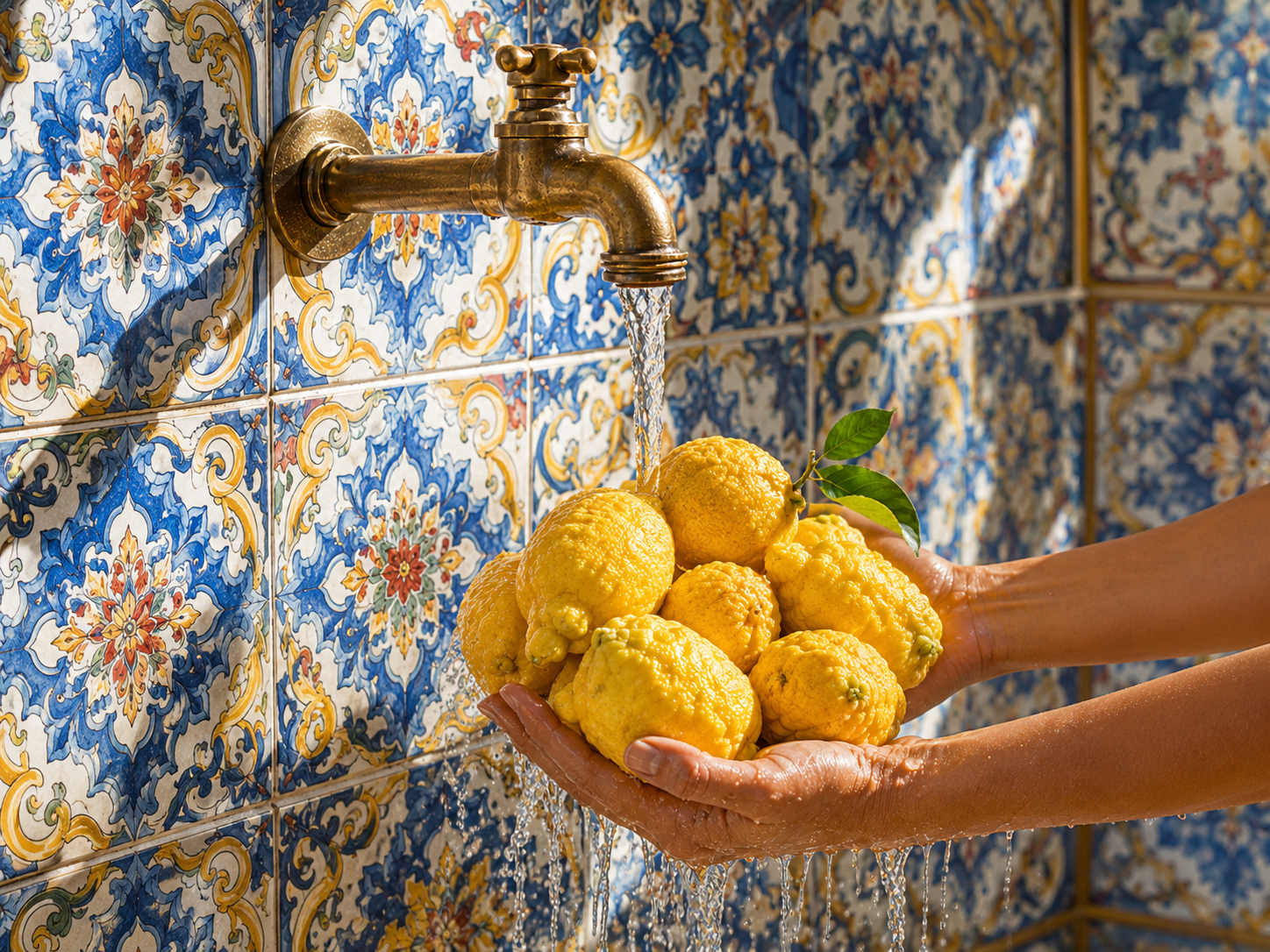
Its thick, deeply wrinkled peel and irregular shape make it look almost prehistoric. Its appearance resembles a citron, although the fruit’s botanical origins have long been debated. Yet behind its rugged exterior lies a compelling story of biodiversity, local agriculture, culinary resourcefulness and cultural preservation.
Historical documentation traces the presence of sa pompìa in Sardinia back to the eighteenth century, showing that the fruit has belonged to the island’s agricultural landscape for generations. Local families and producers have preserved both the fruit and the knowledge required to prepare it.
Subscribe to the free Appetito newsletter for the latest restaurant openings, Italian travel news and favorite recipes.
From bitter citrus to Sardinian sweet
Unlike many citrus fruits, sa pompìa is not usually eaten fresh. Its pulp and juice are intensely sour and bitter. Its real culinary value lies in the thick peel and the generous white pith beneath it.
The best-known preparation is sa pompìa intrea. The fruit is carefully peeled, the pulp is removed without destroying the hollow shell, and the remaining pith is slowly cooked with wildflower honey. The process is long and delicate, but the result is remarkable: a beautifully rounded sweet with a dense texture and a complex balance of citrus bitterness, floral sweetness and honeyed depth.
The bitterness remains present, but it is softened and transformed by honey. The result feels deeply connected to the Sardinian landscape: wild, aromatic, generous and slightly mysterious.
A tradition for celebrations
Traditionally, sa pompìa intrea was prepared for important occasions, including weddings and family celebrations. Its elaborate preparation gave it a sense of ceremony, while ingredients such as honey and sugar once made it particularly precious. The sweet therefore became more than a dessert. It represented hospitality, patience and the passing of culinary knowledge from one generation to the next.
Other traditional preparations reveal the fruit’s versatility. S’aranzata de sa pompìa combines candied pieces of citrus with honey and almonds, while pompìa candita highlights the aromatic peel through slow preservation in sugar. The fruit can also be used to flavour liqueurs, allowing its distinctive fragrance to move from the pastry table into the after-dinner ritual.
Sa pompìa becamse a Slow Food Presidium in 2004, reflecting its importance to Sardinia’s biodiversity and culinary heritage. This protection is important because the fruit remains rare and closely tied to a limited geographical area.
Its survival is a reminder that culinary heritage often depends on ingredients that are not commercially convenient. Sa pompìa is irregular, strongly flavoured and demanding to prepare.
Keeping Sa Pompìa alive
Contemporary Sardinian producers and chefs are now finding new ways to work with the fruit. In addition to traditional sweets and liqueurs, sa pompìa has appeared in craft beers, preserves and modern desserts. These new uses demonstrate how a historic ingredient can evolve without losing connection to its origins.
For culinary travellers, sa pompìa offers a reason to look beyond Sardinia’s famous beaches. Siniscola and the wider Baronia area reveal another side of the island, one found in citrus groves, pastry traditions and small producers. Seeking out sa pompìa intrea, s’aranzata or a pompia liqueur becomes a way of discovering Sardinia through flavor.
Sa pompìa remains a symbol of local heritage, blending history, bitterness, sweetness and memory in a single extraordinary fruit. Its rugged appearance may not suggest elegance at first sight, but once transformed with honey, almonds or patient craftsmanship, it becomes one of Sardinia’s most celebrated culinary treasures.
On an island so often defined by its coastline, sa pompìa invites travellers inland, towards the orchards and kitchens where Sardinia’s culinary identity continues to be cultivated, preserved and reinvented.
Planning a trip to Italy? Discover Appetito’s latest stories on Italian food, wine and travel.