

I never thought I'd sleep in a cave but there I was, standing in the dark interior of a room carved straight into limestone, wondering how many people had slept in that exact same hollow of rock before me.
There's a city in Italy where people have been living in the same caves, carved into the same limestone cliffs for thousands of years. Tucked into the region of Basilicata, Matera is one of the oldest inhabited cities in the world. Its oldest districts, the Sassi, spill down a steep ravine in stacked layers of stone dwellings, cave churches and terraces, all built into the rock face itself. There's no other place quite like it.
For centuries, families lived in the Sassi in worsening conditions — cramped caves with no running water, shared by people and livestock alike. By the mid-20th century, the poverty was so severe that Italian prime minister Alcide De Gasperi called Matera "the shame of Italy," and in the 1950s the government relocated most residents out of the ravine, leaving the Sassi largely abandoned for decades.
The turnaround came slowly. Restoration efforts brought the cave dwellings back to life, and in 1993, Matera was named a UNESCO World Heritage Site. In 2019, it became a European Capital of Culture. What was once considered an embarrassment is now one of Italy's most fascinating places.
Planning a trip to Italy? Discover Appetito’s latest stories on Italian food, wine and travel.
A walking tour through the Sassi
There's no real way to see Matera except on foot, and that's part of its charm. The Sassi have no grid, no straight avenues, just narrow stone staircases, tunnels and alleyways that wind up and down the hillside, connecting homes, cave churches and terraces stacked on top of one another.
Start in Sasso Caveoso, the older and more raw of the two cave districts, where you can still see dwellings left largely untouched since the 1950s relocation, a stark contrast to the polish found elsewhere in the city. Wander toward Sasso Barisano, the more restored district, now home to boutique hotels, wine bars, and restaurants built directly into the rock.
Along the way, duck into one of Matera's rupestrian churches — chapels carved into the stone, many dating back to the 8th and 9th centuries, some still holding faded Byzantine frescoes on their cave walls. Chiesa di Santa Maria di Idris, perched on a rocky outcrop above the ravine, is one of the most striking ones, offering sweeping views over the entire Sasso Caveoso district.
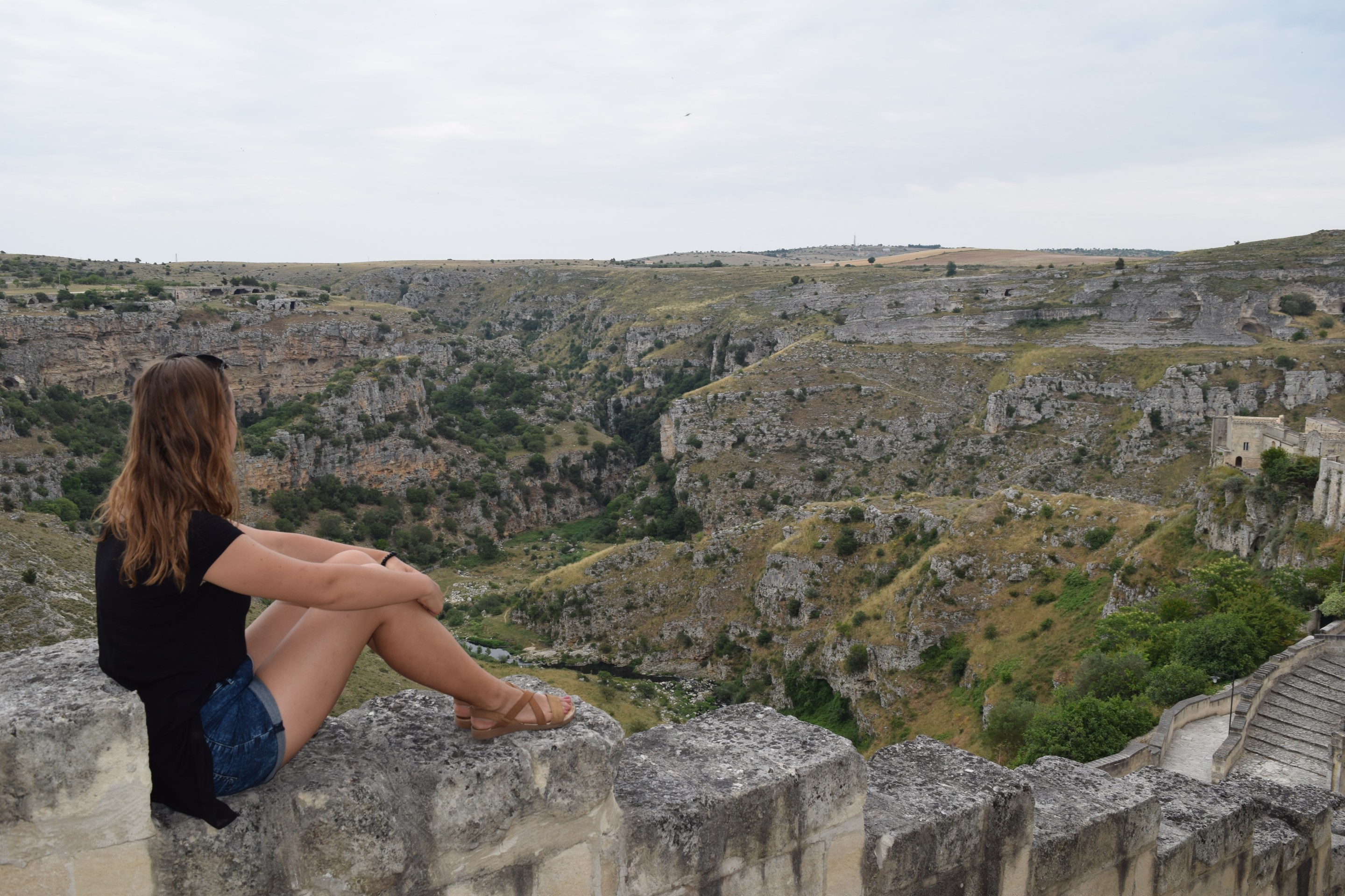
For the best overall perspective, cross to the Murgia Plateau on the opposite side of the ravine to see the whole of Matera unfolding across the cliffside. Notice a jumble of stone rooftops, staircases and cave openings that looks almost unchanged from centuries ago, especially as the light shifts gold in the late afternoon.
Love discovering Italy one bite at a time? Subscribe to the free Appetito newsletter for the latest in Italian food, travel, recipes and more.
Sleeping in a cave
The best way to understand Matera is to spend the night in one of its cave hotels.
I stayed at L'Ostello dei Sassi, tucked into the Sassi just a short walk from the rupestrian church of Santa Lucia alle Malve and within easy reach of the Rock Churches of Madonna delle Virtù and San Nicola dei Greci — practically every direction I turned held another piece of history. Settling in for the night, surrounded by stone walls that had sheltered people for centuries, gave the whole stay a different weight than a typical hotel room. Modern comforts made it an easy, comfortable place to sleep, but the setting made it impossible to forget where I was. At night, with the narrow street outside gone quiet, it was easy to imagine generations of Materani who slept in that same stretch of rock, long before hotels or hot water existed.
Many of the Sassi's cave hotels are converted from former dwellings, and the better ones lean into that history rather than smoothing it over; exposed stone walls, original cisterns repurposed as design features, candlelit corridors instead of overhead lighting. It’s like taking a step back in history.
Eating through Basilicata
Basilicata is one of Italy's least internationally known food regions, and Matera is the best place to taste why that's a shame.
Pane di Matera is the region's signature bread. A large, wheel-shaped loaf with a thick, dark crust, traditionally baked in shared wood-fired ovens and designed to stay fresh for days. It's now IGP-protected, meaning true Pane di Matera can legally only come from this corner of Basilicata, and the difference is obvious the moment you tear into a warm loaf.
Peperoni cruschi are another regional signature: sun-dried Senise peppers, fried briefly in olive oil until they turn brittle, almost sweet, and faintly smoky. They show up as a snack, a garnish over pasta, or crumbled into orecchiette, the region's other great culinary export.
Much of Matera's best eating happens in cantine — old cave cellars, some once used to store wine and grain, now converted into restaurants tucked into the rock. Meals here tend to be simple and unfussy: orecchiette with cime di rapa, grilled lamb, local cheeses, all paired with an Aglianico del Vulture, a bold red wine grown on the slopes of Basilicata's extinct volcano.
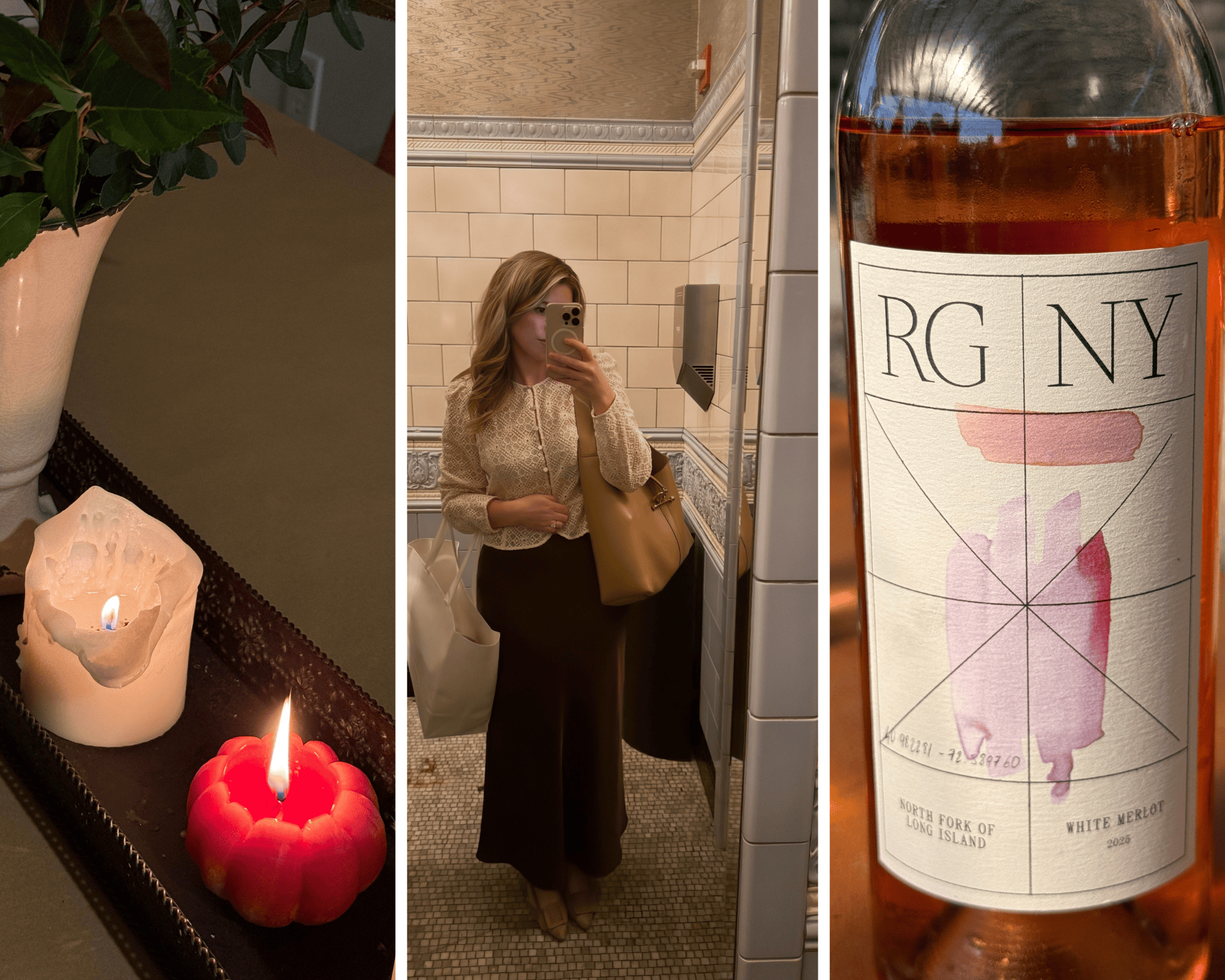
Eating a plate of orecchiette in a cave carved out centuries ago, by candlelight, with a glass of Aglianico in hand, is the best way to end a day of wandering through history.
Why Matera belongs on your Italy itinerary
Matera isn't far off the path if you’re already exploring Puglia or Basilicata and can be reached by driving or a train and bus combination from Bari, Salerno or Naples. This makes it one of the easiest ways to build something genuinely different into a classic Italy trip and it might become the part of the trip you can’t stop thinking about.