

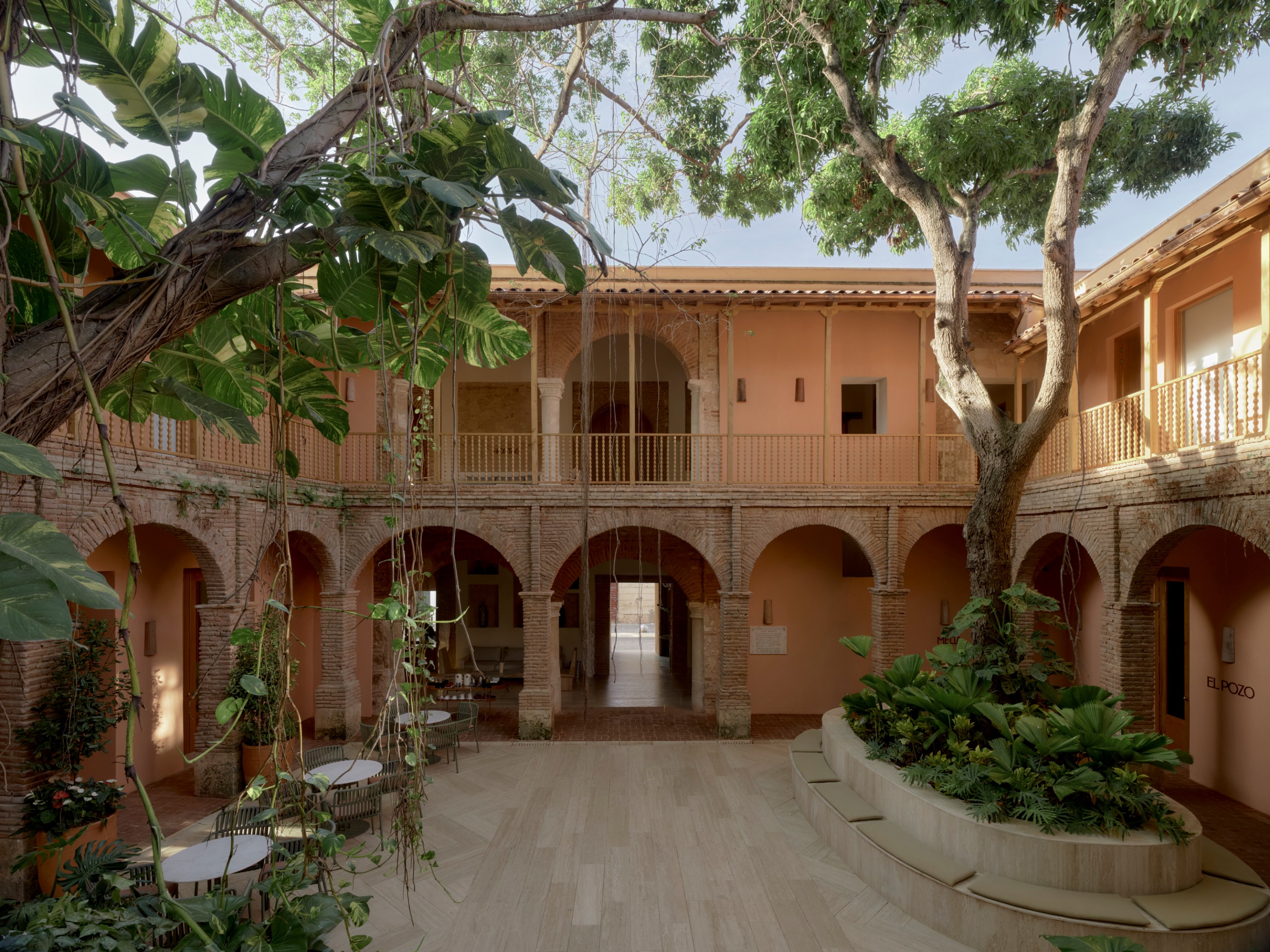
Walk through Santo Domingo’s Zona Colonial and you might expect to find Spanish history at every turn. After all, this UNESCO-listed neighborhood is home to some of the oldest European buildings in the Americas. But look a little closer, and you’ll discover an unexpected thread running through its cobblestone streets: Italy.
The connection begins with Christopher Columbus, the Italian-born explorer whose voyages under the Spanish crown forever changed the history of the Americas. But his story is only the beginning.
One of the most fascinating Italian connections can be found at the Catedral Primada de América, where construction began in the early 1500s under Alessandro Geraldini, an Italian-born bishop from Umbria. Geraldini became Santo Domingo’s first resident Catholic bishop and played an important role in advancing construction of the cathedral. Today, its Gothic and Renaissance-inspired details remain among the most striking sights in the Colonial Zone.
From there, wander along Calle Las Damas, the oldest street in the Americas, toward landmarks including the Fortaleza Ozama and Alcázar de Colón. While these monuments were built as part of the Spanish colonial city, they reflect the broader European architectural influences of the era—including Renaissance ideas that had emerged from Italy.
But the Italian story doesn’t end with Santo Domingo’s historic buildings. In fact, you can taste it.
Like knowing where to eat before everyone else does? Subscribe to the Appetito newsletter and let us keep you in the know.
After exploring the Colonial Zone, stop for lunch or dinner at Zola, a contemporary Italian restaurant tucked inside the historic Kimpton Las Mercedes on Calle Las Mercedes. The restaurant describes its approach as a modern interpretation of Italian cuisine, combining traditional recipes with contemporary techniques and premium ingredients.
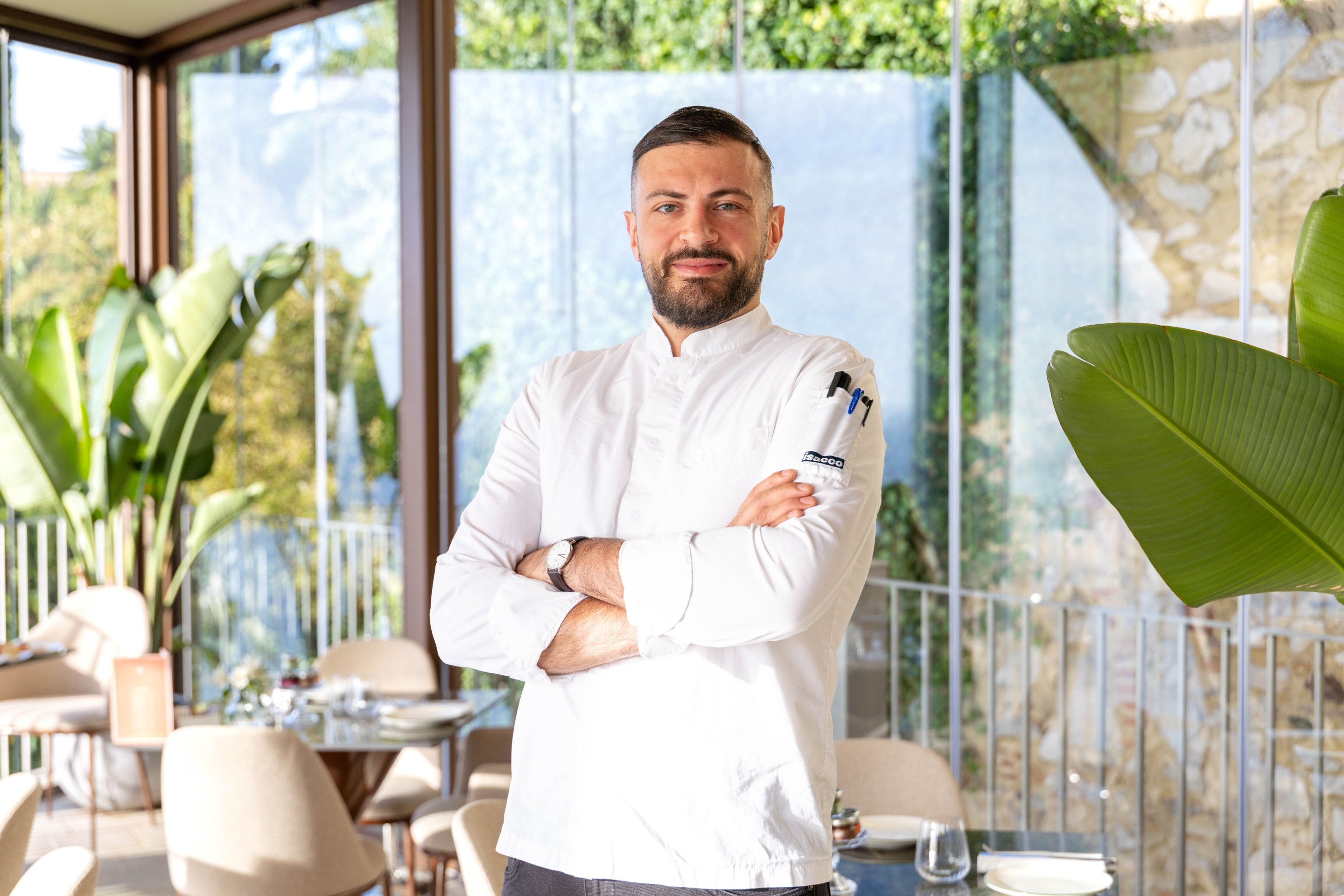
At the helm of Zola’s kitchen is Chef Cosimo Urso, a culinary professional with more than a decade of experience in prestigious hotels and resorts across Italy and the Dominican Republic. His career has included collaborations with renowned chef Martín Berasategui on projects in Latin America and Spain, bringing an international perspective to Zola’s contemporary Italian cuisine.
Located in the heart of Santo Domingo’s Colonial City, Zola blends Italian culinary traditions with the character of its Dominican setting. The elegant dining room and outdoor spaces provide a relaxed backdrop for a menu that moves from classic Italian preparations to dishes that incorporate the flavors and ingredients of the Caribbean.
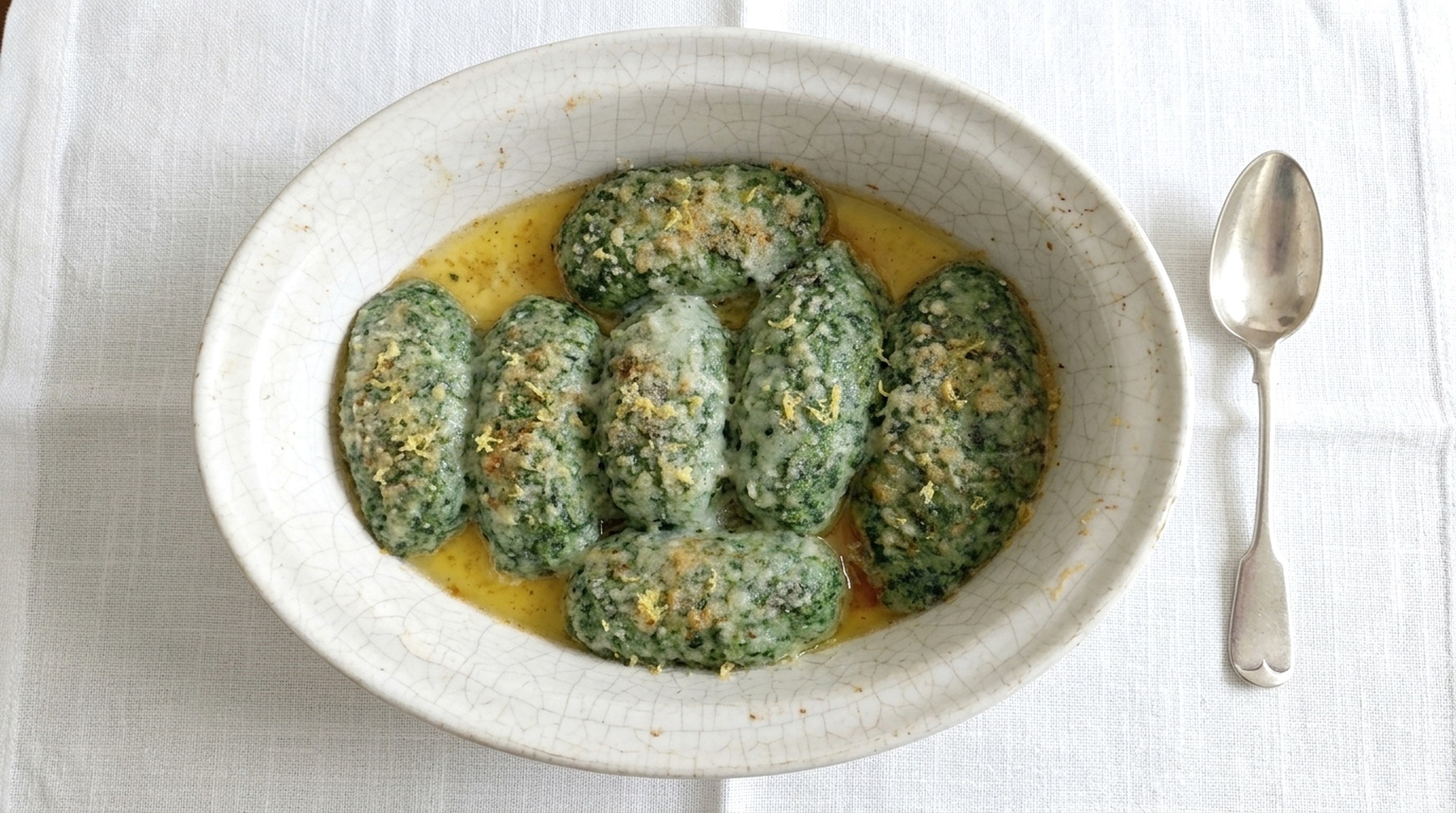
The menu begins with a mozzarella bar featuring burrata and Caprese Zola, followed by antipasti built around ingredients such as Parmigiano, Gorgonzola, mortadella al pistacchio, and prosciutto di San Daniele. Pasta and risotto take center stage, with offerings ranging from carbonara and Caprese ravioli to lasagna, agnolotti and truffle risotto.
Among our favorites was the tuna carpaccio, delicately marinated with orange, fennel, and green pepper, then paired with creamy avocado and caramelized cashews. The fresh, locally caught tuna complemented the bright citrus and subtle sweetness of the cashews beautifully, creating a dish that felt both light and deeply satisfying.
We also tried the chef’s recommended burrata, The White Pearl, a unique combination of peach candied in Chianti wine, San Daniele prosciutto and peppery arugula. The interplay of sweet, savory and fresh flavors made this an unexpectedly delightful dish. Another popular choice is the pasta alla Puttanesca, a flavorful combination of ripe tomatoes, capers, and the depth of black olives, finished with the bold, briny flavors that define traditional Neapolitan cuisine.
The bolognese stood out for a different reason: its simplicity. Casarecce, the short, twisted Sicilian pasta that captures sauce in its grooves, is served with a rich ragù alla bolognese. Comforting and unfussy, it allows the quality of the pasta and sauce to take center stage.
Zola also makes thoughtful use of its Caribbean location. Seafood features prominently, while Italian classics receive subtle Dominican touches. The carbonara, for example, pairs guanciale and pecorino Romano with a Creole egg, while lobster linguine and salt-crusted chillo with Sicilian pesto bring the flavors of the surrounding sea to the table.
Dessert continues the Italian-Dominican conversation. Alongside classics such as panna cotta, the tiramisù combines espresso and mascarpone cream with Dominican cocoa—a fitting finish that connects the restaurant's Italian roots with its Santo Domingo setting.
The wine list follows the same philosophy, bringing together Italian and international selections, from renowned appellations such as Chianti and Brunello di Montalcino to lesser-known regions worth discovering. A signature cocktail program rounds out the drinks offering.
For travelers exploring Santo Domingo, Zola makes a natural stop on an Italian-inspired journey through the city. After an afternoon tracing the historic connections between Italy and the Dominican Republic, there is something particularly satisfying about settling in for handmade pasta, an Italian wine and a dessert made with Dominican cocoa.
Santo Domingo may be defined by its Spanish colonial heritage, but Italy has been part of the city's story from its earliest chapters. At Zola, that connection is brought to the table.