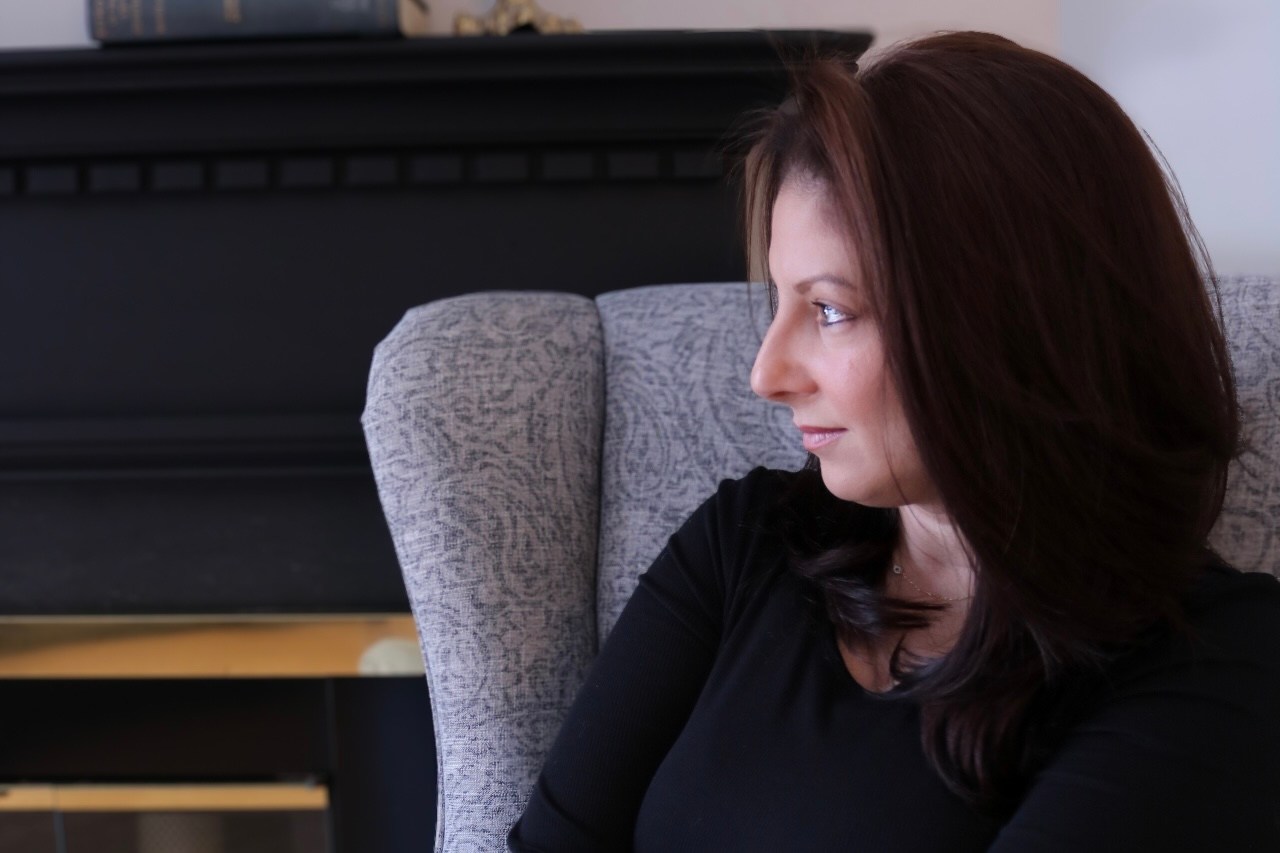


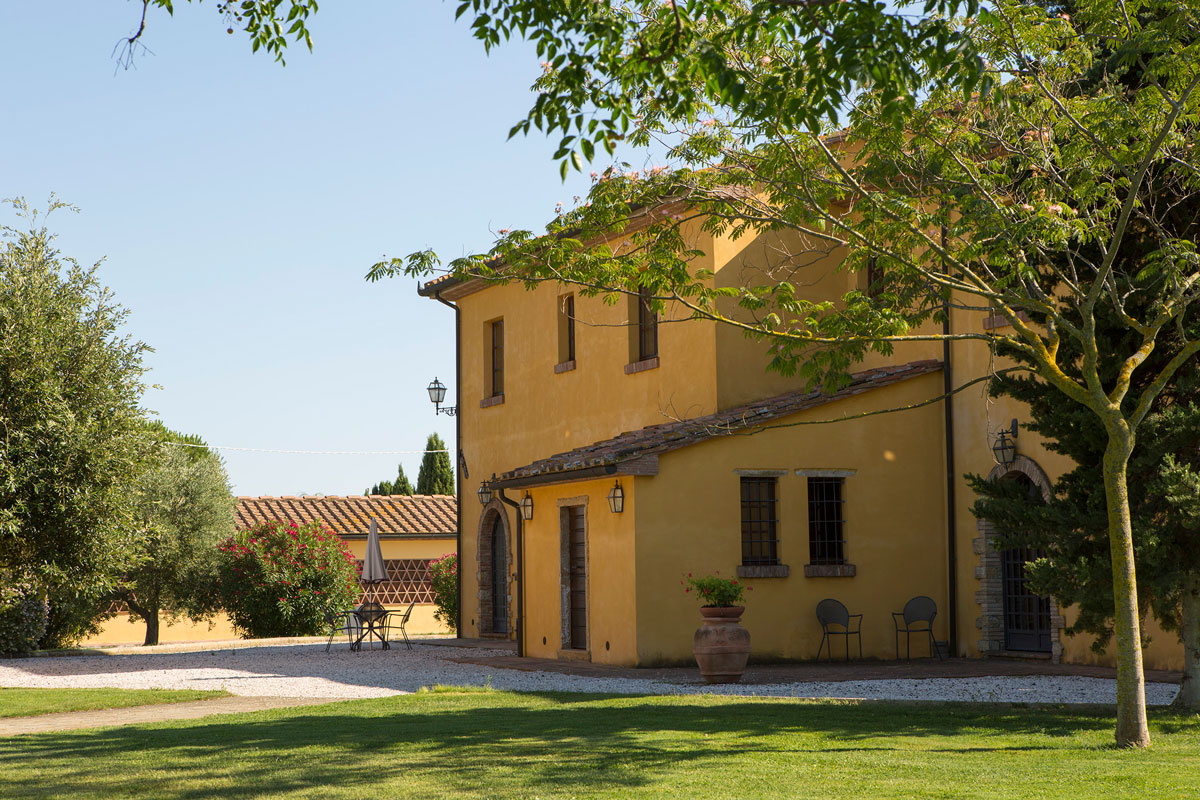
Meet Elia Pellegrini of Aia Vecchia, whose family has been grape growers in the Tuscan countryside of Bolgheri for several generations. They've stayed true to crafting small-lot, high-quality Super Tuscan wines that are approachable for everyday drinking, appealing to the next generation of wine drinkers. Aia Vecchia has 118 acres of vineyards between two estates- Podere Aia Vecchia near the Tyrrhenian coast and Casa Vecchia in the hills overlooking the sea.
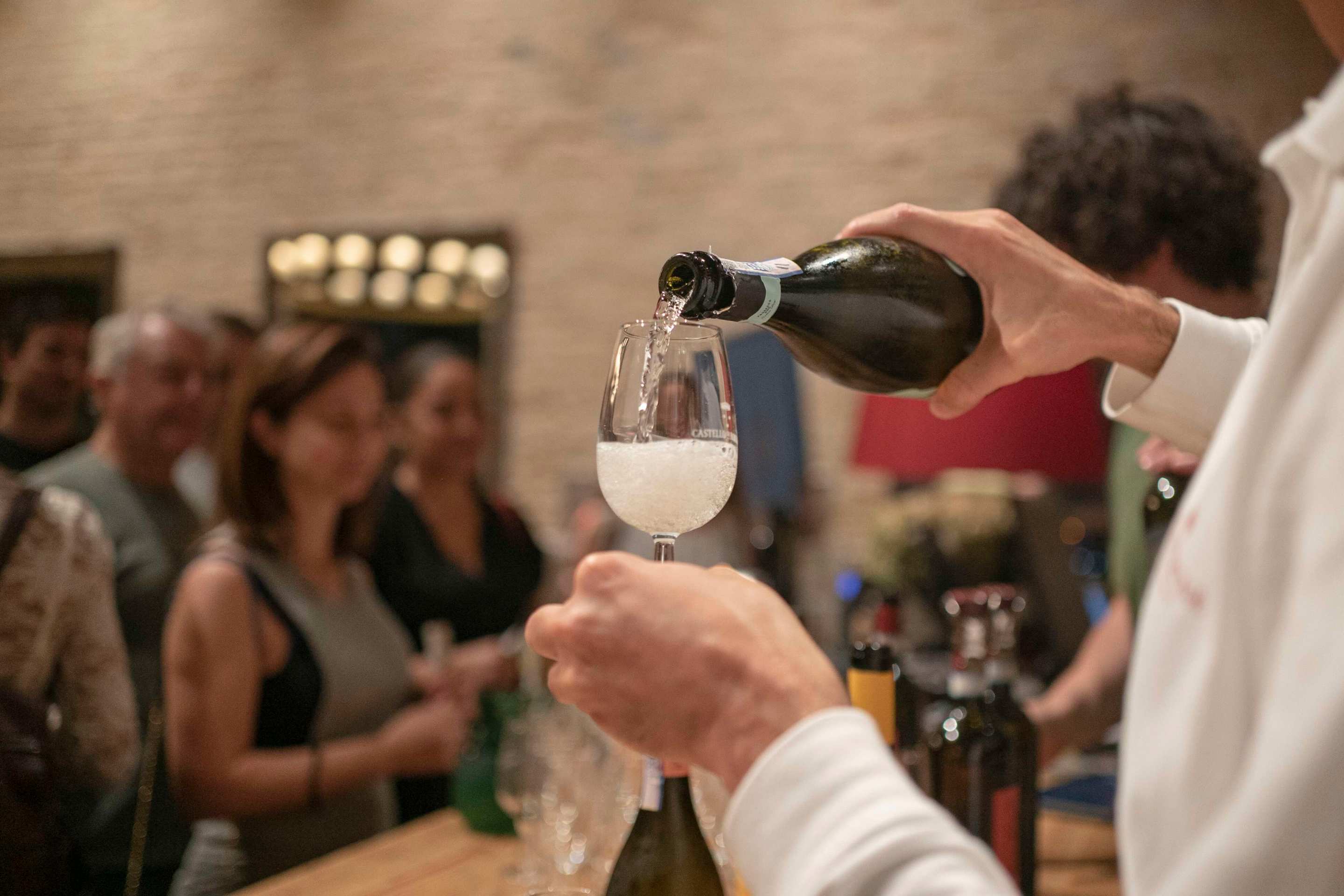
Elia joined the family business after retiring from professional soccer in 2010. Recently, he was in New York promoting the first new releases in 20 years: the Lagone Bianco, which is 100% Viognier, and a monovarietal bottling of Cabernet Franc called Orleto, which was poured alongside new vintages of Aia Vecchia's core wines—Vermentino, Sor Ugo, and Lagone. Appetito's Kimberly Fisher sat down with Elia in New York to sip and chat.
Tell us about Aia Vecchia.
My family has always been in the wine industry, and everything started with Hugo, my great-grandfather, who used to sell binacha and grapes while traveling on horseback. We were not making our own wine. We had the old winery where my grandfather and Hugo used to work with the wine, and we had a house right next door. I was born there in a town called La California, next to Borgheim. Every morning, my grandfather used to come to see me before school while I was having breakfast and say "Elia, the winery is growing, we want to do big investments, we want to do all the things, and you have to be the new generation, the first, because I'm the oldest of my siblings and cousin." I said, "No way, I'm gonna be a football player."
You know, as an Italian kid, what do you want to do? There is no other option but to do what you love, so I figured out I was pretty good at it. I was a striker, scored a lot of goals, and professional teams used to come to see me. When I was 15, I was bought by Inter Milan. I went to Milan for the summer training, but I had a back problem, so they released me, and I signed with Livorno. Livorno was in the top league in Syria and was also 30 minutes north of where I live. So I said, "Why not? It's not the Inter, but at least it's still a top league."
When did you officially open the villa of Aia Vecchia?
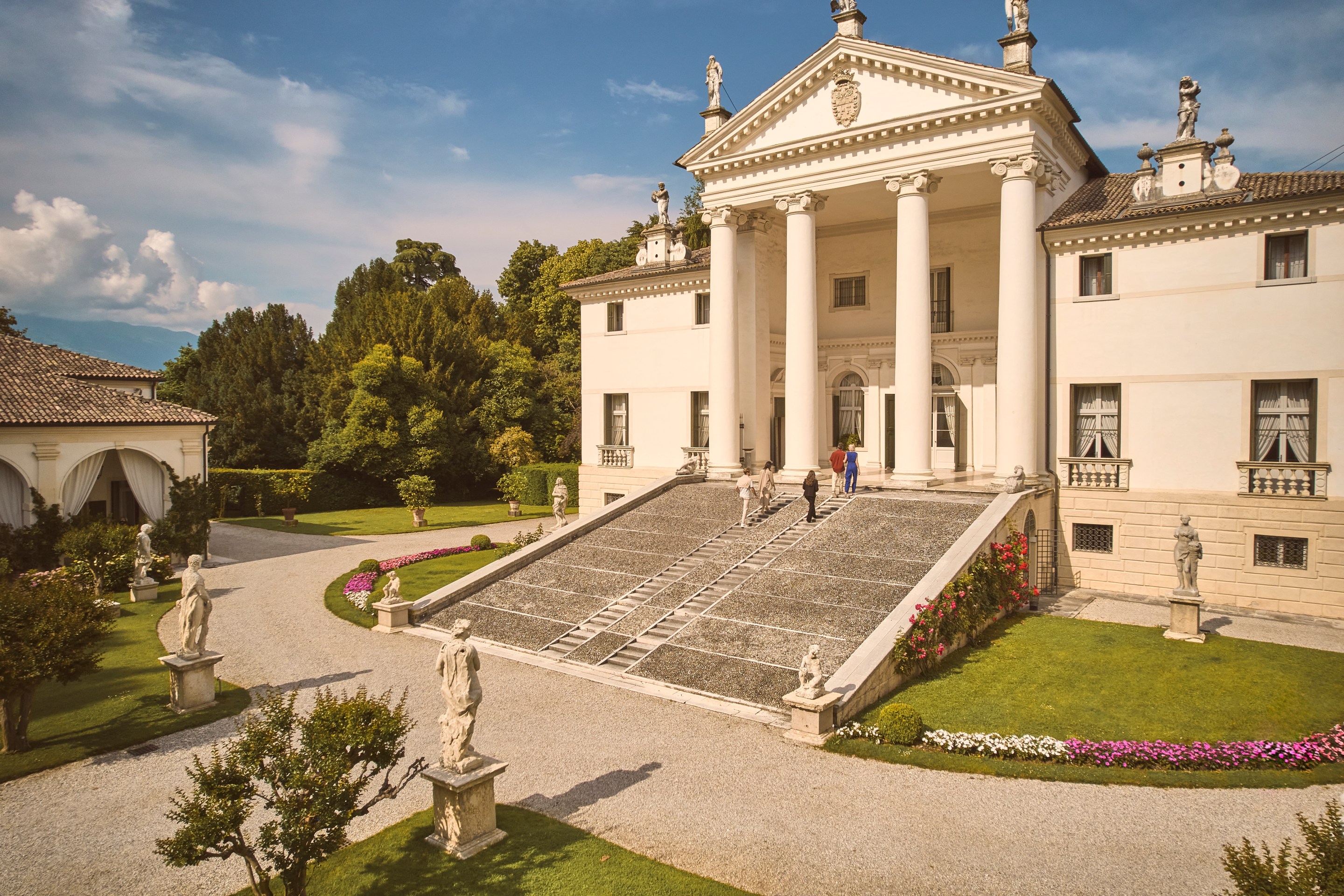
Between 1998 and 2000, but we always had people managing the tourist part. We have two other properties in Burgundy and Barbona, because, as I said, it's a family business. My uncle is now in charge of wine production, overseeing the vineyards. He stays in the cellar with our winemaker, Nicolas Pultini. My father takes care of the financial part, the administrative parts with accounting, lawyers, banks, and I'm in charge of the commercial part, selling, making sure that the wines are sold, and so we don't have more. There are other family members, but not in the business; they decided to pursue different careers, so we don't have anyone else to handle tourism.
What are your biggest markets?
We export 70% of our production, so it's very important to us. In Italy, I try to keep it as small as possible. The US is number one- it represents 40% of our sales. Switzerland is a big market for Tuscany, especially the Tuscan coast, because many people there have properties where they spend their summers, so they know the wines, know how to drink them, and are familiar with them. Switzerland is a big market for us, and Germany is much the same. Those are the top markets; then we are in 25 countries.
When I started, we had three markets: the United States, Switzerland, and Ukraine. Ukraine is now actually ordering more than before, which for me is super interesting. Then I started traveling and telling the stories, promoting that we used to do all the wine fairs. I don't make millions of bottles, you know, we make around 30,000 cases, 350,000 bottles, but it's good to have a little flag in Singapore. It's good for the brand and for me worldwide.
Tell us about the launch of the Langone Bianco.
The second wine we're trying is new; as I was saying before, you guys are the first to try it. It is a 100% viognier from the same vineyard as Vermentino, called Marina Vineyards. Why the name Langone Bianco? Because I wanted to have a similar characteristic to Langone Rosa. It's very balanced between the fruit and the wood. The structure is not aggressive, so I want to maintain the same philosophy here. It's more structured than the vermentino, but it's not aggressive or intimidating.
If we take one thing away from this conversation, what should we walk away with?
A family that wants to give the best quality wines possible for everyone. I want people to be able to enjoy our Tuscan life.
To learn more, visit Aia Vecchia.
Want more Tuscan wine stories? Explore our coverage of Italian wineries, vineyard stays, and wine travel throughout Tuscany and beyond.