
For decades, Italy’s travel narrative revolved around the same iconic triangle: Rome, Florence, and Venice. And while those cities remain timeless, something fascinating is happening among experienced travelers and culinary enthusiasts alike: many are beginning to look north. Not to escape Italy’s beauty but to rediscover it in a different form.
As the founders of Wanderlust: a project by Fast Track Italian Citizenship, we want travels to experience Italy the way it was meant to be done. Not just a bucket list that you’re checking must see sites off or shuffling from site to site to get that Instagram shot. We want our travelers to see the Italy that we as locals see and know. We’re from Northern Italy and we want to share these less discovered parts of Italy with those who entrust us.
Across Northern Italy, a quieter and more immersive style of travel is emerging — one rooted not in landmarks but in landscapes, food traditions, craftsmanship, and human connection. Travelers are trading rushed itineraries for vineyard lunches, crowded piazzas for medieval villages, and checklist tourism for experiences that feel deeply personal.
Especially after the pandemic, the priorities of modern travelers have shifted dramatically. People are no longer satisfied with simply “seeing” a destination. They want to understand it. Taste it. Participate in it. And Northern Italy offers exactly that.
The Rise of Slow Culinary Travel
From the dramatic peaks of the Dolomites to the vineyards of the Prosecco Hills — now recognized as a UNESCO World Heritage landscape — Northern Italy has become increasingly attractive to travelers seeking depth over spectacle.
Here, beauty is woven into everyday life.
Morning markets overflow with seasonal produce. Family-run wineries welcome guests personally. Small villages preserve recipes and traditions that have changed little over generations. The experience feels less curated for tourism and more naturally lived-in.
As Northern Italy natives, this philosophy lies at the heart of why we created Wanderlust.
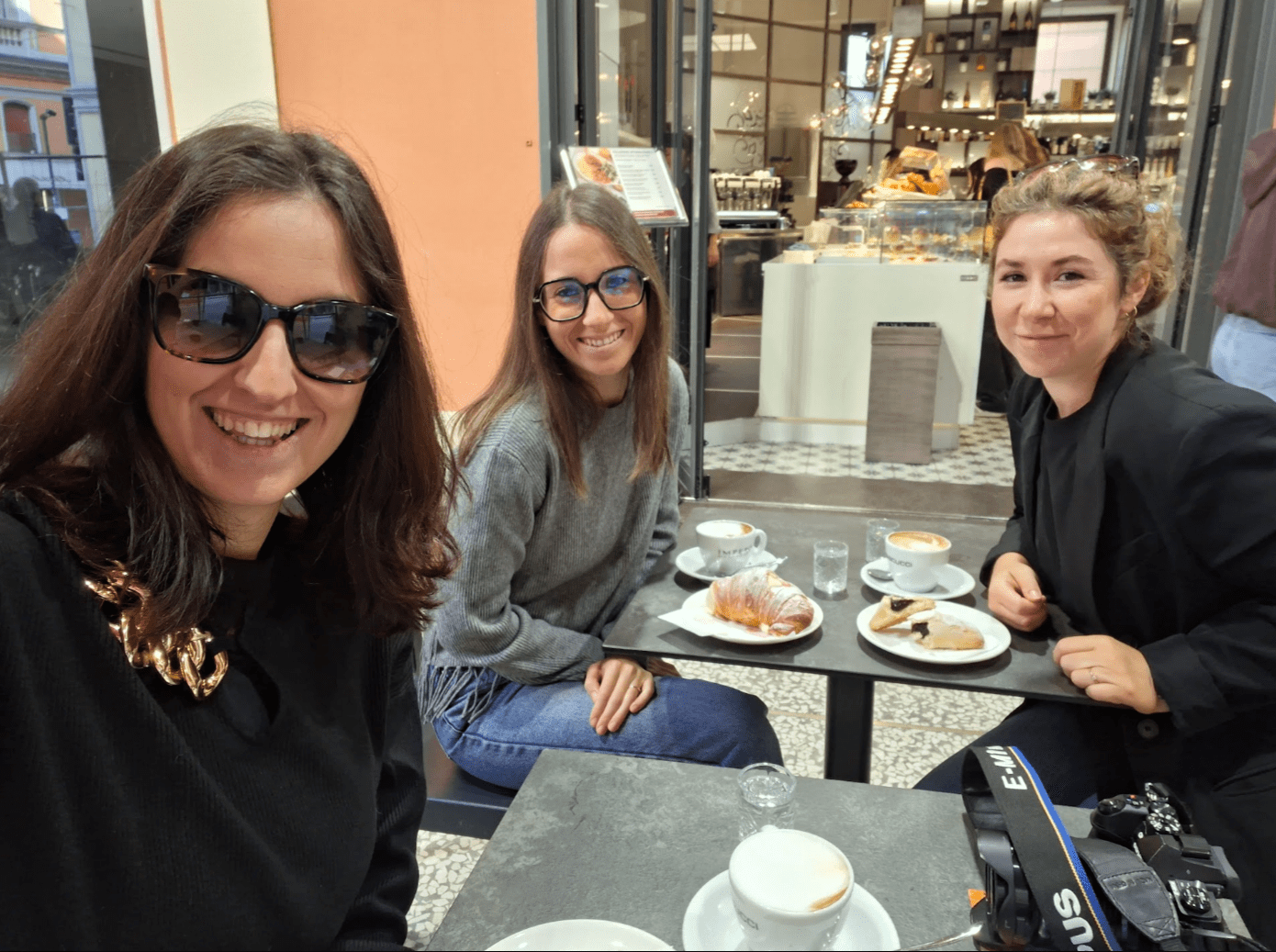
Raised between the regions of Veneto and Emilia-Romagna, we all grew up experiencing Italy not as tourists, but through family traditions, local weekends away, and intimate connections to the people and places that shape the country’s identity.
That local perspective fundamentally changes the way we design travel.
The goal is not simply to visit Italy. It is to participate in it.
Northern Italy Beyond the Stereotypes
For many international visitors, Northern Italy still carries certain misconceptions. Some imagine only fashion capitals, business districts, luxury shopping, or expensive ski resorts; others assume the region feels colder or less emotionally expressive than Southern Italy
But Northern Italy is remarkably layered.
It is alpine landscapes and lakeside villages. It is vineyard-covered hills and Renaissance cities. It is fishing communities, volcanic countryside, artisan producers, and deeply regional cuisines that shift dramatically from province to province.
And perhaps nowhere is that diversity more visible than at the table.
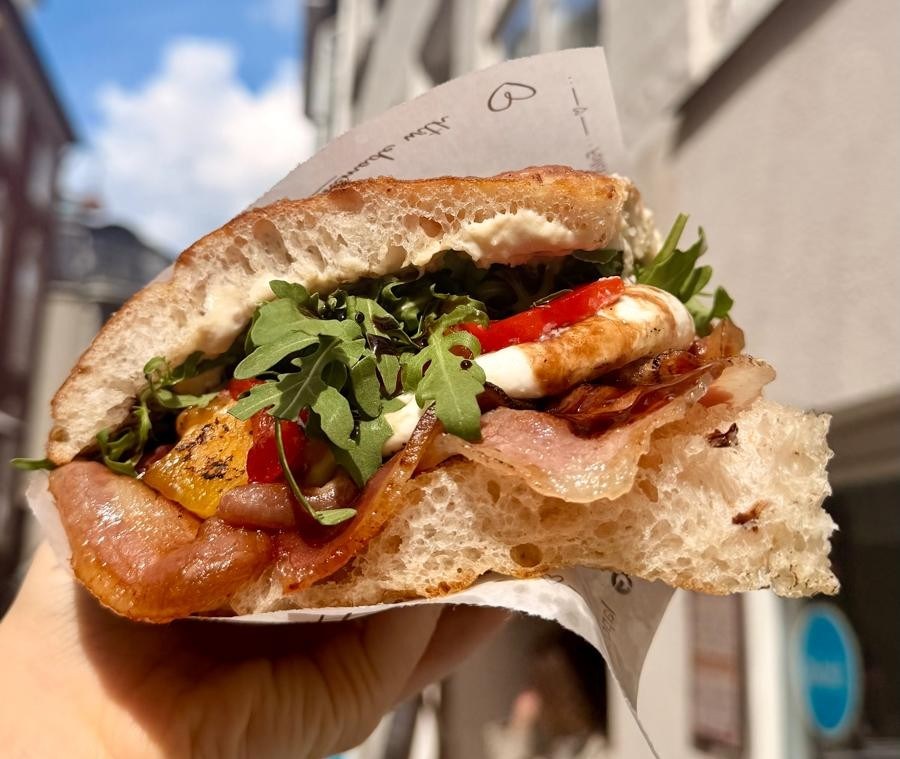
Unlike the Mediterranean-heavy cuisine associated with Southern Italy, Northern Italian food reflects geography and climate. Risotto replaces pasta in many regions. Polenta, mountain cheeses, truffles, butter-based sauces, freshwater fish, cured meats, and slow-cooked dishes dominate local traditions.
Every region — and often every town — fiercely protects its culinary identity.
Food here is not simply about flavor.
It is about belonging.
The Hidden Italy Travelers Are Craving
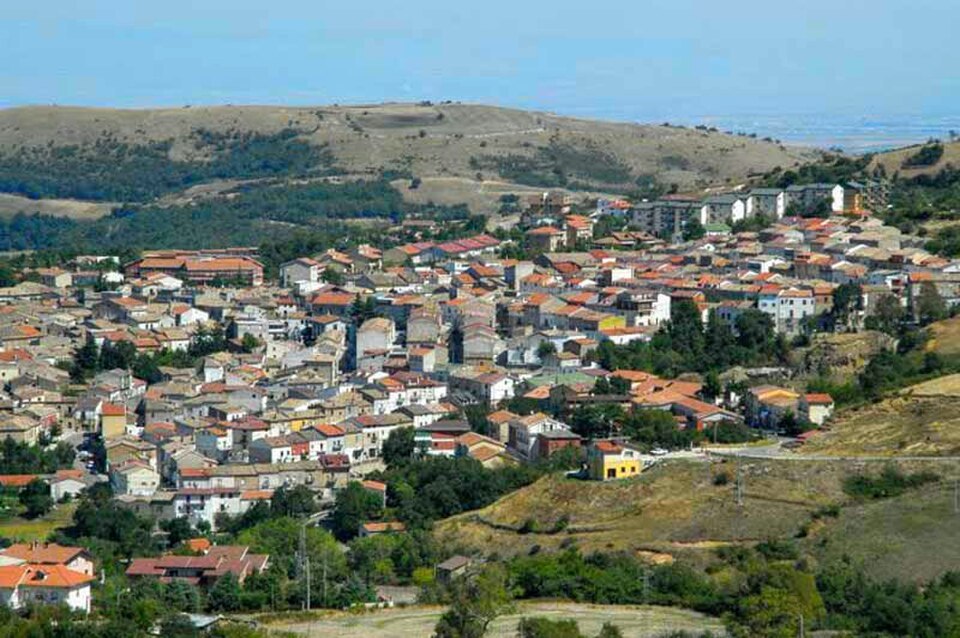
Some of Northern Italy’s most extraordinary culinary experiences happen far away from the usual tourist routes.
In Ferrara, travelers discover elegant Renaissance streets, a celebrated cycling culture, and a pace of life that feels refined yet wonderfully unhurried.
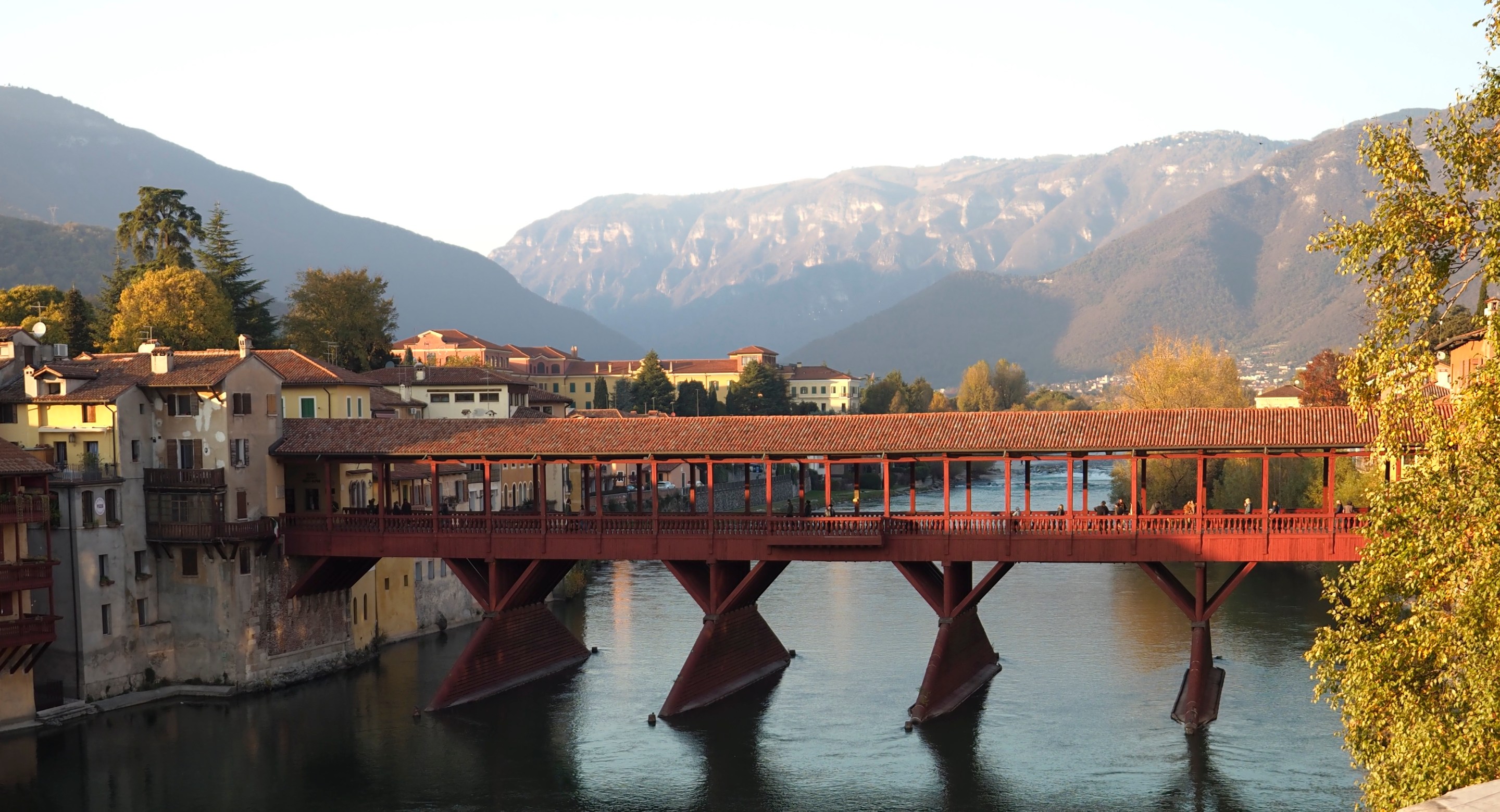
In the volcanic landscapes surrounding Euganean Hills, medieval villages and vineyards create one of Italy’s most underrated food and wine regions. Nearby Arquà Petrarca offers a rare blend of literary history, rural tradition, and natural beauty.
Further east, Chioggia — often described as a more local, authentic cousin to Venice — reveals colorful canals, fishing heritage, and an atmosphere untouched by mass tourism.
And then there are the moments no guidebook could ever fully prepare travelers for.
Like a hidden flour mill tucked inside the Euganean countryside, where visitors are invited into the owners’ kitchen to bake together using locally milled flour. What begins as a baking class naturally evolves into conversations, walks through the surrounding hills, shared meals, and a genuine exchange of traditions.
These are not staged tourist experiences.
They are extensions of everyday life.
And that authenticity is precisely what modern culinary travelers are seeking.
Why Human Connection Matters More Than Ever
At the center of Italy’s food culture is something far more important than recipes: hospitality.
The most memorable experiences often happen not because of what is served, but because of who serves it.
At family-run wineries and producers across Northern Italy, owners personally welcome travelers onto their land, guide them through vineyards and production spaces, and share stories that have often been passed through generations.
The experience feels less like tourism and more like being invited into someone’s home.
That emotional intimacy frequently surprises travelers.
Many arrive expecting polished luxury experiences and leave remembering something much simpler: the warmth of a conversation, the generosity of a local family, the pride someone takes in preparing food connected to generations of history.
Because in Italy, food is rarely only food.
It is memory.
It is identity.
It is love expressed practically and daily.
Italy Is Never Finished
Perhaps the greatest misconception travelers have about Italy is believing they can somehow “complete” it.
But Italy changes completely depending on where you go, how slowly you move, and who you meet along the way.
A second or third trip often reveals a country entirely different from the one travelers thought they already knew.
That is especially true in Northern Italy, where quieter regions, local traditions, and deeply rooted culinary cultures reward curiosity over efficiency.
The future of Italian travel may not belong to those chasing the most famous landmarks.
It may belong to those willing to linger longer at the table.