
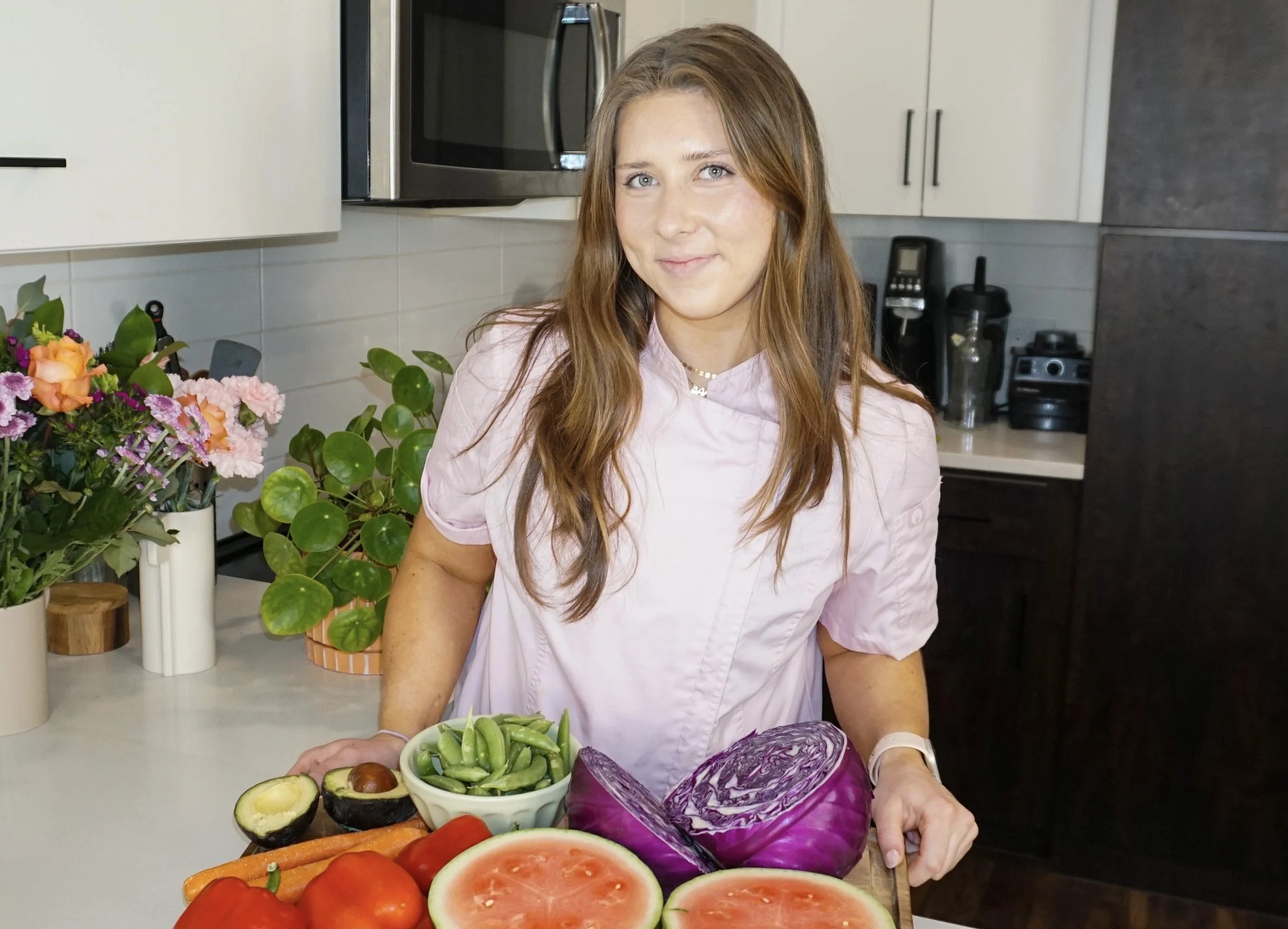
At Appetito, where food, culture and thoughtful living intersect, we’re always exploring the evolving ways nourishment shapes our daily lives. In today’s wellness-forward landscape, the modern private chef does far more than cook; she curates experiences rooted in care and intention.
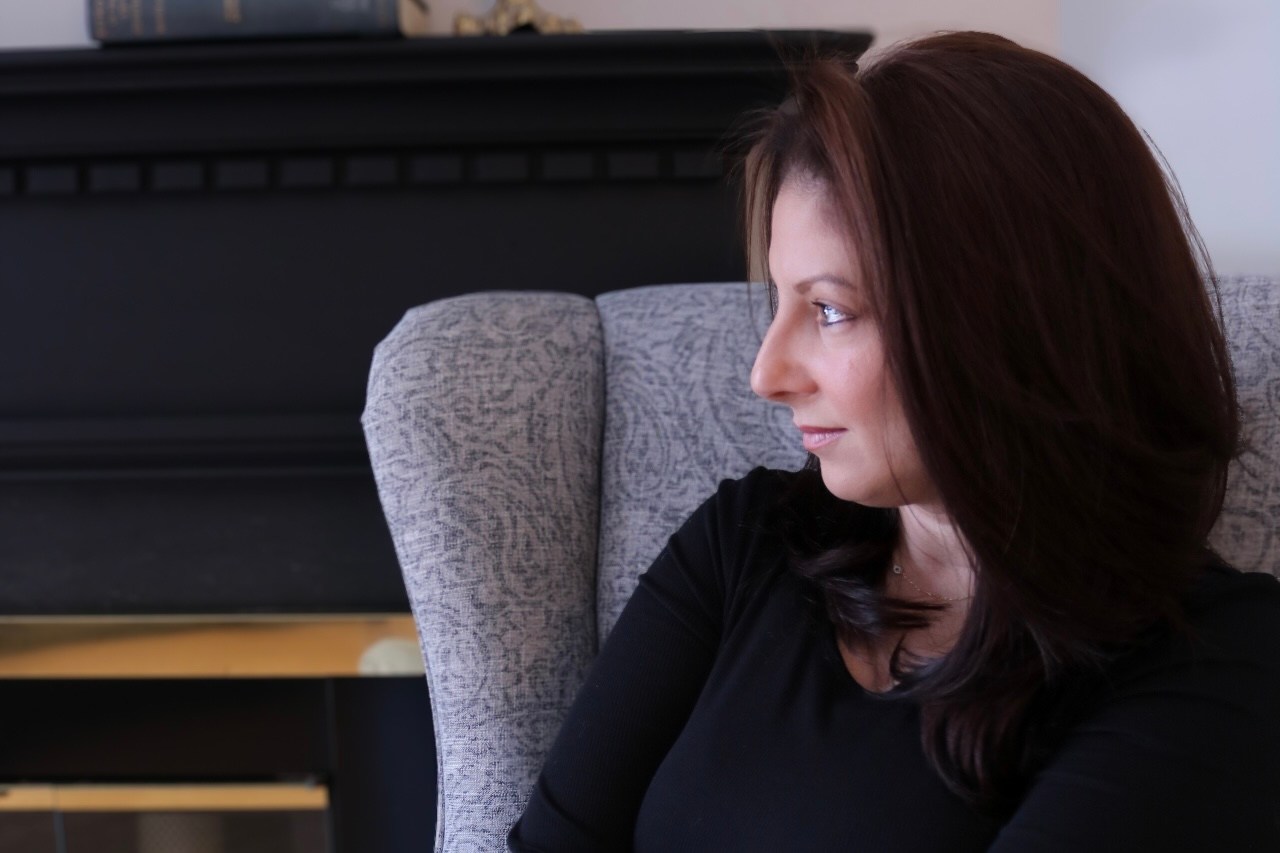
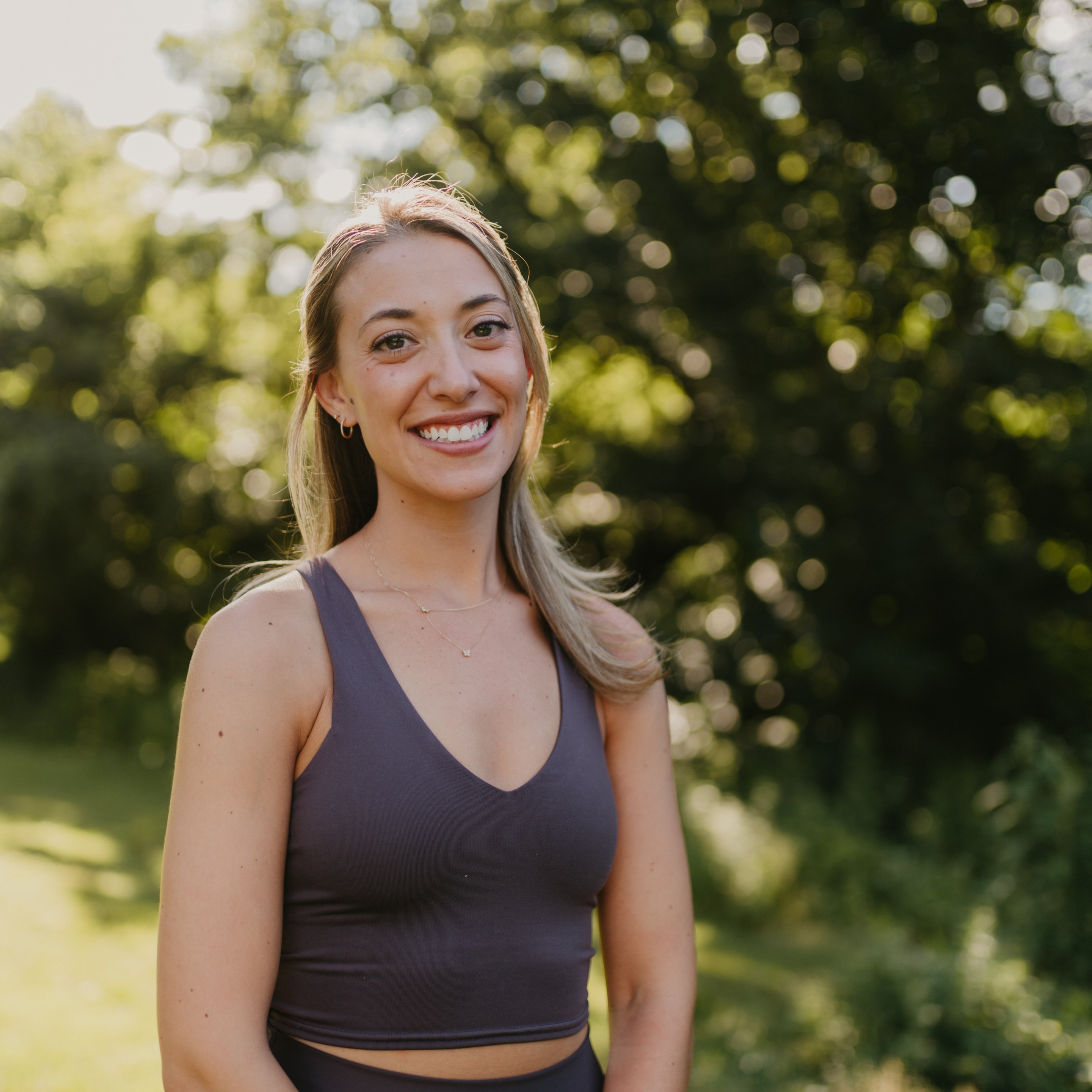
For Arizona-based travel chef Jane Olivia, nourishment is both craft and atmosphere. Whether sourcing seasonal ingredients, preparing intimate meals in clients’ homes, or cooking for multi-day retreats, she approaches each menu with precision, presence and a deep respect for dietary preferences.
In this interview, Jane invites us inside a day in her life, offering a behind-the-scenes look at retreat cooking, private client work, and the philosophy that guides her approach to intentional, plant-forward food.
Please tell me about yourself and your mission. Walk us through a typical day as a private chef, from sourcing ingredients to planning menus and cooking in clients’ homes
I’m a travel private chef based in Arizona, and my mission is to bring people together through food that feels nourishing and gives the private chef experience. I work primarily with retreats, long-term stays, and intimate gatherings, and my role goes far beyond just cooking — I help bring the host’s vision to life through the entire food experience. Most of my clients follow unique diets or they have allergies or specific lifestyle goals that require special attention. Providing a meal for someone who has celiac or another restriction where they can enjoy every single thing on the table is so special.
A typical day starts early. I’m usually up before the sun, reviewing the menu, cross-checking dietary needs, and finalizing my prep list. If I’m sourcing locally, I’ll visit farmers markets or specialty grocers to find the freshest produce, high-quality proteins, and unique ingredients that make the menu feel intentional and seasonal.
Once I’m in the kitchen, it’s a rhythm — washing and chopping vegetables, simmering and blending sauces, tasting constantly. I think about balance in every dish: texture, color, nourishment, and presentation. When I cook in a client’s home or retreat space, I treat it with so much respect. I set up systems quickly, clean as I go, plate beautifully, and create an environment that feels calm and seamless. By the time guests sit down to eat, I want everything to feel effortless — even though there’s so much thought behind it.
For more chef interviews and stories, subscribe to the Appetito newsletter.
What does a day of cooking for retreats or events look like compared to cooking for private clients?
Typically a day working at a retreat looks completely different than for my regular clients. It usually means early mornings and late nights with very little down time. I love the change of pace and interaction with clients for a weekend or week at a time, but it is definitely more physically demanding than my regular work.
Wake up time is between 5 to 5:30 a.m, the meal times vary based on the type of group I am working for but usually breakfast is around 7 or 8 a.m. Menus are set weeks in advance so I have ample time to plan and think through my serving and cooking process.
Once breakfast is served and cleaned up, it is time to start lunch prep which is typically around 12:30. If it is an active group, it might be a packed lunch or something to take hiking, to the beach, or out in town depending on where we are.
Next meal is Happy Hour which usually includes a charcuterie board or other apps and a cocktail or mocktail around 4 p.m.
Dinner is the hardest meal to prepare for usually because I always recommend multiple proteins, veggie options, and things need to be timed perfectly. Since I spend most of the afternoon prepping, dinner service usually goes very smoothly.
Dessert is my favorite meal of the day and if it is a baked good like cake, brownies, or layered dessert, I bake it in the afternoon between lunch and dinner. If it is cookies, I like to make the dough earlier and refrigerate and then bake fresh right after dinner—nothing like the smell of freshly baked cookies.
Once all the dishes are done and the kitchen is reset, I will make my grocery list for the next day as I plan to shop every other day! I can usually fit in a grocery run between lunch and happy hour.
If breakfast requires anything that needs to sit overnight like chia seed pudding or overnight oats, then I prep that right before bed! I usually close the kitchen around 10pm and am asleep soon after that.
I get my very needed sleep and rest and do it all again the next day!
How has your personal health journey shaped your philosophy around food and nourishment?
My health journey started young. I grew up around plant-based eating and became deeply curious about nutrition as a teenager. Over time, I’ve experimented, learned, and refined what makes me feel my best — physically and mentally.
That journey shaped my philosophy: food should energize you, stabilize you, and support your long-term vitality — but it should also taste amazing. I don’t believe in restrictions for the sake of aesthetics. I believe in intentional ingredients, quality sourcing, and meals that leave you feeling clear and satisfied. My cooking reflects that balance — vibrant, colorful, mostly whole-food focused, and adaptable to every dietary need without feeling limiting.
How do you tap into the more intentional side of the food world, and what does that look like in practice?
Intentional cooking starts before I even write a menu. I ask questions: What is this gathering about? What kind of people will I be serving and what are their personal goals or interests with food? How can I bring this group of people together over the same meal that makes them feel their best?
In practice, it looks like building menus around the rhythm of the day. Lighter, grounding breakfasts. Energizing lunches. Comforting but clean dinners. It means being mindful of how food affects mood and focus — not just fullness. It’s also about slowing down while I cook. I stay present and treat the preparation process as part of the experience. I believe energy translates into food.
What rituals or routines help you stay grounded and inspired in your work?
I’m a morning person, and my mornings are sacred. I love moving my body — lifting, hot yoga, walking outside — before diving into work. That time keeps me clear and centered.
I also stay inspired by constantly learning: new techniques, new ingredients, new wellness perspectives. Traveling for work exposes me to different kitchens, climates, people, and cultures, which keeps my creativity alive. And honestly, keeping my own home life beautiful and playful — hosting friends, experimenting with recipes, setting tables — fuels me creatively.
What do you hope people feel when they experience your food?
I hope they feel taken care of. That’s the biggest thing. I want them to feel calm, satisfied, and pleasantly surprised. I want them to think, “I didn’t know healthy food could taste like this.”
At retreats especially, I want guests to feel supported — not weighed down, not deprived. Just nourished and held.
I also like to think about how I can make each meal an educational experience. Either show a little tip on how to prepare your high-protein breakfasts for the week or why adding certain seasonal ingredients to a dish can elevate a regular weeknight meal. I want my clients to leave the retreat feeling good and enlightened with new inspiration to take home to their families.
What draws you to cooking for retreats and wellness-focused gatherings?
There’s something powerful about feeding people who are intentionally stepping away from their normal routines. Retreats are transitional spaces — people are opening up, reflecting, healing, dreaming. Food becomes part of that container.
I’m drawn to the depth of it. It’s not just about dinner — it’s about contributing to someone’s breakthrough, rest, or reconnection. And these are people I never would have crossed paths with outside of the retreat. So getting to know these clients on a deeper level seeing them at all hours of the day is really special.
How do you approach creating menus that support both nourishment and transformation in those spaces?
I think about digestion, energy levels, and emotional comfort. If people are doing deep work, they need stable blood sugar and meals that won’t spike and crash them. I lean into anti-inflammatory ingredients, high-quality proteins, fiber-rich produce, and healthy fats.
But I also consider the emotional side — maybe that looks like a nostalgic dessert made with cleaner ingredients, or a beautiful family-style dinner that encourages connection. Transformation is supported by safety, and food can create that safety.
How do you collaborate with retreat hosts and facilitators to align food with the overall intention of the experience?
I ask a lot of questions upfront. What’s the theme? Are there ceremonies? Breathwork? Long workshop days? Is this high-energy and empowering, or slow and restorative?
From there, I build menus that match the arc of the experience. I stay flexible, too. If a session runs long or the group needs something lighter, I adjust. I see myself as part of the facilitation team — just through food.
What’s been one of your most meaningful or memorable retreat experiences, and why did it stand out?
One that stands out was a women’s retreat where the group had known each other for years but hadn’t been in the same space in a long time. There was so much vulnerability and reconnection happening. By the final dinner, the room felt softer, closer.
Watching them sit around a candlelit table, laughing and crying over a meal I prepared, reminded me of why I do this. Food is the backdrop to life’s most meaningful conversations.
How does cooking in these environments impact you personally and creatively?
It stretches me in the best way. Every retreat is a new environment, a new kitchen, new personalities, new challenges. It keeps me adaptable and creative.
Personally, it’s grounding. Being the one who nourishes everyone else during such intentional experiences feels like an honor. It reminds me that my work isn’t just transactional — it’s relational. And that keeps me inspired.