

In Italian, food is rarely just food. It organizes time, relationships, and expectations. This column explores Italian sayings and proverbs as ways of thinking shaped at the table.
These expressions preserve that knowledge in compact form. Read literally, they speak about eating. Read more closely, they offer insight into how experience, pleasure, and social life are understood.
The aim is simple: to treat language as another ingredient—handled with care, tasted slowly, and shared. No prior appetite required. It tends to arrive along the way.
Avere le mani in pasta: When Italians Get Involved
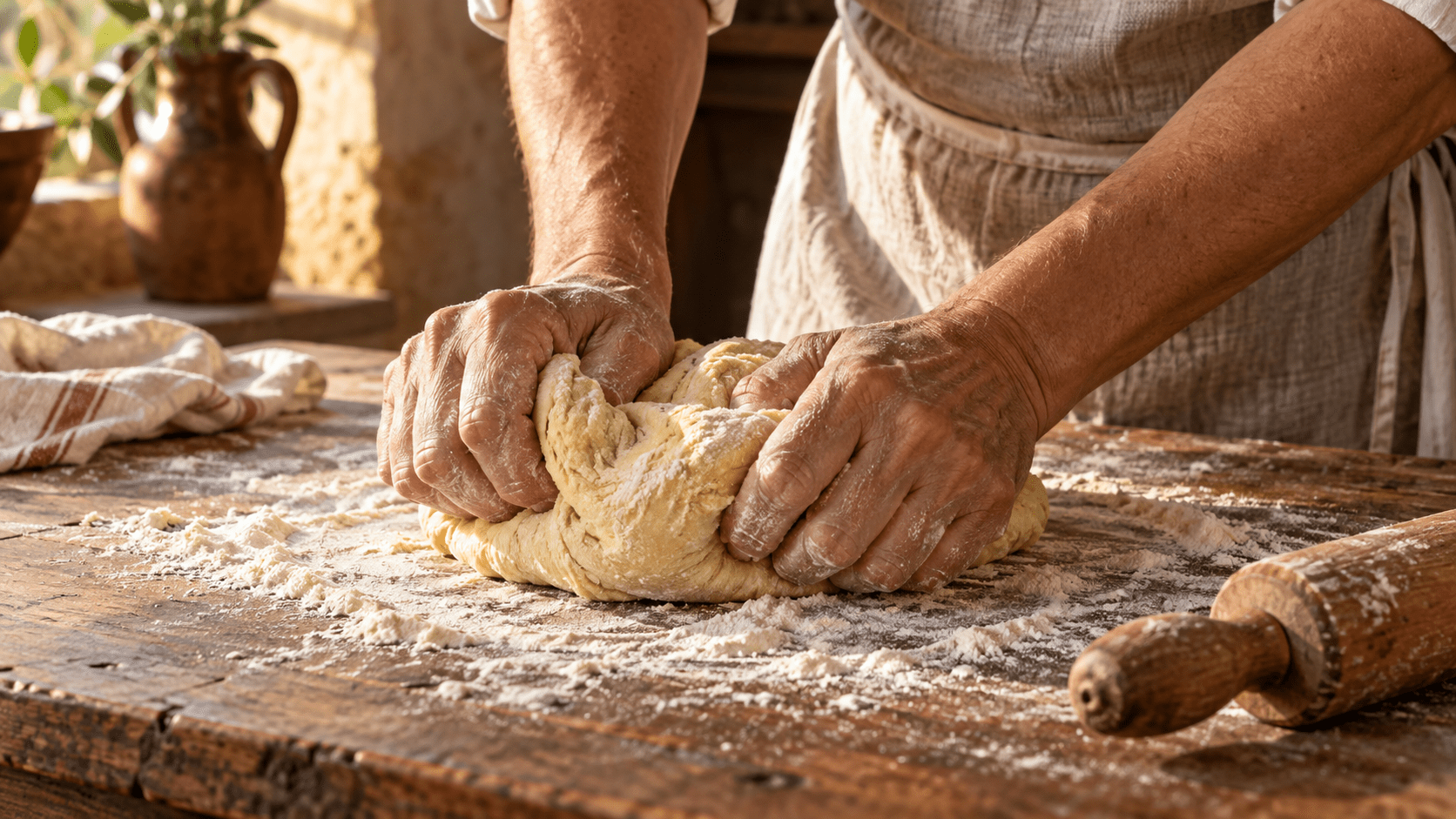
Literal translation: "To have one’s hands in the dough."
Meaning: To be directly involved in an activity or affair, often with enough influence to shape its outcome, whether constructively or for personal advantage.
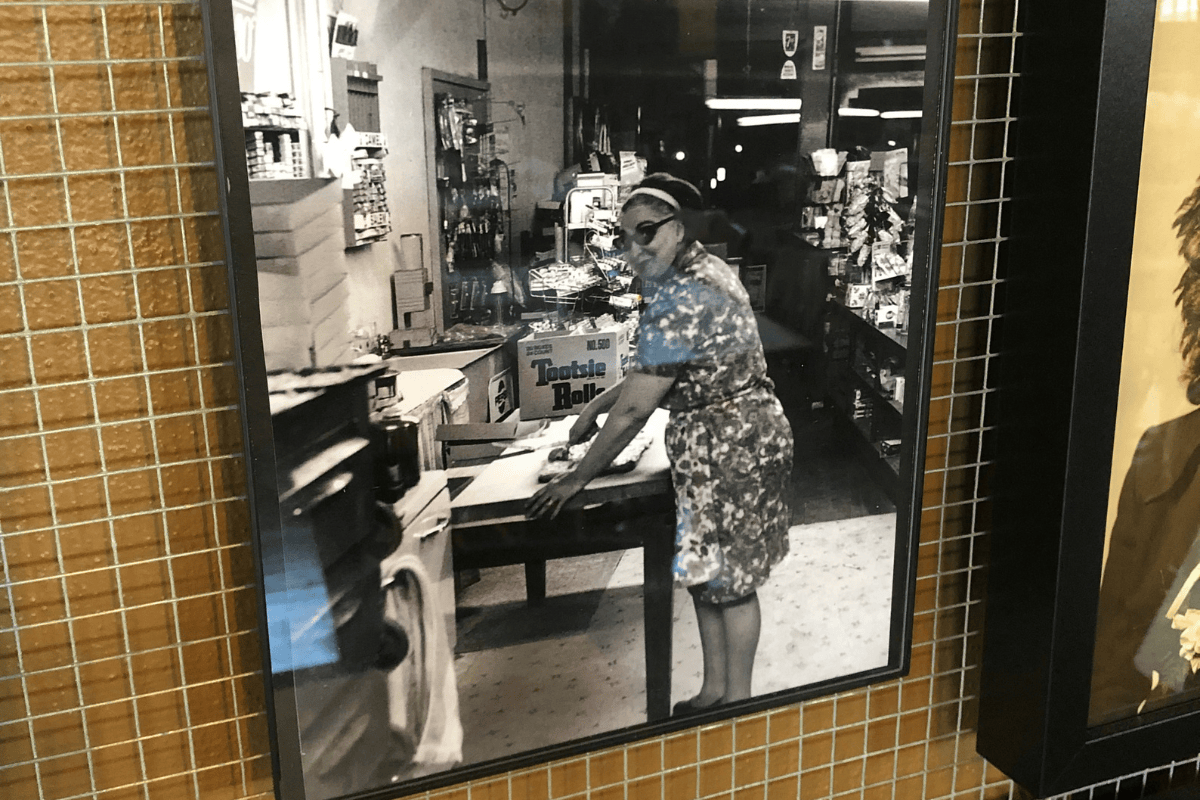
Before picturing an Italian with both hands buried in a bowl of spaghetti, one clarification is necessary. Here, pasta means “dough": the soft mixture of flour and water before it becomes bread, tagliatelle or anything else worth eating.
With that necessary clarification out of the way, avere le mani in pasta describes direct involvement in a project, business, organization, or complicated affair. A person with le mani in pasta is close enough to the action to influence its outcome. The hands do not merely touch the dough; they work it, transform it, and help determine what it will become.
The image has been part of the Italian language for centuries, carrying these broader implications almost from the start. It appears as early as the late 14th-century Pataffio, a comic Florentine poem, where putting a hand into the dough already means embarking on an undertaking. A century later, in Luigi Pulci’s Morgante, a character regrets doing just that. No loaf has gone wrong; he simply wishes he had never become involved in the affair.
Love discovering Italy one bite at a time? Subscribe to the free Appetito newsletter for the latest in Italian food, travel and favorite recipes.
Over time, Italian added a second hand. The gesture grew, and so did the implication. One hand may begin the work; two hands are fully committed, deep in the dough and helping to shape what comes out of it. Today, the expression can still praise practical experience and direct participation. But it can also point to someone whose influence reaches into important decisions—or into affairs where the ingredients are best left unexamined.
English speakers may hear an echo of “to have a finger in every pie.” Both expressions can describe someone involved in numerous activities, sometimes with a hint of suspicion. Yet their images pull in different directions. The English phrase moves from pie to pie, emphasizing the range of a person’s interests. The Italian one keeps both hands in the dough, emphasizing the depth of the involvement and the power to shape the result.
Dough is an unusually effective image for influence because the contact changes both sides. The hands press, stretch, divide and reshape it, then come away carrying traces of what they have handled. A finger can be pulled from a pie and licked clean; two hands in the dough are harder to disown.
Perhaps that is why the expression can move so easily from admiration to suspicion. Italians may respect someone willing to get both hands into the work. But when those hands appear in every important affair, they may also begin to wonder what, exactly, is being kneaded—and for whose benefit.