

Stepping off the plane in Milan at 16, I entered a world that felt both entirely foreign and intimately familiar. I had spent my childhood immersed in Italian culture, raised inside a family pizzeria surrounded by my loud, loving Abruzzese relatives. For my grandparents, cooking was an anchor to their roots, filled with the comforting staples of their home region: pasta e fagioli, porchetta sandwiches, and sugar-dusted pizza fritta.
Growing up in that environment made me feel like an expert on Italian cooking. Pasta and pizza weren't just favorites; they were the absolute staples of the table. But spending those summer months in northern Italy completely rewired my ideas about the cuisine, revealing a culture far richer and more varied than I had ever imagined.
The olive oil was swapped for local butter, pomodoro made way for rich, comforting braises, and sitting proudly in place of the daily pasta course was something shimmering, thick, and golden: polenta.
Beyond pasta: My first real encounter with polenta
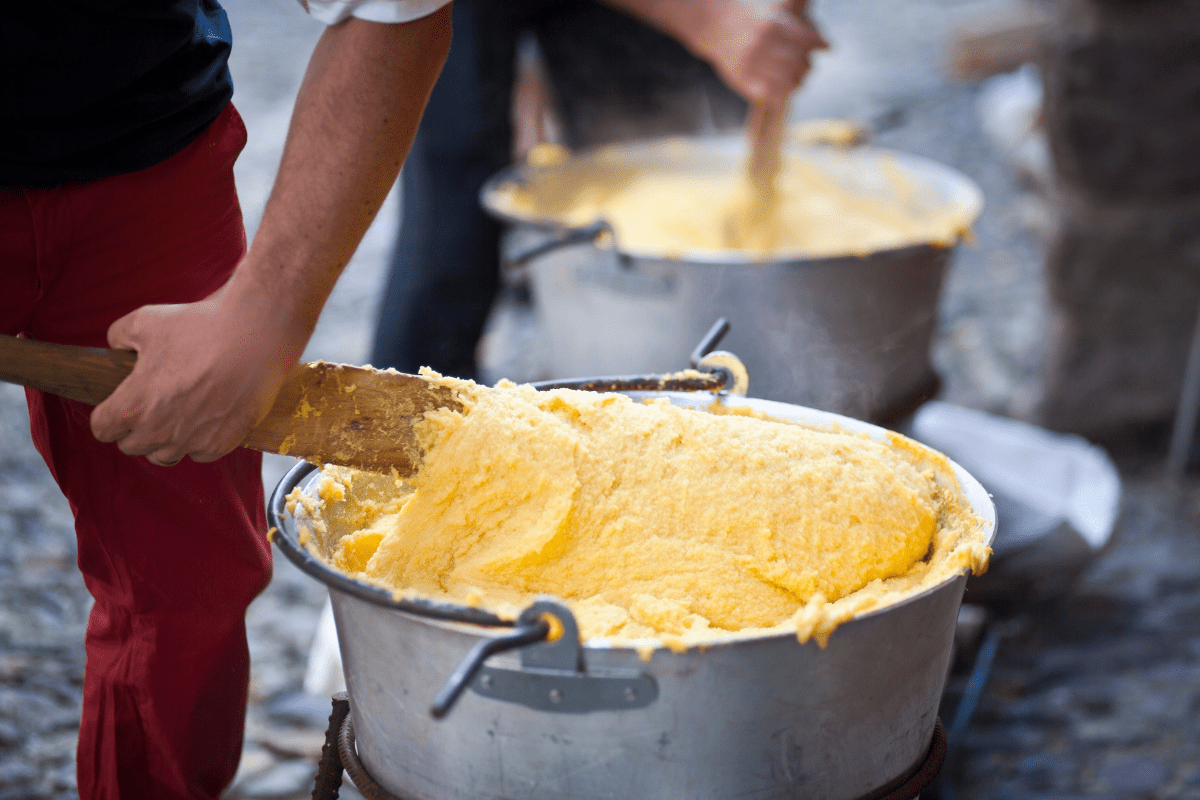
My first real encounter with authentic polenta will remain etched in my memory for eternity. If I’m being honest, I didn't even know the dish existed until that afternoon. But as the steaming cornmeal spilled across the traditional wooden spianatoia, I couldn’t wait to try it.
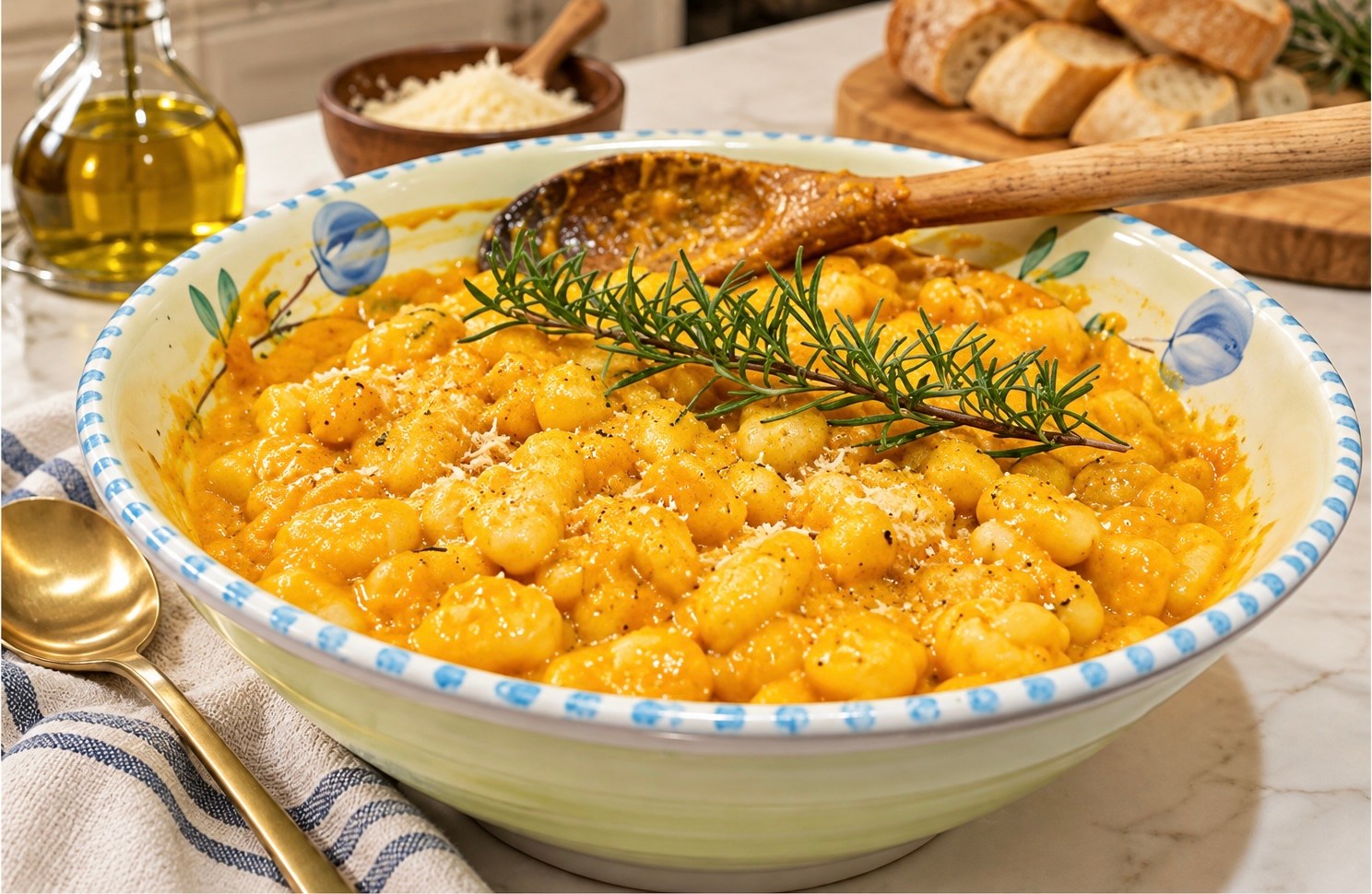
That day, it was served with a ragù made with savory sausage and earthy mushrooms, gathered fresh from the local market in Bergamo, just steps from my flat. A generous dusting of Parmesan cheese was gently laid on top. To this day, it’s still my favorite way to serve it.
The first bite was thick and creamy, carrying a subtle, nutty aroma mixed with the tangy, savory sauce. In that moment, a realization occurred that has guided my writing and conversations ever since: Food is never just sustenance. It is tradition, history and culture.
Love discovering Italy one bite at a time? Subscribe to the free Appetito newsletter for the latest in Italian food, travel and favorite recipes.
The heart of the north
After this culinary realization, I quickly learned that while southern Italy built its cuisine around wheat and tomatoes, the north ran on polenta. Across regions like Emilia-Romagna, Veneto, Lombardy, and Piedmont, it wasn't treated as a modest side dish. It was the main dish at the table.
Long before corn arrived from the Americas, ancient Romans fueled themselves with puls, a simple grain porridge. But when corn arrived in the 16th century, it became the heartbeat of northern cucina povera, or "poor cooking." Simmered low and slow in a copper paiolo and poured straight onto a wooden board, this humble dish warmed up and nourished generations through harsh winters.
For the northern Italian working class, polenta was served multiple times a day. Families ate it morning, noon, and night, loosened with fresh milk for breakfast, layered with field greens or wild mushrooms for lunch, and paired with savory meats or salted fish for dinner. However, my time in northern Italy taught me that each region brings its own character to the dish.
Northern Italian food and regional diversity
Polenta is defined by its remarkable adaptability. There’s polenta taragna, which blends cornmeal with dark buckwheat flour, generous amounts of local butter, and melting cheeses. Polenta bianca, served in Venice and along the coast, uses delicate white cornmeal polenta paired elegantly with grilled cuttlefish or baccalà mantecato, or creamed salt cod.
Honoring a zero-waste ethos, grigliata e fritta is one way Italians serve leftover polenta. It’s poured into a pan to cool, then sliced into slabs and grilled or fried until crispy on the outside and velvety on the inside.
Looking back on my time in the north, I remember more than just the cobblestone roads and beautiful, historic old city. I remember a fundamental lesson about regional food. Polenta reshaped how I viewed my heritage. It taught me that the heart of Italian cooking isn't found in elaborate luxury, but in using simple, honest local ingredients, creating something truly incredible and bringing people together around a shared table.
Explore more northern Italian stories at Appetito.