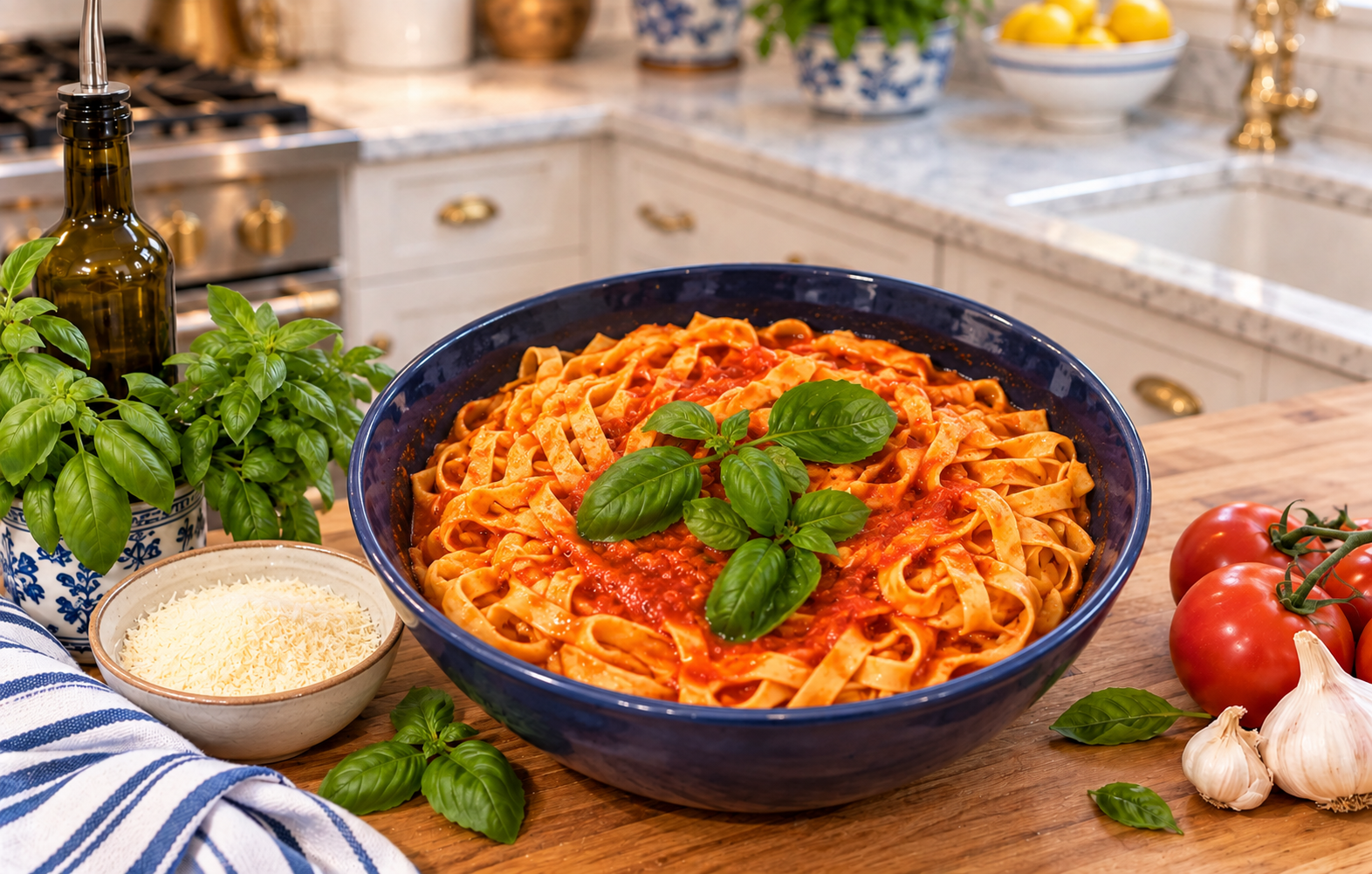


A lot of people say pasta is their favorite food. When asked about a “death row” meal, mac and cheese, penne with vodka, or chicken Alfredo are on most people’s short list of meals to have before they die.
However, if you asked someone if they ate pasta every day or even a few times a week, they would probably say no. This is because pasta has gotten the reputation for being too high in carbohydrates, fattening or unhealthy.
As a registered dietitian, I have learned that pasta made from wheat flour is no different from other sources of carbohydrates. Our bodies need carbohydrates to function and thrive. In reality, 45% to 65% of our total calories should come from carbohydrates, and yes, pasta can be one of those sources.
Pasta does not have to be a meal reserved for social and special occasions or planned as an indulgent meal. Pasta can be the base for a nourishing and delicious dinner. Here are five tips from a dietitian to build a balanced pasta plate.
Pick your pasta
There are tons of pasta options on the market—whole wheat, protein, gluten free, legume or bean-based and, of course, regular wheat flour. It is up to you to decide which pasta you want to start with. If you are looking to increase your fiber intake, opt for a bean style pasta to increase your daily fiber.
If you eat a plant based diet, pick a protein style pasta to get in extra protein. Pick the pasta that feels right to you for that week or day. Everyone has a different eating pattern and one week someone might pick a high protein pasta and the next pick wheat pasta. Having options is what makes eating enjoyable.
Craving more Italian recipes? Explore more healthy dishes at Appetito Magazine.
Pair a protein
When making a pasta dish, it can be a great idea to add a source of protein to the dish. Protein makes us feel fuller, longer. This could be by using protein pasta as the source. Pair wheat pasta with lean ground beef, shrimp or grilled chicken for a boost. You can also add chickpeas to pasta for a high fiber plant based option.
Meatball hack: Add spinach or use whole-grain breadcrumbs when preparing meatballs for extra fiber.
Choose colors
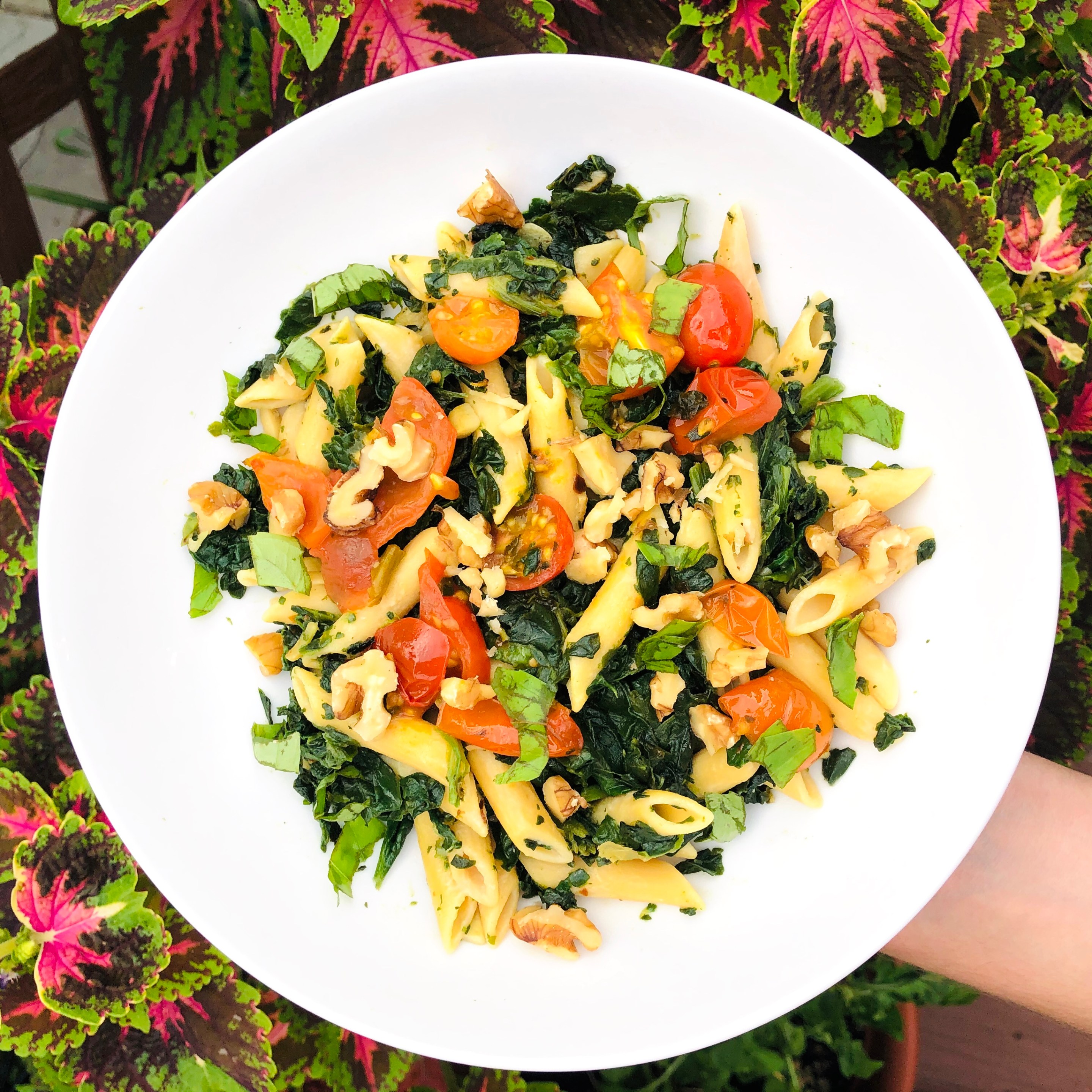
Adding vegetables to pasta might seem daunting or out of place. However, plenty of veggies lend themselves well to pasta dishes. Spinach, peas, broccoli, zucchini and mushrooms are all great additions. As a dietitian, one of my favorite ways to help people eat healthy is to make sure there are colors on your plate. Adding vegetables to pasta is a surefire way to ensure you’re getting your daily servings of veggies.
Healthy fats and fiber
Incorporating healthy fats and fiber into your dinner creates satiety and fullness, not to mention satisfaction. Use a high quality olive oil to sauté your veggies or cook your protein. Toss your pasta in olive oil as a light sauce and top with parmesan cheese. Adding veggies or using bean pasta will add fiber to your dish to create a balanced and filling dinner.
Top it off
Finish off your plate with your favorite garnish. Top with a dollop of ricotta cheese, sprinkle of Parmesan, Pecorino Romano, or some prosciutto. Adding your favorite type of cheese or meat aids in your enjoyment factor. Food should be enjoyed, and if you balanced your plate with healthy fats, fiber and colors, a small amount of indulgence is perfectly fine!
Takeaways
Pasta is a staple in the Italian diet. Tons of dishes incorporate this delicious food, and it has the opportunity to be the base of a nourishing meal. By adding protein, healthy fats and fiber to your pasta plate, it is a meal that can be enjoyed from Monday to Sunday regardless of the occasion.
Love discovering Italy one bite at a time? Subscribe to the free Appetito newsletter for the latest restaurant openings and Italian travel news.