

My husband and I had left our final day in Tuscany unplanned, just in case there was somewhere we wanted to see before he flew home and I continued to the winemaker’s event. I’d won the trip through an essay contest, one of those unlikely bits of good fortune that still feels like a dream.
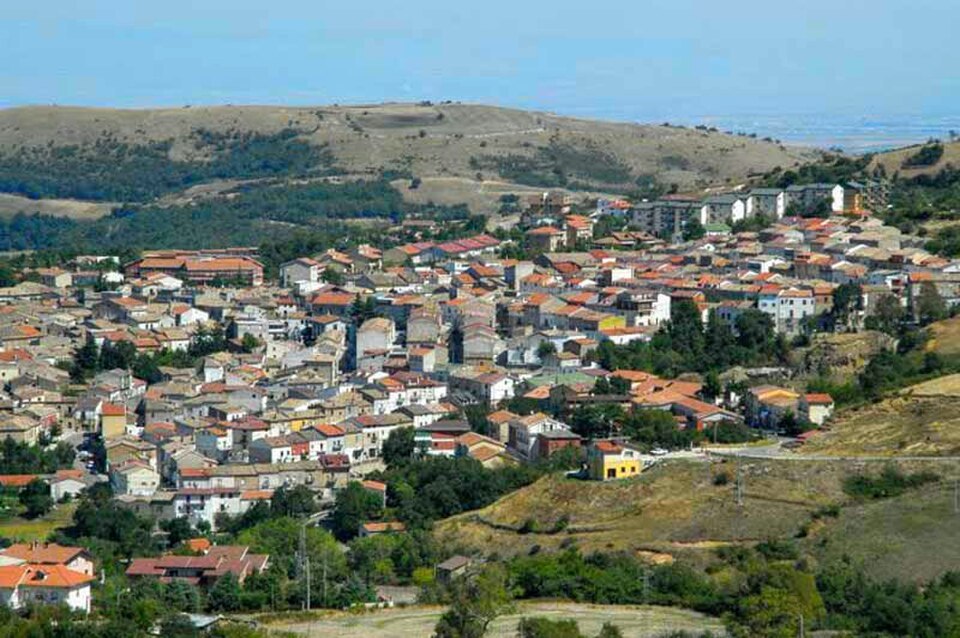
There was one place I secretly hoped we’d visit. Ever since reading Under the Tuscan Sun by Frances Mayes, I’d wanted to see Cortona. I’d read the book so many times I could practically recite passages and watched the movie enough to know most scenes by heart. I was a little embarrassed by my obsession, so I kept it mostly to myself while we planned the trip. It wasn’t until we were already in Tuscany that I finally admitted to my husband I couldn’t leave Italy without seeing the famous hill town I’d read so much about. He was all in. So, on our last day, we boarded a train in Florence and headed for Cortona.
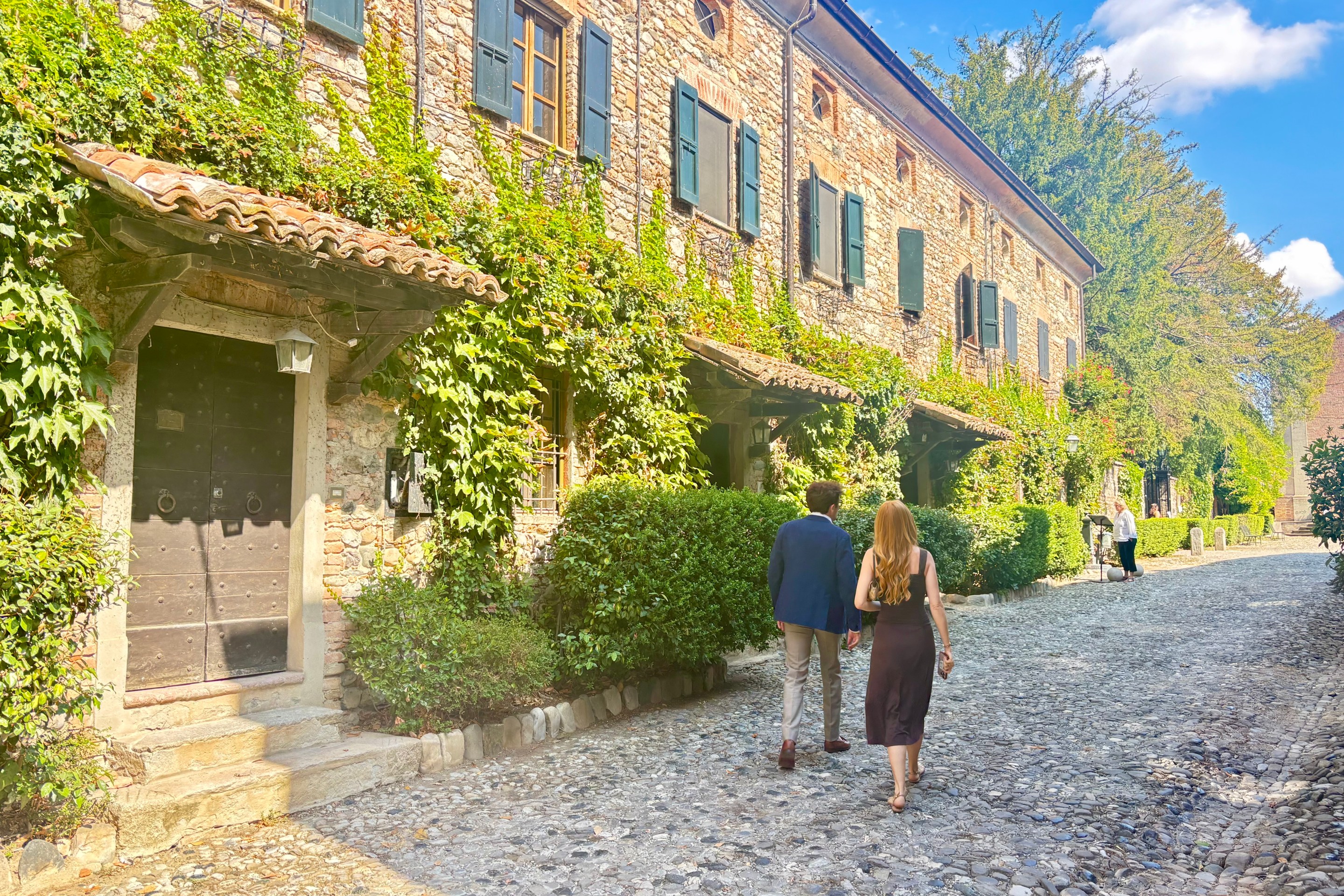
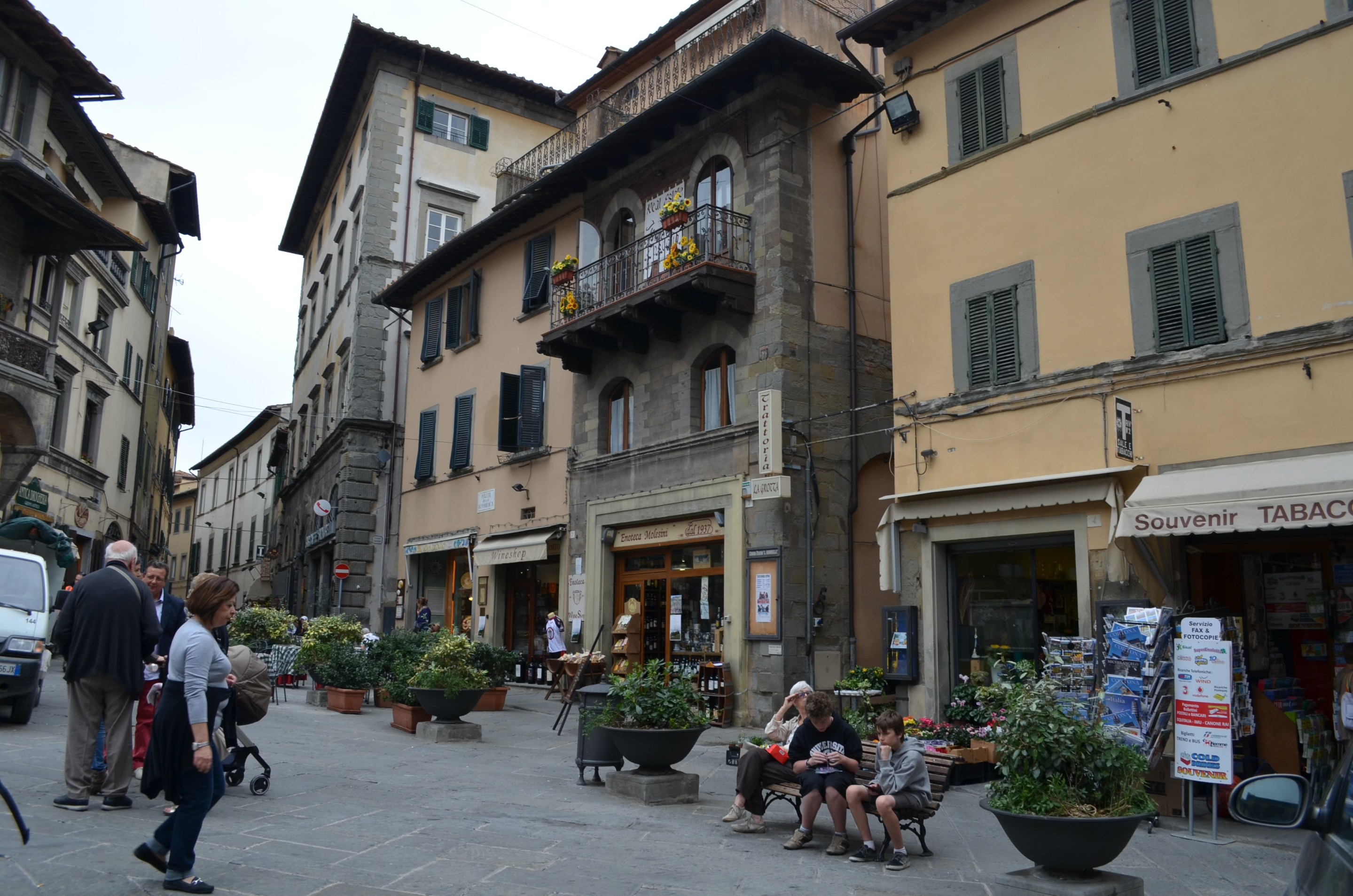
We wandered through the narrow streets, watching locals linger in the piazzas while tourists searched the shops for gelato and souvenirs. Two nonnas emerged from the old church and slowly made their way up the steep hill. I spent a few moments watching them speak in their expressive language while breathing in the life of the ancient village, something I’d only ever imagined.
We eventually found a table at an outdoor trattoria where church bells echoed through the square and a bride and groom stepped onto the balcony across from us. The bride scattered handfuls of red roses into the cheering crowd below, and just as the last flower drifted into the Piazza della Repubblica, my dinner arrived. A large bowl of linguine dressed in a delicate sauce laced with garlic and white wine; tender ribbons of cabbage, freshly grated pecorino, and paper-thin slices of black truffle crowned the top. I ate slowly, convinced I’d remember every bite.
Years before that meal, there was Bruce.
A nutritionist had asked if I’d cook for one of her clients. Bruce was in his seventies, lived alone in a big house on a lake, with his collection of cars, and much to my horror, all sorts of stuffed creatures from his hunting days. He was a man of routines and strong opinions but also had a deep suspicion of vegetables. I once spent an entire afternoon convincing him that roasted green beans with crispy shallots was indeed a gourmet recipe and not just any old vegetable. They ended up being one of his favorite dishes.
Our first meeting, which was supposed to last forty-five minutes, turned into a three-hour conversation that had very little to do with food. Mostly, he wanted company.
I cooked for him for four years. And somewhere along the way, without either of us deciding to, we stopped being chef and client and became friends.
When I left Washington, I knew I was leaving more than just a place. It was where I’d raised my daughters and built my private chef business, where I discovered I loved writing as much as cooking. And where I found the courage to enter the essay contest that would eventually send me to Italy. It was also where Bruce lived. Although we tried to stay connected across the miles with occasional phone calls, cards and small updates about ordinary things, it wasn’t the same as being there.
By the time I’d won the contest, I’d already moved to Oregon. When I returned home from Italy, I spent countless hours trying to get the pasta dish right. I tried it with different pastas, added pancetta one year, thinly sliced local mushrooms another, and even resorted to truffle oil when I couldn’t justify the real thing. Sometimes the sauce was too heavy, and other times too light. It never became the dish exactly like the one in the piazza, but I got close enough to give it a name. At home, I simply called it Linguine alla Cortona.
Eventually I made the recipe on live television, for a Portland news segment about spring pasta dishes. Standing beside the host, who towered over my five-foot-three-inch frame, I told viewers about the roses, the church bells, and the way the plate arrived as if it had been scripted like a play. I didn’t think much about who might be watching.
Back in Washington, Bruce was watching. By then, I knew he’d been struggling with cancer, though he never told me more than that, and always insisted he was doing fine when I asked. In June of 2017, my phone rang, and the caller ID said Bruce’s home. He almost never called me first; I was usually the one calling him. My heart caught a little. When I picked up, his voice sounded gravelly and formal.
“Is this Chef Karista of Karista’s Kitchen?”
I laughed. “It is.”
“I’d like to order one Linguine alla Cortona for dinner delivery, please.”
He’d seen the segment, and said the dish looked delicious. But then, with a familiar tease in his voice, he added that I hadn’t made pasta for him nearly often enough.
He mentioned the host was awfully tall.
“She is,” I said. “And it doesn’t help that I’m short.”
He laughed the way he always did, loud and a little wheezy.
We talked for another twenty minutes, which was longer than our usual phone calls. He was the same as ever, jovial and a bit cantankerous, telling me stories that sounded more like tall tales. It was one of the best conversations we’d ever had, though I didn’t notice at the time.
And underneath it all, I heard something I hadn’t heard before. Bruce wasn’t a man who handed out compliments, but I knew he was proud of me, proud for me.
We said our goodbyes. “I love you,” he said. I said it back.
That was the last time I heard his voice.
There was no dramatic warning in the call itself, nothing telling me to stay on the line a little longer or say anything different than I did. Just Bruce ordering linguine for delivery, teasing me about how short I looked on television, and ending with “I love you.”
Only later did I realize the pasta was his excuse to call.
I’ve stopped trying to get the recipe exactly right. I don’t think perfection was ever the point. Just the memory. Now when I shave black truffle over warm pasta, I still hear the bells over the
Piazza della Repubblica and still see the last rose drifting down to the crowd below. And of course, Bruce, laughing his wheezy laugh, asking for pasta delivery one more time.
Love discovering Italy one bite at a time? Subscribe to the free Appetito newsletter for the latest restaurant openings, Italian travel news and favorite recipes.