

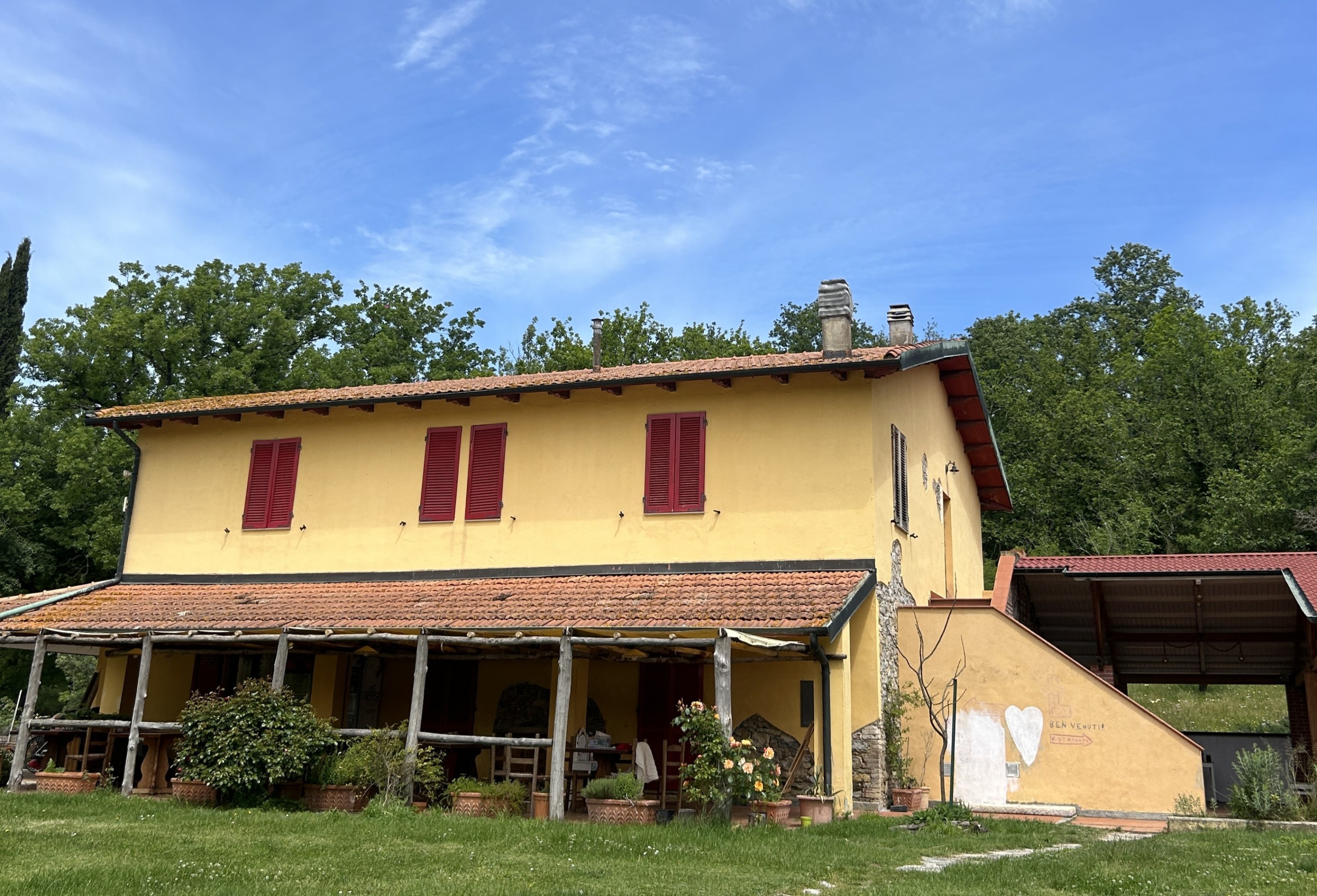
Tires slow to a stop on a dusty dirt path. Ahead of me: a charming yellow farmhouse with red windows, framed by rolling hills as far as the eye can see. Endless olive trees, tomato vines and planters full of fresh basil line the home.
I found myself at Agriturismo Santa Lorica, a working farmstay nestled in the hills of Sassetta, following my study abroad program in Rome. After living in Italy’s bustling capital city, I was determined to give equal attention to the rural, slower side of its culture. I was especially intrigued by farms that welcome visitors for hosted experiences beyond the ordinary, so I sought out a place that would completely absorb me.
The word agriturismo combines the Italian words agricoltura (agriculture) and turismo (tourism). In practice, it offers guests a chance to experience a working agricultural operation, from its food and landscape to its systems, all while enjoying everything organic and homegrown it has to offer. Some take volunteers, like Agriturismo Santa Lorica; I was able to find their farm through WWOOF (Worldwide Opportunities on Organic Farms), an online platform for farms across the world to connect with volunteers.
What stuck with me the most after this experience was the steadfast dedication to growing, preparing, and serving food. My hosts, Leonardo and Elena Giorgerini, put countless hours and years of their lives into the upkeep of a farmstay that not only enriches the environment, but shares these practices with people from around the world.
Arrival: Discovering a different kind of Italian hospitality
Flashback to my very first moment of stepping off the train at the Campiglia Marittima station. I was looking for a burly, farmer-looking man whom I had only seen through a WhatsApp profile photo, with his two daughters who he had mentioned were also coming to pick me up. When the doors opened and I immediately spotted their three smiling faces, my eyes welled up with tears.
We made our way through the hillside, whipping around the empty roads that were dotted by the occasional farmhouse. Emily and Diana, the daughters, held in their excitement, practically climbing out of their seats to reach me on the passenger side. Did they know I was even more excited to be there?
As it was the week before summer, the whole family was busy preparing for their most popular season: my main responsibilities seemed to be helping out wherever was needed. Throughout the week, I would learn the many definitions of that, between planting in the garden and getting my hands dirty to entertaining the kids while their parents ran errands in town.
After spending my first night settling in and watching a movie together with the family, I fell asleep with a full belly and a smile on my face, imagining all that was to come over the next week.
Love discovering Italy one bite at a time? Subscribe to the free Appetito newsletter for the latest restaurant openings and Italian travel news.
Getting my hands dirty: Agroforestry and syntropic farming
As the morning sun crept across the hills, I rode shotgun with Leonardo to Santa Lorica, a mere five-minute drive from the Giorgerini family’s full-time residence. Open from spring through autumn, the agriturismo experiences the seasons under the watchful gaze of visitors, fully closing in winter to dedicate more time to family.
We worked in a dedicated area of their land where Leonardo first experimented with agroforestry, a method of farming that relies on ecological succession and surrounding growth to determine what plants will thrive. Leonardo describes himself as a student of Ernst Götsch, a Swiss agronomist and influential figure in the development of syntropic agriculture, a special practice within agroforestry.
Through a careful planning process of understanding the plants’ height, length, width and growing time, plots within the farm are not sectioned off by crop, but form a harmonious myriad of colors and flavors. By planting crops in relation to their surroundings and to each other, the soil regenerates itself and in turn, provides more nutrients to the plants as it intakes.
The first thing I was tasked to plant was tomatoes, which I learned were highly compatible with the surrounding scattered fruit trees.
“The tomatoes will use their trunks as support to climb, while sharing the soil’s good nutrients,” Leonardo explained to me. It was us, the sun, and their dog, Balu working with the elements.
After five years of experimentation, Santa Lorica’s agroforestry project has borne fruit: healthy crops of artichokes, garlic, onions, tomato and fruit trees thrive within the project’s area. In 2024, Leonardo started the larger project of reforesting the large surrounding olive orchard, planting eight new lines of transplants to re-generate the soil, starting with fruit trees, artichokes and vegetables.
Now, the agroforestry project is home to 800 artichoke plants among its wide variety of crops. Leonardo also describes the strategy of syntropy as a protection against harms to the plants, such as “fungal attacks due to bad weather or parasites.”
I dove my small shovel into the ground repeatedly, my gloved hands working through the clumpy soil. The practice was calculated, yet also intuitive - find a free space and go, think like a plant would. I kept this repetitive motion while my mind quieted, looking up every so often to admire the horizon.
From farm to table: Discovering the meaning of fresh
While I was not able to experience a meal at Agriturismo Santa Lorica in full swing with visitors, I was able to taste Leonardo and Elena’s excellent cooking each night at their home, which felt even more special.
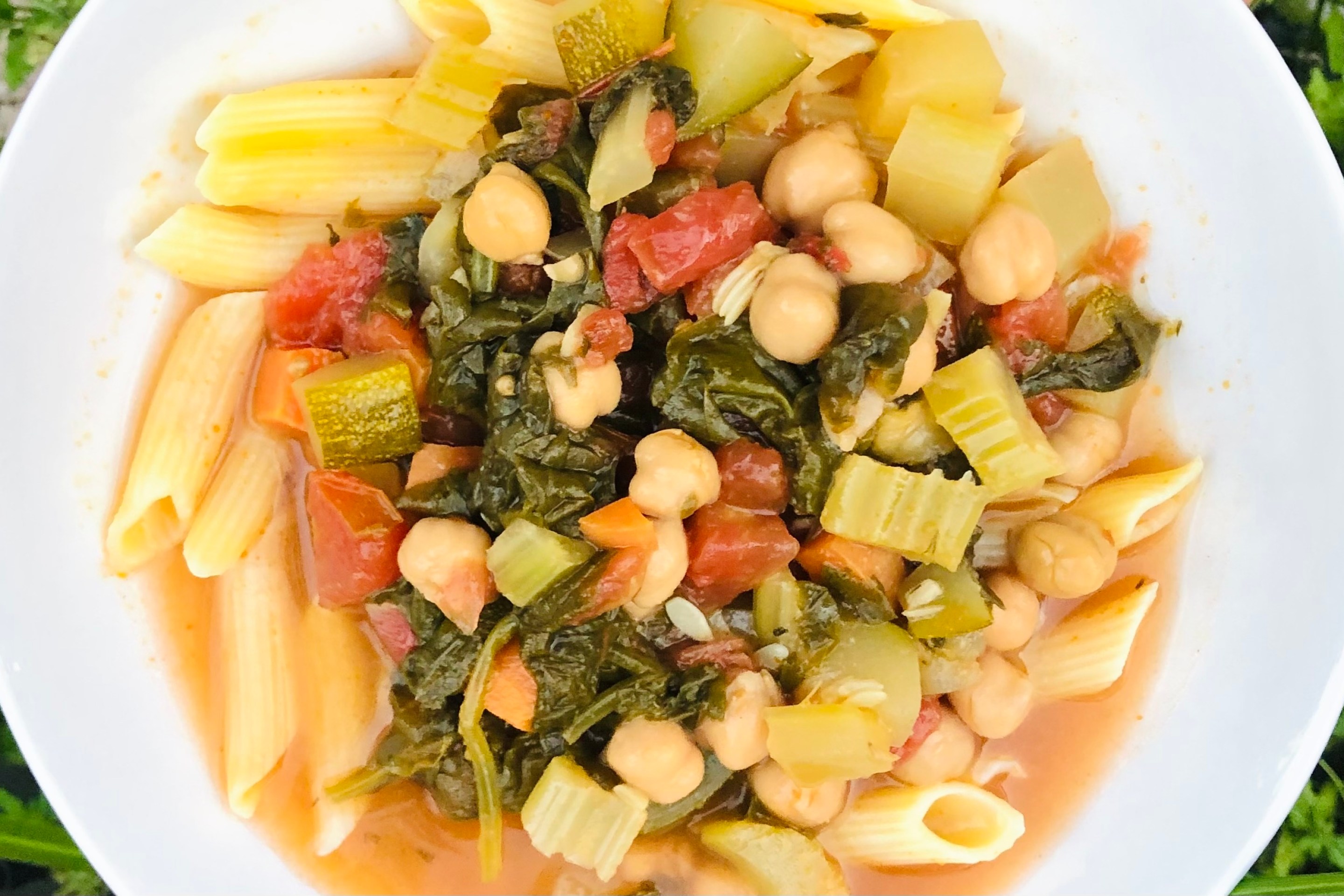
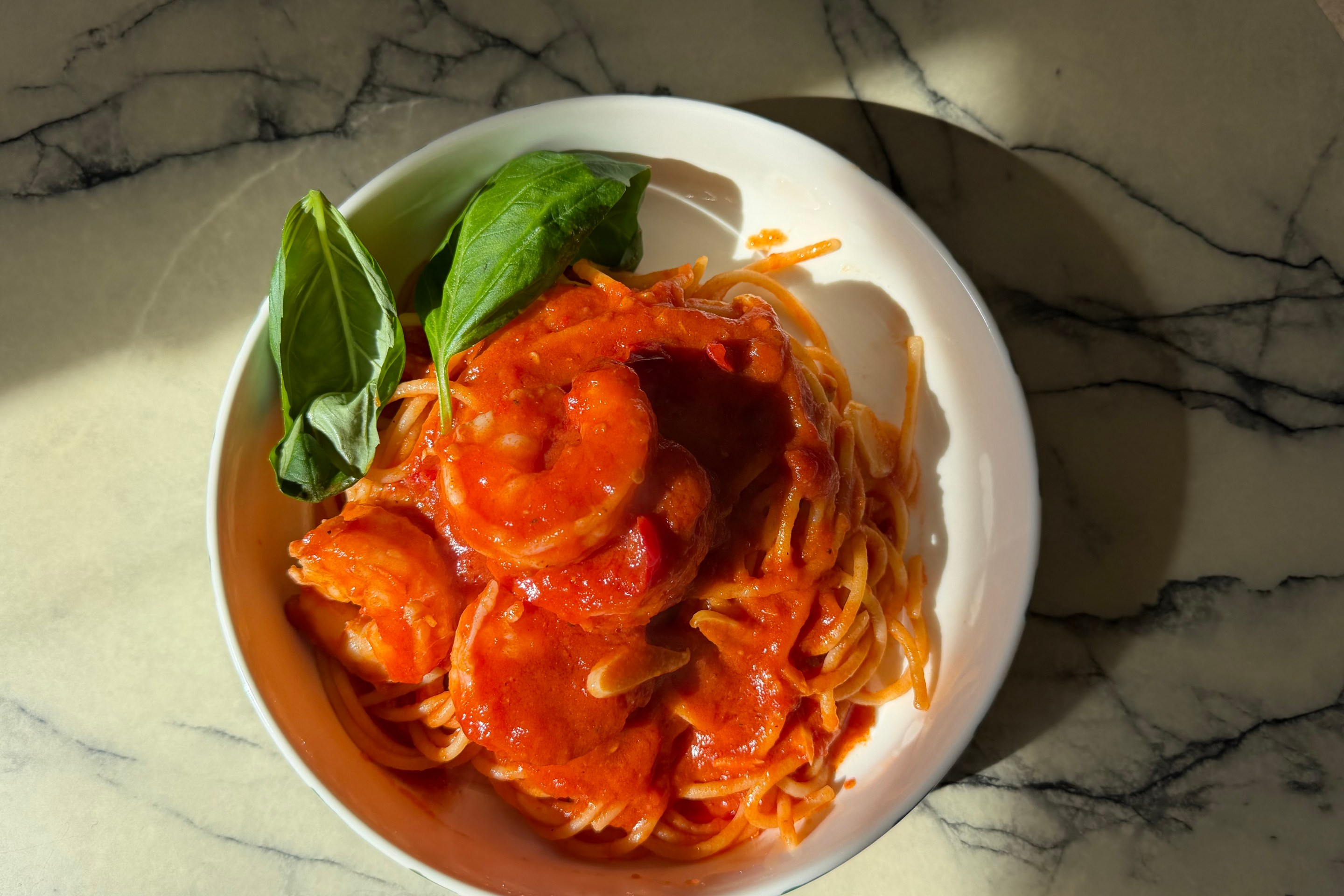
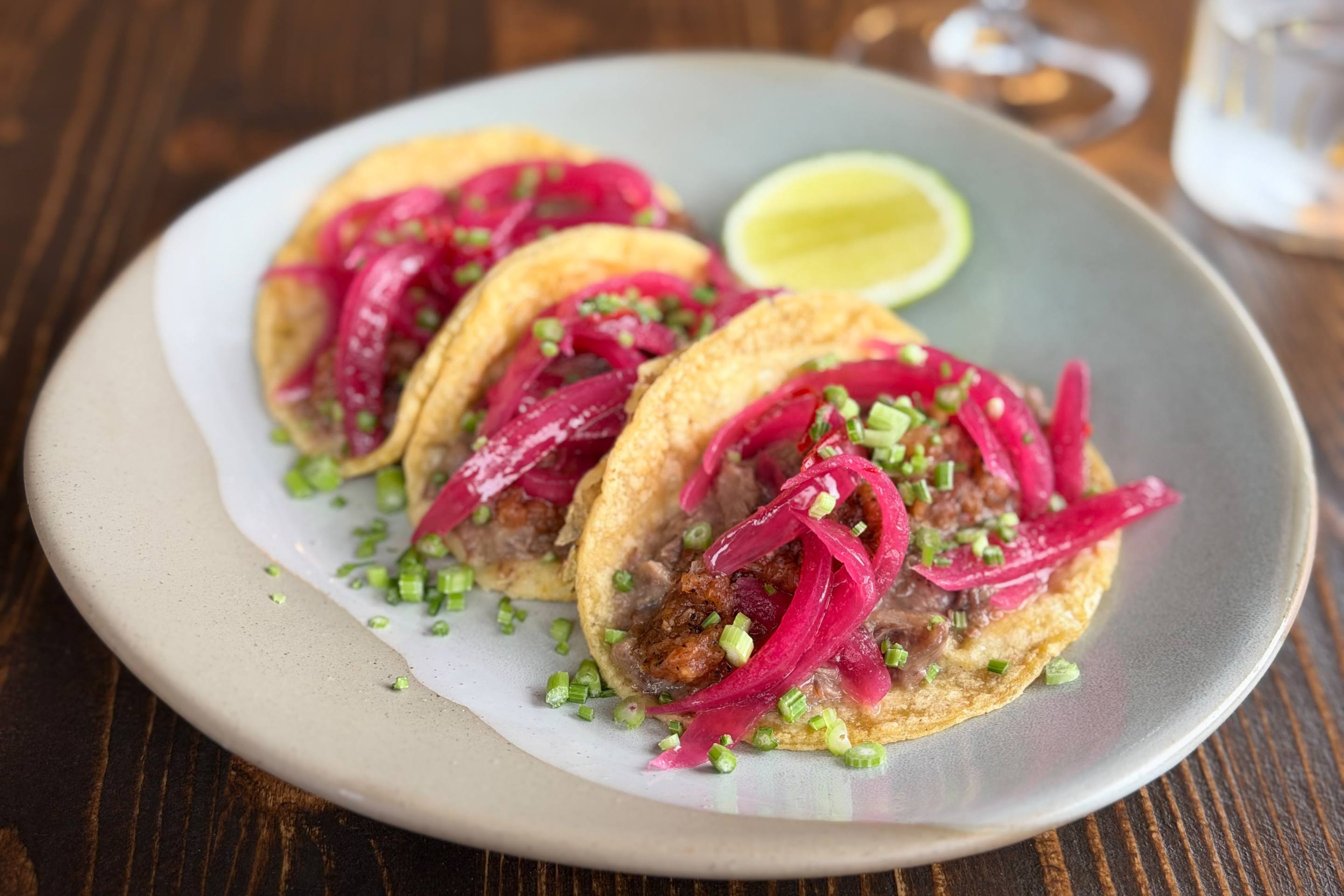
For just us five, there was always a decadent dinner feast of colors, vegetables, and juicy meats with a variety of cuts. Each morning would start with a sweet Italian tart, or crostata made by Elena, paired with a fresh array of yourt, honey and fruit toppings.
I envisioned the lively family-style dinners under the outdoor patio area of the agriturismo. On weekends, “Aperitivo Rustico” is held inside the garden, with a homey array of zero-food-mile products and sparkling wine, or spumante. Everything prepared on the farm can be guaranteed fresh and local.
On my final night in the Giorgerini home, Leonardo and Elena prepared a feast of steaks, sausages, grilled vegetables and grains that were cooked for hours beforehand. Everything was served family-style, naturally, and the kitchen bubbled over with smells and smoke as food was taken out of the oven, the refrigerator, and off their grill outside, all brought to the center of their charming, regular kitchen table.
One afternoon, I was able to accompany the entire family on a trip into town to their local butcher. Every person we passed gave a friendly wave to us, and we idled in shops past closing hour, catching up with the butcher or pharmacist alike. In America, I would have picked up what I needed, then hurried home. There was no rush here.
My experience volunteering was a beginner’s way to immerse myself into the setting and the art of agriturismo. It would be impossible to understand the full extent of the preparation, physical labor and planning that goes into sustaining an operation that engages such a meaningful message in both hospitality and agriculture, all while raising a family too.
Leonardo says that in raising his children, he’s not sure if they will choose to remain in rural life, however, he doesn’t doubt that the lasting impression of the memories, sensations and flavors will stick with his daughters for a lifetime.
Before this experience, I could only imagine a magical place like Agriturismo Santa Lorica. But through the Giorgerini family’s curiosity, welcoming spirit and appreciation for their land, I began to understand that the magic was not simply in the landscape. It was in the connection between the land, the food it produced, and the people who gathered around it and learned something.