


Italy has always touted its food as the best, and now UNESCO has agreed. “Today we celebrate a historic milestone: Italian cuisine has been recognized by UNESCO as an Intangible Cultural Heritage of Humanity,” shared Erica Di Giovancarlo, Trade Commissioner and Executive Director for the USA of the Italian Trade Agency.
Rather than spotlighting a single dish, UNESCO recognized the full picture of how Italians cook and gather. “This honor pays tribute to our traditions and the passion we have long brought to the table,” Di Giovancarlo noted.
UNESCO described these practices as cultural knowledge worth safeguarding. The new designation, as Di Giovancarlo stated, “is a recognition that highlights Italian cuisine as a profound expression of our nation’s identity and culture that is cherished and celebrated across the globe.”
How UNESCO Chooses New Intangible Heritage
Each year UNESCO considers nominations from around the world for its intangible cultural heritage list. Countries submit applications that outline the history of a tradition and the community that practices it. A nomination must show that the tradition is living and widely shared.
Italy’s submission focused on the deep roots of regional cooking, the role of agriculture, and the social importance of eating together. Di Giovancarlo emphasized that “It honors the richness of our regions, the dedication of our producers and chefs, and the generations who have preserved and passed down recipes, techniques, and values.”
An independent evaluation body studies the evidence, reviews expert statements, and confirms community support. UNESCO then votes at its annual session, and only a select group of traditions are chosen.
What This Means for Tourism
The news spread quickly across global media. Condé Nast Traveler noted the announcement on Instagram within hours, one of many outlets highlighting the cultural weight of the decision.
UNESCO recognition often brings new attention to the culture it honors. Italy is sure to see a rise in travelers seeking regional food experiences, especially in smaller towns and rural areas known for local festivals, markets, and wineries.
For Italy, the listing is also a boost for small producers, family restaurants, and the communities that sustain local food traditions. Di Giovancarlo noted that “This milestone strengthens the Italian Trade Agency’s commitment to promoting and protecting authentic Italian cuisine in New York and beyond.”
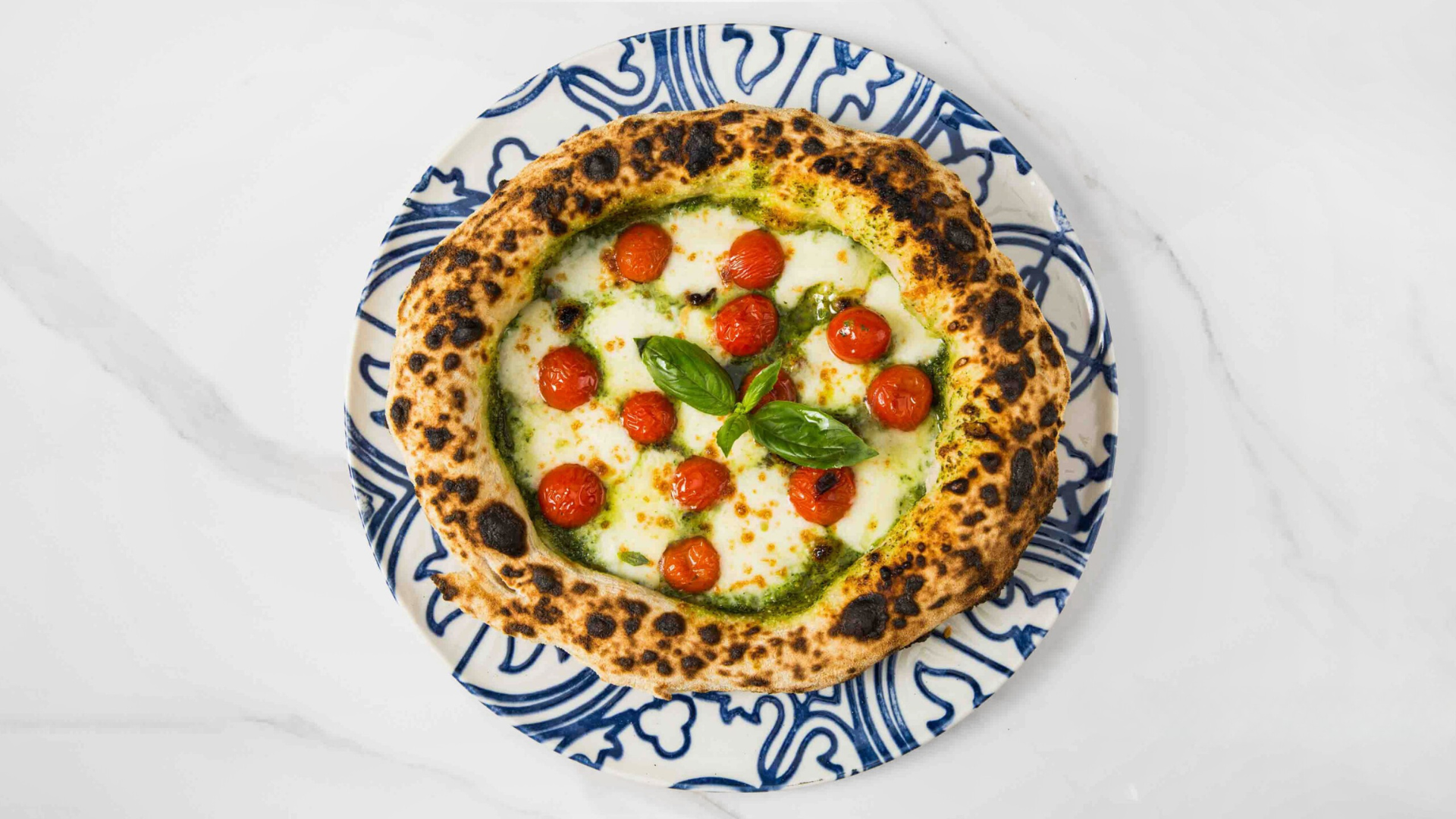
Italy already holds several culinary honors, including Neapolitan pizza making and the Mediterranean diet, but this new designation stands apart. It acknowledges the entire national cuisine and the everyday habits that sustain it.
Enjoyed this article? Sign up for the Appetito newsletter and receive new recipes, stories, and Italian inspiration straight to your inbox.