
I have always been fascinated by people who order the same thing every time they visit a restaurant. You know the type. They'll spend 25 minutes studying the menu, ask the waiter several questions, briefly entertain the possibility of trying something new and then order exactly what they had last time. I am quite the opposite. My problem is that I want to try absolutely everything, which makes choosing just one dish rather difficult.
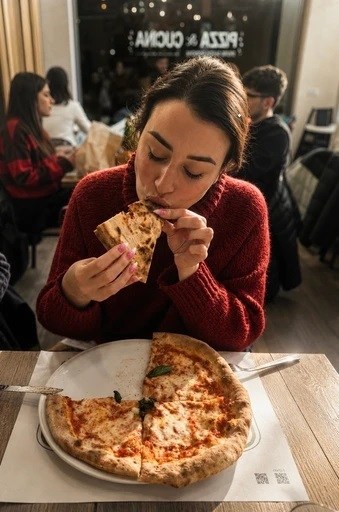
So, when I discovered that Salerno's annual pizza festival offered a 20-euro ticket entitling visitors to four slices of pizza (personal pies are the only way it’s normally done in Italy), a drink and an espresso to finish, I thought I had found my culinary paradise.
Salerno, a beautiful coastal city just south of Naples, is where my beloved nonna lives and somewhere I return to regularly. Although its more famous neighbor tends to claim much of the international attention when it comes to pizza, Salerno certainly knows how to celebrate it.
Every summer, the enormous Piazza della Libertà fills with pizza ovens, local pizzerias and hungry visitors for Festa della Pizza. It's a wonderfully social affair, with people moving between stalls, comparing their choices and inevitably debating whose pizza is best. I was simply delighted to be able to sample four different toppings without committing to an entire pizza. And because this is Italy, even the most informal dining experience can apparently benefit from a proper espresso at the end.
A couple of weeks later, I found myself back in the same square for Cibo & Dintorni, this time for wine tastings and what turned out to be a rather unreasonable amount of mozzarella. For 25 euros, I enjoyed remarkably generous tastings of Franciacorta and Amarone, two very different but equally wonderful expressions of Italian winemaking. Franciacorta, the elegant sparkling wine produced in Lombardy using the traditional method, is one of my favorite alternatives to Champagne, with a crisp, dry character that I prefer to the fruitier Proseccos I've encountered. Amarone, meanwhile, is a rich, powerful red from the Veneto region made using partially dried grapes.
But the greatest danger, at least where my self-restraint was concerned, came from the numerous food stalls offering complimentary tastings. Over the two days I attended the three-day festival, I am fairly certain I consumed my body weight in mozzarella. Every time I thought I had finished, another producer would appear offering a different variety: fresh, smoked or flavored with lemon zest, and naturally it would have been terribly rude not to try it. The fact that the dry, acidic Franciacorta cut so beautifully through the richness of the buffalo mozzarella only encouraged further excess. There is a particular pleasure in tasting something so familiar where it is produced, especially when the quality is so good that it needs absolutely nothing added to it.
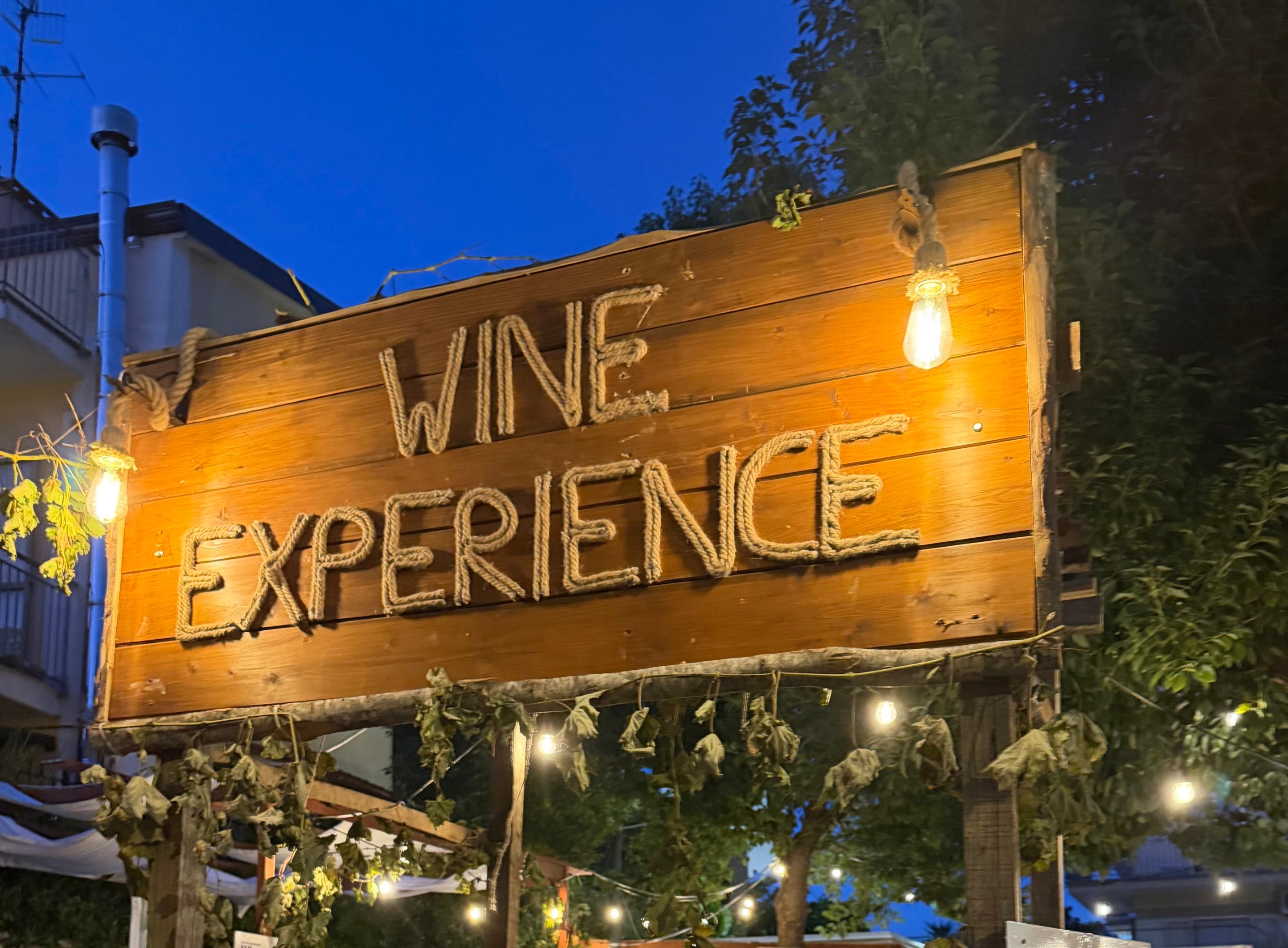
My enthusiasm for eating and drinking my way around Campania's festivals eventually took me into the hills outside Salerno, where I discovered a small town that had effectively turned itself into one enormous wine bar. Filetta's annual Sagra dell'Uva e dell Vino - dedicated to grapes, wine and the local harvest - sees the entire town center closed to traffic and transformed into a walkable wine tasting. Local wineries set up makeshift bars along the narrow streets, the smell of Italian barbecue mingles with that of enormous pans of pasta, and music seems to come from every direction. Each little square has its own band, often playing a completely different style from the one just around the corner.
We opted for the 25-euro tasting package, which included three glasses of wine of our choice and an enormous wooden board piled high with local cheeses and charcuterie. The portions were generous enough to constitute an entire meal, although that certainly didn't stop me from investigating the other food stalls. Perhaps my favorite detail was that we got to keep both the wine glass and the serving board as souvenirs. I couldn't help wondering how many people had returned home after a particularly enthusiastic evening carrying an increasingly ambitious collection of wooden boards. What makes Filetta so special is how completely the town embraces the occasion. There is no single stage or main attraction: the whole village becomes part of the festivities, and you simply wander from one discovery to the next.
From Campania's mountain festivities, my travels took me north for Milan Fashion Week, where I had arranged lunch with an old friend who is arguably even more of a foodie than I am, which is saying something. We chose Horto, a Michelin-starred restaurant just moments from the Duomo which I had been particularly looking forward to experiencing together. There's something lovely about sharing a restaurant like this with someone who gets equally excited about food, particularly when it offers a welcome escape from the seemingly endless parade of runway shows, presentations and beautifully dressed people.
Perched above Milan's historic center, Horto's spectacular rooftop setting overlooks the Duomo and Galleria Vittorio Emanuele II, which had hosted the Vogue World Show just the night before and was still buzzing with activity. Under the culinary direction of Norbert Niederkofler, the restaurant follows L'Ora Etica, or the Ethical Hour, a philosophy prioritizing ingredients sourced from producers within approximately an hour of Milan. Having spent the preceding weeks eating my way through the local produce of Campania, I rather liked encountering a more refined expression of the same appreciation for regional ingredients. A Michelin-starred restaurant can make something grown just down the road feel every bit as luxurious as an exotic ingredient flown in from halfway around the world. And after days immersed in Fashion Week, there was something particularly enjoyable about being somewhere the most important thing in the room wasn't what anybody was wearing.