

Along Sicily’s northern coast, the mills of Trabia turned with water that flowed throughout the year. Around them lay estates where workers produced a food durable enough to leave the island by ship.
The cargo was pasta.
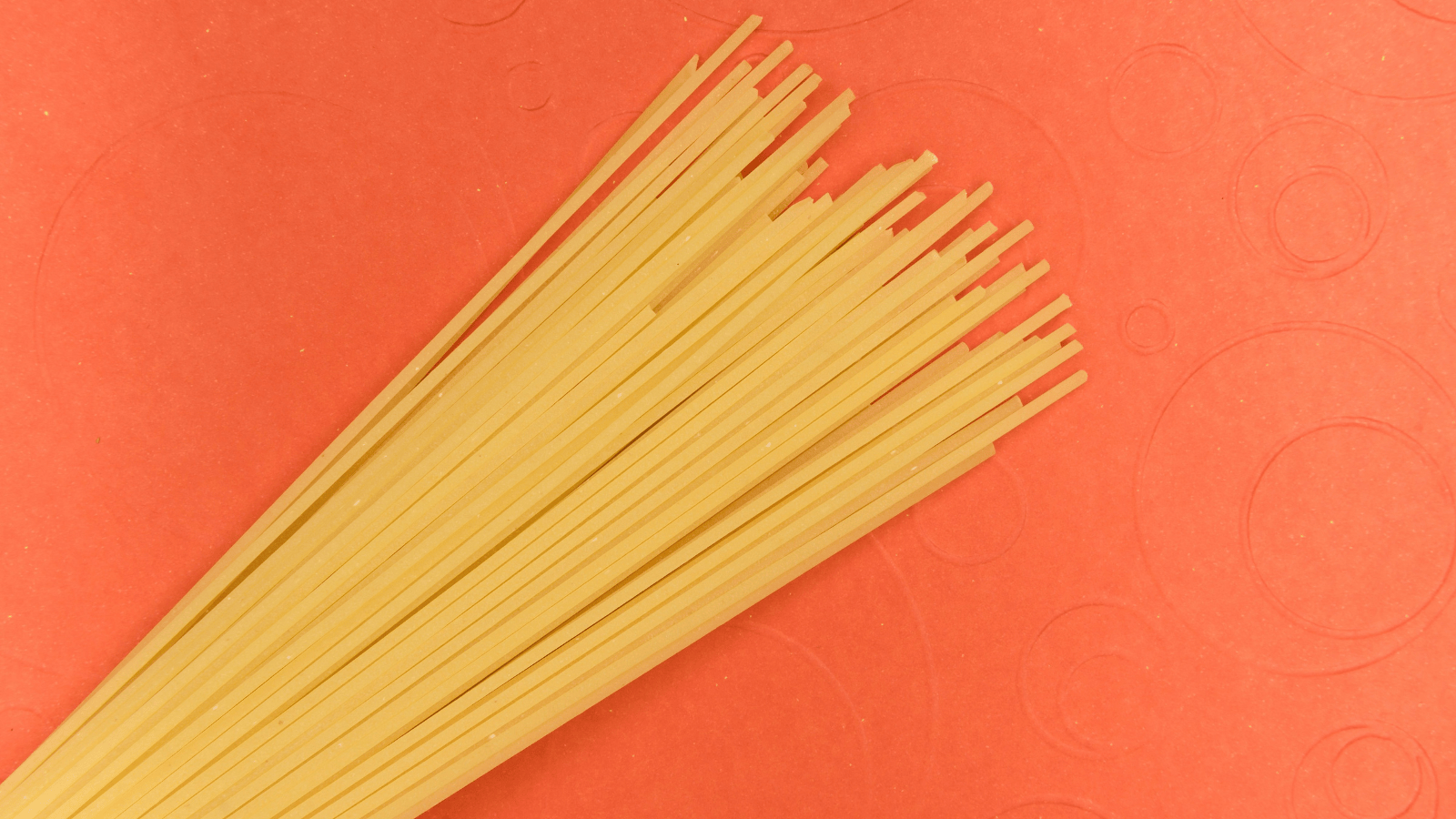
Writing in 1154, the Arab geographer Muhammad al-Idrisi described this settlement east of Palermo and the extraordinary scale of its production. Trabia made itriyya, a threadlike pasta, in quantities sufficient to supply Calabria and markets in Muslim and Christian lands. Shiploads went abroad.
Nearly nine centuries later, those few lines offer a glimpse of an industry already feeding people across the sea.
Explore more of Sicily’s food, culture and travel on Appetito.
A geographer in a Norman kingdom
Al-Idrisi undertook the ambitious task of describing the known world for Roger II, the Norman king of Sicily. Completed in 1154, his geographical work, commonly called the "Book of Roger," brought together accounts of landscapes, settlements, roads, resources and commerce.
Sicily provided a remarkable setting for such an undertaking. The Norman conquest had ended in 1091, leaving a substantial Muslim population and an enduring Arabic cultural presence. Greek, Latin, Arabic and Jewish traditions helped shape the island’s intellectual life. At Roger’s court, an Arabic geographical work could serve the ambitions of a Christian monarch.
Trabia appears within that larger effort to explain how the world functioned. Its waters, mills and exports belonged to the same geography.
For readers tracing the history of pasta, the passage has become one of the most important surviving descriptions of its medieval manufacture and trade.
The business of drying dough
A merchant buying dried pasta was also buying time.
Fresh dough demanded relatively prompt attention. Drying extended the interval between manufacture and cooking, allowing grain to become a commodity that could wait in storage and travel to another shore. At its destination, water and heat returned it to the table.
Consider the practical achievement behind al-Idrisi’s account. Large cargoes imply a chain of work, including grain milling, dough preparation, shaping, drying, storage and transport. The scale he describes suggests producers accustomed to supplying customers well beyond their immediate neighbors.
Trabia’s success brought food production and maritime commerce together in a place whose name remains far less familiar than the pasta it helped send into circulation.
Al-Idrisi’s description preserves the dimensions of that business while leaving its individual workers anonymous. We can establish that the pasta traveled in quantity. The names of the people who made and carried it have slipped from view.
An inheritance with older roots
Itriyya also had a history before it appeared in al-Idrisi’s Sicily.
The ninth-century Syriac physician and lexicographer Ishu bar Ali described dried strands of semolina dough cooked by boiling. Such evidence places the food within an older eastern Mediterranean tradition. Food historians have linked the development of Sicily’s dried-pasta culture to the island’s connections with the Arabic-speaking world.
Trabia’s documented achievement was the substantial manufacture and export of that food. Its place in the record helps us understand how an existing culinary practice became an organized trade. The precise identity of dried pasta’s first inventor remains uncertain.
Even its vocabulary offers clues to the journey. In Puglia's Salento region, ciceri e tria combines chickpeas with ribbons of pasta, some boiled and some fried. The name tria is commonly connected to Arabic itriyya, whose linguistic ancestry reaches further back into Greek.
Words, like food, could cross the water and settle into local life.
From medieval cargo to the Italian table
Across the following centuries, pasta acquired new centers of production, new shapes and new ways of reaching consumers.
Campania became an especially important part of that story. Gragnano, near Naples, developed a flourishing pasta industry. Family workshops began emerging there in the 16th and 17th centuries. Its producers would build an enduring reputation around durum wheat, skilled manufacture and careful drying.
The familiar marriage of pasta and tomato belonged to a later chapter still. Tomatoes reached Europe from the Americas in the 16th century, and their adoption in Italian cooking unfolded gradually. By the 19th century, Neapolitan cookbooks were recording pasta dressed with tomato.
The distance between medieval itriyya and a modern plate of spaghetti encompasses centuries of work by farmers, millers, merchants and cooks. Sicily’s contribution sits near the beginning of the surviving documentary record of Europe’s dried-pasta trade, embedded in a Mediterranean world of overlapping languages and commercial routes.
That history gives an ordinary package of pasta an unexpectedly expansive ancestry. Behind it are the waters that powered mills, the hands that shaped dough and the ships that connected distant appetites.
At Trabia, nearly nine centuries ago, someone had already worked out how to send dinner beyond the horizon.
Find Carlo Treviso on Facebook and Instagram @TrevisoAuthor and follow his Substack The Regno. You can purchase his debut novel, "Siciliana," at Amazon, Barnes & Noble and Target.
For more Italian food stories delivered to your inbox, subscribe to the Appetito weekly newsletter.