


Italian wine is coming to New York with a message that extends beyond the bottle: its future in America depends on connecting consumers with the food, culture, and regional identities that make Italy’s wine landscape so distinctive.
On October 26–27, VinItaly.USA makes its New York debut at Pier 36, following two editions in Chicago. Organized by Veronafiere, the event brings together 300 Italian wine exhibitors representing approximately 2,500 labels, underscoring the importance Italian producers place on the U.S. market.
In my conversation with Federico Bricolo, president of Veronafiere, we discussed the significance of the New York debut, the challenges facing Italian wine in America, and Vinitaly’s vision for the future. For Bricolo, New York offers a strategic combination of commercial influence, a sophisticated hospitality industry, and a deep appreciation for Italian food and wine. The event’s success, however, will ultimately depend on the relationships it helps create.
As Bricolo explained, “For Veronafiere, the priority is to turn that commitment into concrete opportunities.” With producers seeking to expand their presence in the United States, the goal is to build lasting commercial partnerships that benefit wineries of different sizes and regions.
Wine, Food, and Regional Identity
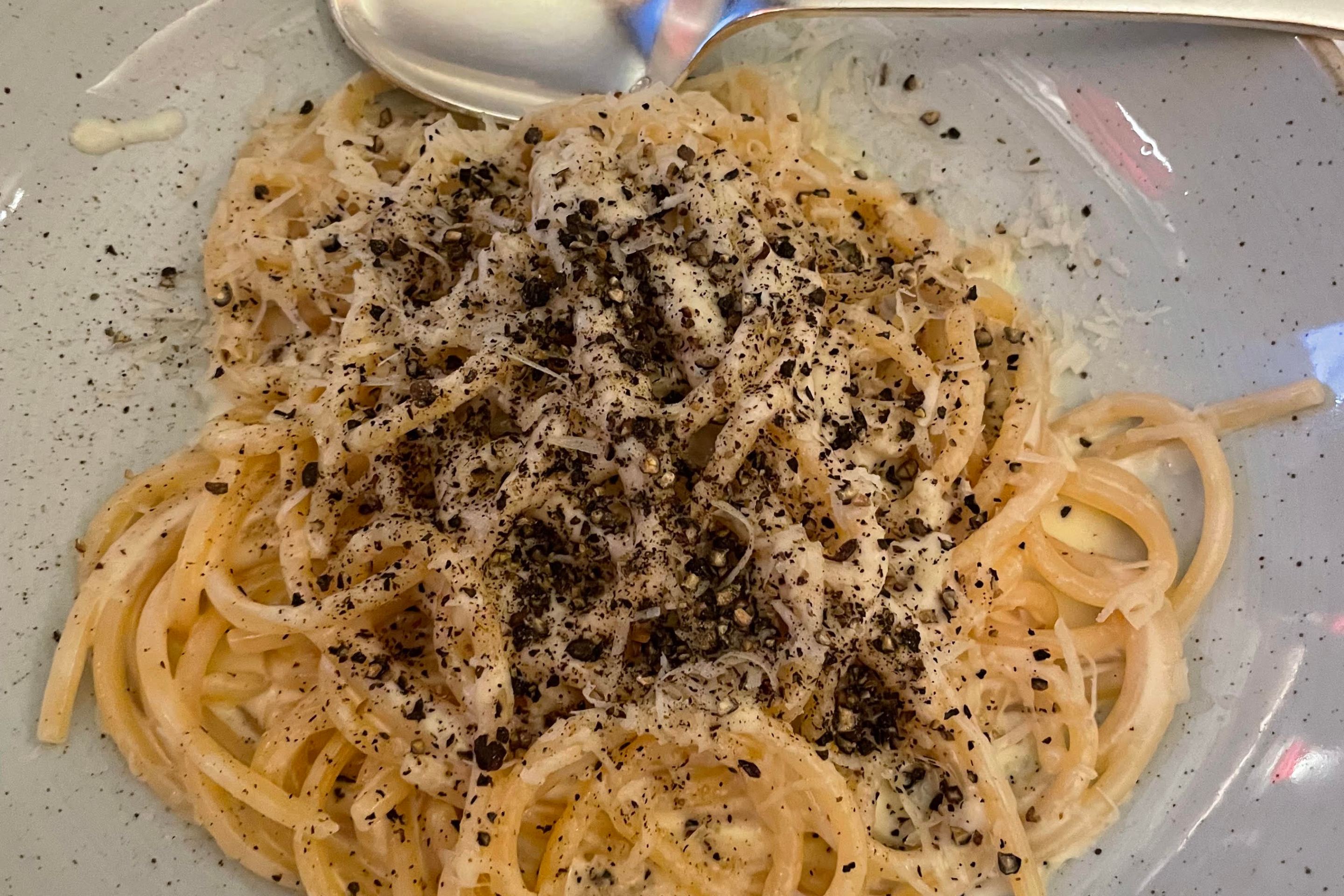
Italian wine and cuisine share a cultural heritage shaped over centuries. Local grape varieties, traditional dishes, and agricultural practices have evolved together, creating regional identities that extend far beyond Italy’s best-known wines and foods.
The 2025 recognition of Italian cuisine as UNESCO Intangible Cultural Heritage offers another opportunity to highlight these connections. Bricolo sees Vinitaly’s role as helping American professionals understand and communicate the stories behind Italy’s diverse wine regions.
“When someone discovers the relationship between a wine, a local dish, and the place where both originated, the experience becomes much more meaningful,” he said.
This philosophy places regional identity at the heart of wine education. Through tastings, international events, and direct encounters with producers, Vinitaly aims to encourage American buyers and consumers to look beyond familiar labels and explore the traditions and distinctive character of Italy’s many wine territories.
Beyond Italy’s Famous Names
Chianti Classico, Barolo, and Prosecco have helped establish Italy’s international reputation for quality, but the country’s wine diversity extends far beyond these established names. Bricolo sees considerable potential in Italy’s native grape varieties, regional denominations, and lesser-known wine-producing areas.
Greater recognition requires more than exposure at international events. Professional education, direct engagement with producers, and stronger representation in American restaurants and retail selections are essential to introducing these wines to new audiences.
The objective is not to replace Italy’s iconic wines, but to build on their success and encourage a broader appreciation of the country’s regional expressions.
Innovation Without Losing Tradition
The Italian wine industry must also respond to evolving consumer preferences and expectations around style, sustainability, and consumption. Bricolo sees opportunities across the spectrum of Italian wine, with native grape varieties offering producers ways to address changing tastes while introducing consumers to unfamiliar wines.
Sustainability is another priority. Italian producers are increasingly exploring vineyard practices that protect biodiversity and encourage responsible resource use, helping safeguard both future production and the landscapes that define their wines.
For Bricolo, progress and tradition are complementary. “Innovation should strengthen Italy’s wine heritage rather than move away from it,” he said.
That balance will be particularly important in the United States, where changing drinking habits, economic pressures, and competition from other wine-producing countries present ongoing challenges. Bricolo believes Italy cannot rely on its established reputation alone. The industry must continue to understand American consumers, communicate wine’s value in approachable ways, and engage younger adults of legal drinking age. Gastronomy, travel, cultural experiences, and the stories of the people behind each bottle can all help make Italian wine more relevant to new audiences.
Building a Lasting Presence
Looking beyond the New York debut, Bricolo envisions Vinitaly.USA becoming an increasingly important meeting point between Italian producers and the American market. Its long-term success will depend on stronger commercial partnerships, greater visibility for wines from across Italy, and opportunities for producers of different sizes to establish themselves in the United States.
As Bricolo put it, “Meaningful success will be reflected in the results achieved by the wineries and regions we represent.”
Ultimately, Vinitaly.USA aims to turn the connections made at the event into an enduring presence for Italian wine in America. New York provides a new stage for that effort—and an opportunity to remind American consumers that Italian wine is not defined by a handful of famous labels, but by a rich and evolving heritage rooted in the places, people, and traditions behind every bottle.
Want more Italian wine content? Check out Li Valentine (The Wining Hour) on Instagram!