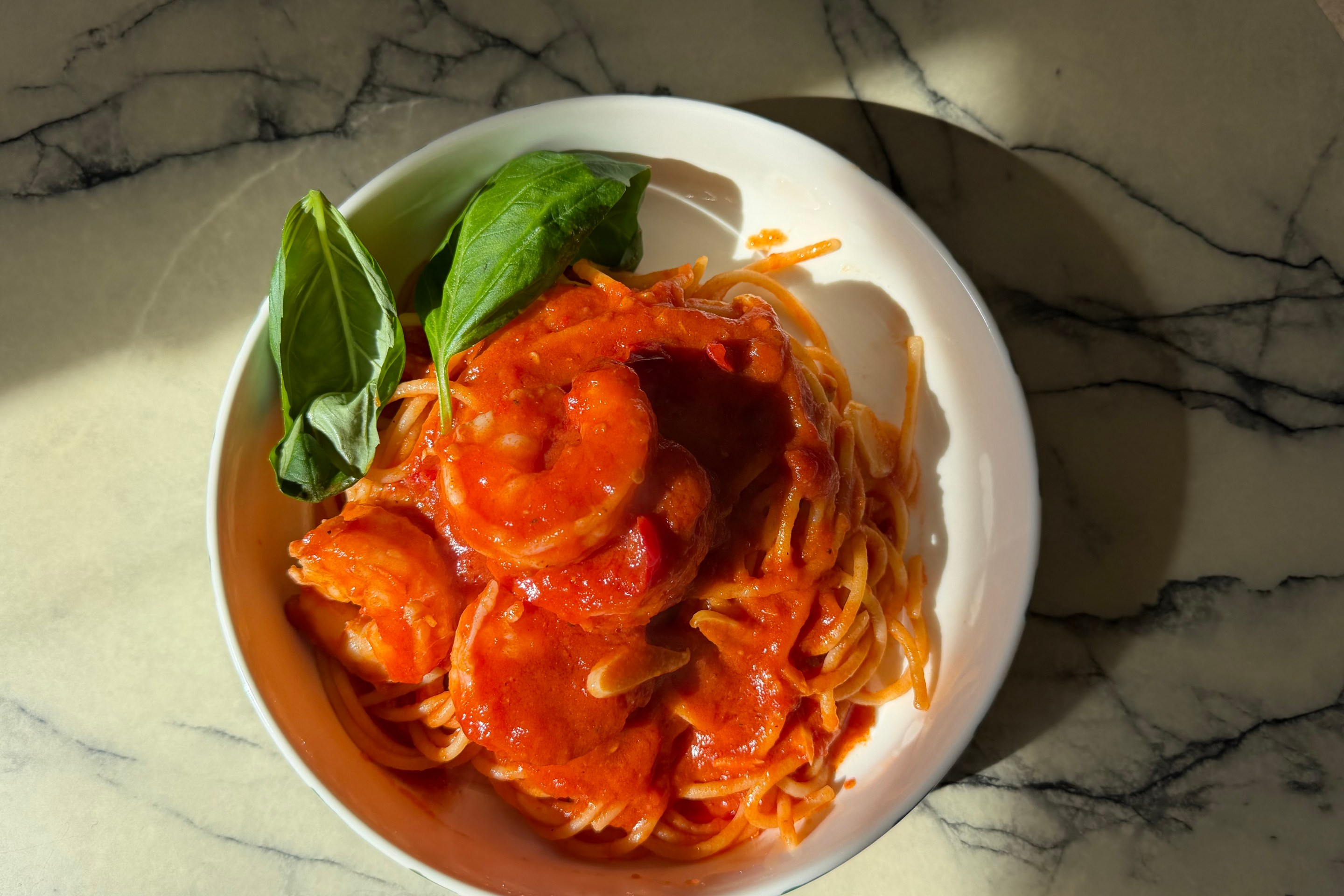


Pull up a chair, pour yourself a glass of wine, and let's travel through Italy one pasta at a time with Lowcountry Bella's Pasta School. In each feature, we'll explore a different pasta, discover its history and home region, learn why it was created, and bring a little piece of Italy into our own kitchens. There are no tests here; just stories, traditions, and plenty of delicious reasons to fall in love with Italian cooking.
Before there were dozens of pasta shapes, there was simply flour, eggs, and hardworking hands. Fresh egg pasta has been the heart of northern Italian kitchens for centuries. While southern Italy became known for dried pasta made from durum wheat, regions like Emilia-Romagna, Tuscany, and Piedmont embraced fresh egg pasta, transforming flour and farm-fresh eggs into silky dough for everything from tagliatelle to tortellini.
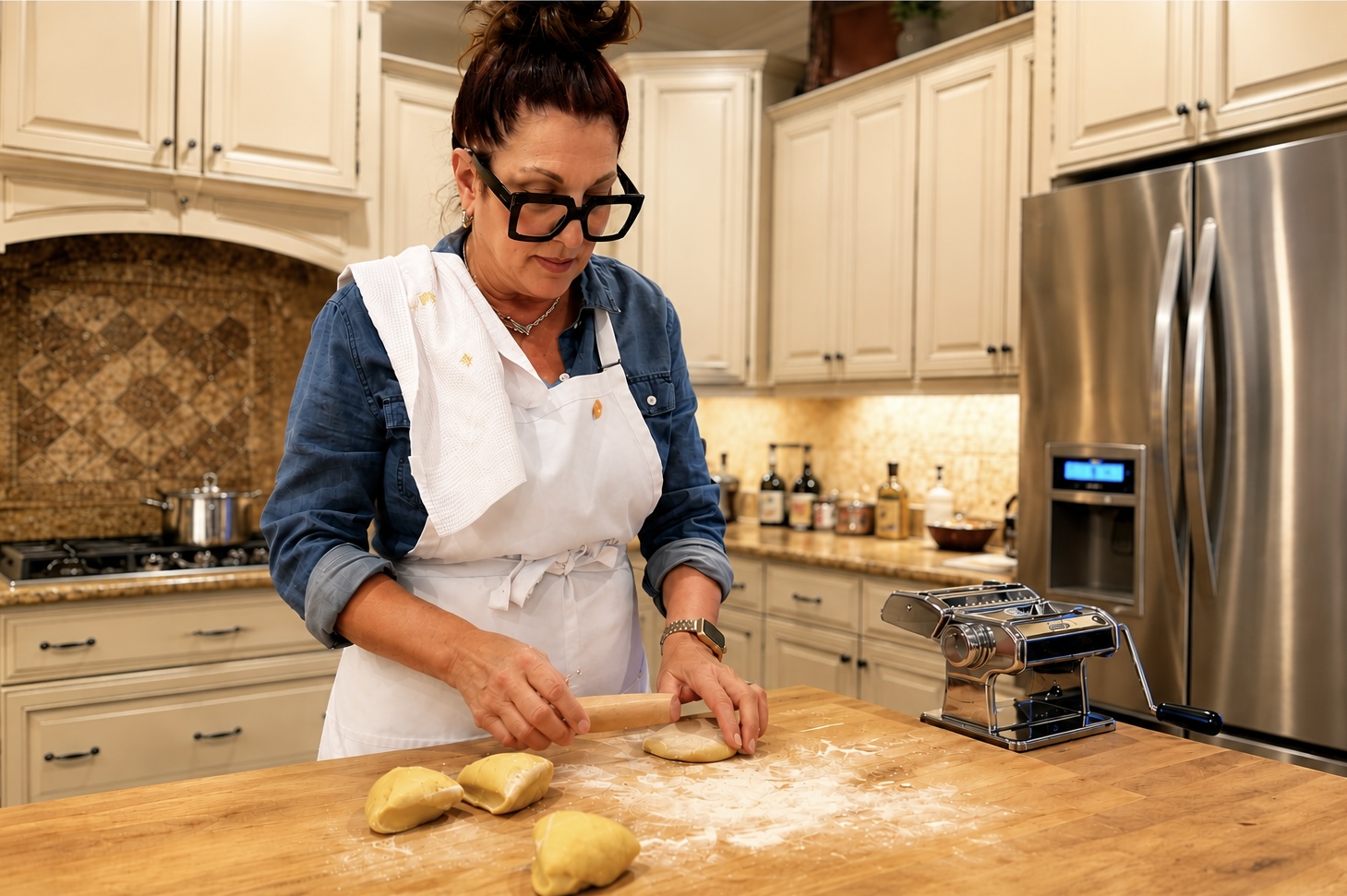
For generations, making pasta was a weekly family ritual. Around a large wooden spianatoia, nonne formed a mound of flour, cracked fresh eggs into the center, and mixed the dough entirely by hand. There were no measuring cups or machines, just experience, patience, and traditions passed from one generation to the next.
Even today, many Italians believe great pasta begins with great dough. It's never about perfection. It's about quality ingredients, patience, and the simple joy of creating something beautiful with your own hands.
What can you make with one dough?
One simple egg dough becomes countless classic pastas, including:
Long pastas: tagliatelle, fettuccine, pappardelle, tagliolini, lasagne
Filled pastas: ravioli, tortellini, cappelletti, agnolotti
Rustic shapes: maltagliati, farfalle, quadretti, caramelle
Every shape has a purpose. Wide ribbons hold rich ragùs, delicate noodles pair beautifully with butter or light sauces, and filled pastas stretch simple ingredients into memorable family meals.
Love discovering Italy one bite at a time? Subscribe to the free Appetito newsletter for the latest in food, travel, recipes, and Italian culture stories.
Simple Egg Dough
(Makes about 1 lb. of fresh pasta or 4 servings)
You will need:
4 eggs
1.5 cups Semolina
1.5 cups 00 Flour
1 tbsp. olive oil
Instructions
Pour the flour onto a clean work surface and create a wide well in the center (or pour the flour in a large bowl and make a well so the eggs don’t end up on the floor).
Crack the eggs into the well. Add the olive oil.
Using a fork, gently whisk the eggs while gradually pulling flour from the inside edges of the well.
Once the mixture becomes shaggy, use your hands to bring it together into a rough dough.
Knead for 8 to 10 minutes until smooth, elastic, and slightly springy.
Wrap tightly and let the dough rest at roomtemperature for at least 30 minutes before rolling.
Roll by hand with a rolling pin or through a pasta machine until it reaches your desired thickness.
Use 00 flour to prevent sticking when rolling out.
Bella's kitchen tip
Don't rush to add more flour if your dough feels slightly tacky. As you knead, the gluten develops and the dough naturally becomes smoother. Just as important as kneading is allowing the dough to rest; good pasta rewards patience.
Next lesson
Now that you've mastered the foundation of fresh egg pasta, we'll transform this simple dough into one of Italy's most beloved hand-cut pastas. You'll learn the techniques for rolling, cutting, and cooking fresh pasta that will become the cornerstone of your homemade pasta journey.
Until next time — keep your hands in the dough and your heart in Italy.