
The Amalfi Coast and Southern Italy is where my family roots run deep, from Sicily to Basilicata. But it was not until I traveled to Italy that I truly fell in love with where I come from. While tourists line up for sfogliatelle and lemon delights, the region is filled with extraordinary pastries that rarely leave their hometowns. Because beyond the famous ones, there is an entire world of pastry that most people outside of Italy have never encountered that are still living quietly in the towns and villages where they came from.
Like bocconotti filled with jam, crostata al gelo di mellone, which is a refreshing Sicilian watermelon jelly tart that surprises almost everyone who sees it. A stunning Sicilian cassata layered with sheep's milk ricotta and covered in marzipan, and brioche col tuppo served with melting gelato or granita. These are the desserts I fell in love with.
Southern Italy’s lesser-known sweets
All throughout Southern Italy, generations of bakers have preserved desserts that rarely make it out of their hometowns. Bocconotti, which are small enclosed pastries best described as mini pies, tell the story of regional differences beautifully. While they originated in Calabria filled with grape or cherry jam, in Basilicata you find sour cherry jam with ricotta, and in Puglia an almond paste or pastry cream. The filling changes with the region, the season, and the family making them.
Then there is crostata al gelo di mellone, a Sicilian watermelon jelly tart unlike anything most people outside the island have ever encountered. A pasta frolla crust, which is an Italian pie dough, filled with chilled watermelon gelo, served cold and completely refreshing. Its origins trace back to the Arab rule of Sicily between the 9th and 11th centuries, when Arab rulers introduced sugar cane, citrus, pistachios, fruit, and floral flavors to desserts.
In Palermo it is traditionally prepared in July for the Feast of Santa Rosalia, a celebration honoring the city's patron saint for saving Palermo from the plague in 1624, decorated with chocolate chips to imitate the seeds, and flavored with pistachios, cinnamon, and jasmine. In other parts of Sicily it is made for Ferragosto on August 15th. One of the most extraordinary and least known desserts in all of Italian pastry.
The gorgeous Cassata Siciliana layered with a sheep's milk ricotta cream with chocolate chips and a pan di spagna sponge, covered in marzipan and candied fruits, is a fixture in Palermo's pasticcerie and a must during Easter (which is how it originated as an Easter dessert but is now available all throughout the year). And brioche col tuppo, a soft sweet brioche named for its signature rounded topknot, is a beloved Sicilian breakfast tradition, served warm alongside icy
granita, gelato, or sorbetto on slow summer mornings. As Ina Garten says, "How bad can that be!”
Love discovering Italy one bite at a time? Subscribe to the free Appetito newsletter for the latest in food, travel, recipes, and Italian culture stories.
Keeping it simple
All of these desserts tell a story of local ingredients, seasonality, and the traditions that shaped them. They are not meant to be overwhelmed with seven different creams, foams, and spun sugar. They are meant to celebrate what is already there.
As a chef and culinary instructor, that search for authenticity has always guided me. Before creating my own interpretation of a dish I want to understand its origins. Meaningful creativity begins with respect. You cannot truly reinvent something until you understand why it was created in the first place. These desserts were not created to chase trends or impress through complexity. They were created because people had access to beautiful local ingredients: citrus
from coastal groves, pistachios from Sicily, almonds, honey, fresh ricotta, and seasonal fruit. That philosophy continues to influence the way I create desserts today.
Italy meets Japan
What drew me to Japanese culinary tradition was the same thing that drew me to Southern Italian pastry. A deep respect for ingredients, restraint, and the belief that simplicity done with complete intention is the most sophisticated thing you can put on a plate. Italy and Japan are more similar than one may think with their culinary point of view. And when you bring them together quietly,
a touch of yuzu, a whisper of amazake, something completely original happens without ever losing what made the Italian dessert extraordinary in the first place.
Every recipe I create follows one guiding principle: no more than three components. Simplicity is not easy. It requires a deeper understanding of technique. When there are fewer elements on the plate every ingredient has to matter. A cannolo needs a perfectly crisp shell and exceptional ricotta. A granita needs beautiful fruit and the right balance of sweetness and acidity. A great
dessert is not defined by how many components it contains but by how thoughtfully those components work together.
A Sicilian-style gelato
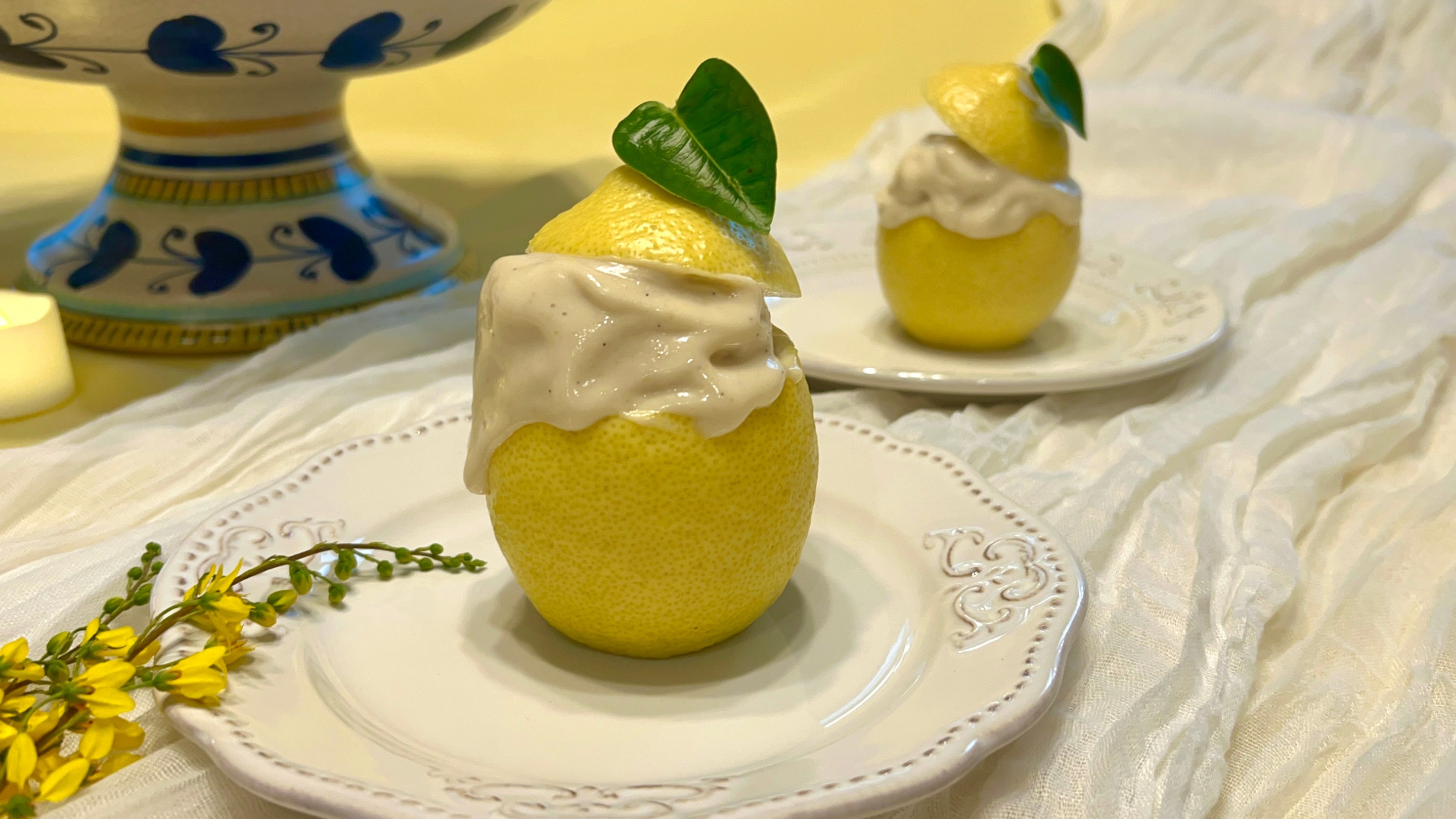
That same belief inspired the recipe I am sharing today, a Sicilian Style Lemon, Yuzu and Fennel Gelato. Made with cornstarch rather than eggs in the ancient Sicilian tradition of crema rinforzata. The lemon and yuzu together create a brightness that feels unmistakably Italian while the yuzu adds a quiet depth that is entirely unexpected. The fennel brings a delicate warmth that has always belonged beside citrus in Southern Italian cooking. And the homemade toasted
almond butter is ground directly into the base, adding a quiet nuttiness that runs through every single bite.
Nothing unnecessary. Everything intentional.
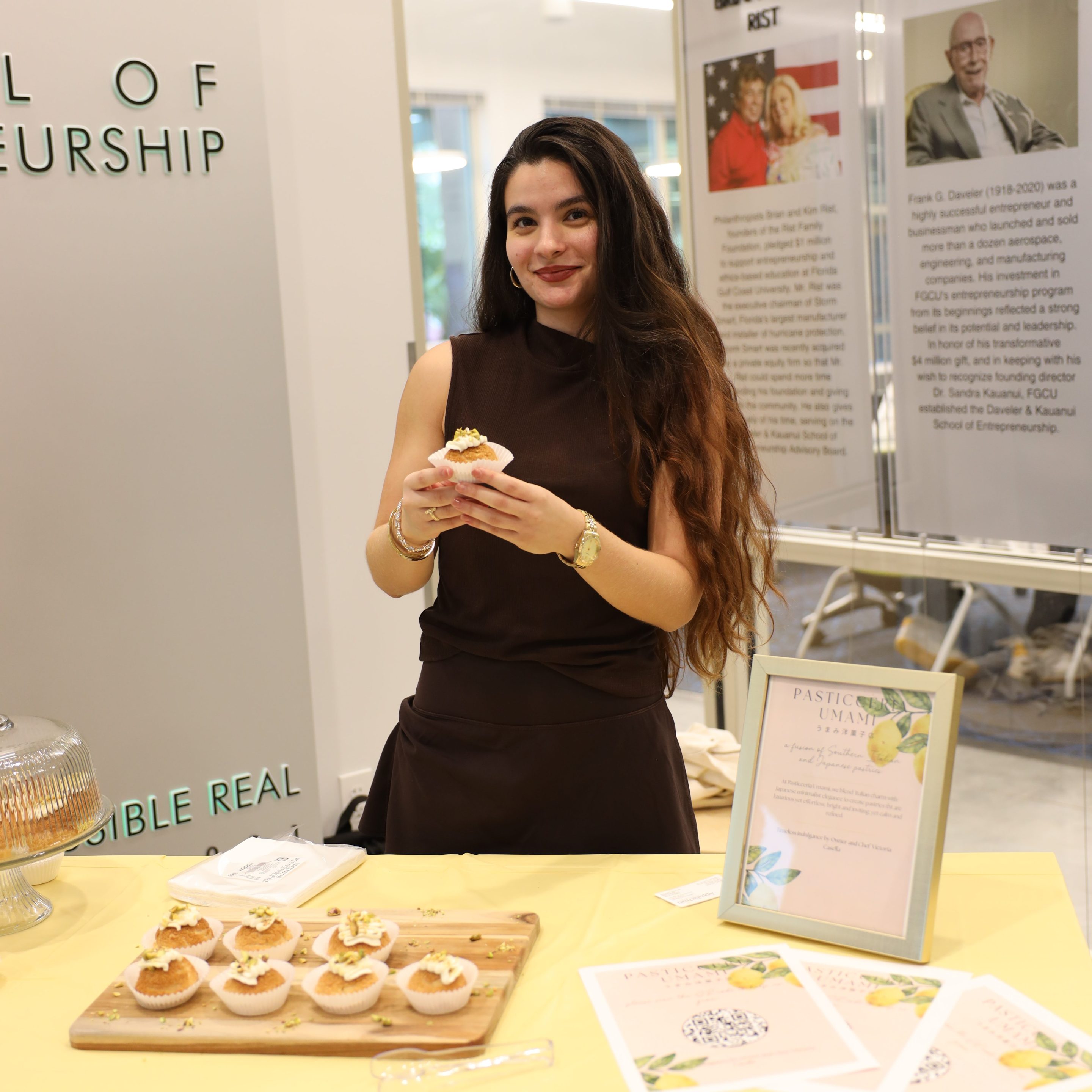
This is the philosophy behind my upcoming cookbook, Pasticceria Umami: The Art of Italian Gelato and Frozen Desserts. Over fifty original recipes built around the feeling of standing on the Amalfi Coast with nowhere to be. Photographs from my travels showing exactly what made me fall in love with Italy. And flavors so completely original and so completely honest that they will make you fall in love too.