

The entrance to the Fontina aging cellars is easy to miss. There is no storefront or prominent sign, only a door that opens under the mountain. The workers give it away. Every so often, three of them emerge in brown coveralls and white rubber boots, pushing an old cart loaded with wheels of cheese across the road to the cooperative shop.
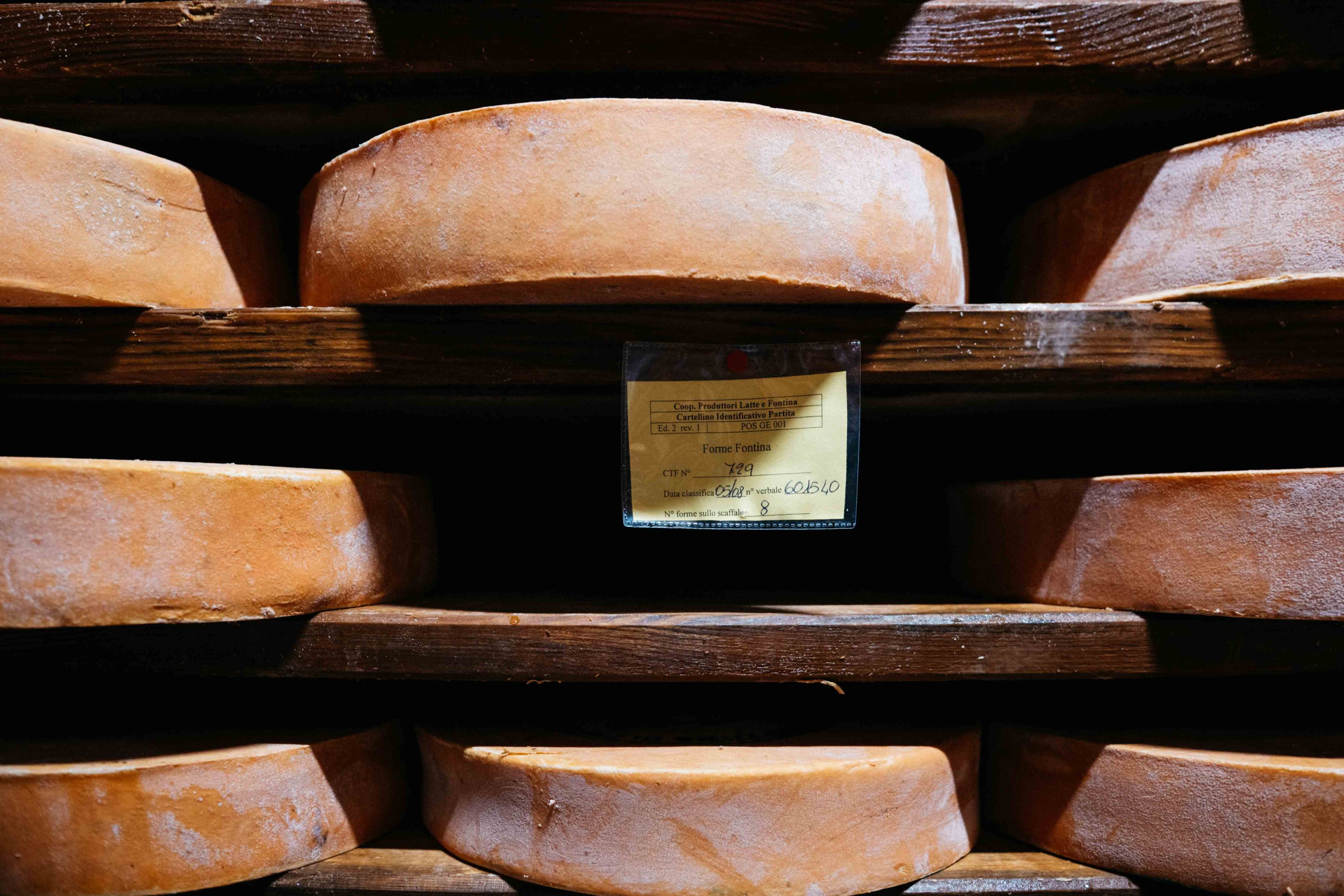
Inside, the temperature drops sharply. After the August heat, the cold is welcome, although the smell registers first: damp, earthy, and unmistakably cheesy. Thousands of Fontina wheels fill wooden shelves almost to the ceiling. A few workers pass between them, inspecting, turning, and slowly cleaning each one. For the highest rows, they use ladders.
This happens in Pré Saint-Didier, a tiny village in Italy’s smallest region. The Aosta Valley occupies the northwestern corner of the country, pressed between France and Switzerland and surrounded by some of the Alps’ best-known peaks. Courmayeur lies beneath Mont Blanc, while Breuil-Cervinia sits on the Italian side of the Matterhorn, a mountain long associated with Toblerone. The famous Tour du Mont Blanc also passes through the region.
Love discovering Italy one bite at a time? Subscribe to the free Appetito newsletter for the latest restaurant openings and Italian travel news.
A cheese tied to the Aosta Valley
Beyond a handful of ski resorts, however, the valley feels quieter than its neighbors across the mountains, even in summer. Villages, vineyards, and pastures rise along steep slopes. Altitude determines what can grow, where cattle can graze, and how farmers feed them once winter arrives.
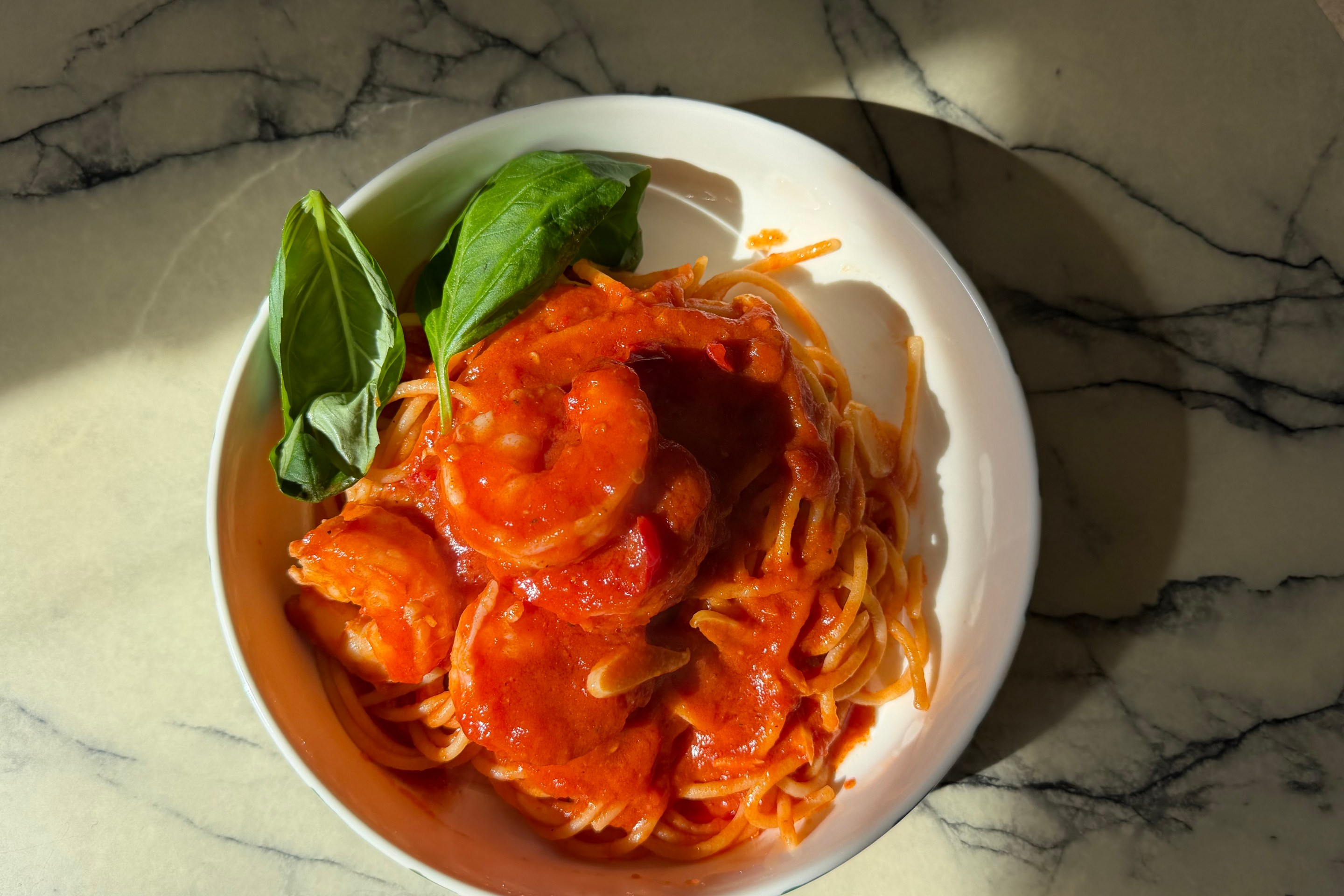
During my visit, the cheese appeared at the table again and again: melted into a vegetable soup, poured over a thick slice of bread, and folded into slow-cooked polenta. Young Fontina has a delicate, slightly nutty flavor. When heated, it melts smoothly, adding richness without overwhelming the dish.
Plenty of cheeses carry the word “fontina” outside Italy, but Fontina DOP is much more specific. Its protected designation of origin ties it to the Aosta Valley. It all begins with the milk - the cheese must be made from milk produced by Valdostana cattle. Their feed is regulated, and production and aging must take place within the region. Even the starter cultures come from the valley. If they are added, Fontina DOP producers may use only local strains supplied by the consortium.
In summer, herds are moved to the alpeggi, the high mountain pastures, where they graze on fresh grass and wildflowers. Lower in the valley, farmers cut and dry grass for winter feed. The milk produced in the high pastures is used to make Fontina DOP d’Alpeggio, a seasonal cheese known for the flavors and aromas of the cows’ summer diet.
A single wheel requires approximately 26 gallons of milk. Its origin can then be traced through the markings added during production.
How every wheel is identified
Each wheel receives a casein plate with its own alphanumeric code, along with a consortium mark identifying the producer. The alpine-pasture cheeses are distinguished by a green plate whose code begins with the letter “A.” Their producer marks also carry numbers below 600.
Back in the mountains, the newest wheels are pale. During maturation, they are salted, brushed, and repeatedly turned. Surface conditions encourage microbial activity, gradually changing the rind from white to shades of orange and brown. This process lasts at least 80 days. Only then can a wheel be assessed - an inspector taps its rind with a small hammer and listens to the sound. A change in tone can reveal cavities or other faults inside a wheel that looks perfectly intact. Those that meet the required standards receive the Fontina DOP mark, with its mountain-shaped emblem pressed into the rind. Without that mark, the cheese cannot be sold under the protected name.
Outside the cellar, the workers continue pushing carts of cheese across the road. Some of the wheels were made with milk from cows fed on winter hay; others began in the high summer pastures. Over the following months, workers will keep turning and cleaning them. Eventually, an inspector will tap each wheel and listen.
At the table, all of this is less obvious. The Fontina simply melts into the polenta.