
There is a phrase I use that confuses people at first. I call it zero waste umano — human zero waste. In the world of gastronomy, we talk endlessly about not wasting food. Peels become broth, stale bread becomes panzanella, whey becomes ricotta. But in Catania, where I was born and where I cook, I learned that the most important thing you can refuse to waste is a person.
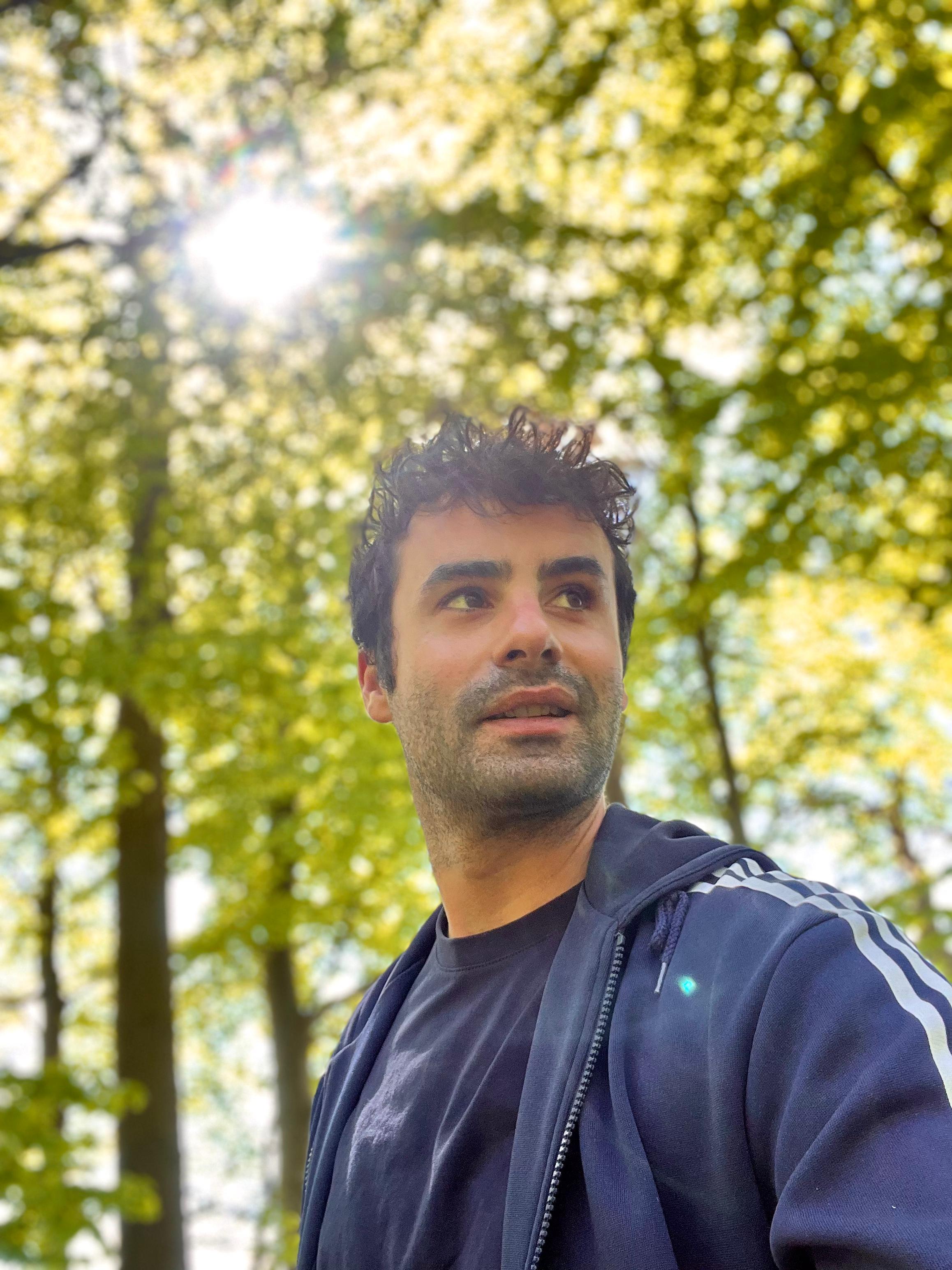
I am a chef. I studied at the University of Gastronomic Sciences in Pollenzo, the school Carlo Petrini built in the old royal hunting estate of the House of Savoy, where gastronomy is treated not as a trade but as a science that touches anthropology, agriculture, economics, and culture. That education changed me. It gave me a language for something I had always felt but could not articulate: that cooking is not about the plate. It is about everything that happens before and after the plate.
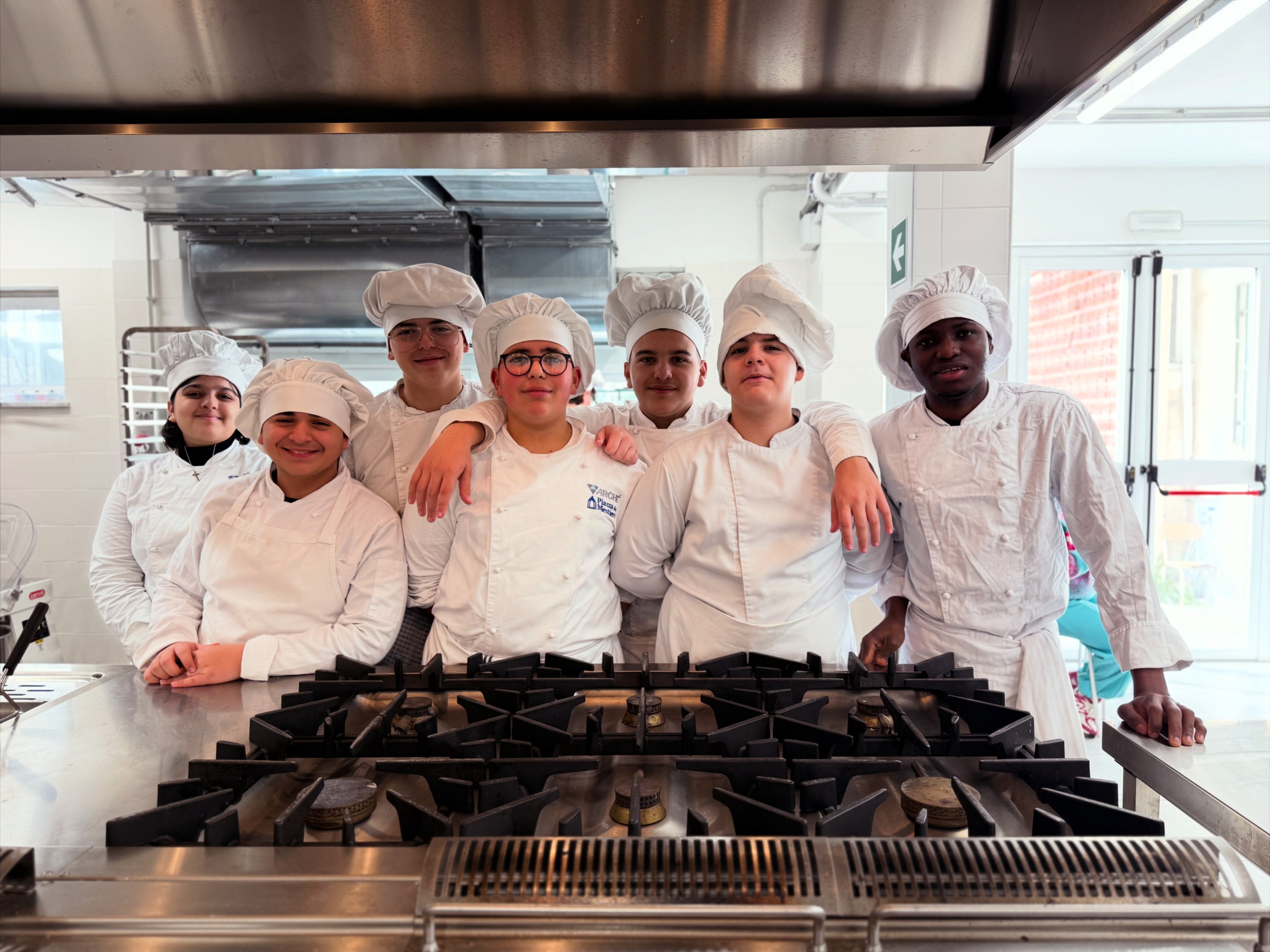
When I returned to Sicily, I began teaching in small schools around Catania — neighborhood schools, the kind most people drive past without noticing. My students were teenagers, some as young as thirteen, many in situations of school dropout or social hardship. They had no particular interest in gastronomy. Some could barely read. They had ended up in vocational programs not by choice but by elimination — every other door had closed.
Explore more Sicily food and travel stories.
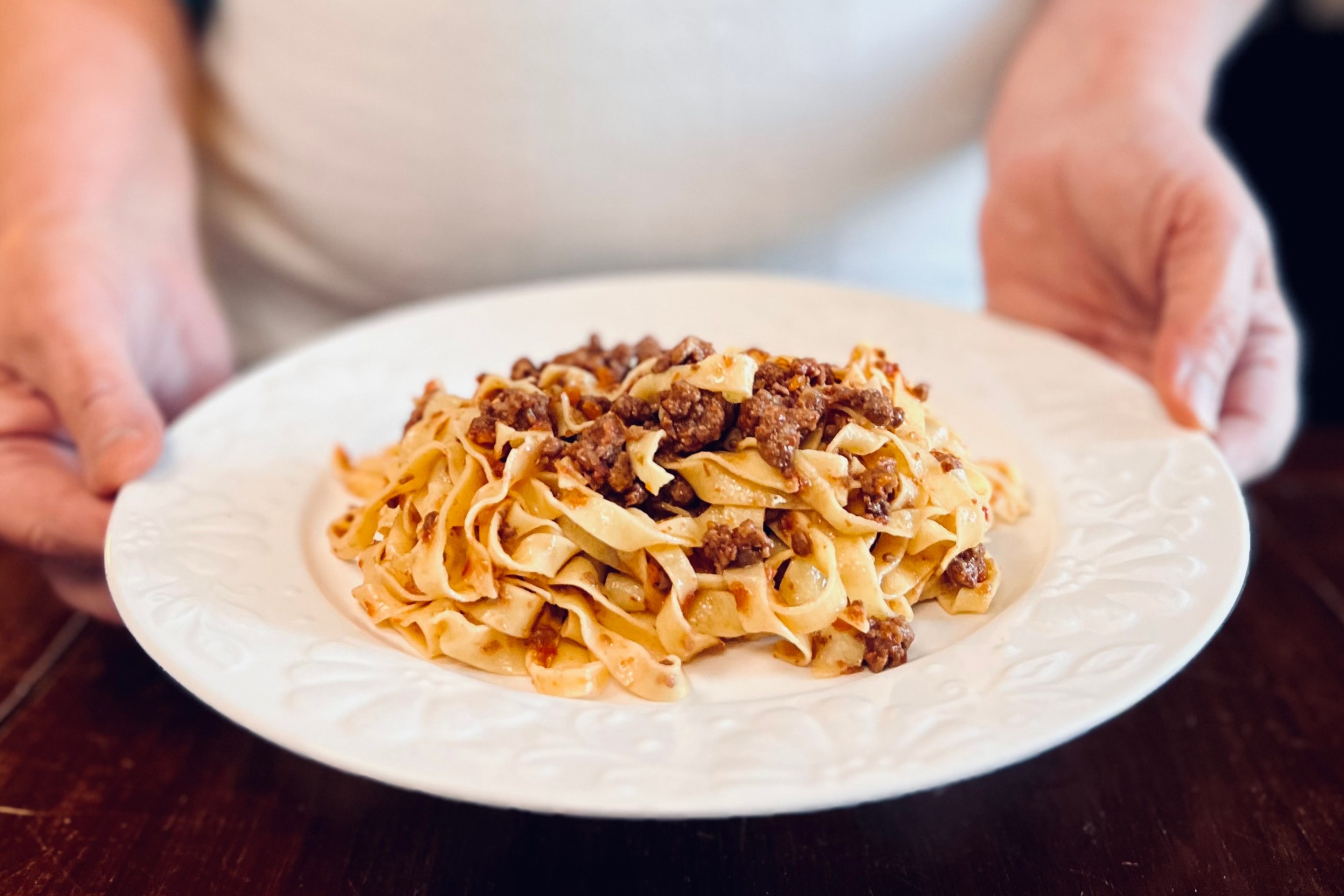
I did not teach them to become cooks. I taught them to touch food, to smell it, to understand where it came from and who grew it. We made fresh pasta with ancient Sicilian grains. We talked about caporalato — the exploitation of migrant farmworkers who pick the tomatoes that end up in our ragù. We discussed why a Bronte pistachio costs what it costs, and what happens to a community when its product is counterfeited. The kitchen was our classroom, but the lessons had nothing to do with recipes.
Something unexpected happened. These kids — who had nothing in common, who came from fractured families and difficult streets — began to form a community. They came back not because they had to, but because they wanted to. They were bound by the table, by the act of preparing food together and sitting down to eat it. It was like watching my grandmother’s Sunday lunch reassemble itself in a vocational school in one of Catania’s roughest neighborhoods.
In 2019, we made it official. We founded the Comunità Educativa Gastronomica Etnea — the first educational gastronomic community in Sicily, affiliated with Slow Food. The name is deliberately long and serious, because the work is serious. We are not a restaurant. We are not a catering company. We are a group of people who believe that food can be a vehicle for education, dignity, and belonging.
Our first public event was a dinner at the Comitato Popolare Antico Corso, organized together with Libera, the anti-mafia association. Eight of our kids cooked and served, explaining each dish to the guests. We used autochthonous grains, local cheeses, products from the territory. Everything was served on ceramic plates with steel cutlery — no plastic, no shortcuts. About forty people came, from completely different social backgrounds. By the end of the evening, strangers were talking like old friends. That is what a table does when it is set with intention.
Today, the community has evolved. The first generation of kids — the ones who started with us in 2018 — are now in their early twenties. Some have grown into educators themselves, passing on what they learned to younger members. We have built a self-sustaining system, like a lievito madre, a sourdough starter that regenerates itself with each feeding.
Not everyone stays. Some kids return to what I call la giungla della vita — the jungle of life. The streets, the lack of structure, the pull of circumstances stronger than any cooking class. For a long time, I thought this was failure. I do not think so anymore. A kid who leaves our community leaves differently from how they arrived. They leave with consciousness. They leave having tasted something — not just food, but the possibility of another way. Even if they go back, they carry a seed. And sometimes, years later, a drop of rain falls and that seed germinates.
I also work as a private chef in Sicily, cooking for travelers who come to experience the island. I bring the same philosophy to that table. Nothing is approximate. I use fresh tomatoes from my network of small producers, local extra virgin olive oil, artisanal pasta, wind-dried organic ricotta from the Madonie mountains. I cook with zero waste — every peel, every stem, every bone has a purpose. But the real zero waste, the one I care about most, is the human kind.
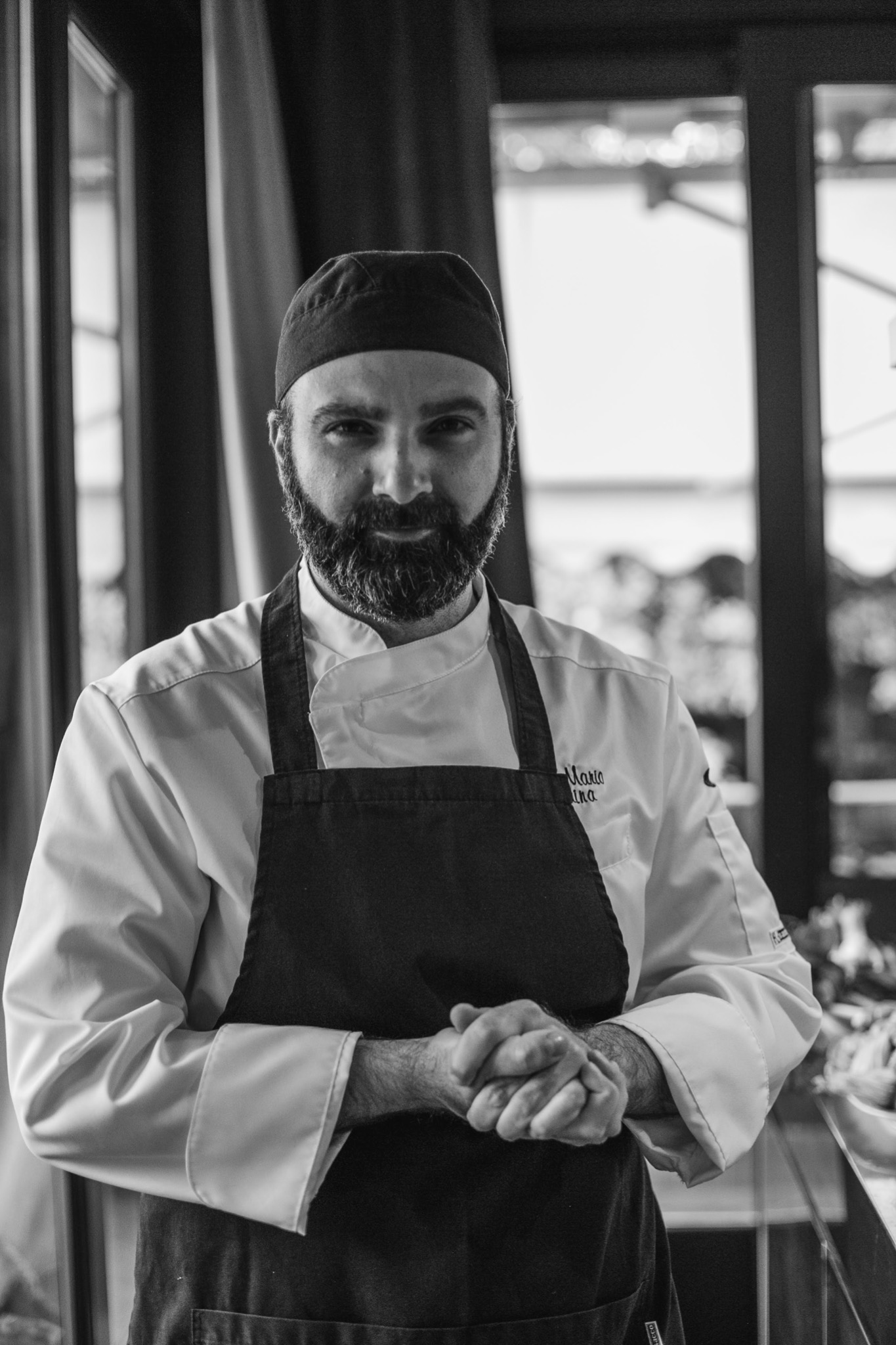
When people ask me what kind of chef I am, I never know how to answer simply. I am a gastronome in the way Pollenzo taught me to be — someone who sees food as a lens for understanding the world. I am a Sicilian who cooks because feeding people is the most intimate act of care I know. And I am an educator who discovered that a kitchen, more than any classroom, has the power to change a life.
To learn more, visit Chef Mario Traina's Instagram.