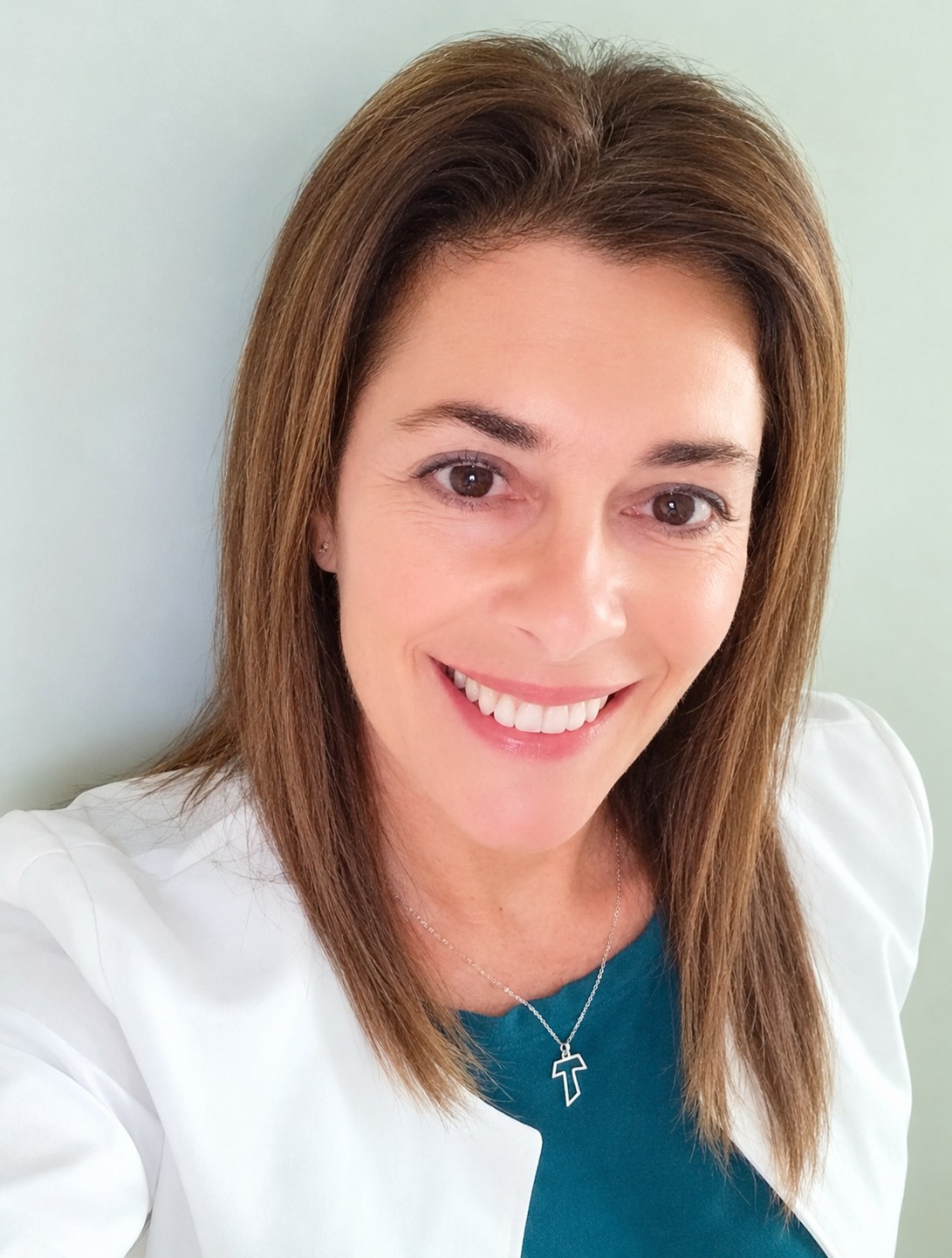

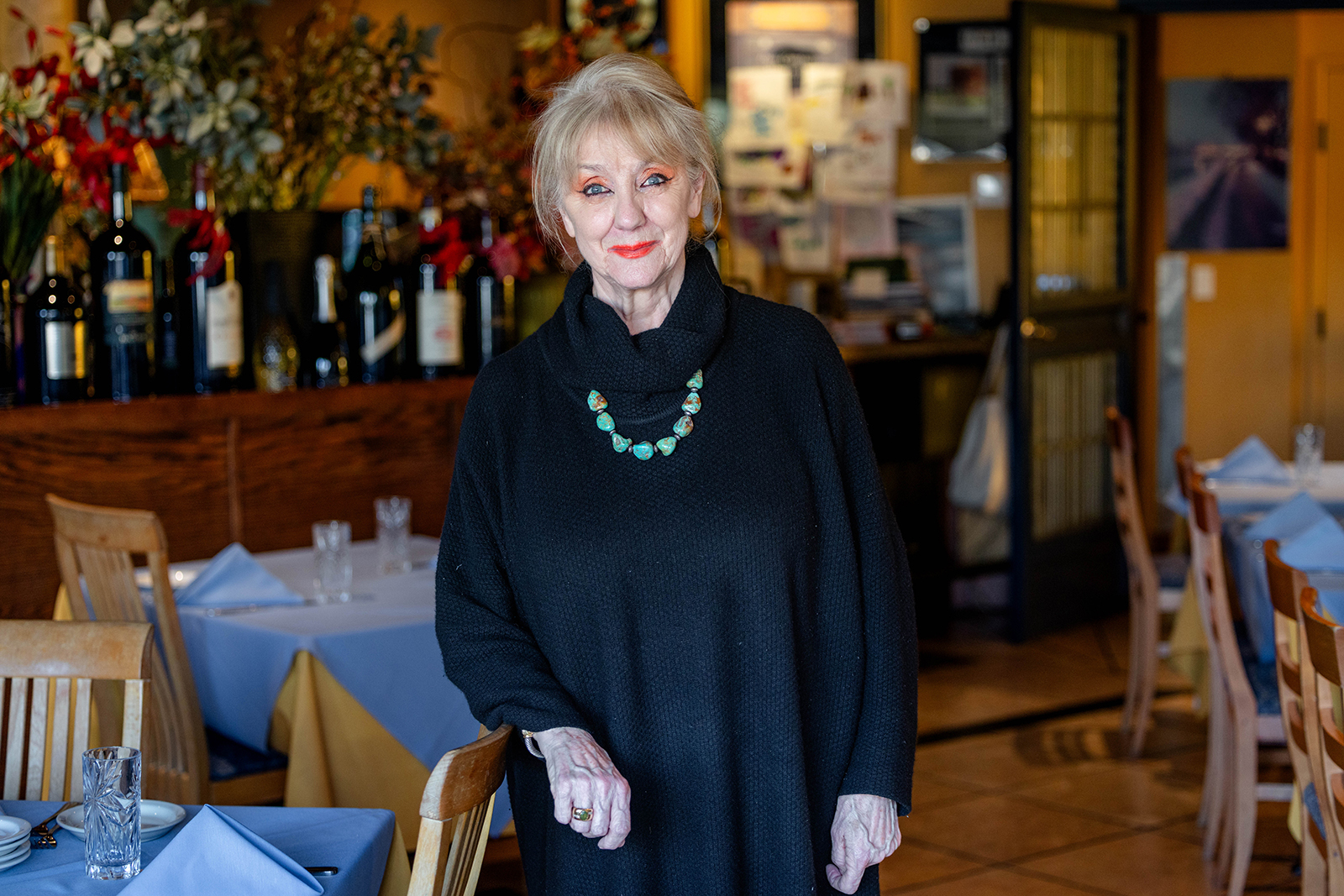
Elena Corsini Mastro is hard to miss.
As we arrived for our long-anticipated interview, bulky camera case in hand and nervous smiles on our faces, we were stopped in our tracks by her poise.
We walked into the tail end of a meeting between Elena and a small group of cheerful ladies, thrilled to plan an upcoming shower at the restaurant. Their family has been dining at Parma Ristorante for decades, and it only felt right to celebrate this special event here.
Maybe it was the food, the ambiance, the golden ochre walls and perfectly-ironed tablecloths that diners have come to know and love. But in that moment, watching the women banter and giggle, we knew that it wasn’t the room or the location or even the tagliatelle drying on the top cupboard above the bar that beckoned the ladies in that day.
It was Elena.
With her bright and deliberate tangerine lipstick, the sort of small signature that communicates self-assurance and bon vivant spirit, she has singlehandedly changed the face of Italian dining in California’s Central Valley.
In a region shaped by agriculture and surrounded by fields that feed much of the world, Elena didn’t choose Fresno. Fresno chose her. And for nearly thirty years, she has been giving back to the people of our hometown.
Elena knows who she is and what she wants, because she has built it.
Three decades after opening Parma Ristorante in 1999, she has achieved more than just a successful Italian restaurant. She has reconceived a room where people return, sometimes weekly. First dates turn into anniversaries and quick, weeknight dinners become standing Friday reservations. Children grow up, leave for college, come back with partners, and eventually walk through the door holding the hands of their own children. The crayon-sketched faces pinned above the bus station show years of little smiles and tiny hands, scribbling Elena’s turquoise necklaces perfectly on the page.
“When I opened in 1999, so many of the children were young. I eventually did their bridal showers, weddings and baby showers. Now, their children come in and hug me. Some say ‘hi, grandma,’ and kiss me.” Elena boasts with pride.
A room that means something
But Parma’s following did not happen by accident.
It was the result of showing up, day after day, with the same expectations for herself and for the people who work beside her.
Staff members pass through Parma at different stages of their lives, many arriving young and unsure of where they are headed. Over time, they gain insight from Elena on how to carry themselves professionally and how to speak to guests with confidence. They learn that hospitality is about listening to your guests' needs, even on the days you don’t feel up to it.
Eventually, they move on to new careers, new cities, new versions of themselves, but they carry those lessons with them. When they reminisce about their time at Parma years later, they rarely start with the food. They start with Elena.
That sense of stewardship extends to the kitchen as well. When people walk through Parma’s doors, they know they are not getting a version of Italian food altered to fit some outdated American expectation. Instead, they receive true Northern Italian cooking, carried through generations by Elena’s memory, discipline and grit.
From Parma to California
Elena grew up in Parma, spent part of her childhood near Lago di Garda, and later studied in Brescia, in a culture where food was part of daily life. Her grandparents and aunts labored at their own restaurants, and Elena spent summers helping, watching and absorbing techniques and soul and taste.
That grounding stayed with Elena when she came to California in the early 1980s. She arrived speaking little English, carrying a professional background in physical therapy and early childhood education, and fully expecting to return to Italy after a short visit with her American cousins. Instead, she met the man who would become her husband, married him three years later, and moved permanently to the states in 1984.
But starting over required some patience. She began working privately as a trainer and massage therapist, building a client base one person at a time. Eventually, local arts organizations and community groups began asking her to cook for fundraising dinners. People tasted her food and recognized her talent.
Everybody seemed to have an opinion about what Elena should do next. Friends, clients and community members kept telling her the same thing. She should open a restaurant.
“So one day I told my husband we should open one,” Elena said.
Her husband, an accountant by trade and a realist by nature, did not miss a beat.
“Are you out of your mind?” Joe joked. “They close in one year.”
Elena smiled.
“So you don’t know me yet,” she told him.
He would soon find out.
When the idea of opening a restaurant finally took hold, Elena approached it the only way she knew how - by trusting the instincts shaped in her childhood kitchen, and betting, without apology, on herself.
Opening the doors
In 1999, Elena decided to take over a small restaurant space near Marks and Herndon in Fresno that was about to close. It wasn’t a calculated move. It was a leap. She called her good friend in Parma, Chef Antonio DiVita, and asked him to fly from Italy to help her open her restaurant.
“He told me I was crazy,” Elena said, laughing, a familiar twinkle in her eyes as she reminisced. “I told him yes. I am crazy.”
Antonio flew from Parma to California in August, arriving in the thick of the Central Valley heat. The days that followed were long and relentless. They ordered supplies, tasted sauces, adjusted recipes, and cooked wherever they could find space. When the restaurant’s equipment didn’t arrive on time, Elena’s home became their temporary kitchen. It was imperfect and exhausting - and exactly what needed to happen.
Antonio, the chef and owner of Parma Rotto, is known in Northern Italy for his wood-fired meats, artisanal pasta and deeply traditional cooking. But in Fresno, he did something arguably more meaningful. He wrote down his recipes and passed them to Elena. He believed in her.
When he returned to Italy a few weeks later, he could not have known that nearly three decades later, Elena would still be standing in that kitchen, at the height of her craft, offering a lifetime of beautiful meals and generous conversation to a community that came to love her as family.
Cooking the way she learned
Elena lights up when the conversation turns to pasta.
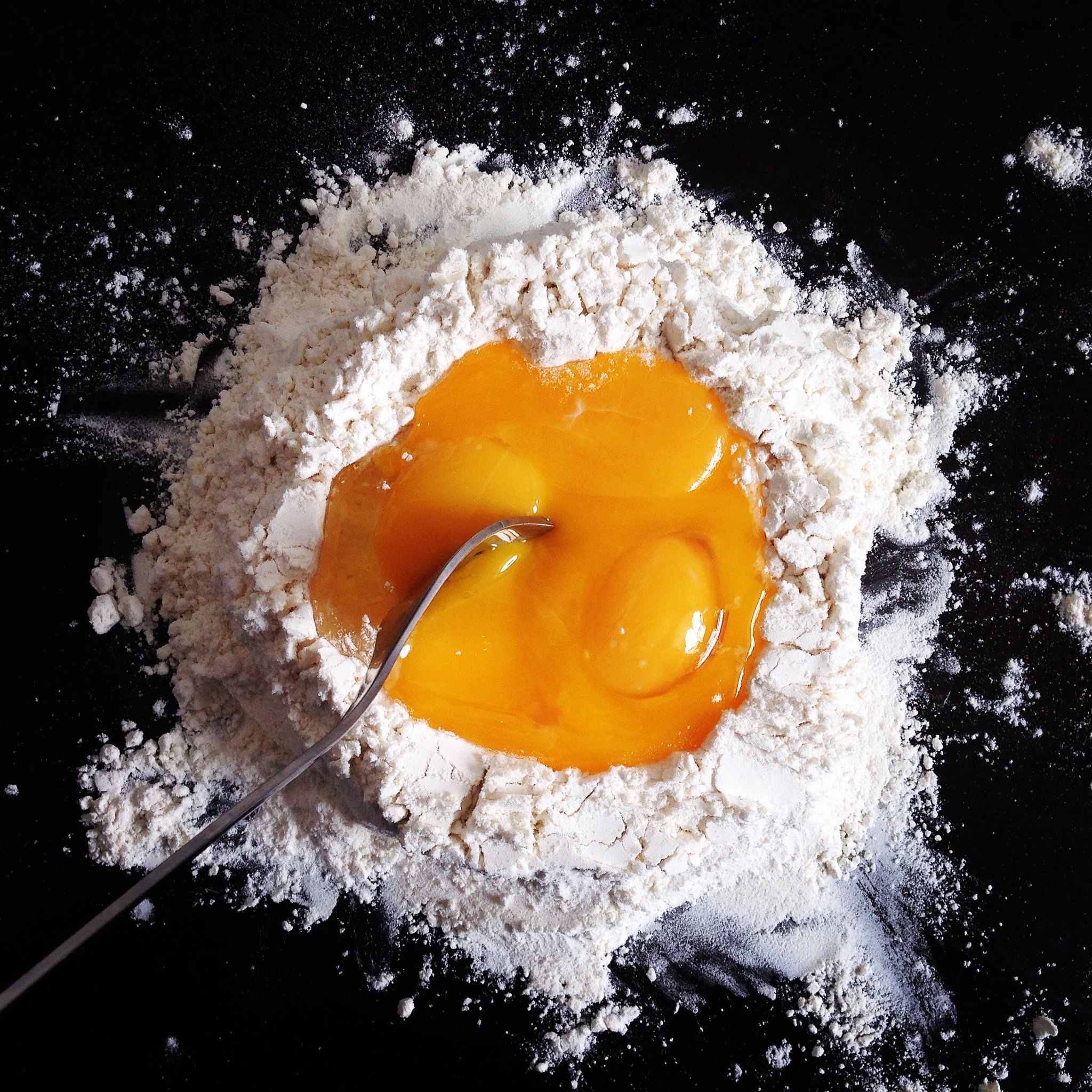
“Handmade pasta is not from the machine,” she said. “You roll it. You cut it. You do it by hand. Every morning.”
She speaks about regional differences the way some people speak about family members, with familiarity and affection. How cappelletti in Parma are not the same as those in Reggio Emilia. How tortellini changes as you move toward Bologna. How villages thirty minutes apart hold entirely different interpretations of the same dish.
“It doesn’t mean one is better,” she said. “It’s just different. It’s where you are. It’s what your family did. It’s what you learned.”
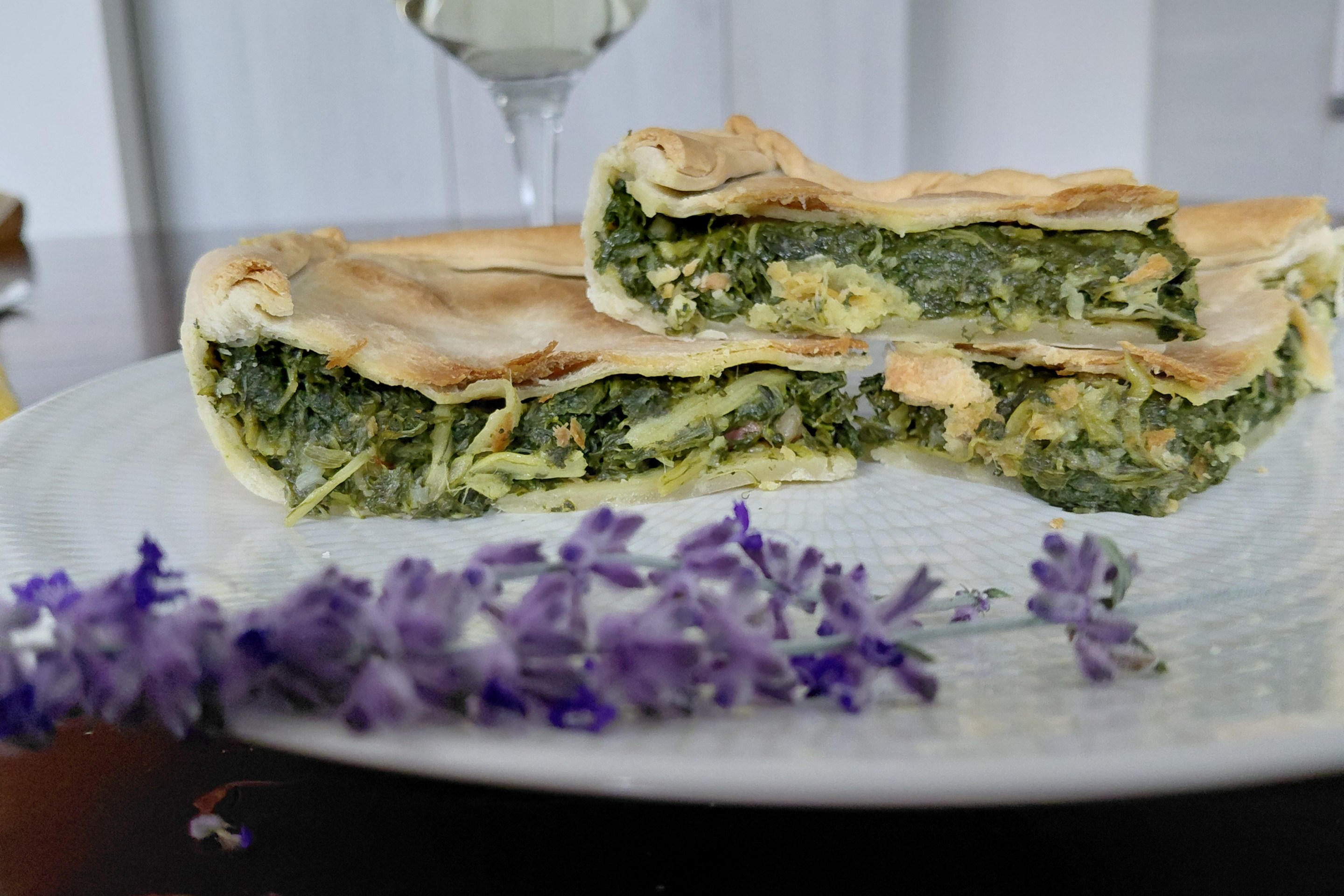
Elena has insisted on importing core ingredients from Italy since the beginning, including Parmigiano Reggiano, Prosciutto di Parma, Italian olive oil and cured meats. Those products form the backbone of the flavors she is trying to reproduce. Over the years, costs have risen dramatically, but she has not changed course.
“Those products are the base,” she said. “If you change the base, you change everything. I use Parmigiano in all my fillings,” she says with joy. “For all the pasta.”
There is no defensiveness in her voice when she says it. Just certainty.
What success looks like to Elena
Fresno has changed since Parma first opened. So have the ways people order, and the things they’re willing to try.
“When I opened, everybody wanted big plates,” Elena said. “A lot of red sauce. People would look at the plate and look at me, like something was missing.”
Now, she hears different questions.
“Do you still have the ravioli with radicchio and apple?” she says, smirking. “People ask for it. Twenty years ago, nobody would have.”
But for Elena, success has never been measured by what’s trending.
The community that has gathered around her over the years remains her most personal measure of success. Former employees still come back, just to say hello. Sometimes to tell her what they’re doing now, and to thank her.
“That makes me happy,” she says simply.
Nearly thirty years in, Elena isn’t thinking about leaving. She’s thinking about balance - training someone who understands her standards and about being able to visit family in Italy and know the restaurant will still feel like hers when she returns.
“In Italy we say everybody is useful,” she says. “Nobody is indispensable.”
Parma has lasted because Elena has never tried to make it into something it isn’t.
She cooks the food she knows. She treats people the way she believes they should be treated. And she opens the door every day to whoever wants to come in.
As the conversation drifted away from menus and milestones, we asked if we could play Rapid Fire. Elena’s answers told us all we needed to know.
Rapid Fire with Elena Corsini Mastro
A dish from your childhood you still crave:
Ravioli - my mother made it, blanched, layered with parmesan, and baked until the top is crunchy
One Italian ingredient you can’t live without:
Parmesan cheese
Your favorite American meal:
Hamburger when I first moved here. Now, a good American steak.
Your go-to meal at home:
Pasta, chicken, steak or risotto. I can make them all fast.
A dish you could eat every week and never get tired of:
Pasta
Favorite restaurant in Italy:
Antonio’s (Parma Rotto) and my cousin Alberto’s ristorante, Castel Malvezzi
Coffee or espresso:
Before - espresso. Now - two cups of coffee in the morning
Sweet or savory:
Before - cookies in the morning. Now - more savory
The answers were unmistakably Elena.
Parma Ristorante is open Tuesday through Saturday from 5:30 p.m. - 10:30 p.m. For reservations, call (559) 432-3389.
This story is part of Chef Spotlights, a series by Sarah Campise Hallier and photographer Patty Schmidt exploring local chefs, their work, and the communities they serve. Follow @forkboundfoodies for future features.