

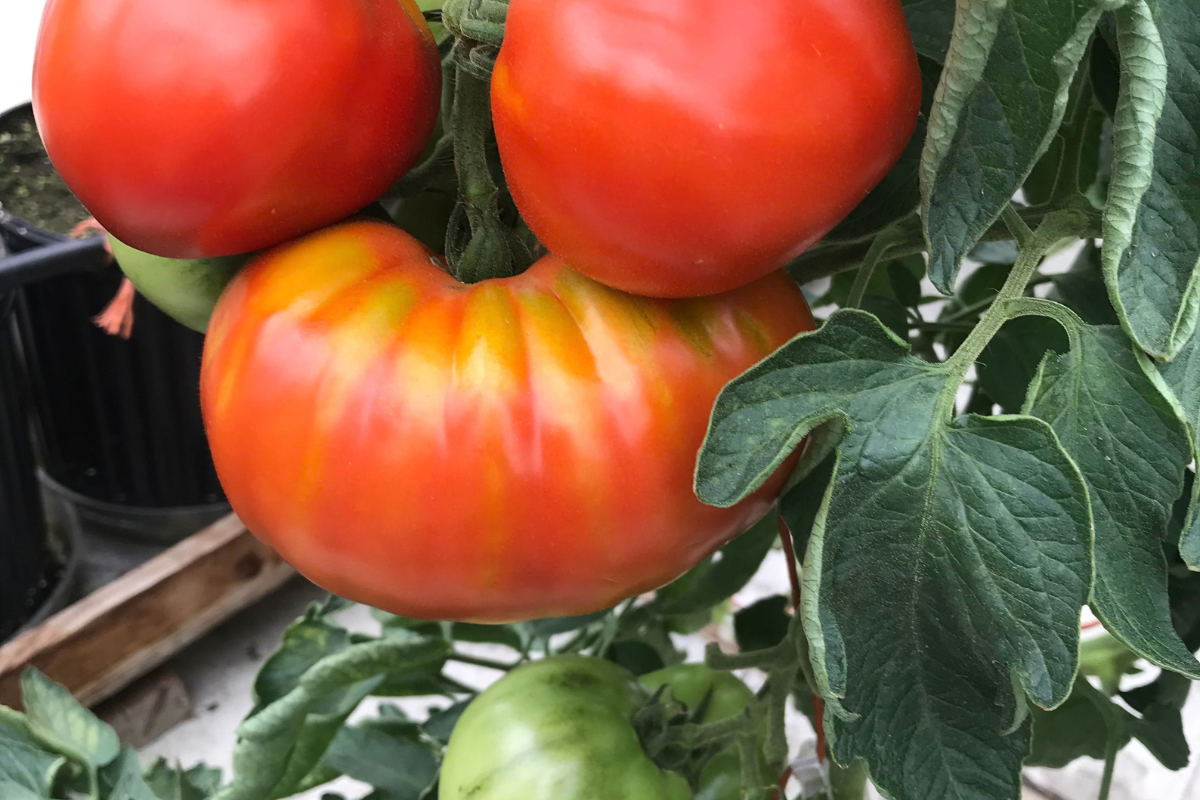
At the end of every summer, my mom’s backyard garden transforms into a bountiful harvest of tomatoes. Enough to feed an entire Italian village, the overflowing vines contain every size and color imaginable. They’re situated between the organized rows of zucchini and leafy kale that seems to grow most of the year. These tomatoes aren't uniform or pale like the ones I sadly glance at under fluorescent grocery store lights.
Warmed by the late-summer western Pennsylvania sun, a few are split slightly at the crown, so fragrant that I stop and take a deep inhale before pulling them from the vine. When I bring a heavy basket of those tomatoes into the kitchen, I don't reach for a blender, a can opener or a shelf of dried spices.
I grab a heavy stainless pan, wash the tomatoes and lay them out, drizzling them with imported Italian olive oil. Adding a couple of gently smashed garlic cloves and a handful of hand-torn basil, I throw them into the oven to roast. In less than an hour, those homegrown tomatoes become a flavorful, vibrant sauce, a true “salsa al pomodoro.”
For me, it’s about as uncomplicated as cooking gets. Yet, this meal possesses a simplicity and flavor that feel almost radical.
The history of the "golden apple"
It’s easy to forget that the tomato hasn't always been the beating heart of Italian cooking. In fact, as I browse through comments on my socials, people often inform me that tomatoes are “not even Italian.” When Spanish conquistadors brought the plant back from the Americas in the 16th century, Italians initially viewed it with extreme suspicion. At that time, tomatoes were treated as purely ornamental. More of a decorative curiosity for nobles’ gardens than a major staple at dinner tables.
The Italian name itself, pomodoro, means "golden apple" (pomo d'oro), hinting at those early yellow-hued varieties that first made their arrival.
It wasn't until the late 18th and early 19th centuries, particularly across the sun-drenched soil of southern Italy, that impoverished cooks realized the magic hiding inside this fruit. Combined with extra-virgin olive oil, local wheat and fresh herbs, the tomato became the great equalizer.
They quickly became known as nutritious, flavorful and accessible to families who had very little else. Starting as "food for the poor" (cucina povera), tomatoes slowly grew into a defining ingredient in Italian cooking.
Love discovering Italy one bite at a time? Subscribe to the free Appetito newsletter for the latest in food, travel, recipes, and Italian culture stories.
From the hills of Abruzzo to the Sardinian coast
Whenever I think of pomodoro, my mind immediately drifts back to my travels across Italy, where the same simple sauce takes on entirely different personalities depending on the region.
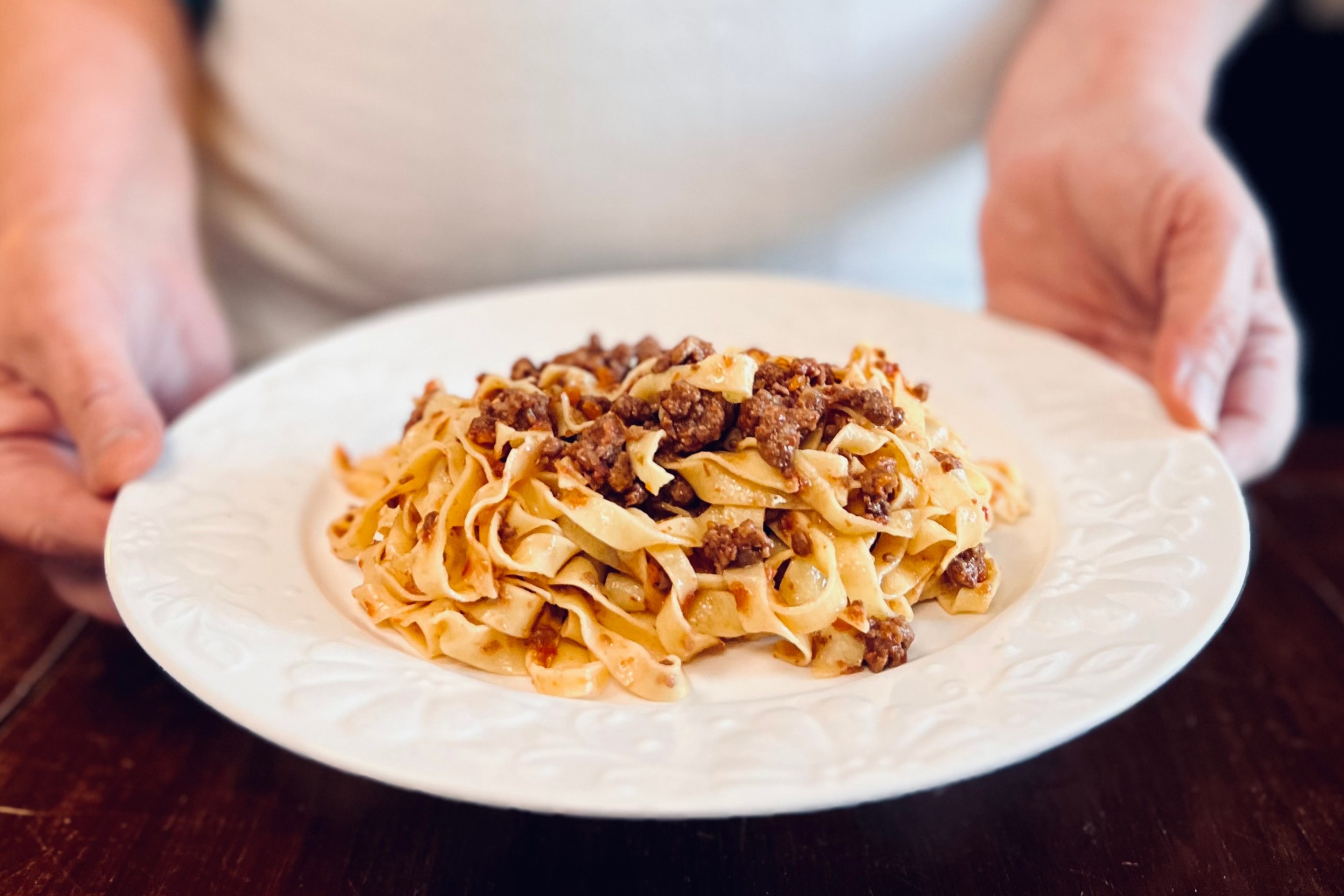
In Abruzzo, I savored a fresh bowl of chitarra al pomodoro. The dough is pressed through the fine steel strings of a wooden chitarra frame, creating porous, square-cut strands with a distinct taste. Tossing those noodles directly into a pan of simmering crushed tomatoes, olive oil and basil lets the sauce cling to every corner. It’s warm, rustic and somehow tied to the mountains, the sea and everything I love about Lanciano.
Then you travel out to the coast. I’ll never forget sitting along the water at Porto Turistico Marina in Sardinia, eating what remains my absolute favorite plate of pasta in all of Italy. It was the day my husband changed his mind about “having to have bolognese on spaghetti.”
The dish was completely perfect in every way. Al dente spaghetti with slightly sweet pomodoro, Parmigiano Reggiano and tiny pieces of torn basil. I sat on the patio beside a crystal-blue sea with bobbing boats. The salty fall sea air gently grazed my face. The ingredients were simple but immaculate. It was the kind of meal that’s so good you never want it to end.
Pure simplicity on South Street
I was reminded of this exact philosophy while chatting with chef Cosimo Tricarico on The Pizza Story Podcast. Cosimo came to Philadelphia from Puglia over 30 years ago, starting as a dishwasher before opening several traditional pizzerias and restaurants across the city. Today, at his shop Puglia Pizza on South Street, he keeps that authentic southern Italian soul alive, right down to the imported market goods on the shelves and the tomato and basil plants growing in pots on the sidewalk outside his door.
When we talked about what true Italian food means to him, he didn't point to complex techniques or culinary trends. He went straight back to the soil, to simple, uncorrupted ingredients directly from the land.
"A little eggplant, a little fresh tomato, a little basilico... simple! You travel in Italy from north to south, and every region has a different spirit, but you can taste the love. You don't need all this science. You must grow up with the flavor, the love, and the care."
For Cosimo, whether it's a quick bowl of spaghetti drizzled with good olive oil, garlic and fresh tomatoes or a light Roman slice topped with sweet basil, it centers around respecting the ingredients.
The art of keeping it simple
That philosophy is the exact spirit behind a true pomodoro.
It’s also a subtle reminder of my grandparents' cooking, which tasted so unforgettably good. They had access to ingredients that they grew themselves and respect for a simple dish made with love.
So, the next time you find yourself with a handful of ripe tomatoes, make your version of pomodoro with garlic, olive oil and fresh basil torn right from the stem. Layer it over your favorite al dente pasta and finish it with a generous amount of Parmesan. You’ll thank me later.