
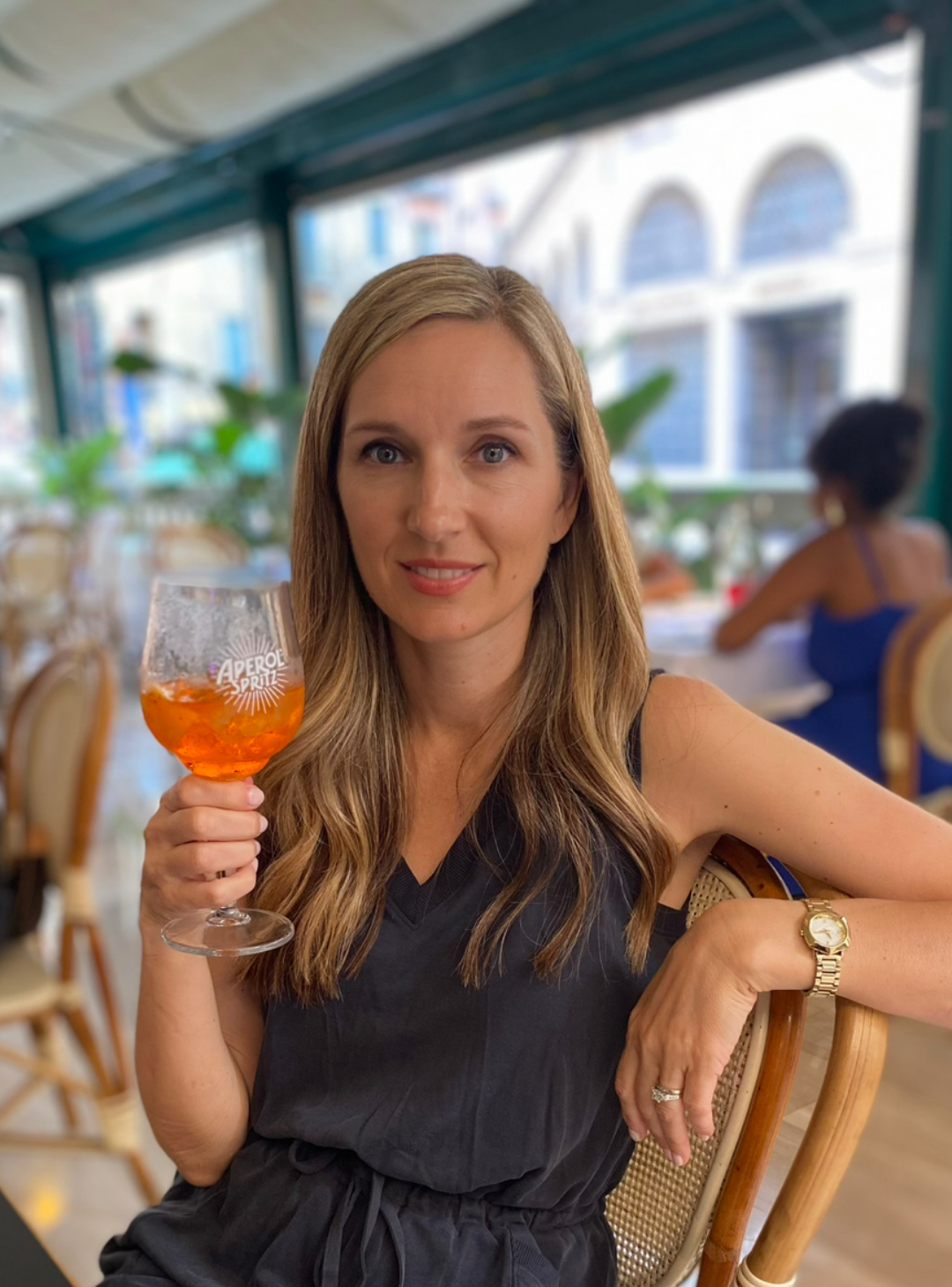
Journalist Jessica Dupuy was interviewing Andrea Lonardi for a story when she first caught him using the word. He dropped it again six months later, in a completely different conversation, and that's when she stopped him.
"That word seems to mean something to you," Dupuy said to Lonardi. "But how would you describe it?"
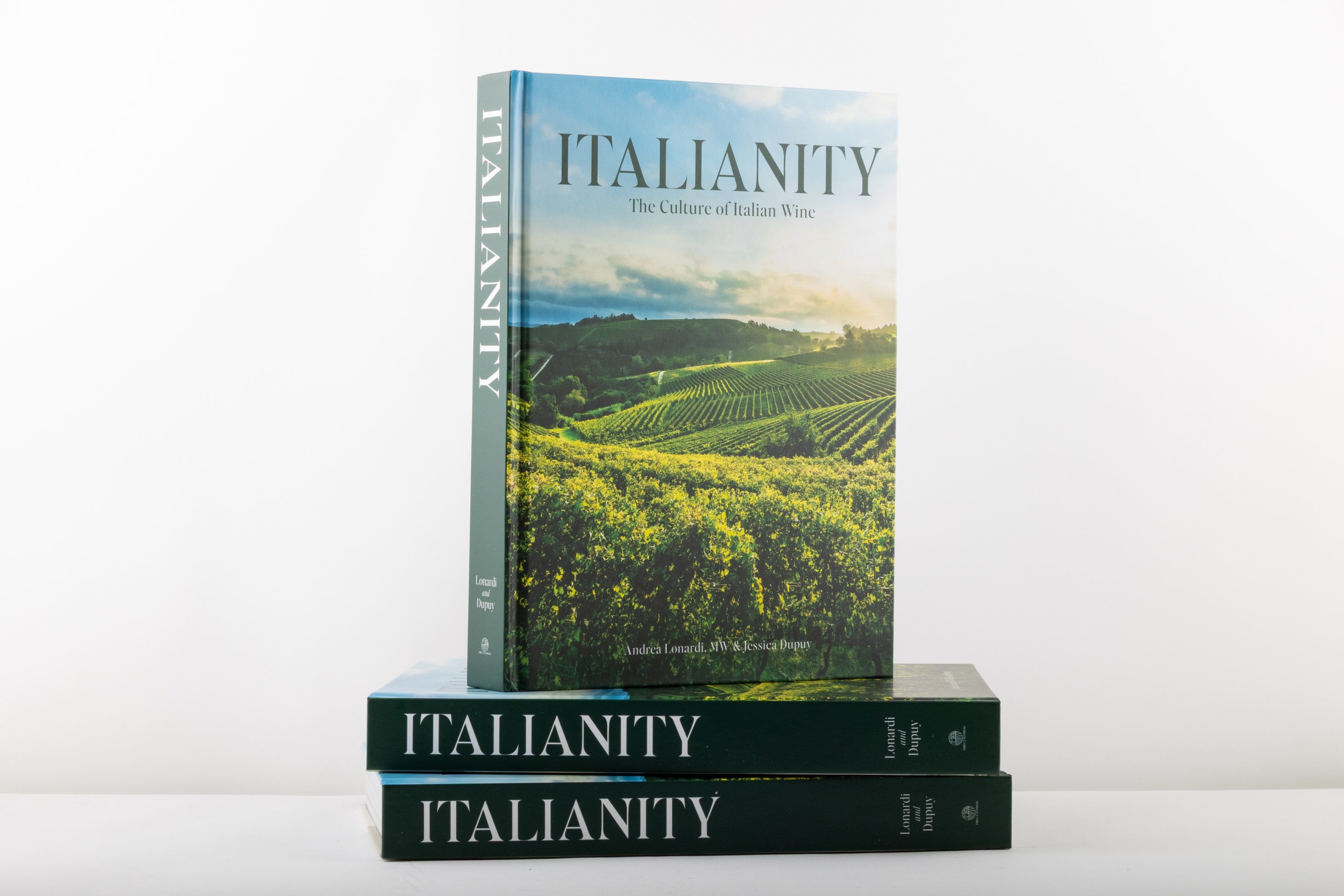
The word was Italianity, and what followed that question became the idea behind their first book together. Italianity: The Culture of Italian Wine makes the case that Italian wine possesses something no other country's wine quite manages: a recognizable soul that runs across every region, every grape and every vintage.
People Before Soil
Italy didn't become a unified country until 1861. The mountains that split and define the peninsula kept its regions fiercely separate for centuries, each developing its own dialect, cuisine and identity. A Sicilian will tell you they are Sicilian before they are Italian. A Piedmontese does not eat the same food or speak the same dialect as someone from Campania. And yet, pour a glass of wine from any corner of the country, and something connects them.
Dupuy, a Texas-based writer and Master of Wine candidate who co-authored the book, noticed this firsthand. "Other sommeliers or wine professionals have confirmed the thesis without us even discussing the book at all," she said. "We'll be tasting and someone will say, this is so Italian."
Lonardi refers to it as the Italian Spine. He describes the reds as leaning towards bright, transparent ruby colors, with a citrus-like bitterness on the nose, hints of orange peel and red fruit. On the palate they are agile, drinkable and vibrant, with clear tannins and a juicy finish that makes them natural partners for Mediterranean food. "No other country has this kind of stylistic thread running across its wines," Lonardi says. "Certainly not France, and even less Spain."
Want more Italian wine stories? Explore more at Appetito Magazine.
The Culture Behind It
Lonardi spent more than a decade as Chief Operating Officer of Angelini Wines & Estates, reviving historic brands in Valpolicella, Friuli, Montalcino, and Montepulciano, and in 2023 became only the second Italian ever to earn the title of Master of Wine. The lesson he keeps coming back to is not about soil. "What is far more interesting is that people are different — and those differences are shaped by the climate and the history of the territories they inhabit."
They make the point through the lens of Tuscany: Chianti Classico is the wine of old Florentine nobility, a culture where lineage and generational patience matter more than chasing trends. Brunello, Dupuy adds, "smells like money — like Napa." And Vino Nobile reflects the farmers who tend it, steady people in one of Tuscany's most tourist-visited towns, perhaps less driven to change what already works.
The book carries a personal sentiment as well. Lonardi writes about falling and getting back up, about leaving places and brands he loved and about those who changed how he worked and how he lived. "I have always believed in the importance of mentors — people who did not just teach me how to make wine, but how to live."
The day he passed his Master of Wine exam, he wore a shirt in the Italian tricolore. He understood in that moment that he had not simply become a Master of Wine, but he had also become an Italian one. The distinction between having a credential and carrying a culture is exactly what the book is arguing for.
As Dupuy puts it: "If you love Italian culture, or if you love to travel, it's just nice to be able to approach the wines in that way — to understand what is similar about them when you travel to Tuscany versus Piedmont or Sicily."
Italianity: The Culture of Italian Wine can be purchased here.
Be the first to know about Italian food events, restaurant openings and culinary travel. Subscribe to the Appetito weekly newsletter.