
Tucked into Philadelphia’s East Kensington–Fishtown corridor, Emilia is the newest restaurant from Michelin-recognized, James Beard Award-winning chef Greg Vernick. The restaurant opened in January 2026, bringing a neighborhood Italian spirit to Frankford Avenue.
The restaurant represents a new chapter for Vernick and his team. It is his first restaurant located outside Center City Philadelphia. That change in setting has helped shape the energy of the project. Emilia sits in a neighborhood known for its creativity, something Vernick believes adds to the experience for longtime guests as well as those discovering his cooking for the first time.
The restaurant’s identity began to take shape through years of travel in Italy. Vernick had visited the country earlier in life with family, but more recent trips brought a deeper appreciation. Hosting food tours with fellow chef Jeff Michaud allowed him to work behind the scenes with Italian chefs in regional kitchens across the country. Those visits clarified the approach he wanted to bring back to Philadelphia.
“I’ve always been intimidated by the simplicity of Italian food,” Vernick says. “Those visits provided me with a good understanding of how ingredients lead with technique coming second.”
Chef de Cuisine Meredith “Meri” Medoway, a longtime collaborator of Vernick’s, also played a central role in shaping Emilia. Medoway spent time living in Italy and grew up surrounded by Italian cooking through her maternal family heritage. Before opening the restaurant, she and Vernick traveled together with Culinary Director Drew Parassio through Rome and nearby towns. The trip helped create the menu.
“It was on this trip that our collective vision came together,” Vernick explains. “We began to commit to dishes that we’d love to include on our menu.”
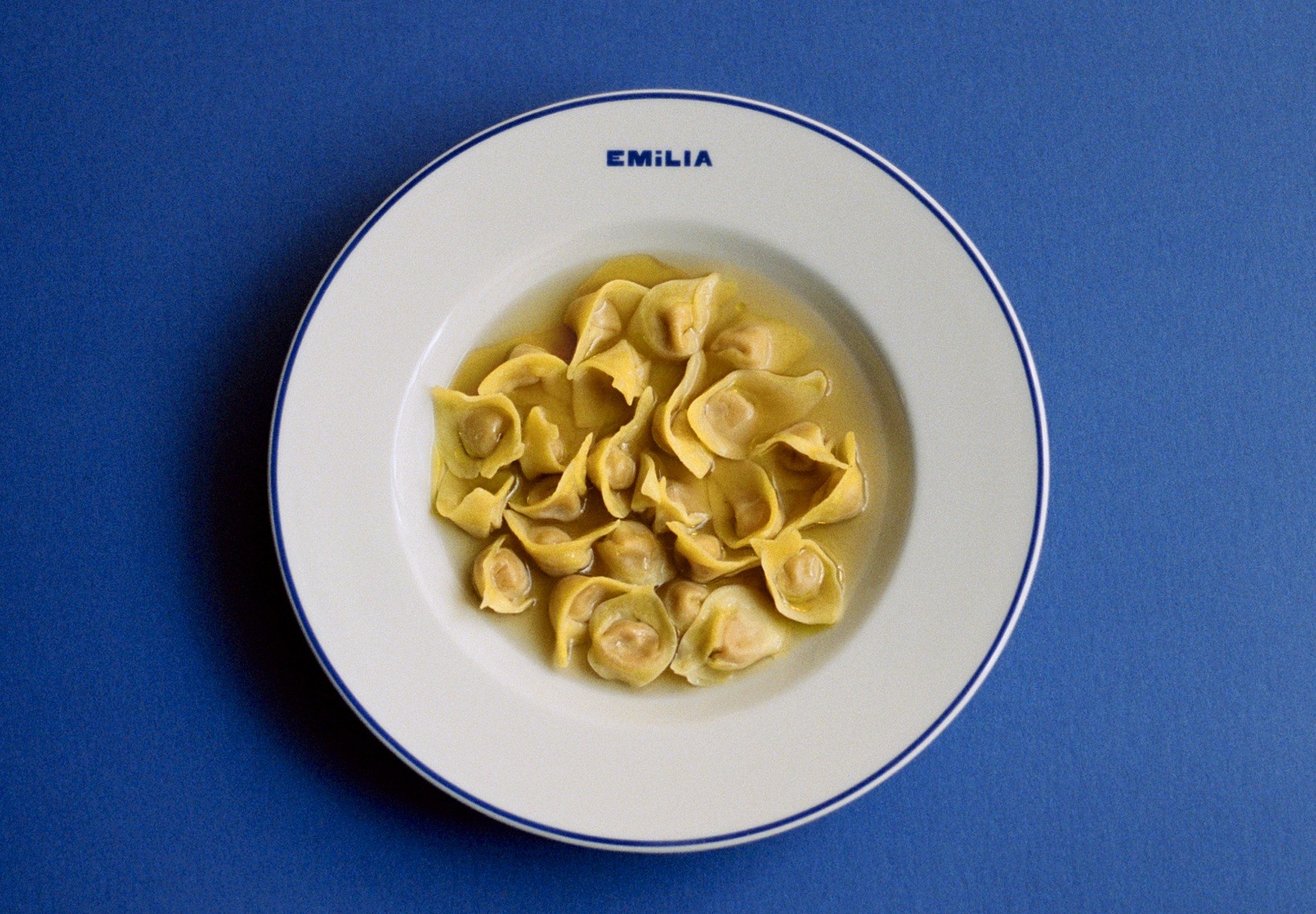
Back in Philadelphia, the team began translating those ideas into dishes that would feel both authentic and welcoming to guests. Some of those early concepts became anchors of Emilia’s opening menu, including Tortellini in Brodo and Rigatoni Ragù Bianco.
Want to be the first to know about Italian food events, restaurant openings and culinary travel? Subscribe to the Appetito newsletter.
For Medoway, the project also reflects a natural evolution of work she began earlier in her career. While serving as chef de cuisine at Vernick Food and Drink, she developed a passion for introducing new dishes and building the restaurant’s handmade pasta program.
“My love of Italian food comes from the dishes my mom made growing up and from the meals I was fortunate enough to enjoy while visiting Italy,” Medoway says. “Emilia is a natural progression of what we started at Food and Drink.”
Living in a city with four distinct seasons constantly influences what Medoway wants to cook and eat.
“By the time one season is ending, I’m always craving the next,” she says. “Going into the warmer months I want to serve something fresh and light, the same way I want to spend more time outside in the sun.”
That same spirit of ease carries into the beverage program, led by beverage director Janae Renno. “The beverage program at Emilia is guided by the Italian way of life, of ease and enjoyment,” Renno says. “It’s playful, quality driven, and filled with options meant to be shared.”
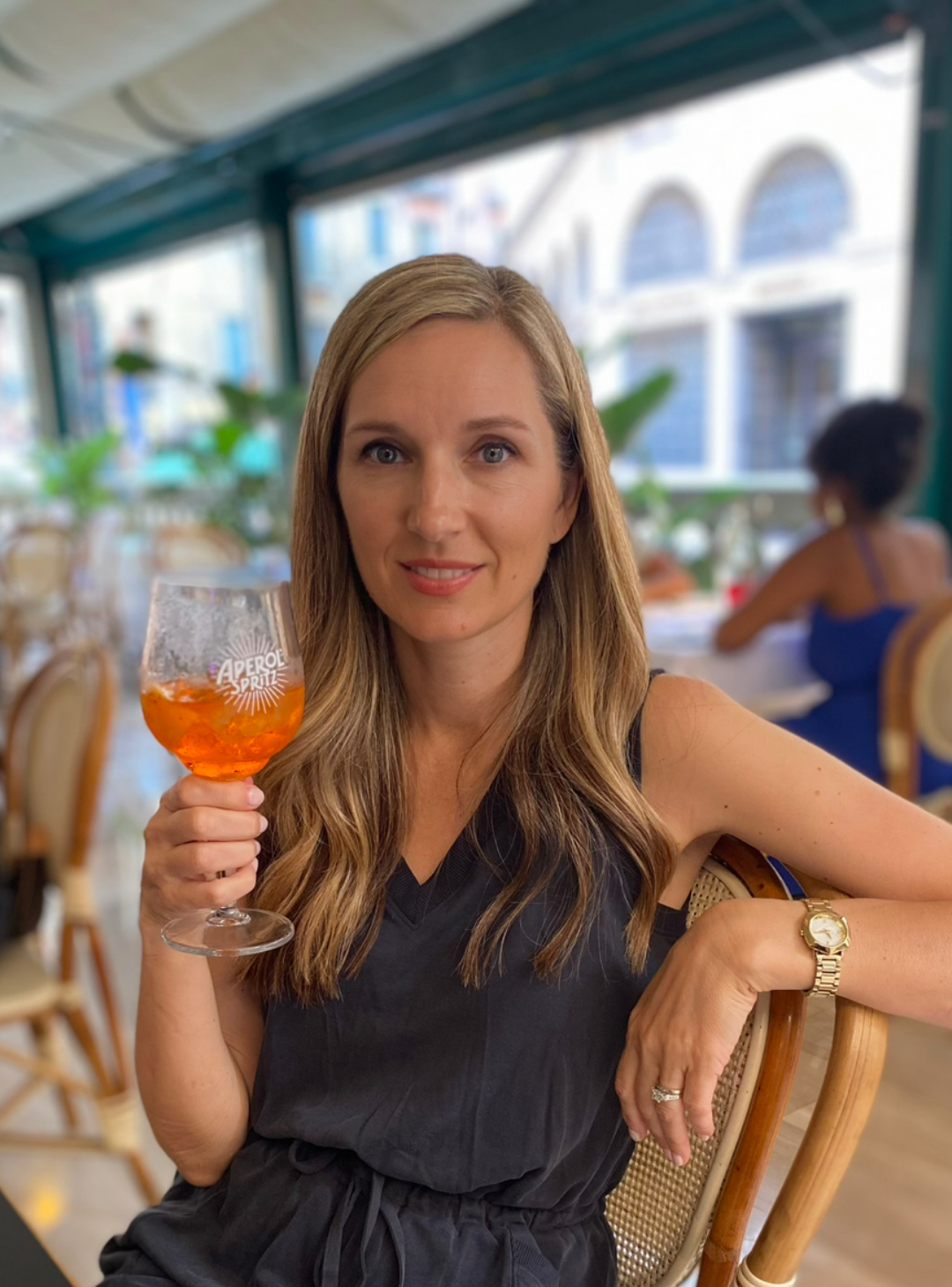
Cocktails are designed with Italian stories in mind. Guests may start the evening with a seasonal Negroni or the Emilia Spritz, while the Meadow Lark, an espresso martini combining Alpeggio Hay Liqueur, Nardini grappa, and fresh espresso, nods to Italian farmers beginning their mornings in the fields.
Read more about the Philadelphia food scene.
Wine plays an equally central role.The wines emphasize low intervention practices and represent regions across Italy, including varieties not often found by the glass.
The team encourages guests to approach the wine list the same way they might in Italy. Rather than individual glasses, the experience often begins with a shared bottle chosen for the table.
At the bar, the atmosphere is meant to feel relaxed. Whether someone is enjoying cocktails with friends or settling in for a full dinner, Renno hopes the experience encourages guests to slow down.
“I hope guests who sit at the bar can exhale and feel the hum of the restaurant around them while letting our team do the rest,” she says.
For Vernick, the ideal night at Emilia reflects the feeling of an Italian meal. Guests might begin with a spritz and a few bites at the bar, move on to a table with a bottle of wine, share several pastas, and add a larger plate such as the Rabbit Emiliana with vegetables for the table. The evening ends simply with olive oil cake and a glass of amaro.
It is a format that emphasizes what Vernick believes matters most in Italian cooking: good ingredients, thoughtful technique, and the shared experience of a meal.
Visit Resy for reservations.