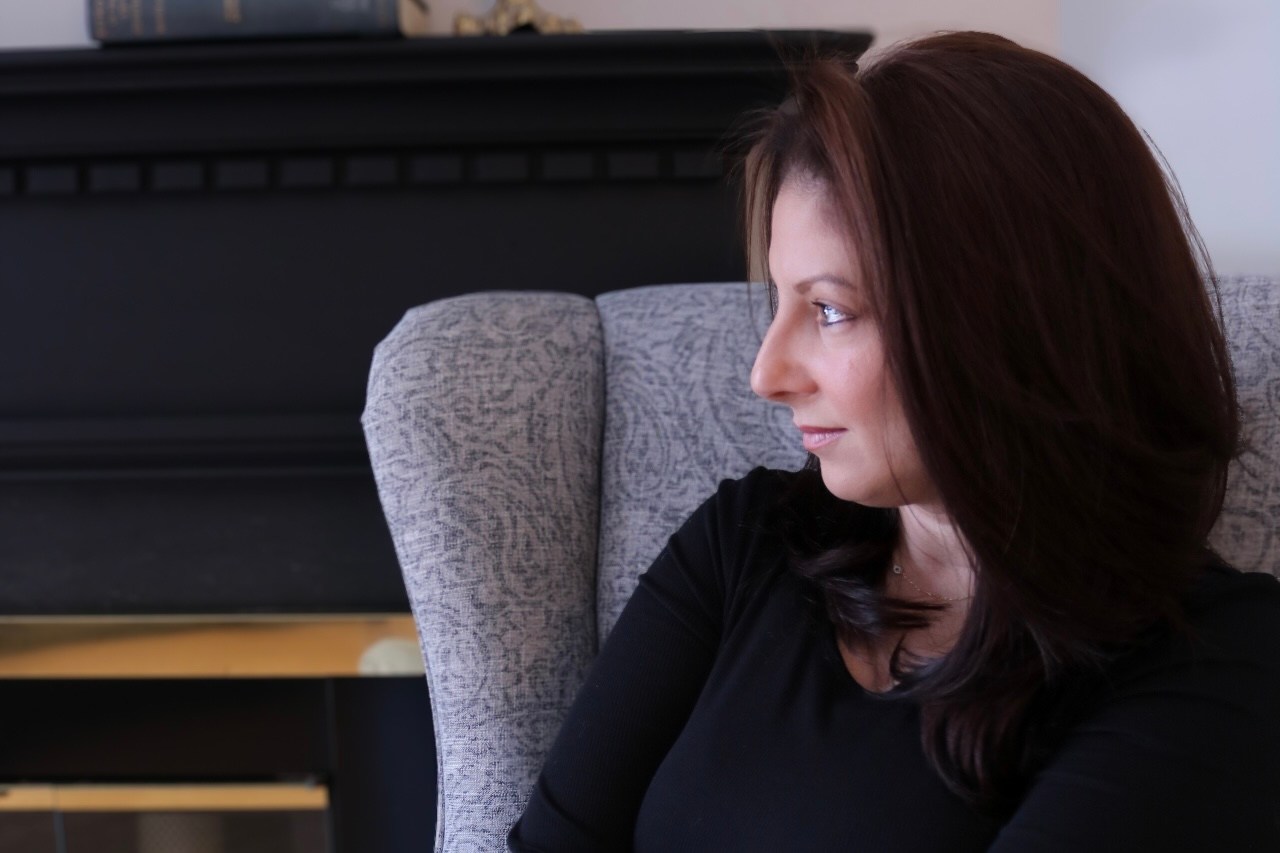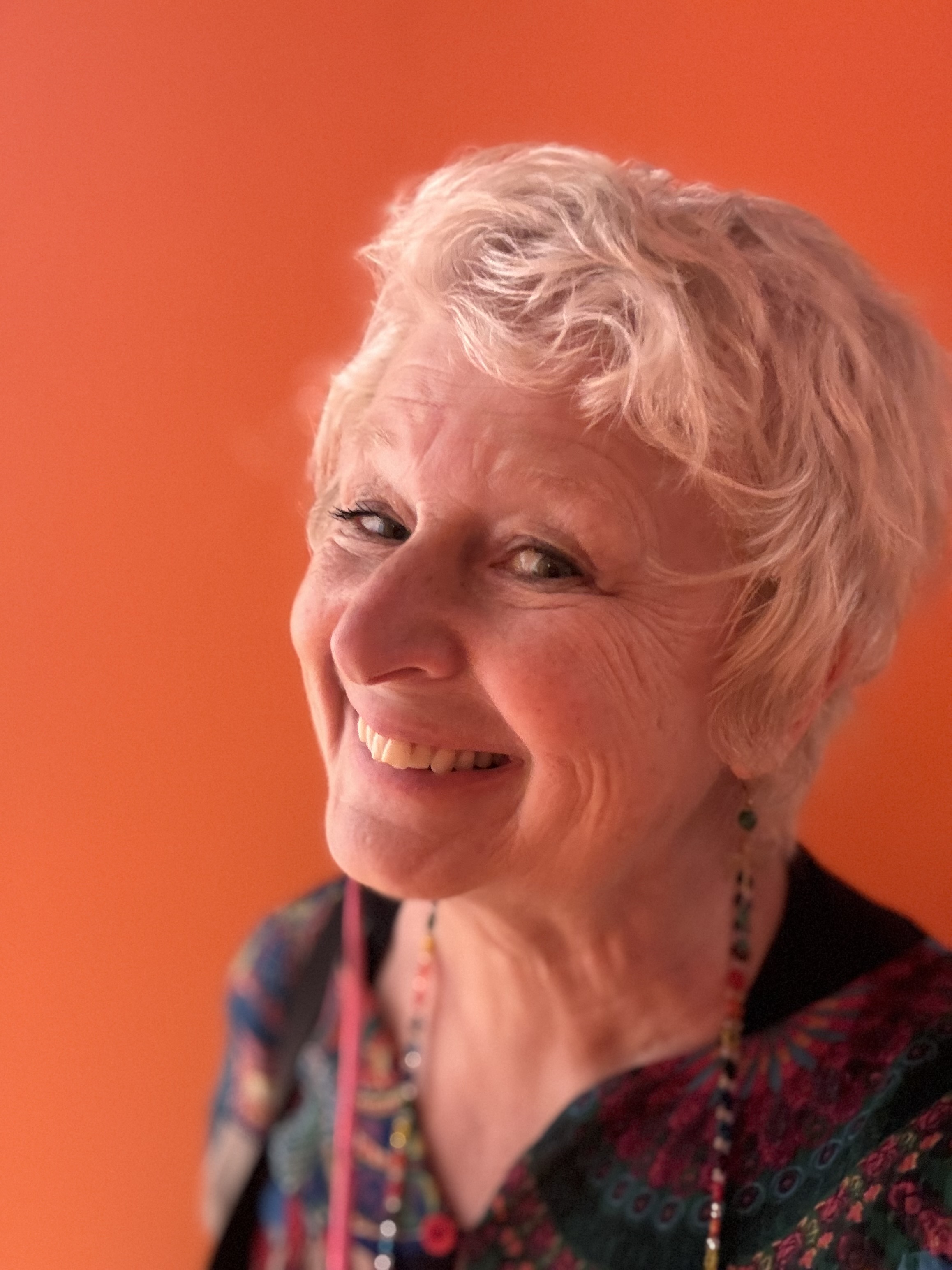


I fell in love with Maison Le Champ before I arrived. In the photographs of the B&B in La Salle, books filled the living room and were piled along the staircase. Anyone who loved books that much, I figured, must be good company. I was right about Luciana, our host.
La Salle was our base for more than a week in the Aosta Valley, in Italy’s northwestern corner on the borders with France and Switzerland. It felt much less crowded than places like the Dolomites, even at the height of summer.
At Maison Le Champ, guests leave their shoes in a low cabinet by the door. There is a basket of slippers, though I was happy to go barefoot.
The rooms in the three-story house were simple and comfortable. There were even more books than the photographs suggested, along with curious objects I could never quite take in at a glance. A week gave us time to explore the house as well as the valley.
Love discovering Italy one bite at a time? Subscribe to the free Appetito newsletter for the latest restaurant openings and Italian travel news.
Breakfast and fontina
At breakfast, Luciana served her own jams and yogurt, homemade cookies and cakes and bread from a nearby bakery. The fontina came from a neighboring village. Pancakes arrived straight from the pan.
Luciana served breakfast when we were ready and was generous with recommendations for places to visit. I had chosen the house for its books; her breakfasts were another reason to be pleased with the choice.
Elsewhere in the valley, we ate fontina melted into soup and folded into polenta. We also visited the fontina aging cellars in Pré Saint-Didier, where workers turned and cleaned thousands of wheels on wooden shelves inside the mountain.
Skyway Monte Bianco
From Courmayeur, an elegant ski town worth a visit in its own right, Skyway Monte Bianco climbs to Punta Helbronner, at 11,371 feet. Its cabins rotate a full 360 degrees as they ascend, giving everyone a view of the surrounding mountains.
At the intermediate station, Pavillon, there is a botanical garden and a small lake. At Punta Helbronner, the circular observation terrace looks out over peaks and glaciers. The sheer expanse of snow and ice is breathtaking, especially after the summer landscape lower down. There is also the Panoramic Bistrot inside the station.
From here, you can continue into France. From Punta Helbronner, the separate Panoramic Mont-Blanc gondola crosses above the glaciers to the Aiguille du Midi, on the French side of the massif. You can see the French side without first returning to the valley. Check operating dates and conditions before planning the crossing.
Walking in Val Ferret
Val Ferret, on the Italian side of the Mont Blanc range, was one of our favorite places to walk. The trail from near Lavachey to Rifugio Bonatti passes through larch woods before emerging into open pasture. Allow roughly an hour and a half for the ascent.
The last stretch felt steep. At the hut, about 6,644 feet up, I was struck by how close the mountains felt. Across the valley, the Grandes Jorasses and their glaciers seemed almost at eye level. It was extraordinary to see them so close. Dozens of hikers on the Tour du Mont Blanc were stopping there too. I was happy to sit among them with a cold drink and look at the mountains.
Lakes and a waterfall
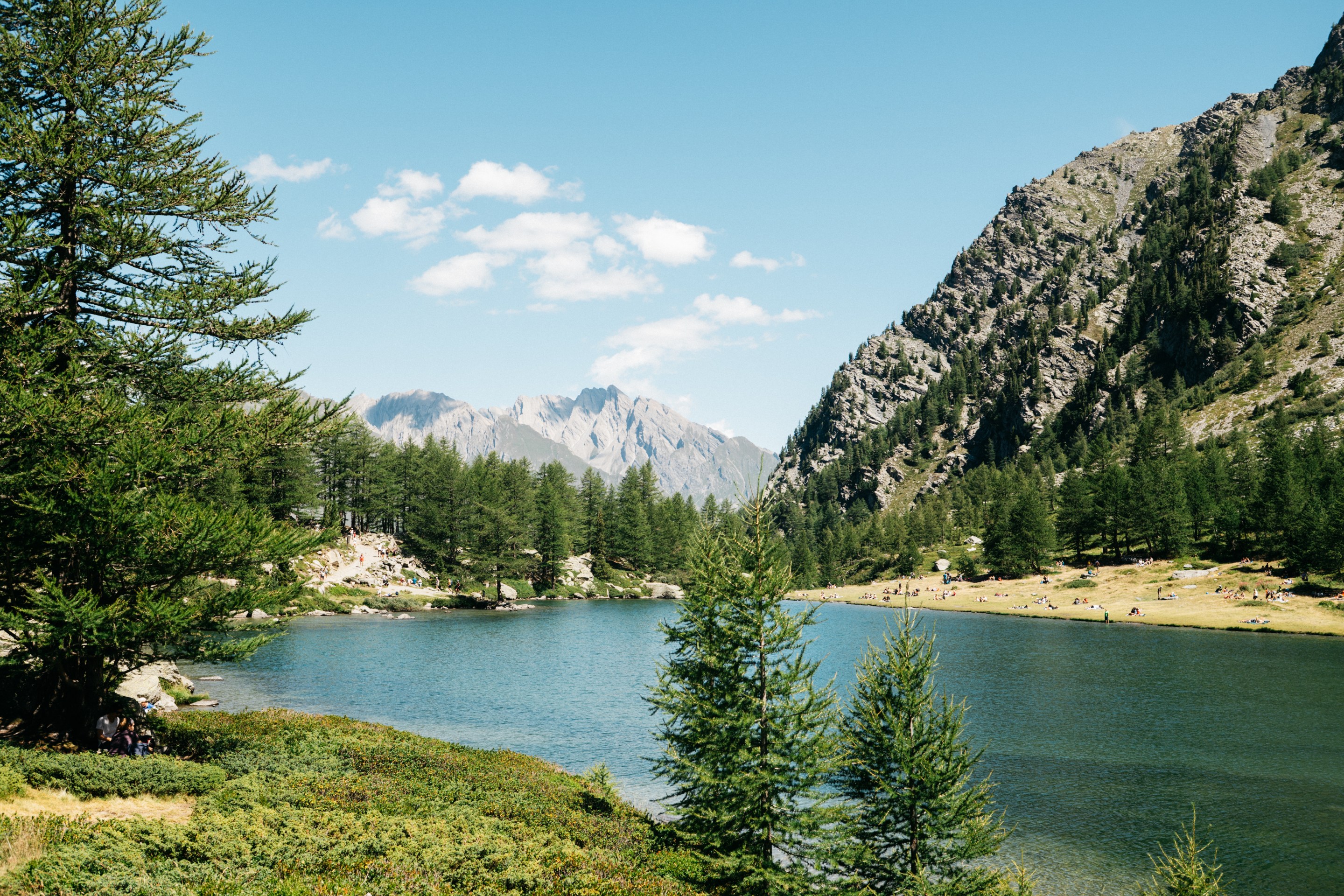
The popular trail to Lago d’Arpy takes about an hour on foot. It is worth continuing around the shore, since the view changes as you walk. Bring a picnic and allow time to sit on the grass before heading back.
Lago Blu, near the ski town of Cervinia, requires much less walking. Just a few minutes from the road, the small lake reflects the Matterhorn when the water is still and the mountain is clear. It is an easy stop for a day when no one feels like another hike.
On the way to Lago Blu, we stopped at the Gouffre des Busserailles, a narrow gorge carved by water and glaciers. You enter through a restaurant to find a waterfall hidden between the rock walls.
Two festivals in Aosta
During our stay, we also happened upon two festivals in Aosta. On Aug. 1, the Foire d’été brought the region’s artisans into the city. Woodcarvers demonstrated their work alongside the finished pieces.
About a week later came GiocAosta. The festival spreads through the city’s squares and streets. Its program includes more than 2,000 boxed games, along with puzzles, giant games, treasure hunts and role-playing. Hundreds of volunteers from the Aosta Iacta Est association help run it. This was its 18th edition, with a motto that translates as “Only those who stop playing grow old.” An enormous tent stood in front of city hall, with dozens of people gathered around tables. A large lending library supplied the board games. Anyone could choose one, find a seat and play.
More than a week gave us time to walk, linger over breakfast and stop for things we hadn’t planned. I would happily go back.