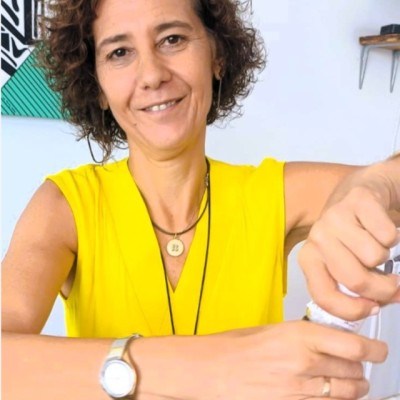

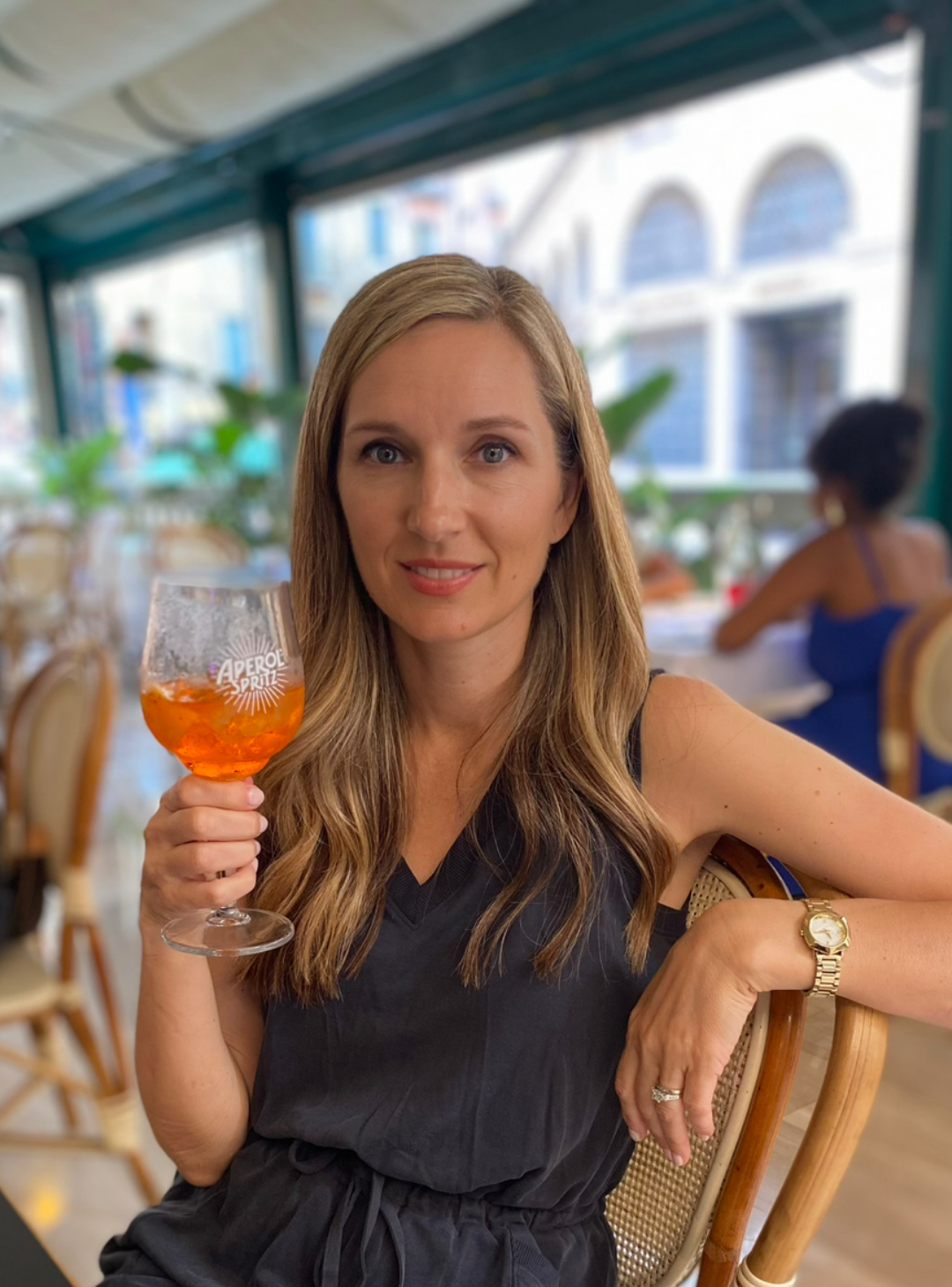
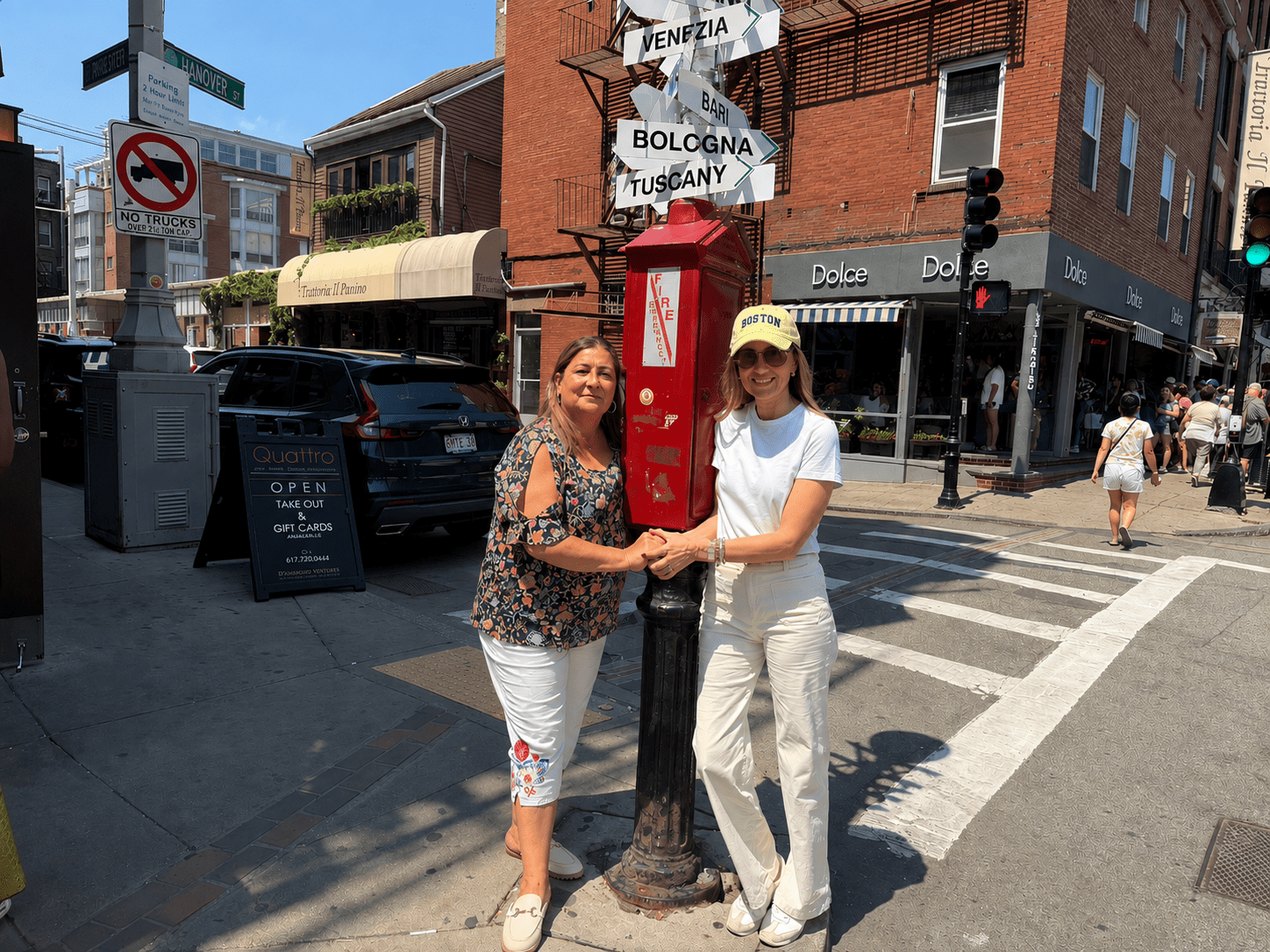
Standing outside Quattro in Boston's North End, Maria DelVecchio watches couples studying maps on their phones, wondering if they're in the right place. Before long, someone walks over and asks, "Maria?"
She still laughs about it. "I always think, 'What is it about me that they always find me?'" she said.
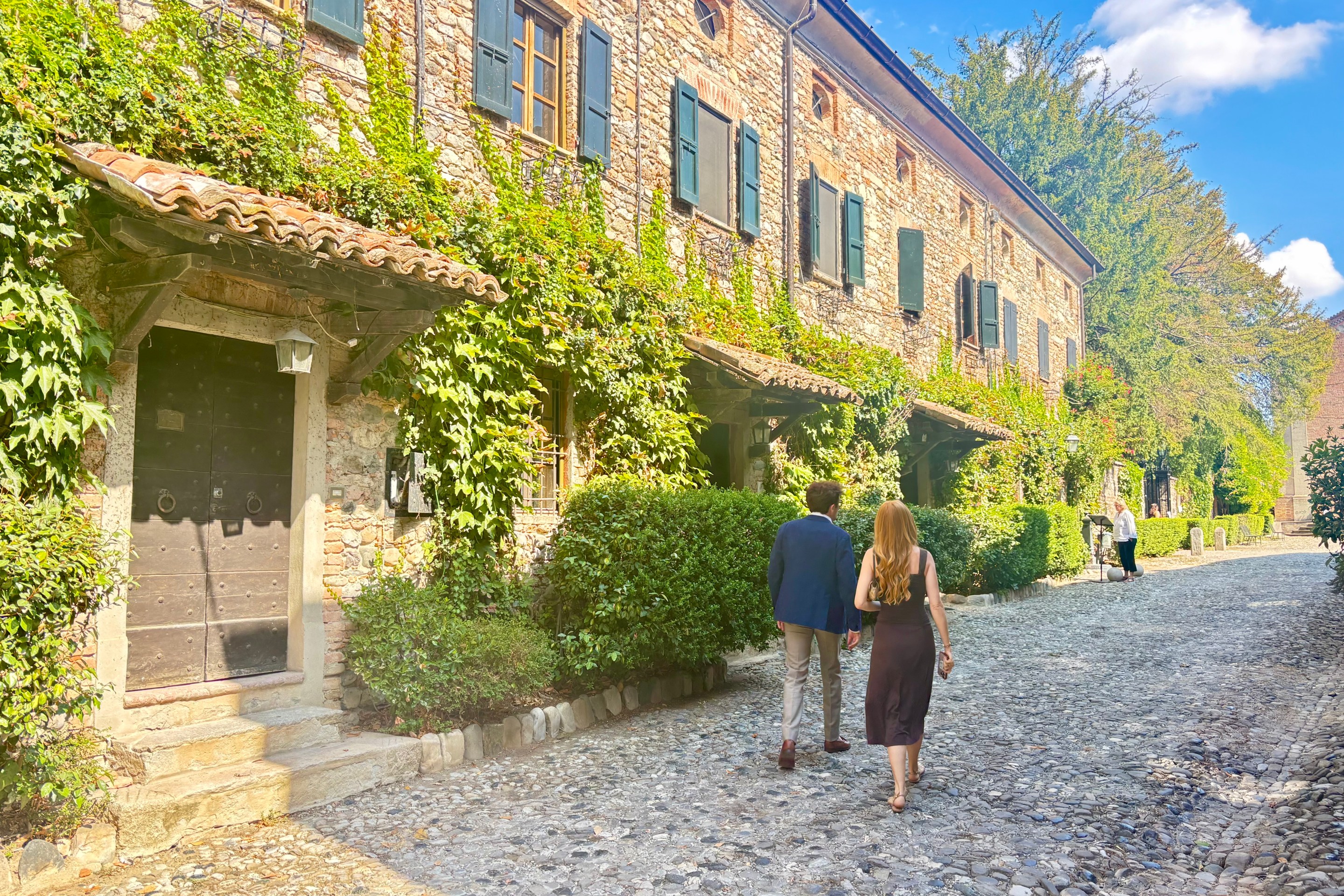
Within a few minutes, she's hugging strangers, calling someone "my love" or "beautiful people," and leading them through the maze of cobblestones in Boston’s North End. By the time the tour ends a few hours later, many have her phone number. They text when they're planning another trip to Boston or call to find out when a neighborhood feast is taking place.
Maria knows how to make people feel welcome, a skill she first learned in restaurants and on the streets of Boston’s North End as a teenager.
Lessons from a farm
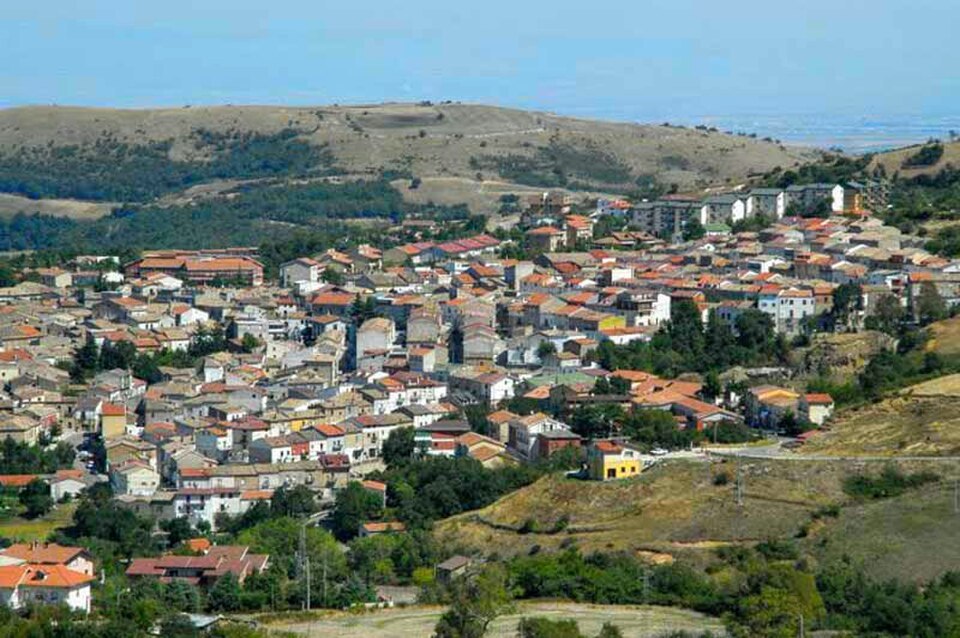
Maria grew up outside Nusco, a mountain town in Italy's province of Avellino, where her family lived off the land. They grew grain, grapes and vegetables, raised chickens, rabbits and even had a donkey, selling whatever they could after keeping enough to feed themselves through the winter.
Maria's older brother had gone to Switzerland for work while he was still a teenager, leaving her mother to manage the farm with two young daughters. The days were long. During harvest season, Maria remembers being awakened at three in the morning to cut grain before the fields became too hot to work.
"We never wasted anything," Maria said. "Nothing was thrown away."
Looking back, she recalls the freedom that came with her childhood. "I remember a lot of beautiful things," she said. "Growing up on a farm was just an absolute dream. Once I came here [to America] and I saw the way kids were growing up," she said, "I was like, 'Oh, they're missing out on so much.'"
Love discovering Italy one bite at a time? Subscribe to the free Appetito newsletter for the latest in food, travel, recipes, and Italian culture stories.
Boston felt familiar
Maria’s connection to Boston began before she ever arrived. Her older brother had married Anna, an Italian woman from Boston whom Maria adored. After he became a U.S. citizen, his new life in America opened a path for Maria and the rest of their family to follow.
Leaving Italy for America after fifth grade was the hardest part of her childhood. She missed her cousins and the neighbors who showed up on her doorstep unannounced.
Life changed quickly in America. Her mother found work almost immediately after arriving in Boston, first pressing clothes in a factory, then working at a nursing home, and later washing dishes in a restaurant at night. Maria watched her mother move from one job to the next without complaint.
She and her sister enrolled in school, repeating fifth grade because they had arrived without the necessary paperwork. Within months, both girls were working after their classes. Maria's uncle helped her find a job at Modern Pastry when she was just 13, and it changed the trajectory of her life.
The North End felt like the Italy she had left behind, with Italian drifting through the streets and the shopkeepers greeting their customers by name. Conversations stretched from one corner to the next until a short walk took an hour. "The North End helped me feel like I was back in Italy," she said.
Maria never left. The North End became her new home, and she learned to love every corner of it.
A restaurant became an education
Maria eventually joined the staff at Trattoria Il Panino after the North End’s unofficial mayor Frank Pasquale asked to meet with her. She spent decades working for him. Her two children became known around the restaurant as the "Panino boys." Maria filled whatever role the day required. She greeted guests, served tables, cleaned bathrooms, swept floors and stayed late to finish the day's work. Nobody talked much about job descriptions. They just did what needed to be done.
Maria’s approach to hospitality has always been simple. Learn people's names if you can, sit for a minute if they're celebrating something special, ask where they're visiting from, and listen more than you talk. "You'd be surprised how much that little gesture means." Pasquale demanded excellence while caring deeply about the people who worked for him. "He inspired you to be the best you could be," Maria added.
Still greeting beautiful people
Years of standing double shifts eventually caught up with her, and she found herself wondering what came next. The idea for a tour company grew out of conversations with Pasquale, who encouraged her to share the neighborhood the way she already had for decades.
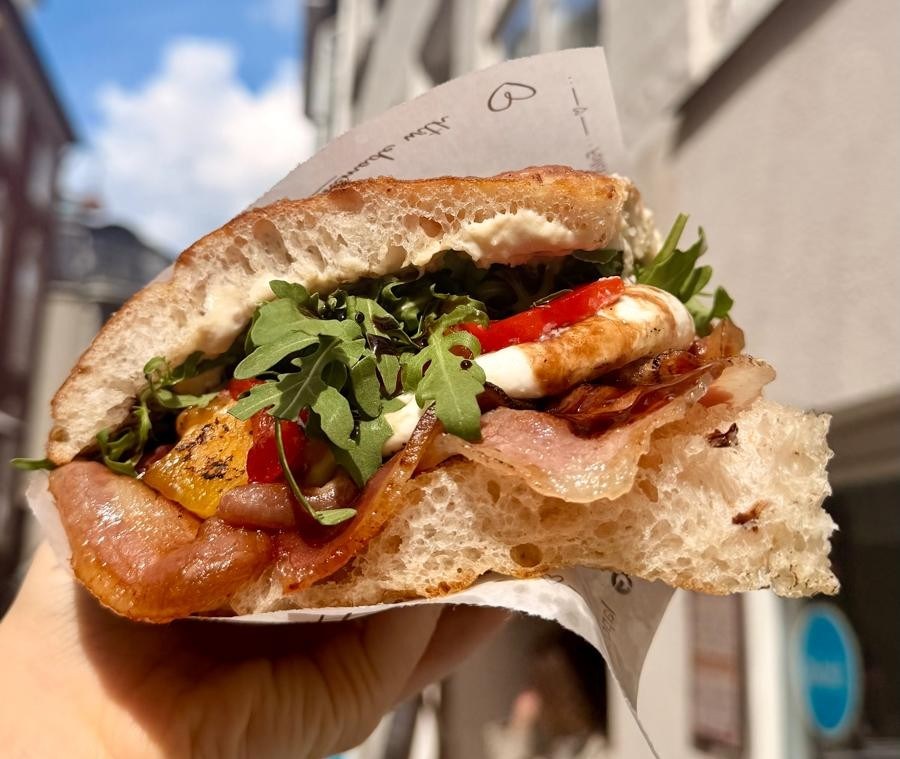
She jumped in, created a tour and called it My Beautiful North End. But it’s hardly a typical food tour. Maria takes you through the ins and outs of the North End, from who’s who to where to eat to the neighborhood's iconic history, told only as an insider can. As writer Allison Tibaldi wrote in a feature for Appetito, “She’ll have you noshing and nibbling warm prosciutto bread at Bricco Panetteria and tiramisu at Dolce, to name just a few.”
My Beautiful North End was the perfect name. For years, guests walking into the restaurant heard, "Hello, beautiful people." Young regulars became "sunshine." Friends were greeted with "my love."
"I waited on people for years," she laughed. "I just couldn't remember their names." Recalling names may not have been her strength, but she definitely learned how to make people feel seen. That has become the foundation of every tour she gives. Unlike many tour companies, people don't simply click a button online and show up. Most guests contact Maria directly. By the time they meet on Hanover Street, she has already discovered something about them. She knows whether they're celebrating an anniversary, traveling with grandchildren, or making their first trip to Boston. "My favorite part is communicating with the customer," she said. "I already know a little bit about the people I'm going to be touring with."
And Maria knows her stuff. She gladly explains the difference between bakeries, points out hidden courtyards, or tells the story behind a neighborhood feast. What people remember most, though, is the feeling that they spent an afternoon with someone who genuinely wanted them there.
"I feel like I've made new friends," she said. "You can't get that from a website."
That may explain why people seem to find her before she ever introduces herself. Standing outside Bricco's, surrounded by hundreds of people moving through the North End, someone inevitably walks up and asks, "Maria?"
Then she smiles, opens her arms, and says the words she's been saying for years.
"Hello, beautiful people."
It's the same welcome she offered in the dining room, the same warmth she carried with her from a farm outside Avellino, and the reason so many visitors leave Boston feeling like it's their new favorite place.
Want more of Boston? Explore our latest food and travel stories.