


In Italian, food is rarely just food. It organizes time, relationships, and expectations. This column explores Italian sayings and proverbs as ways of thinking shaped at the table.
These expressions preserve that knowledge in compact form. Read literally, they speak about eating. Read more closely, they offer insight into how experience, pleasure, and social life are understood.
The aim is simple: to treat language as another ingredient—handled with care, tasted slowly, and shared. No prior appetite required. It tends to arrive along the way.
Be the first to know about Italian food events, restaurant openings and culinary travel. Subscribe to the Appetito weekly newsletter.
A tavola non si invecchia
Literal translation: “At the table, one does not grow old”
Meaning: Shared meals ease the sense of time passing and sustain a feeling of well-being
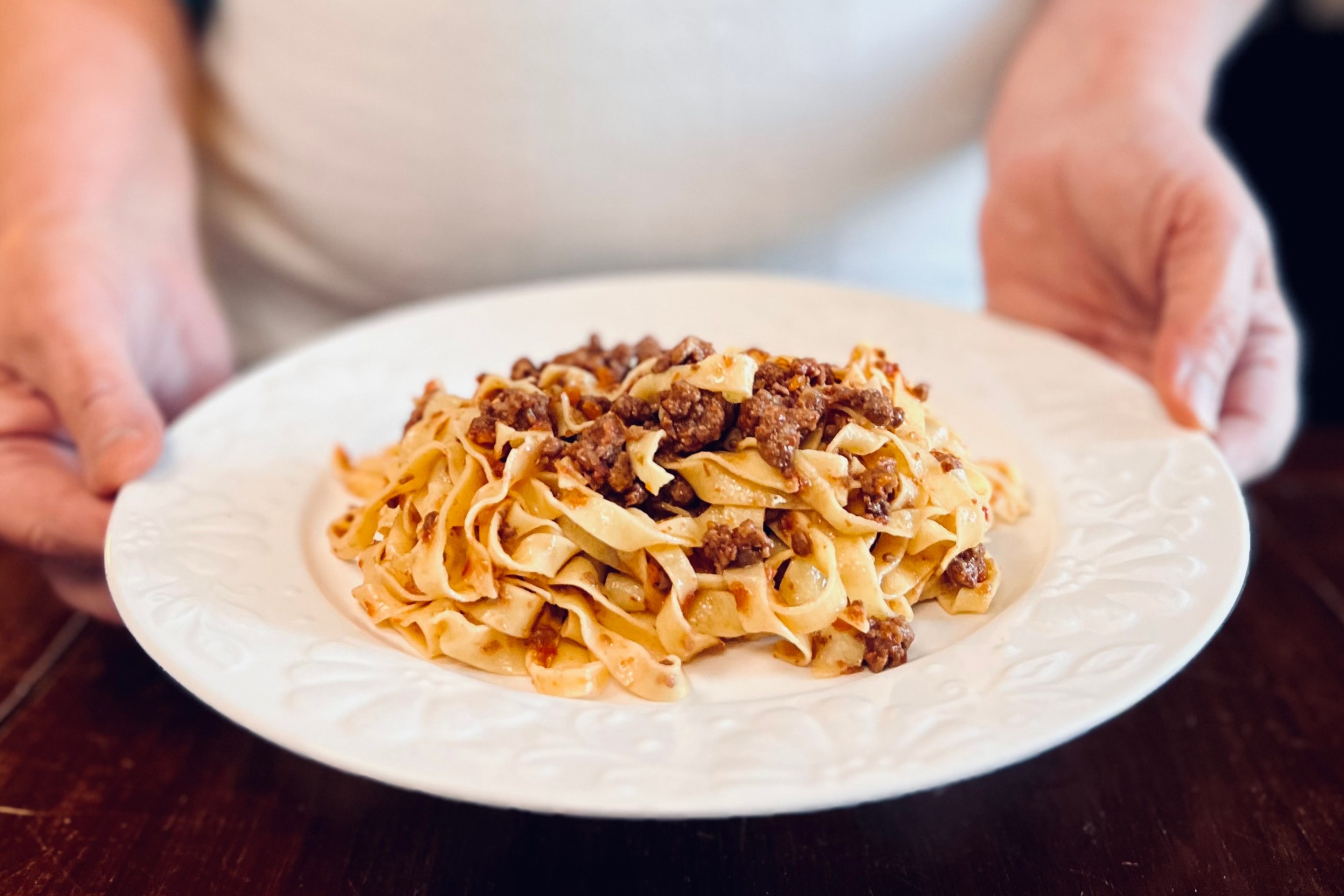
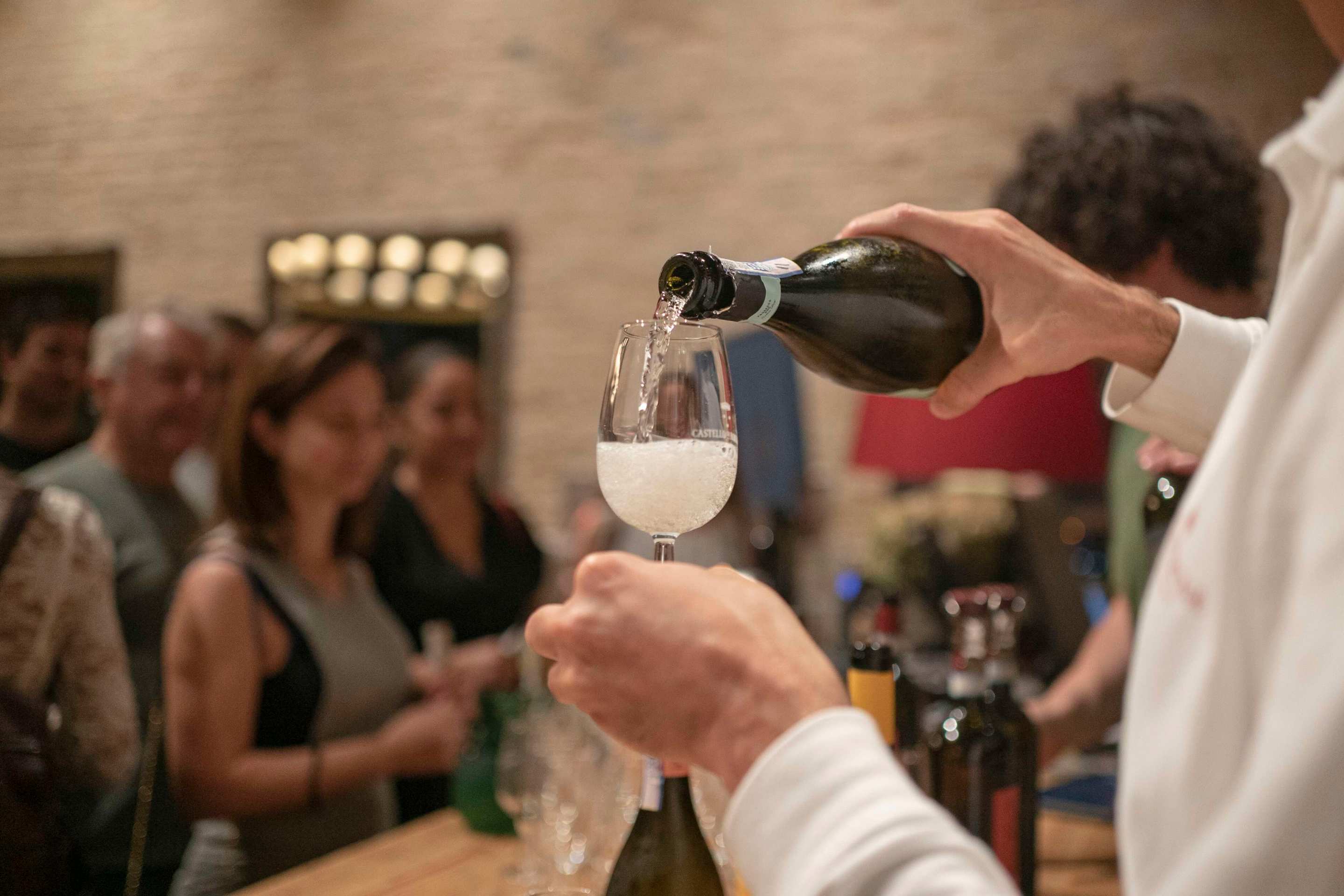
The meal has already gone on longer than expected; plates remain on the table, yet no one moves to end it. At some point, as if to give voice to what everyone already knows and to affirm the ease of the moment, someone says it aloud: a tavola non si invecchia—a way of suggesting that time seems to loosen its hold when one lingers over good food, honest wine, and cheerful company.
What the Italian proverb captures in this moment is less a fact than a perception. Eating together alters the experience of duration. Thoughts that elsewhere insist—deadlines, obligations, small anxieties—lose their urgency. In their place comes a kind of suspension: repetition of gestures, continuity of talk, the slow rhythm of courses. The proverb says little about food itself, and much about the conditions under which food becomes secondary. If youth is, among other things, a condition of lightness, of not feeling the weight of time, then the table briefly recreates it. It is in this sense that such moments are often felt as restorative. It's as if by holding worry at a distance, they were also holding age at bay—and, in doing so, quietly extending life.
Looking for dishes worthy of a long Italian meal? Browse Appetito’s Italian recipes.
A Tuscan variant makes this perception explicit: a tavola si diventa giovane (at the table, one becomes young). Here, what is elsewhere implied is stated: time seems not just suspended but reversed. The table does not transform time itself, but our relation to it.
It is worth pausing here: no one in Italy today hears it as an invitation to excess. The emphasis falls less on food or wine than on the table itself—the meeting point of what is set upon it and those who gather around it. What extends is not the meal, but the moment, held in place by conversation and the quiet ease of not quite deciding to leave.
And to think that the proverb once carried quite a different sense. Early lexicographic sources link it to medieval vernacular traditions associated with Gregory the Great, whose writings were widely read between the thirteenth and fourteenth centuries. In that context, it reads less as reassurance than as a warning—almost moral as much as medical: those who do not moderate themselves at the table may not live long. The phrasing itself allows for both readings: one does not grow old, either by remaining young, or by not reaching old age at all.
It is tempting to imagine that, in this earlier form, the saying carried a different weight: less an observation than a warning, less about suspending time than about not consuming it too quickly. Medieval moral thought had little patience for indulgence, and kept a watchful eye on the table.
Times, however, have shifted, and with them, the meaning has settled elsewhere. What once sounded like caution is now heard as recognition. Not because the risk disappeared, but because it was absorbed, measured, and quietly reinterpreted. Conviviality has prevailed—not by excess, but by balance.
At the table, one does not grow old - or, at least, one stops noticing that one is. For a while, time agrees to sit with us and not to hurry us away.
Hungry for Italian food idioms? Discover more of Samuel Ghelli's articles.
Fare la Scarpetta: The Last Sweep of the Plate
Finire a Tarallucci e Vino: When the Table Has the Final Word