

Italy produces some of the world's finest olive oils, but no single Italian olive oil style exists. The story of Italian olive oil is the discovery of regional styles, each with its own distinctive flavor profile. From the delicate, almond-scented oils of Liguria to the robust, peppery oils of Puglia, each region has its own olive varieties, traditions and flavor profiles. Traveling from north to south reveals remarkable diversity, proving olive oil can be as complex and expressive as wine or cheese and just as exciting to learn about.
Traveling from north to south across Italy reveals just how dramatically olive oil styles can change. The journey begins in Liguria on the Italian Riviera, then moves through Tuscany, Puglia and Calabria, ending in Sicily. Along the way, each region tells its own story through its olive varieties, growing conditions and distinctive flavor profiles that make that region's olive oil particularly special.
When olive oil producers harvest olives for oil production, polyphenol levels matter. Polyphenols enhance olive oil's flavor, stability and health benefits, so producers try to maintain high levels to produce a premium product. For premium extra-virgin olive oils, such as Coratina from Puglia, producers harvest olives earlier in the season when levels are naturally higher because the fruit is still green. This creates oils with more intensity, bitterness and pepperiness, often regarded as markers of high-quality extra-virgin olive oil.
Like knowing where to eat before everyone else does? Subscribe to the Appetito newsletter and let us keep you in the know.
Liguria: The Italian Riviera in Northwestern Italy
Taggiasca extra-virgin olive oil
This northwestern Italian region is famous for producing one of Italy's most elegant and distinctive olive oils. Taggiasca olives grow on the steep, terraced hillsides of the Ligurian Riviera, where sea breezes, mountain slopes and a mild Mediterranean climate create ideal growing conditions. Unlike the bold, peppery oils of Tuscany or Puglia, it offers a softer, more delicate flavor, making it ideal for enhancing food rather than dominating it. The olives used to make this oil, Taggiasca, are named after the town of Taggia.
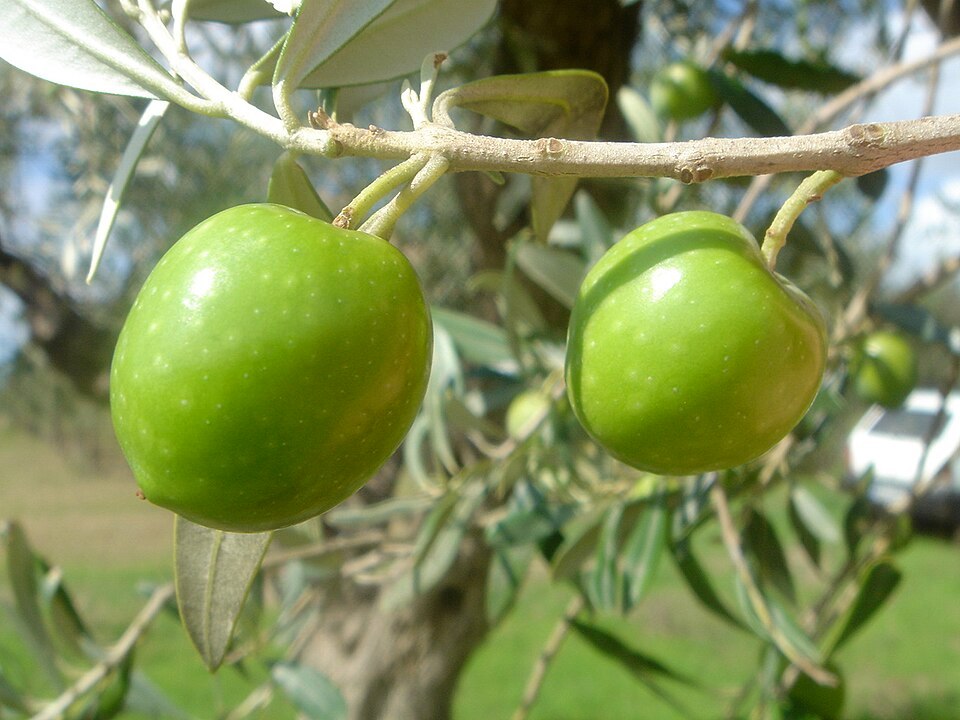
Taggiasca is a dual-purpose olive variety, used for both table olives and olive oil.
Olive variety: Taggiasca—a small olive native to northwestern Italy
Flavor notes: Unlike other olive varieties known for bitter or peppery flavor profiles, these olives are sweet, fruity, delicate and mild.
Why it's special: Naturally sweet and low in bitterness, this is a delicate oil with notes of almond, pine nut and butter.
Harvest period: November through February. Olives are picked when they become ripe and pressed quickly to preserve as much taste and flavor as possible.
Pair with: This olive oil is delicate and sweet, so it pairs best with food that will not overpower its flavor. Simple foods like grilled fish work well because the oil enhances the delicate flavor of seafood. It also pairs well with cheeses like mozzarella or ricotta because it complements these soft cheeses perfectly. Steamed or grilled vegetables with a simple drizzle of this oil provide the perfect combination.
Tuscany: West-Central Italy
Frantoio extra-virgin olive oil
Many premium Tuscan oils blend different olive varieties such as Frantoio, Leccino and Moraiolo, but for those seeking a single-variety Tuscan oil, Frantoio is the classic choice. Frantoio defines great Tuscan olive oil and is the olive variety most closely associated with Tuscany's finest extra virgin olive oil. Rather than expressing a single dominant flavor, Frantoio is renowned for its complexity, delivering layers of fresh-cut grass, artichoke, green almond and herbs that unfold as the oil is enjoyed. This oil's intensity comes from naturally high polyphenol levels.
Olive variety: Frantoio
Flavor notes: Fresh-cut grass, artichoke, green almond, herbs, clean bitterness and a peppery finish.
Why it's special: This oil defines the region's famous extra-virgin olive oils. It is prized for producing oils that are intensely aromatic, with notes of fresh-cut grass, artichoke, green almond and wild herbs, followed by a distinctive peppery finish that lingers on the palate.
Harvest period: Late October through December. Frantoio olives are often picked while still relatively green to preserve their vibrant character. This contrasts with Sicilian olives, which are harvested much earlier, from late September.
Pair with: Bruschetta or crusty bread to allow the oil to be the focus of the dish. Pair with bean soups, grilled vegetables, tomato salads and chicken dishes. This oil works best as a finishing oil on dishes that can stand up to its bold character. It complements robust, rustic foods particularly well.
Puglia: The Heel of Italy’s Boot
Sabino Leone, one of Puglia’s most celebrated olive oil producers, uses olives grown in centuries-old groves. The producers have a longstanding connection to olive growing in Puglia and preserve traditional practices for future generations.
The Sabino Leone "adopt an olive tree" project helps preserve a piece of history, protect farming traditions, and support the local economy while offering participants a unique, thoughtful gift. With a yearly subscription, the project places a plaque beside the adopted tree and ships extra-virgin olive oil from the grove to the participant. Participants can visit their tree and taste the olive oil it produces, making the project truly special.
Olive variety: 100% Coratina olives
Flavor notes: Artichoke, green tomato, almond and wild herbs
Why it's special: Produced from 100% Coratina olives harvested early in the season, Don Gioacchino olive oil is renowned for its exceptionally high polyphenol content and powerful character.
Harvest period: Producers pick Coratina olives in October, when they are still relatively green. At this stage, they contain higher levels of natural antioxidants, or polyphenols, which give Don Gioacchino oil its characteristic bitterness.
Pair with: Grilled lamb, steak, beans, pecorino, bruschetta and traditional cime di rapa.
Calabria: The toe of Italy's boot
This oil comes from a respected Calabrian family estate with more than a century of olive-growing tradition. Tenute Librandi was established as a brand in 1967, cultivates 27,000 olive trees, and shows a deep commitment to organic olive oil production.
Olive variety: Predominantly Carolea
Flavour notes: Fresh herbs, almond and light pepper flavours produce a fruity and balanced taste
Why it's special: The olives are hand-harvested and cold-pressed within hours of picking to maximise flavour and preserve polyphenol levels.
Harvest period: October and November
Pair with: Grilled fish, seafood pasta, salads, roasted vegetables and fresh mozzarella
Sicily
Nocellara del Belice extra-virgin olive oil
Nocellara del Belice is Sicily's most celebrated olive variety, grown primarily in the Belice Valley in western Sicily. It is renowned for producing oils with an unmistakable green tomato character, a hallmark of the island's finest extra-virgin olive oils. These olives can be served as table olives or pressed into olive oil.
Olive variety: 100% Nocellara del Belice olives
Flavor notes: Green tomato, freshly cut grass, artichoke and almond. It's vibrant and intensely fresh. Overall, it is balanced with a gentle bitterness and a peppery finish, making this oil an interesting choice.
Why it's special: Nocellara del Belice is considered one of Sicily's finest olive varieties and is prized for producing oils with a flavor profile unlike any other in Italy. This distinctive character is so closely associated with Sicily that many tasters identify it as the hallmark of the island's best oils.
Harvest period: Late September to early November. As a dual-purpose variety, Nocellara del Belice olives destined for the table are harvested earlier to preserve their distinctive green color, while those intended for oil production are picked later once oil content has increased.
Pair with: Tomato salads, bruschetta, grilled vegetables, seafood, burrata and fresh mozzarella. Its true character can be appreciated when it is used as a finishing oil.
From the delicate sweetness of Liguria's Taggiasca olives to the vibrant green tomato character of Sicily's Nocellara del Belice, these five oils show the extraordinary diversity of Italian olive oil. No single type of olive oil defines Italy. No single olive variety is used, and harvest time is crucial to preserve the olives' flavor and all-important polyphenol levels. Olive oil producers have worked for generations, fine-tuning the harvest process to produce the finest olive oil for their region. Each oil reflects its region's landscape, climate, and traditions, proving that extra virgin-olive oil deserves the same attention as fine wine, artisan cheese or speciality coffee.